Blog
Blog
Practical articles on costs, maintenance and renovation decisions for landed homes in Singapore.
25 articles for Home Lifts
7 Things to Check Before Accepting a Home Lift Quote
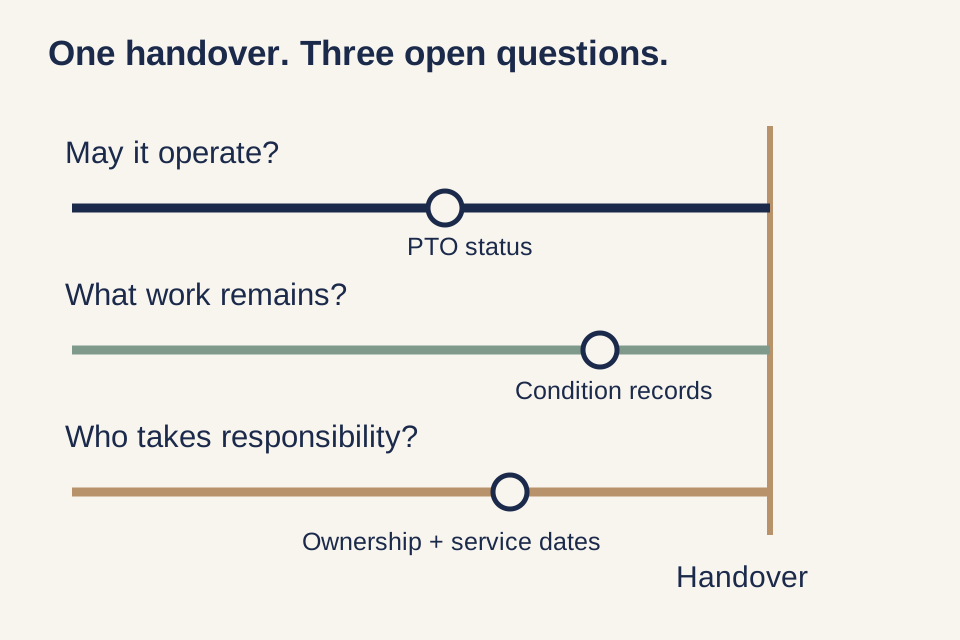
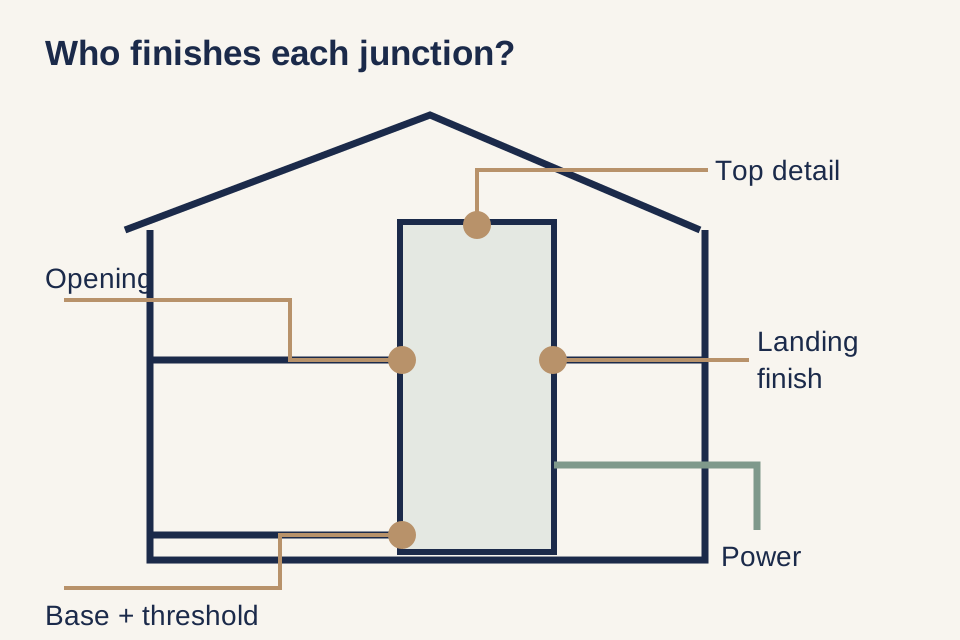
Before accepting a home lift quotation, check seven parts of the cost and responsibility: the equipment and access it provides, building preparation, installation work and the remaining items detailed below. A cheaper lift is not necessarily a cheaper project. Compare all the work required for the same house and users, including what happens at handover and afterwards.
No-Pit Home Lifts: Can You Install One Without Digging?
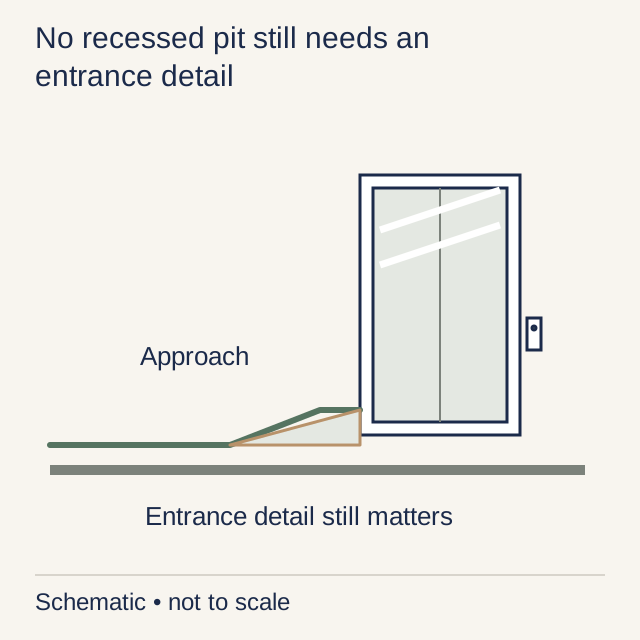
A no-pit lift may avoid a conventional recessed pit, but it still needs a suitable base, entrance and space around it. Some installations use a raised platform or ramp; other models require a shallow recess. Compare the actual entrance arrangement and building work before assuming that “no pit” means no changes to the house.
Home Lift Not Working? Common Faults and What to Do Next
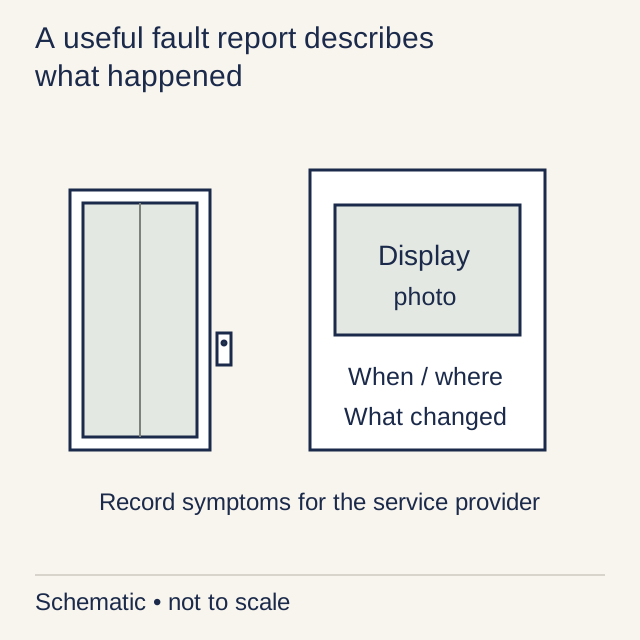
If your home lift stops, makes an unfamiliar noise or behaves abnormally, keep people safe before trying to explain the fault. Note any displayed code and what happened, without forcing doors or repeatedly resetting the equipment. The maintenance provider can use those observations to organise an assessment; they are not a diagnosis or permission to keep using it.
Retrofitting a Home Lift: Hydraulic or Traction?
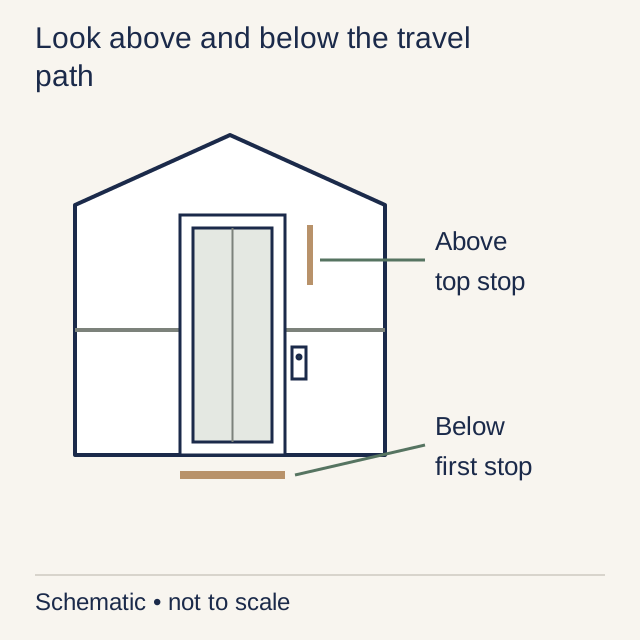
Retrofitting a home lift means fitting equipment and its supporting work into a finished house. Hydraulic and traction models can require different space, excavation and structural arrangements. Compare those requirements against the actual site, including access during construction and the work to restore surrounding rooms, before choosing the lift system.
Home Lift Now or Later? What Retrofitting Can Add to the Cost
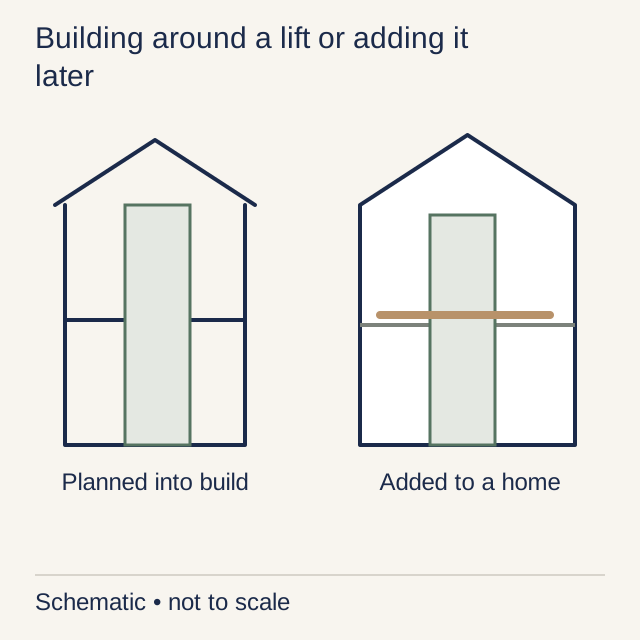
If a home lift is part of your long-term plans, decide what to prepare while the house is already being built or renovated. Installing now, reserving suitable space and retrofitting later involve different costs and disruption. An empty corner alone is not enough preparation: the future lift also needs suitable structural support, access and services.
Home Lift Lead Time in Singapore: Production, Fitting and First Use
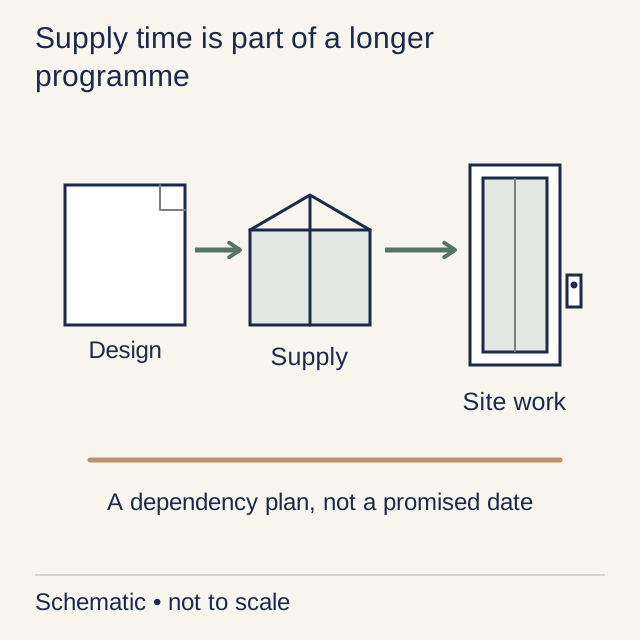
For a modular home-lift system offered in Singapore, allow 4–8 weeks for production, followed by shipping and normally 2–4 days for installation. Those timings apply to the linked system, and fitting is only part of the wait. Your first-use date also depends on design, building preparation, testing and the Singapore permit process. The schedule needs to include all of them before your household relies on the lift being ready.
Wheelchair Platform Lift vs Stairlift: Which Fits Your Needs?
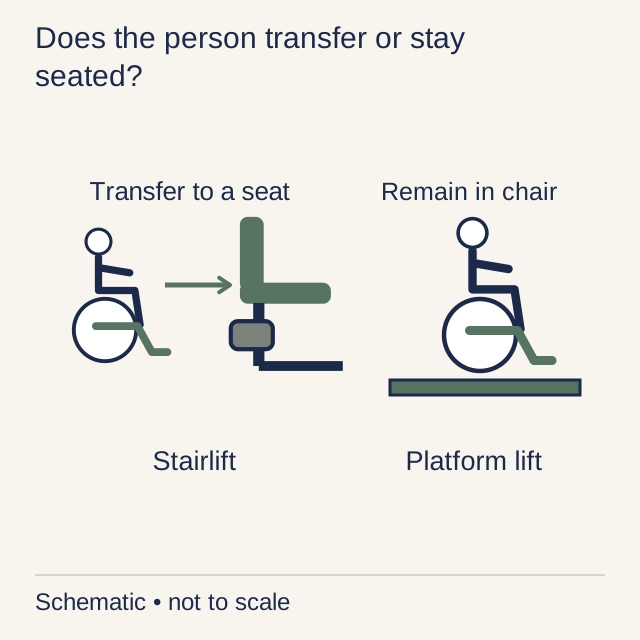
The first question when comparing a wheelchair platform lift and a seated stairlift is whether the user can and wants to transfer out of the wheelchair. Staying in the wheelchair changes the space needed for boarding and turning. Compare that complete journey, including help at each end, before deciding from the size of the lift alone.
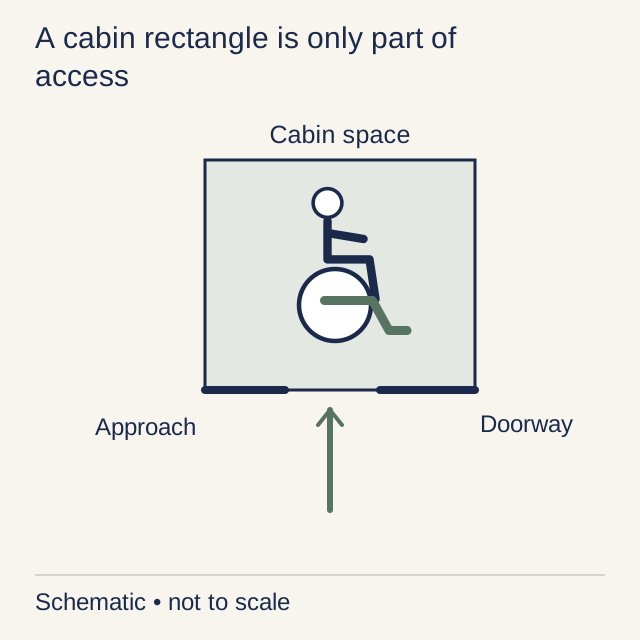
Wheelchair-Accessible Home Lifts: Space to Enter and Turn
A wheelchair-accessible lift needs enough usable space for the person and their wheelchair to approach, enter and leave at every floor. Cabin dimensions alone do not establish that. Check door openings, turning space, controls and assistance needs together, using the actual wheelchair where possible, before selecting a model.
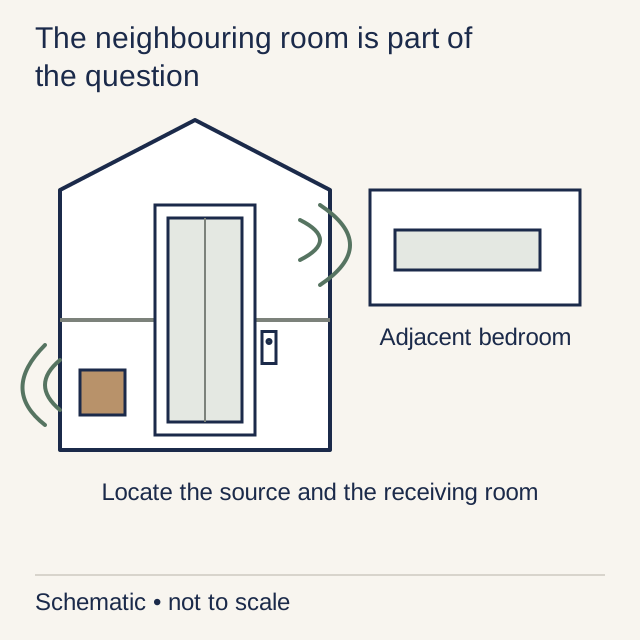
Home Lift Noise: Will You Hear It from the Bedroom?
If a lift will be close to a bedroom, consider where sound and vibration can travel before fixing the layout. Hydraulic and traction systems differ, but the particular model, equipment location and building connections also matter. Ask how the proposed installation addresses nearby sleeping spaces and, where possible, hear a comparable lift operating.
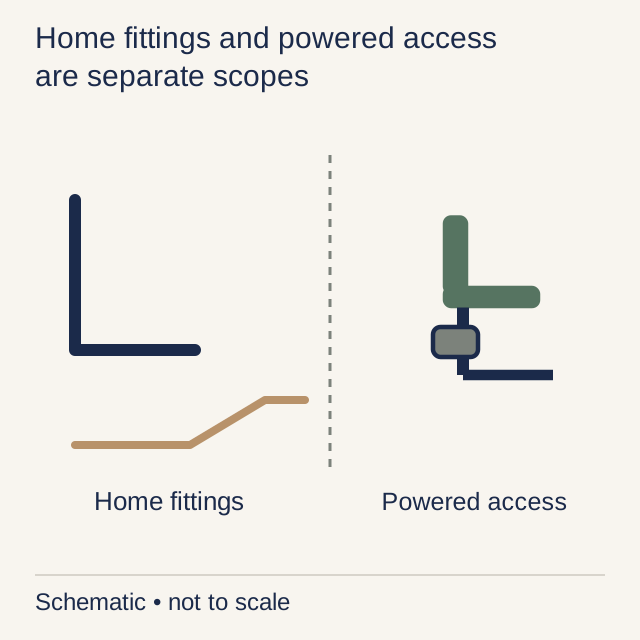
EASE vs EASE (Private): Which Support Applies to Your Home?
EASE and EASE (Private) support different housing situations and specified accessibility improvements. Do not assume that help with entrance access covers a lift between internal floors. Check the scheme that applies to your property and the work it supports, then plan any separate stairlift or home-lift purchase around the person who needs it.
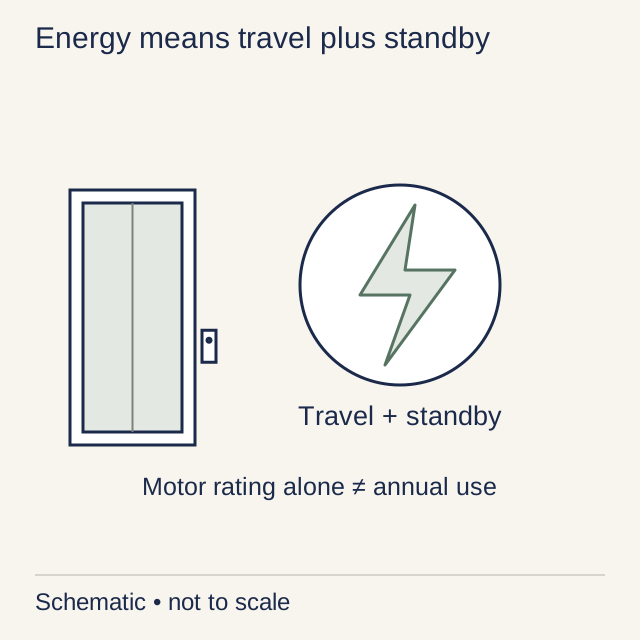
Home Lift Running Cost in Singapore: Electricity and Annual Upkeep
At Singapore’s July–September 2026 regulated tariff of S$0.3478/kWh including GST, a home lift using 300 kWh a year would cost S$104.34 in electricity, or about S$8.70 a month. The 300 kWh is an illustration, not a typical consumption figure. The full running budget also includes servicing, annual inspection and testing, permit-related work and repairs, which must be priced separately for the selected lift.
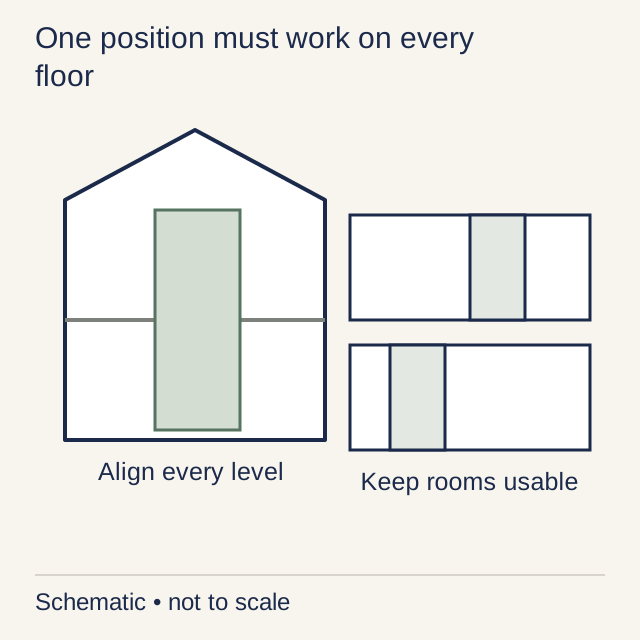
Can a Home Lift Fit Inside Your Existing Staircase?
A lift can sometimes be added within or beside an existing staircase, but it must leave a workable route upstairs and suitable space at every landing. The survey needs to consider the full lift structure, doors and building changes, not only the cabin. Compare layouts before choosing a model that appears to fit the central opening.
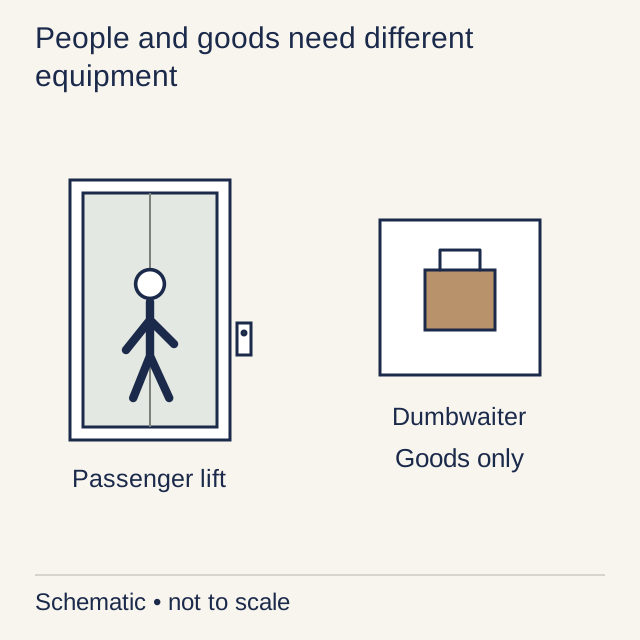
Home Lift vs Dumbwaiter: Which Job Do You Need It to Do?
A home lift carries people between floors; a dumbwaiter carries goods and must not be used for passengers. Start with what your household needs to move. Sending meals or laundry upstairs is a different requirement from providing access for a family member, and a house may have a reason to plan for both.
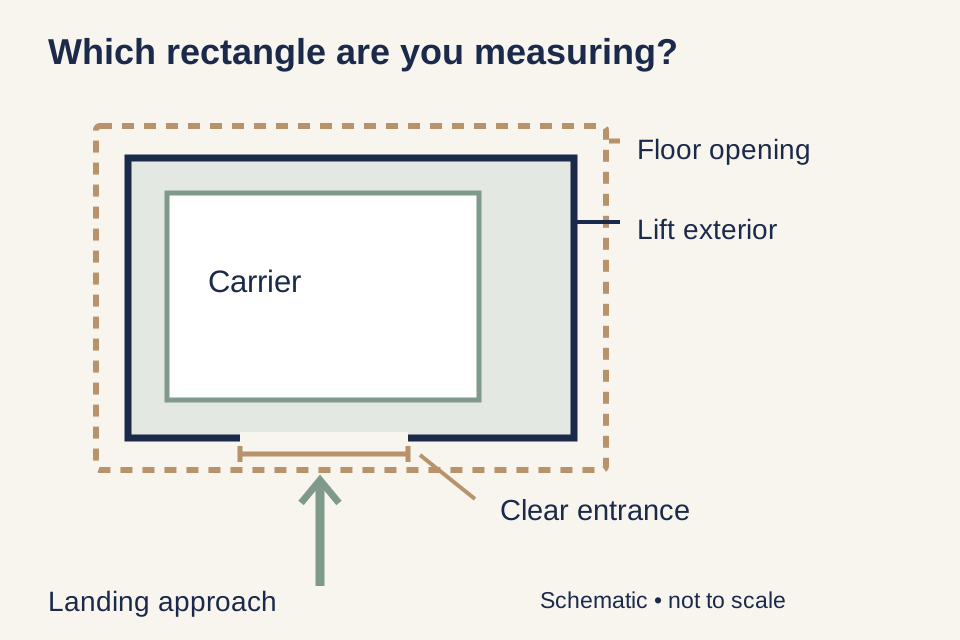
Will a Home Lift Fit? Space Requirements Explained
To find out whether a home lift fits, distinguish the cabin space from the space needed to install it. The shaft, building opening, doors and landings each have their own dimensions. A brochure footprint is a starting point; the coordinated installation drawing is what the project team needs before altering floors or confirming the layout.
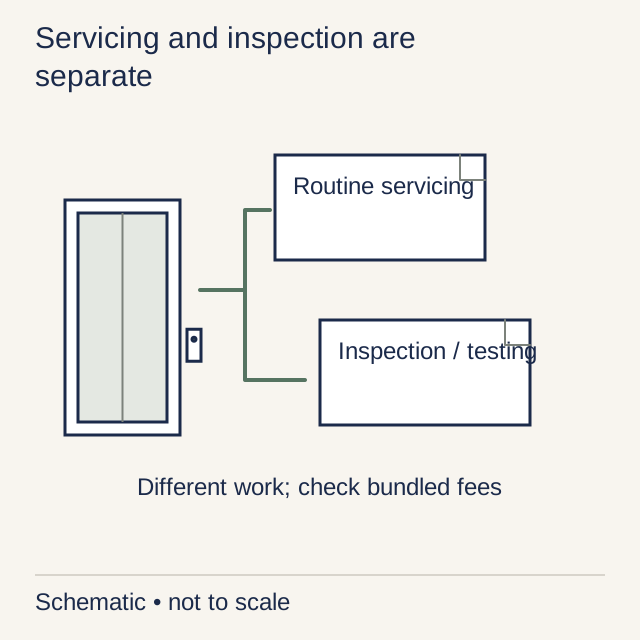
Home Lift Maintenance Cost in Singapore: Annual Fees and Extras
For a quarterly, non-comprehensive home-lift maintenance plan, the starting charges are S$1,000 a year for servicing plus S$400 for PTO renewal support. That makes S$1,400 for those two items. Your full annual budget also needs electricity, any excluded inspection work, tax and repairs. Check that the plan accepts your lift model and provides its required service schedule.
Home Lift Installation: 6 Steps from Survey to Handover
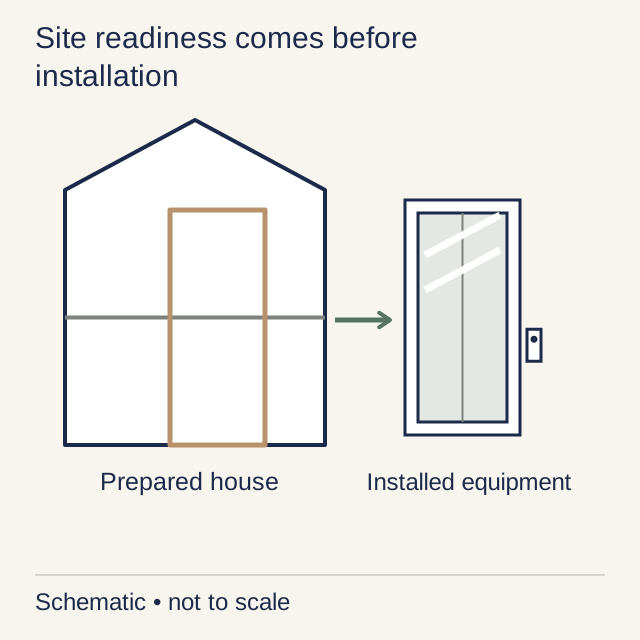
Home lift installation follows six main steps: assess the site, settle the quotation and required submissions, prepare the structure, install the lift, complete testing and operating requirements, then hand it over with owner training. The stages depend on one another. Planning them together helps you understand both what happens inside your home and what must be ready before the next team starts.
Glass Home Lifts: Is the View Worth the Extra Cost?
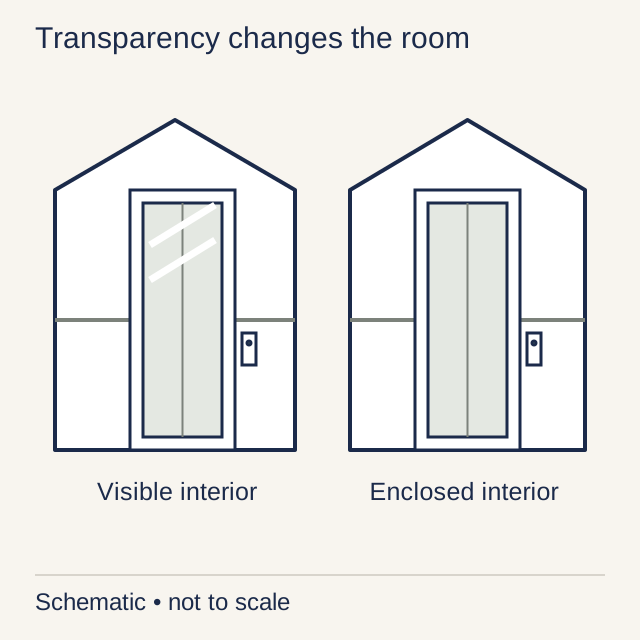
A glass home lift can preserve views and bring a more open appearance to an installation. Whether that is worth the extra cost depends on where the lift sits and how you feel about privacy, sun exposure and cleaning. Compare the actual glazed design with a suitable alternative, including the work around the lift, before deciding what the premium buys you.
Cheapest Home Lifts in Singapore: Budget Options Compared
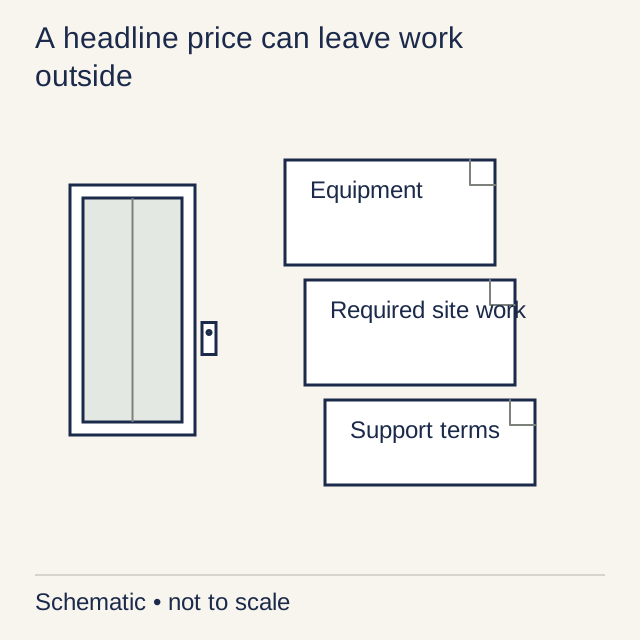
A basic platform lift is worth pricing first when the budget is tight. Compare Singapore advertised starting prices, compact and wheelchair-capable options, and the work needed to turn the lift price into a usable installation.
Vacuum vs Hydraulic Home Lifts: Which Suits Daily Life?
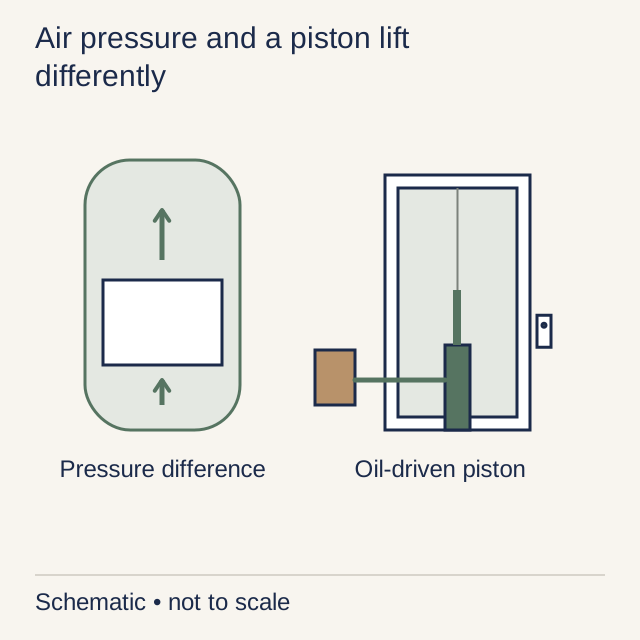
Vacuum and hydraulic home lifts offer different cabin layouts, operating systems and installation requirements. Compare them through the trips your household will make, including carrying belongings or using mobility aids. The useful choice needs to fit the people, the space at each floor and the building work your home can accommodate.
3 Home Lift Types: Hydraulic, Traction and Vacuum Compared
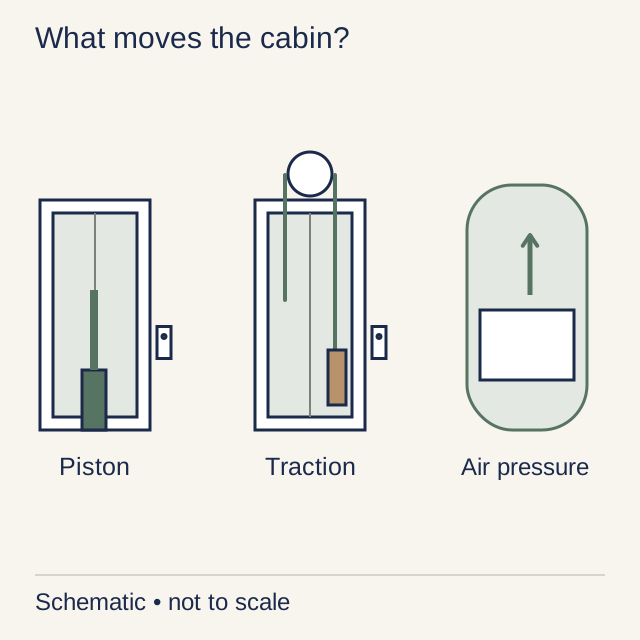
Hydraulic, traction and vacuum lifts move in different ways, which affects their equipment layout and the building work they need. The useful comparison is how a specific model fits your house and supports everyday access. This guide explains the three types, then compares space and ownership considerations without assuming every model in one category is identical.
Home Lift Approvals in Singapore: BCA and PTO Explained
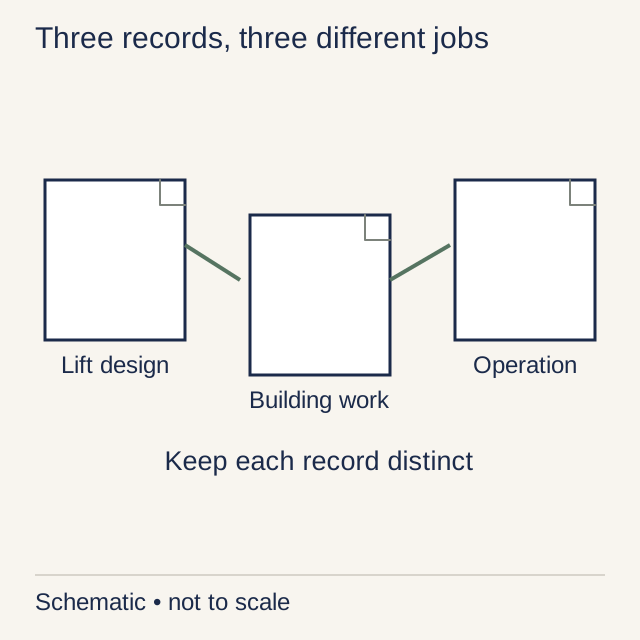
A home lift project can involve approval for the lift, permission for associated building work and the Permit to Operate before use. Those are separate responsibilities, even when one team coordinates them. Identify who handles each part and which documents you will receive, so equipment delivery is not mistaken for a completed, ready-to-use installation.
Stannah vs Aritco vs Cibes: Home Lift Models Compared
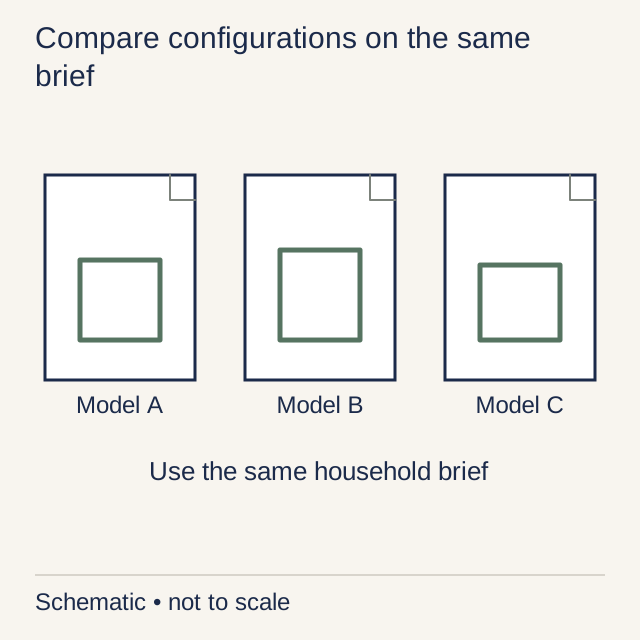
Stannah, Aritco and Cibes overlap more than their brand images suggest: the Stannah Midilift PL2, Aritco HomeLift Access and Cibes A5000 are all screw-driven platform lifts. The practical differences include how many floors they can serve, the shape of the usable platform and the available controls. Aritco’s Access range includes longer platforms and non-European control options; Cibes A5000 has closely specified shaft and floor-opening sizes; Stannah PL2 offers a comparable platform but its current Singapore supply needs confirmation. There is no supported reason to name one brand the smoothest or cheapest.
Choosing a Home Lift Company? Ask These Questions First
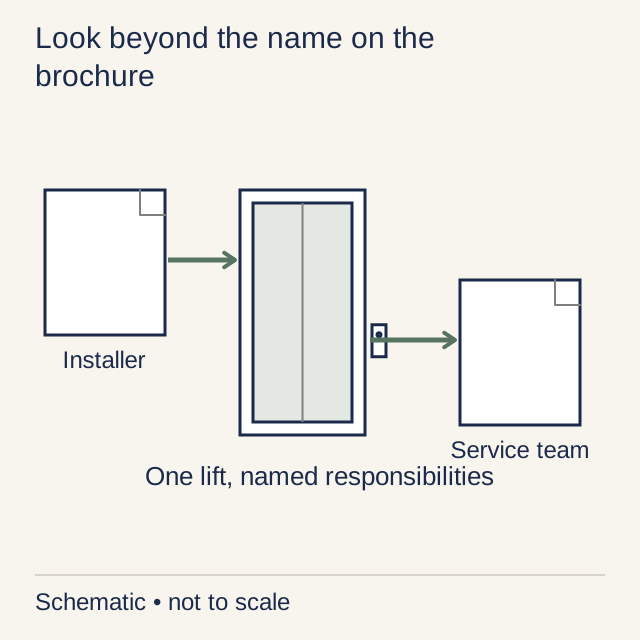
A home lift company should help you understand how the proposed lift fits your family and your house, then explain who will handle the surrounding work. Equipment supply, structural openings, electrical work and servicing are not automatically one package. Compare the actual model and the complete project responsibility before using brand familiarity or price to make the decision.