On this page
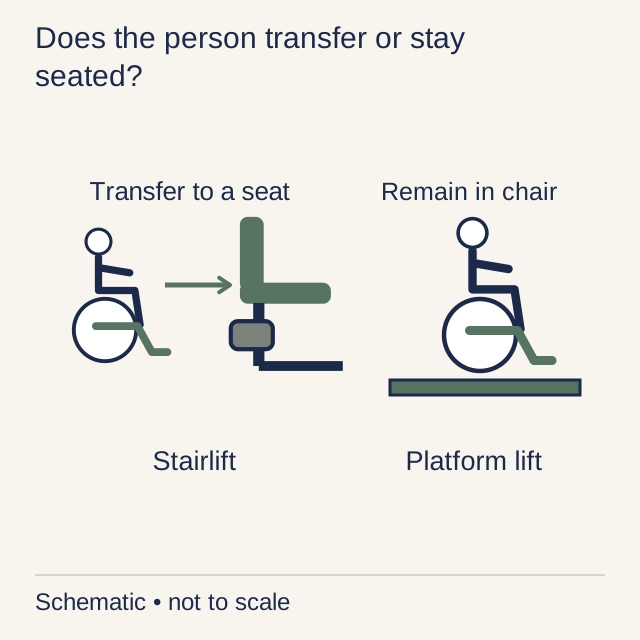
View In PDFThe first question when comparing a wheelchair platform lift and a seated stairlift is whether the user can and wants to transfer out of the wheelchair. Staying in the wheelchair changes the space needed for boarding and turning. Compare that complete journey, including help at each end, before deciding from the size of the lift alone.
The one question that actually decides this
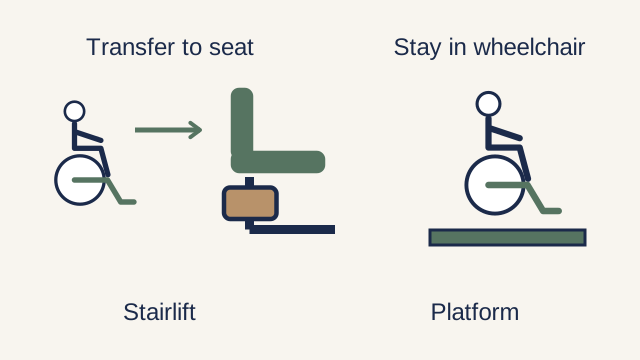
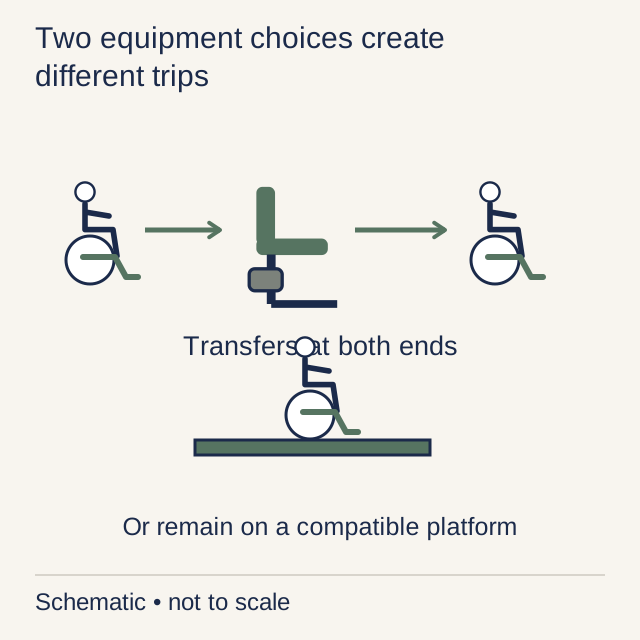
The first difference is how the user boards. A seated stairlift carries the person after they transfer onto its chair. A wheelchair platform lift carries the occupied wheelchair. If transferring is unsafe or too tiring to repeat throughout the day, the lower equipment price of a chair lift does not make it a suitable solution.
Wheelchair use alone does not tell you whether a person can transfer. Some users transfer independently; others need help, particular equipment or space beside the seat. Assess the movement at both ends with the user and, where needed, an occupational therapist. Include how the wheelchair or walking aid will be available on each floor.
Space and cost come next. An option that suits the person must also fit the stairs or floor opening and leave usable landing space. This guide compares those physical arrangements so the survey starts with the right question: how will the person complete the whole journey?
What each device physically is
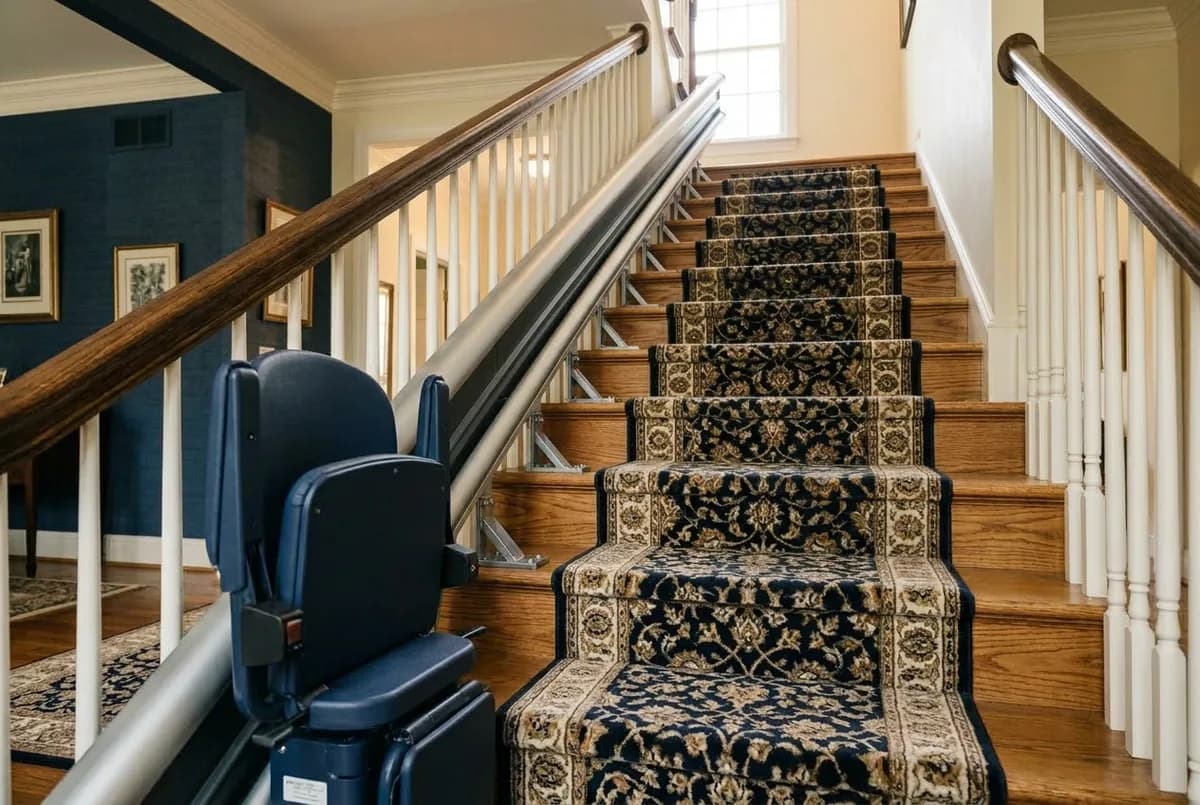
A stairlift carries a seated user on a rail fitted to the staircase. It suits someone who can transfer safely between the chair and their walking aid or wheelchair at each end. A straight rail and a rail that follows bends or several flights are different installation scopes, so compare quotations for the actual route through your home.
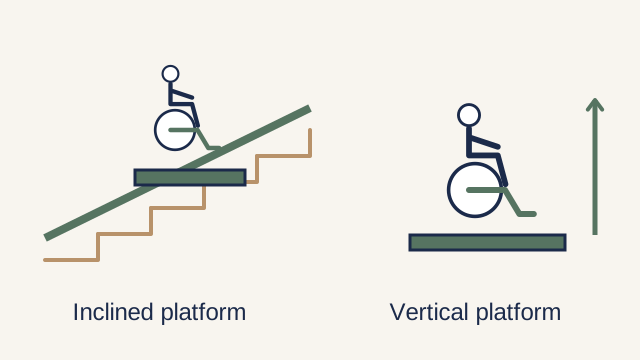
An inclined wheelchair platform follows a rail along the staircase, with the platform folding away on designs that provide that function. A vertical platform travels directly between levels and can be enclosed or open depending on its design and travel. Neither label establishes its permitted height, loading or approval requirements; those belong to the selected product and installation.
An enclosed home lift may also carry a wheelchair if its cabin, doors and controls suit the user. Compare it where the stair route cannot accommodate a platform or where the household needs access across several floors. Enclosure alone does not distinguish every product category, so use the technical specification when comparing proposals.
Footprint, staircase, and what your home can physically take
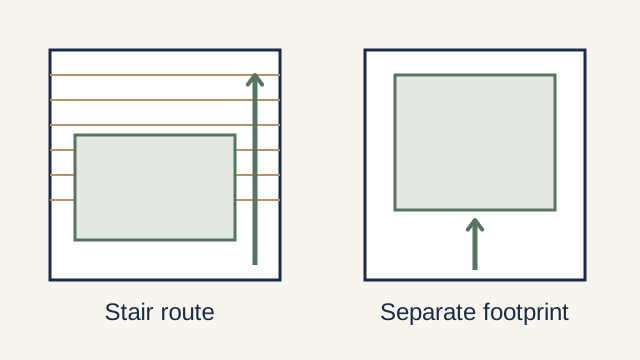
A stairlift rail and folded chair occupy part of the staircase. The survey should show the remaining walking route, the space used during travel and where the chair parks. A narrow folded dimension is not enough if the user's knees obstruct the opposite side or the parked chair blocks a doorway.
An inclined platform needs room for the wheelchair during travel and boarding as well as space when folded. Turning stairs and landings can limit that route. A vertical platform avoids occupying the stair flight but needs its own supported footprint, access at each level and any required floor openings or enclosure.
Send preliminary photographs and dimensions, then have the installer measure the complete route. Clearances must work for other household members as well as the lift user. Do not remove a handrail or barrier to gain space without having the resulting staircase design assessed.
Cost, permits, and where the numbers genuinely sit
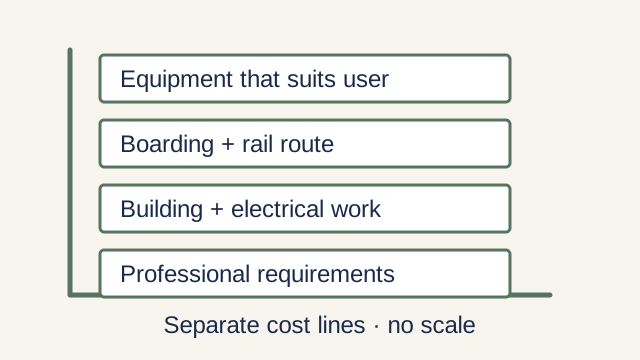
Compare the complete installed scope for a stairlift and a wheelchair platform lift. The chair option requires safe transfers; the platform option must accommodate the wheelchair and allow sufficient boarding space. Rail length, bends, landings, electrical work and any building alterations affect the price. Obtain a site quotation for each suitable option before deciding that either is the cheaper way to meet the user's needs.
BCA's owner guidance requires a valid PTO for stairlifts and vertical platform lifts before operation, with registered contractors for installation and maintenance. Have the project team establish the precise requirements for the chosen equipment and related building work. Rail mounting is not a general permit exemption.
HDB EASE includes an entrance wheelchair-lifter option under its conditions. That does not establish funding for an internal staircase platform or passenger lift. Private-property households should check EASE (Private) separately. Keep the proposed device self-funded in your comparison unless the relevant programme has confirmed eligibility and coverage.
How to brief contractors so quotes are comparable
Because these are different devices, two quotes can look wildly apart while describing the same problem. Standardise your brief. State the user's transfer ability in one sentence, the staircase clear width and number of turns, the floors you need to connect, and whether you want the device removable later. Send the identical brief to every contractor so you are comparing like for like.
Ask each quotation to identify required submissions, staircase or structural alterations, electrical work, finishing and servicing. These are especially important where a platform needs more room at a landing. A difference in price may reflect a different scope or product, so resolve those differences before comparing the totals.
Discuss the user's transfer ability and the staircase layout with DirectHome before choosing the equipment. The practical question is how the person will board, travel and leave the lift safely at both ends. Depending on those needs and the available space, the suitable option may be a stairlift, a platform lift or an enclosed home lift.
Verdict: match the device to the body, then the budget
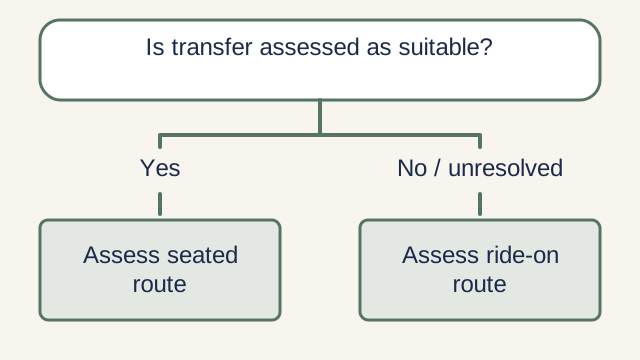
A seated stairlift is worth comparing where the user can board and leave the chair safely and the route fits the staircase. Include the repeated transfers, assistance and mobility aids needed on each floor in the decision. A short demonstration should test the full movement, not just the ride.
An occupied-wheelchair platform is worth comparing when remaining in the chair is necessary or preferable and the home has a suitable route. If the platform cannot fit, consider an appropriately sized home lift or changes that let the user live on one accessible level. Forcing a seated solution into the budget does not resolve an unsafe transfer.
Bring the user's access needs, photographs of both landings and the floors to be connected to a discussion with DirectHome. Those details help establish the project question before a particular mechanism is chosen. Suitability still needs the user assessment and a measured installation proposal.
Frequently asked questions
Can a wheelchair user use a stairlift, or do they have to transfer onto the seat?
A standard seated stairlift requires transfer onto its seat and off again at the destination. Some wheelchair users can do this independently; others cannot. Assess the actual person, assistance and landing space, including where their wheelchair will be available. A platform allows the user to travel in the chair.
Will an inclined platform lift fit a narrow Singapore landed staircase?
It depends on the actual staircase and equipment. The platform needs space while travelling and boarding, while its parked position must preserve the required access. Bends and landings matter as much as the narrowest width. If the route is unsuitable, compare a separate vertical platform or home lift.
Do I need a BCA permit for a stairlift or a wheelchair platform lift?
BCA requires a valid PTO before operating a stairlift or vertical platform lift and registered installation and maintenance contractors. Confirm the selected equipment's requirements and any separate permissions for associated building work. Do not accept rail mounting as evidence of exemption.
Is there any Singapore grant that helps pay for a platform lift or stairlift?
HDB EASE includes a wheelchair-lifter option for eligible multi-step flat entrances, subject to its conditions. That is different from general funding for a staircase or inter-floor lift. Check the exact device and application route before budgeting a subsidy; private-property schemes have their own listed items and eligibility.
When should I skip both and look at an enclosed home lift instead?
Compare an enclosed home lift when a stair-mounted device cannot provide a usable route, several levels need connecting or the household needs a different capacity. Check wheelchair fit and controls for the actual model. The alternative may also be an accessible living arrangement on one floor.
Stairlifts across Singapore
Need help with your project?
Tell us what you need on WhatsApp and send a few photos. We'll arrange a free site assessment, then give you a fixed-price quote within 3 to 5 working days.