On this page
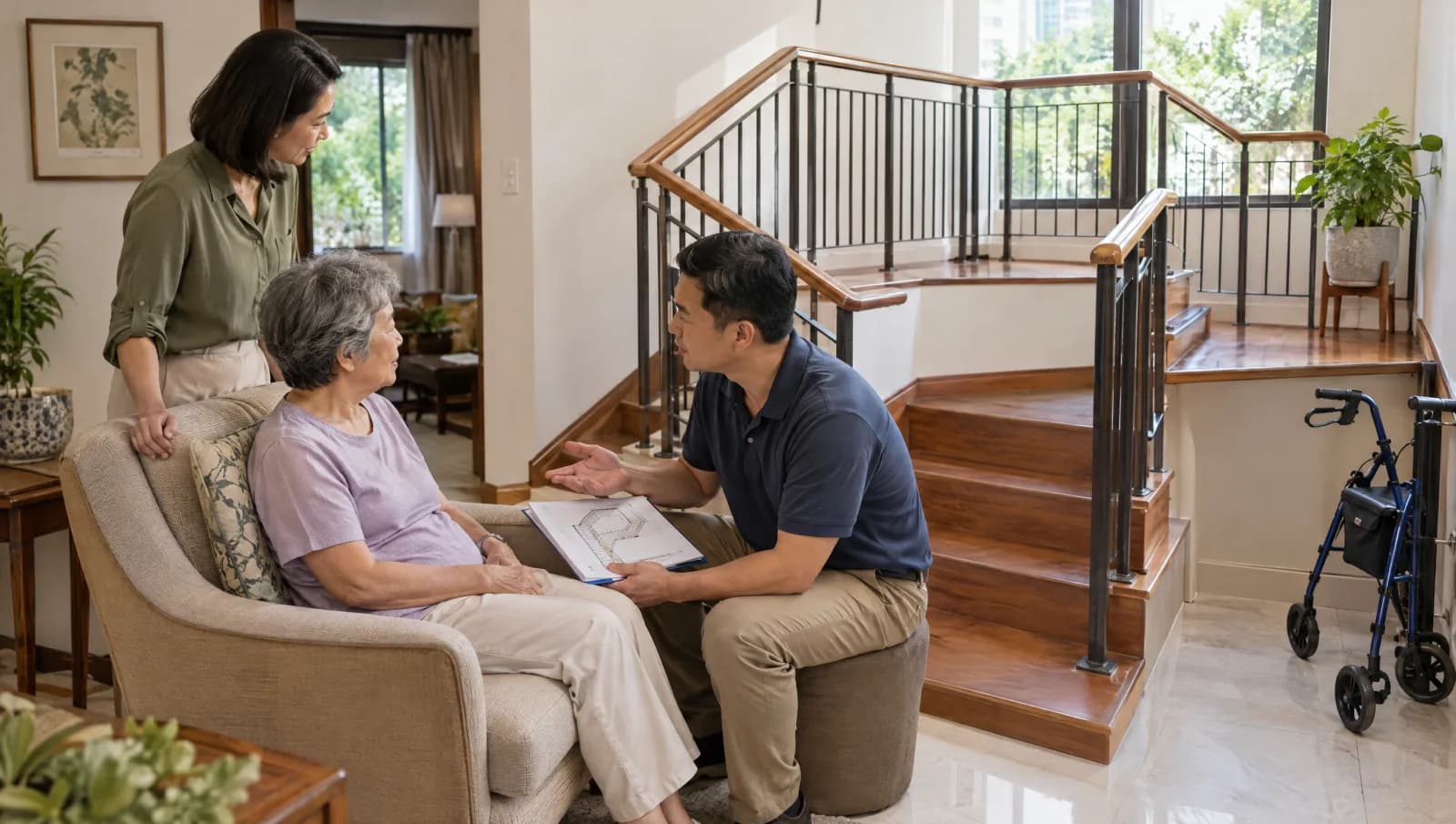
View In PDFA perch stairlift supports a more upright position and may suit some people who find sitting low or bending their knees difficult. It also asks different things of balance and body control. Arrange an individual assessment and demonstration before choosing it, so the rider's comfort, support and ability to get on and off are considered together.
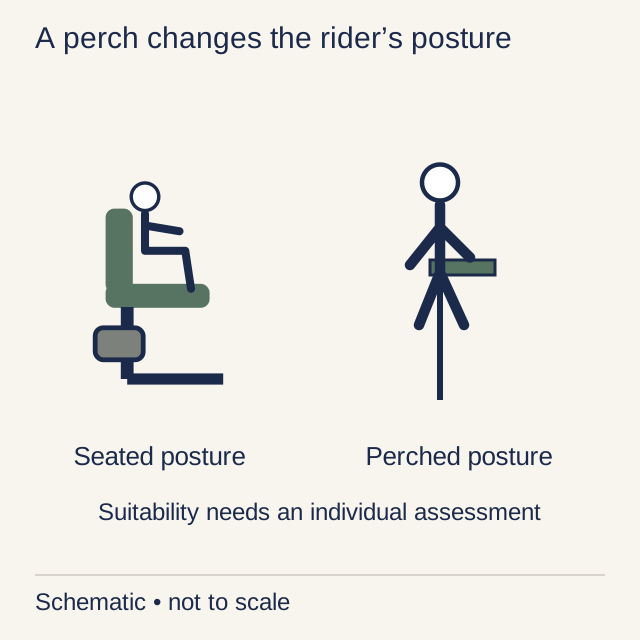
A perch stairlift is a mobility decision, not a space decision
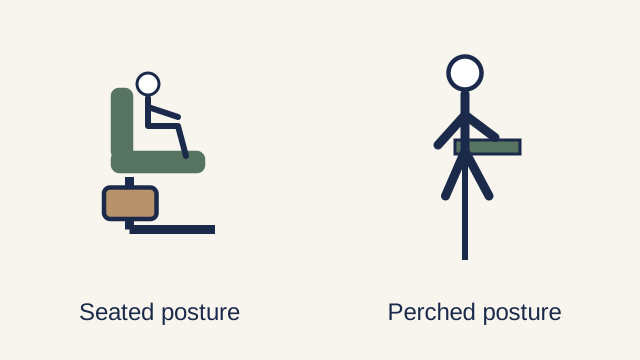
A perch stairlift carries the user in a more upright posture than a conventional seated chair. That can reduce the bending needed at the hips and knees, but it changes how the person is supported and how they board. The right choice depends on both the user's movement and the measured staircase.
A compact footprint can be useful, but space alone should not decide the posture. Compare the user in the proposed perch and a suitable seated alternative, including feet, knees, supports and boarding at both ends. Folded equipment dimensions do not establish the space needed during a real trip.
Who the standing posture actually suits
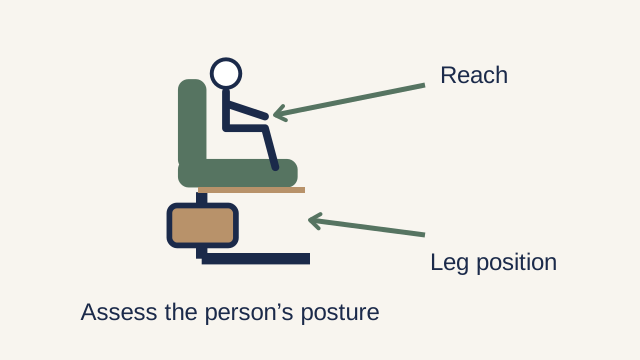
A person who finds a low seated position difficult may benefit from a more upright stairlift seat. Perch designs vary: some provide shaped support rather than a simple standing pad. The assessment needs to establish how the user bears weight, reaches the controls and remains supported throughout the route.
A diagnosis or recent operation does not identify the right seat by itself. The treating clinician or occupational therapist can advise on movement restrictions and transfer needs, while the installer establishes how the equipment fits. A trial should include boarding, positioning, riding and leaving the chair, not just standing beside it.
Who should not use one: the part most pages skip
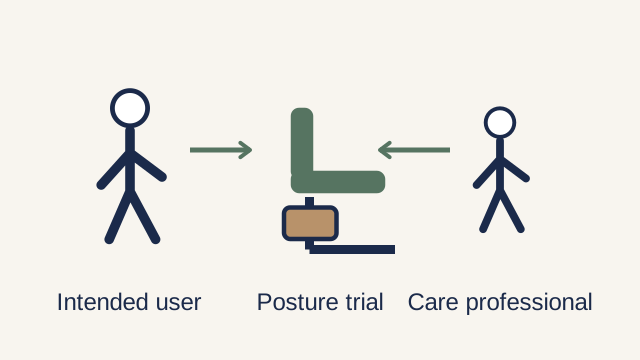
Dizziness, limited standing tolerance, involuntary movement or difficulty following the operating sequence deserve individual assessment before a perch is selected. The consequences depend on the person and the product's supports. Do not assume a belt or leaning pad will compensate for a movement the user cannot control.
A seated model is not automatically suitable for someone with cognitive or balance difficulties either. Consider whether supervision is needed, whether the user can remain in the correct position and whether another access arrangement would work better. Reassess if the person's abilities change after installation.
Cost and where a perch sits in the Singapore range
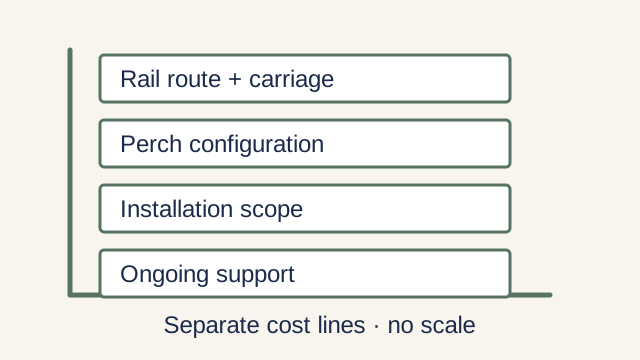
Compare the complete perch configuration with the actual seated alternative. Rail length, turns, parking position, seat functions and the installation work can all affect the quotation. Some perches are model-specific rather than inexpensive add-ons to any chair, so ask which complete system is being offered. A curved rail follows a different installation scope from a straight flight, even when the seating function is similar.
Include servicing, batteries where applicable, call-outs, testing and the operating paperwork in the ownership budget. BCA's stairlift guidance requires a valid PTO before use and registered installation and maintenance contractors. A residential rail-mounted perch is not exempt simply because it is small or battery-powered.
How to pressure-test a perch recommendation before you sign
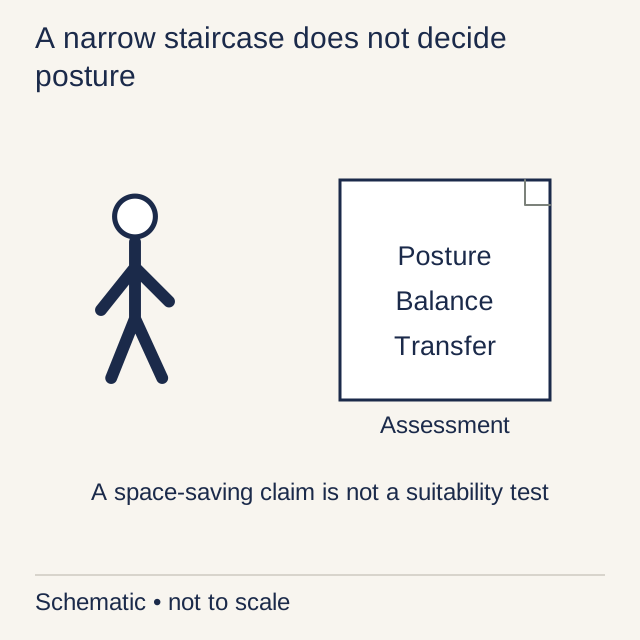
Ask what difficulty the perch is intended to solve: reduced joint bending, transfer effort or fit on the stair. Then assess whether it actually solves that difficulty for the user. A narrow-stair recommendation should show the clearances in use, while a mobility recommendation should be supported by an appropriate user assessment.
The measured proposal should show the rail, riding position and space for boarding and dismounting at both landings. Include access to controls, the specified supports and any assistance needed. Have the quotation state the equipment, associated work, servicing and PTO arrangements so a seat comparison does not omit the rest of the installation.
How DirectHome helps you decide
For a stairlift discussion with DirectHome, describe the movement the user finds difficult and provide staircase photographs and any existing assessment. You do not need to decide on a perch before that discussion. The useful starting point is the whole journey the equipment must make possible.
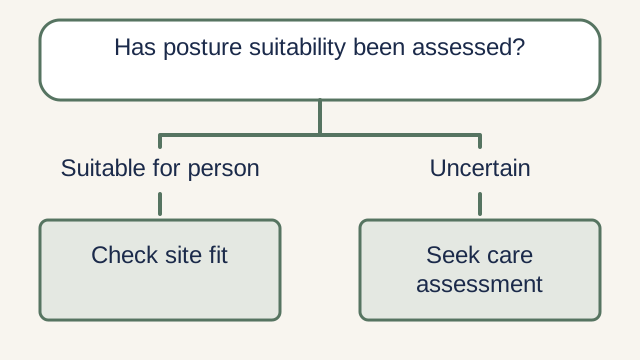
Clinical suitability needs the appropriate user assessment and product trial; installation fit needs a measured survey. Agree those steps before treating a preliminary quotation as the answer. If neither chair arrangement works, discuss a platform, suitable home lift or accessible living arrangement instead.
Frequently asked questions
Can someone use a perch stairlift after a knee or hip replacement?
Possibly, but the operation alone does not establish suitability. Follow the treating team's movement restrictions and have the user assessed with the actual perch design. Boarding, weight-bearing, support and control use all matter. Do not choose a perch merely because sitting is temporarily uncomfortable.
Is a standing perch stairlift safe for an elderly parent who is unsteady?
Unsteadiness needs assessment before a perch is selected. The user must be supported appropriately throughout boarding and travel; a seat belt does not resolve every balance or cognitive difficulty. A seated model or different access arrangement may suit better, depending on the person and equipment.
What is the difference between a perch stairlift and a normal seated stairlift?
A perch supports a more upright riding posture, generally involving less knee and hip bending than a conventional seated chair. Designs differ in their support and controls. Compare how the user boards and remains supported, as well as the space occupied on the stairs.
Should I choose a perch stairlift just because my staircase is narrow?
Do not decide on folded width alone. Compare a suitable seated model and perch with the user in the riding position, including clearance for feet and knees. The posture must work for the person as well as the staircase. Neither a slim chair nor a single rail guarantees a usable route.
Stairlifts across Singapore
Need help with your project?
Tell us what you need on WhatsApp and send a few photos. We'll arrange a free site assessment, then give you a fixed-price quote within 3 to 5 working days.