On this page
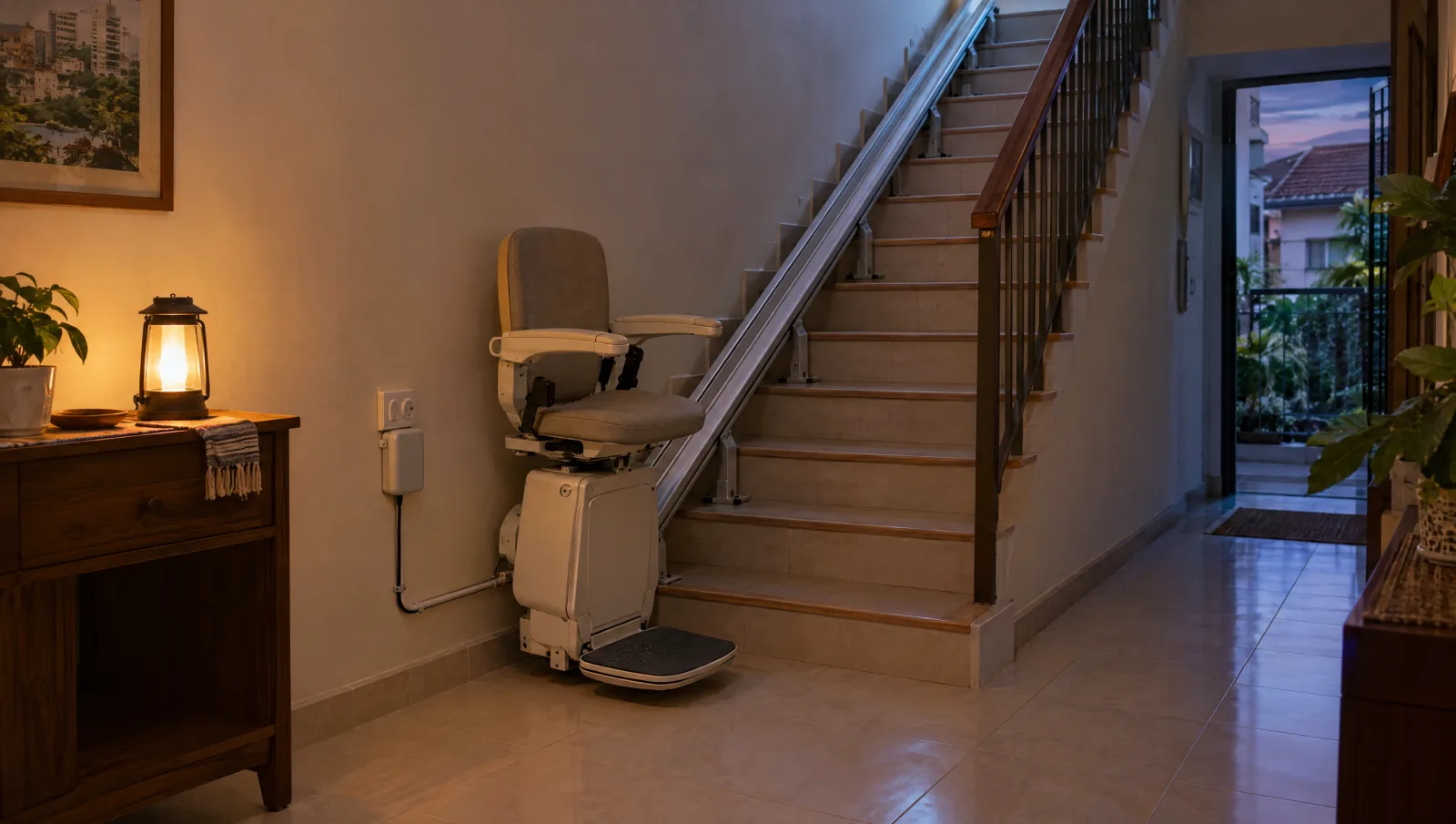
View In PDFMany stairlifts travel using batteries that recharge from the home's power supply. That can allow use during a power cut, but the available journeys depend on the model, battery condition and charge. Check the instructions for your installation and where the chair needs to park to charge before relying on it during an outage.
The Modern Standard: Battery-Powered
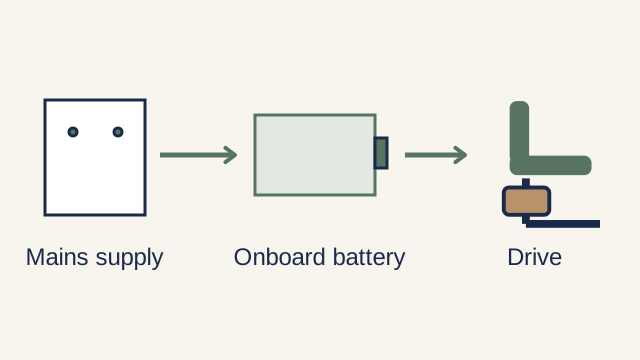
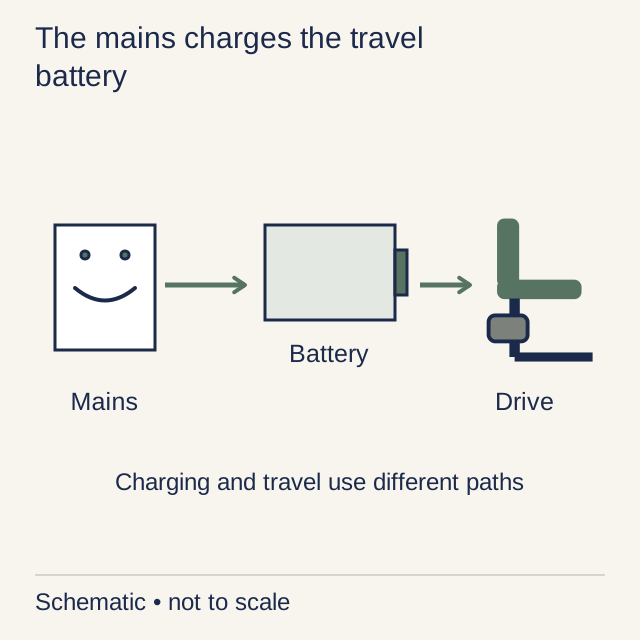
A battery-powered stairlift uses stored electrical energy to drive the carriage while a mains-powered charger replenishes the batteries. That separates the journey from the availability of mains electricity at that moment. Some older equipment uses direct mains power, so identify the actual system rather than guessing from its age or appearance.
The battery and charging arrangement is model-specific. Battery voltage, capacity and charging location belong in the equipment documentation. A familiar brand name does not establish the battery pack, the accessories fitted or the condition of a used installation.
Why Battery Beats Direct Mains
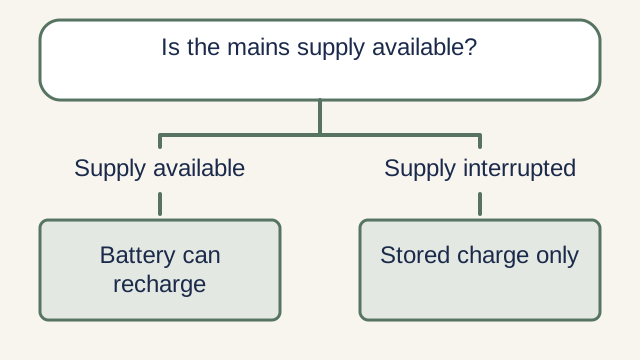
Stored charge can let a battery-powered stairlift finish journeys during a power interruption. The useful reserve depends on battery condition, charge level, route length, user load and accessories such as powered swivels. A published trip count for one configuration is not an emergency guarantee for another.
Direct-mains equipment may have different emergency provisions. Compare the complete system’s outage behaviour and recovery arrangements, not just the power label. Keep a means of calling for assistance within reach and agree how essential access will work if either a prolonged outage or a mechanical fault takes the lift out of use.
How Charging Works
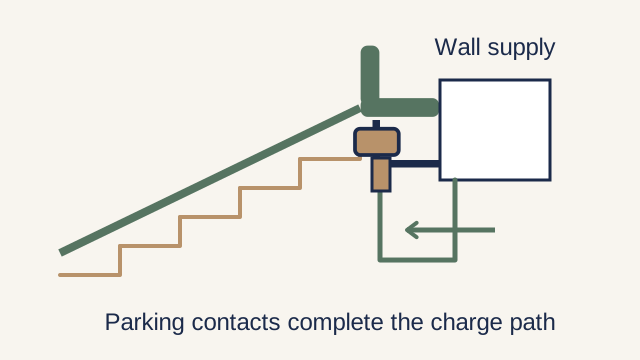
The charger normally works automatically when the chair is in an approved charging position and its supply is available. Designs differ: some charge along the rail, while others use particular points. The owner needs to know the arrangement actually installed, including any parking extension or hinged rail.
Have the provider demonstrate the charging indication and permitted parking positions. For an electricity estimate, use the model’s relevant consumption data and expected use, including charging losses and standby demand. A charger’s maximum wattage is not its constant consumption, so multiplying that rating by every hour of the year can overstate the bill.
Battery Lifespan and Replacement
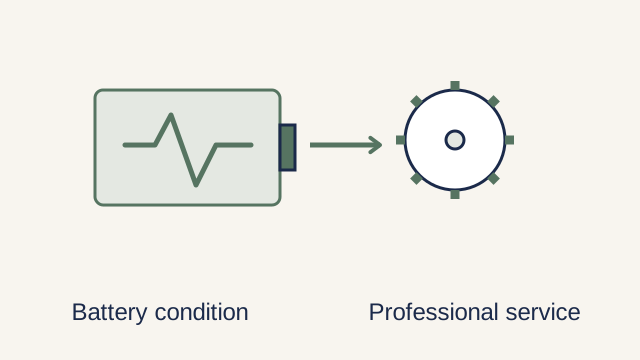
Battery service life depends on use, charging history, temperature and condition. A fixed replacement year can be misleading: a rarely used lift left off charge may still develop a weak battery. Slowing, intermittent travel or failure to charge warrants a service check rather than a diagnosis based on age alone.
Ask the service provider to assess the battery and charger and quote the manufacturer-approved replacement, labour and disposal where required. Compare that with the warranty or service agreement to avoid paying separately for an included item. Do not open the carriage or substitute a pack because its voltage appears to match.
Common Battery Mistakes
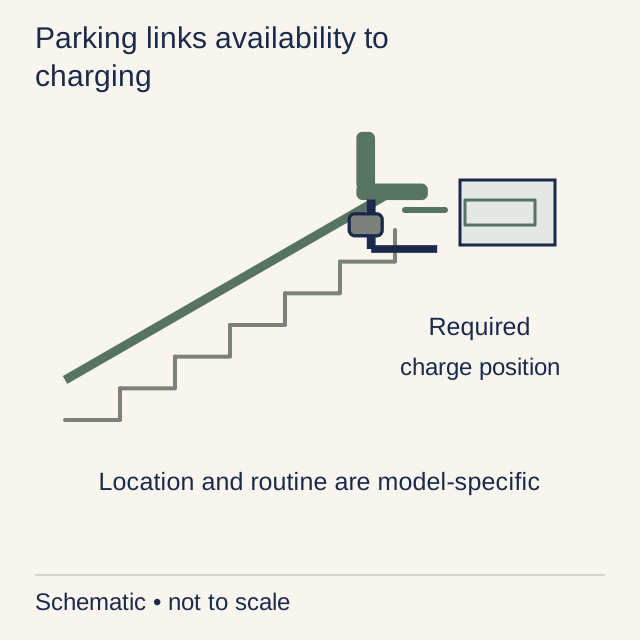
During normal use, leave the charging arrangement as the manufacturer specifies and park where charging is available. Repeatedly interrupting charging can leave less reserve for the next journey. The correct shutdown procedure for a long absence or outage may differ from normal daily parking.
Do not assume every stairlift charges only at the ends or that every alarm means a failed battery. Learn the installed indicators and the safe owner checks in its manual. If normal charging cannot be confirmed, contact the provider; repeated trial rides consume the remaining reserve without resolving the cause.
What to Ask the Installer
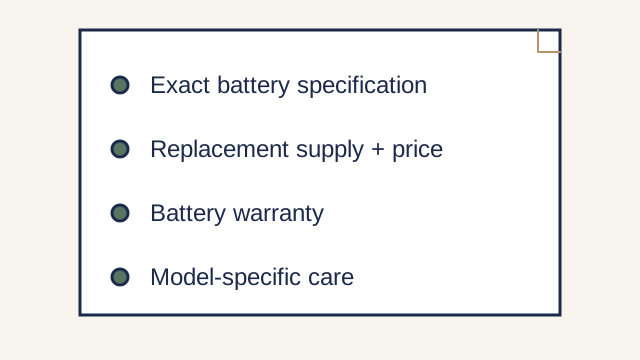
Before purchase, record the battery specification, charging arrangement, outage instructions and service support. Ask which checks belong to routine service and how the provider determines replacement need. This is more useful than a promise that every battery lasts the same number of years.
Check the battery’s own warranty and exclusions, which may differ from the chair or drive warranty. Obtain current local replacement and call-out terms. Keep these with the maintenance record so a later recommendation can be compared with the installed equipment and the work already covered.
Stairlifts across Singapore
Need help with your project?
Tell us what you need on WhatsApp and send a few photos. We'll arrange a free site assessment, then give you a fixed-price quote within 3 to 5 working days.