Reach the floors you use every day
Home Lifts
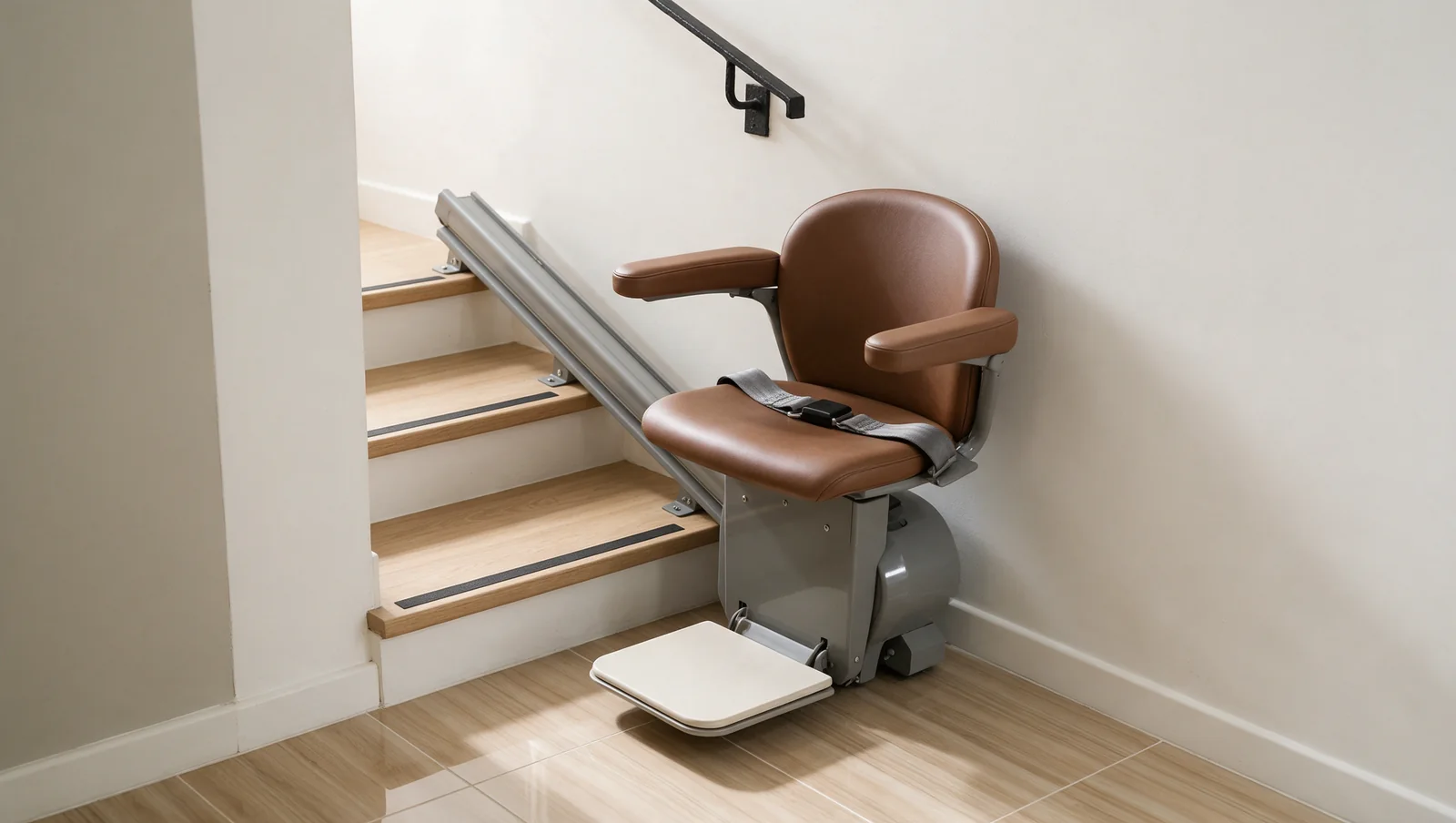
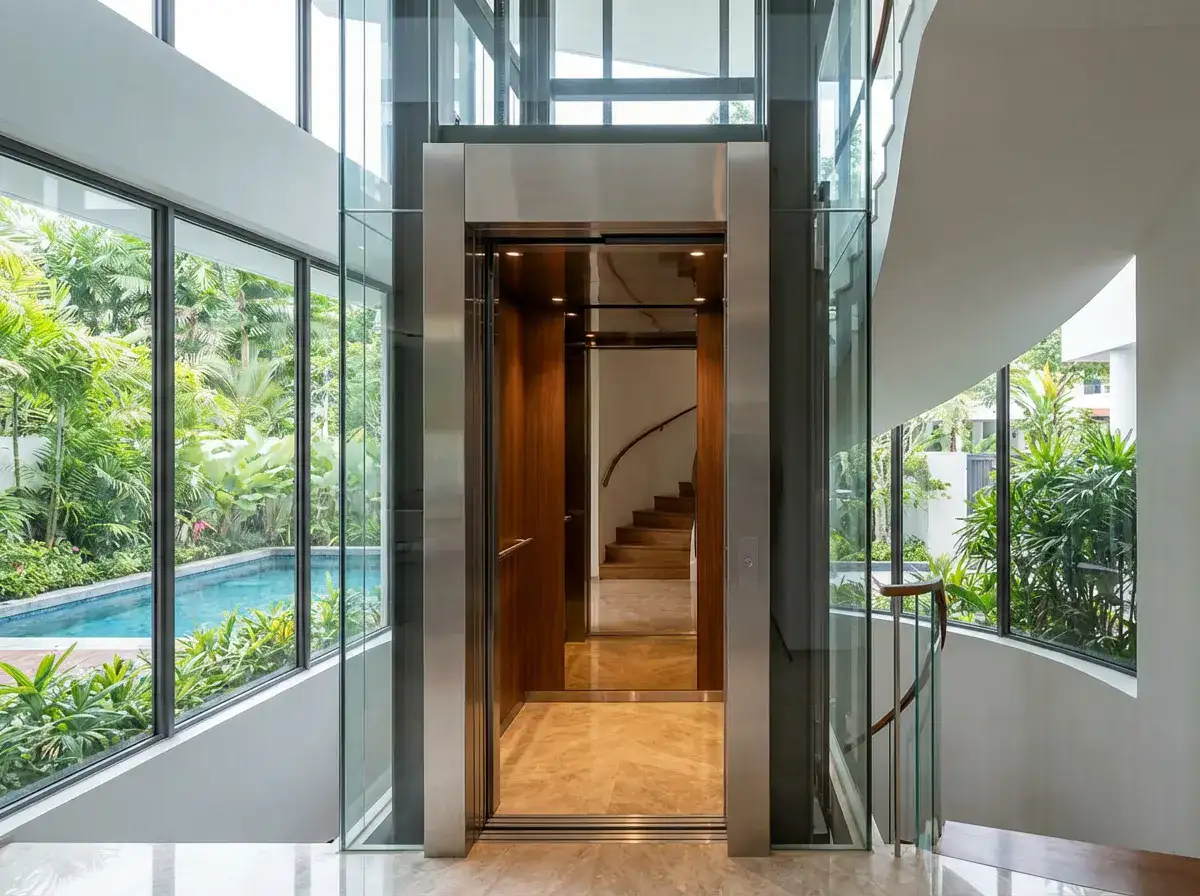
A home lift lets you reach every floor without the stairs. Choose one that fits whoever will use it, including any wheelchair or carer, and opens where they can step out on each floor. For an existing landed home, the floor openings, supports and route through each room matter as much as the cabin size.
Why Choose Us
What You Get
Planned around the person using it
Start with who will ride in the lift and what comes with them, such as a wheelchair, a walking frame or a carer standing alongside. Check the door opening, the space inside and the room to turn at each landing with that person in mind.
A location that works on every floor
Compare positions on stacked floor plans. A lift beside the living room may arrive inside a bedroom upstairs, so privacy, doors and the route to essential rooms need attention before fixing the shaft position.
Know the building work before you agree
Ask for the lift itself to be listed apart from the new floor openings, supports, wiring, and the patching and repainting afterwards. Even a lift that stands on its own frame still has to be checked for how it sits on and joins the floors of your house.
Know the upkeep before you buy
Ask for the servicing schedule, who arranges the yearly inspection and test, how parts are supplied and what the warranty covers, together with the installation quote. If the lift is the only way to a bedroom, decide where that person sleeps while it is out of service.
Options
Materials & Systems
Hydraulic lift
A pump pushes hydraulic fluid into a cylinder to move the lift. The pump and fluid tank have to sit somewhere, so the plans should show where they go and how a technician reaches them.
Traction or screw-driven lift
A traction lift hangs on ropes or belts driven by a traction machine. BCA's plan form asks whether it has a machine room or is machine-room-less, so the proposal should say which. Aritco says its HomeLift is screw-driven instead, using a patented screw and nut in a self-contained structure with no separate machine room.
Vacuum lift
A pump moves the cabin between floors by creating higher and lower air pressure inside the lift's cylinder. Pneumatic Vacuum Elevators says that in a power cut its PVE52 descends to the lowest floor and the door lock lets the passenger out, so someone riding up to an upstairs bedroom when the power fails ends up on the lowest floor.
How It Works
Our Process
Tell us who will use the lift
Send us floor plans, photos and the floors you want to connect. Tell us who will ride in the lift and whether they use a wheelchair or walking frame or need a carer beside them, because that sets the cabin and door size before anything else.
Check the structure and the fit
The lift contractor and the Qualified Person preparing the plans check a named lift model against your house. They look at where it stands on each floor, where its doors open, the floor openings and supports it needs, the height above the top floor and the power supply.
Get the lift plans approved
A lift between floors needs a BCA-registered lift contractor, a Qualified Person to submit the lift plans and a Qualified Person to supervise the testing. One person can do both Qualified Person jobs. The owner makes these appointments, though BCA's guide lets the builder or the lift contractor appoint the Qualified Persons on the owner's behalf. BCA must approve the plans before lift work starts. For new floor openings or supports, a Qualified Person (a registered architect or professional engineer) should also advise which building approvals apply, including from other authorities such as URA.
Build and install
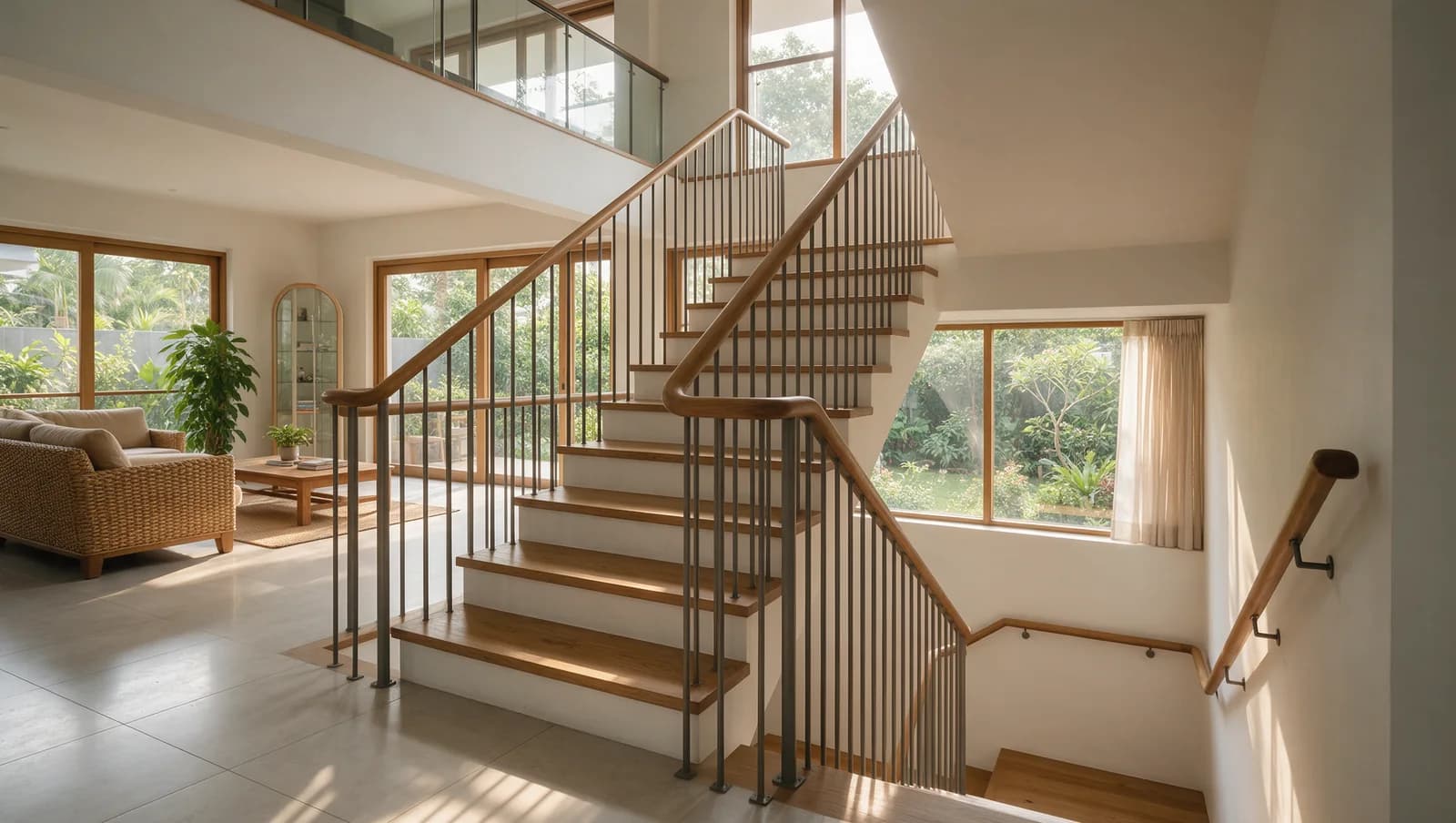
Before work starts, agree how floors and stairs will be covered, how everyone gets between floors while the stairs or rooms are blocked, and when the lift's power supply goes in. The building work and the lift installation then follow the approved plans.
Test, get the permit and hand over
The lift contractor tests the lift with the supervising Qualified Person present, and that Qualified Person applies for the Permit to Operate on the owner's behalf. The lift needs that permit before anyone uses it. At handover, ask for user instructions, who to contact in a breakdown, the records and the servicing arrangement.
From assessment to handover
Plan each stage around your home

Start with the existing conditions, measurements and access the work will need.
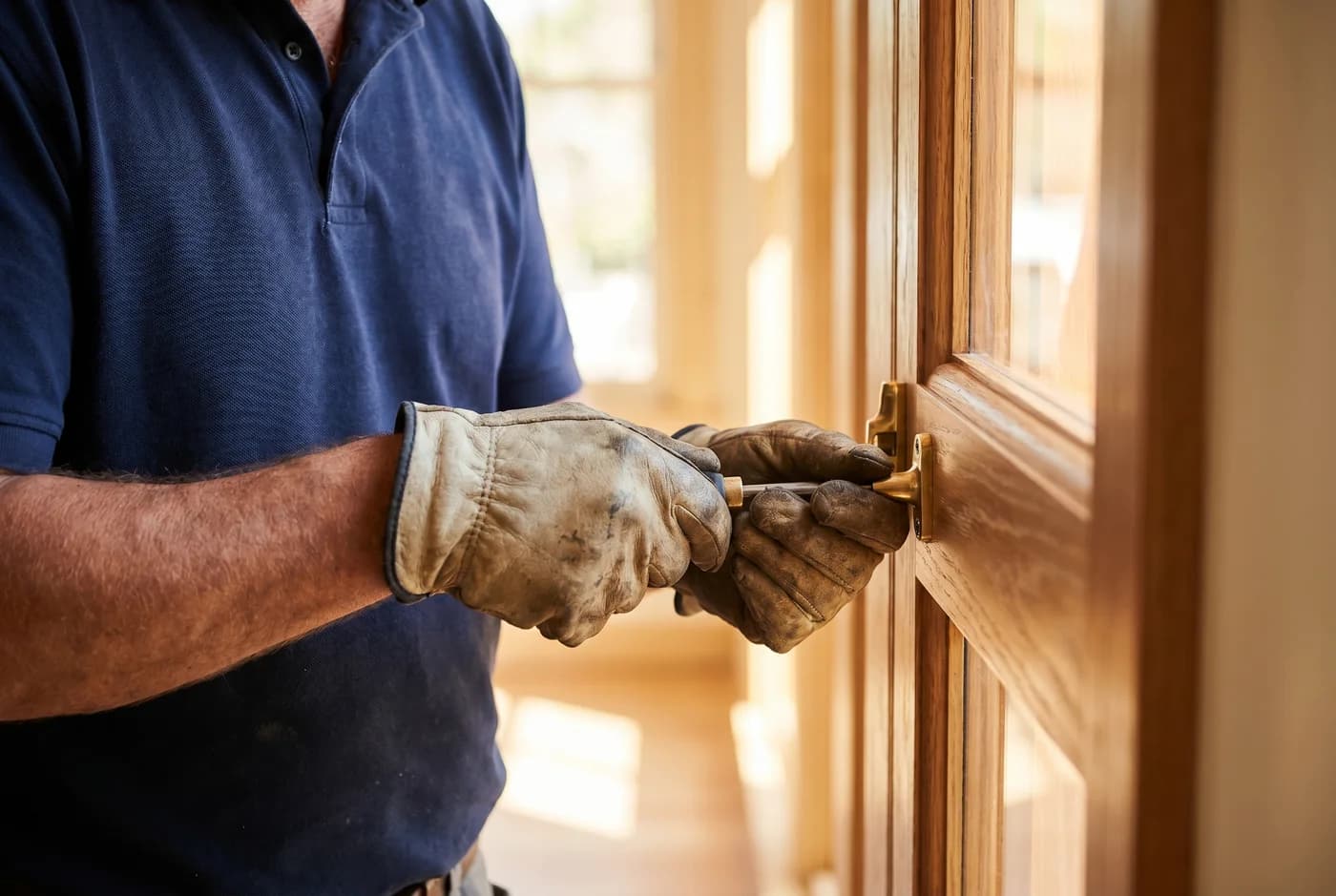
Agree which surfaces and belongings need protection before work begins.

Use the handover to record outstanding items and collect the care and service information.
Common Questions
Home Lifts FAQ
How much does a home lift cost in Singapore?
Do I need BCA approval for a home lift?
How much space does a home lift need?
What is the difference between a home lift and a platform lift?
Does a lift always need a pit or machine room?
Can I install a lift in an existing home?
What maintenance is required?
How long does home lift installation take?
Have a different question? See all FAQs or WhatsApp us
Get Started
Discuss your project
Send photos and tell us what you want to change for your Home Lifts project. We can discuss what needs checking on site before a firm scope and quote.
Your Contact Details
Resources
Home Lifts Guides
home-lifts
Buying a House with a Home Lift? What to Check First
Before buying a house with a lift, check its operating permit, maintenance history and the arrangements for taking over ownership and servicing. A comfortable test ride only shows how it performed at that moment. Records help you understand unresolved work and upcoming responsibilities before the lift becomes part of the home you own.
home-lifts
7 Things to Check Before Accepting a Home Lift Quote
Before accepting a home lift quotation, check seven parts of the cost and responsibility: the equipment and access it provides, building preparation, installation work and the remaining items detailed below. A cheaper lift is not necessarily a cheaper project. Compare all the work required for the same house and users, including what happens at handover and afterwards.
home-lifts
No-Pit Home Lifts: Can You Install One Without Digging?
A no-pit lift may avoid a conventional recessed pit, but it still needs a suitable base, entrance and space around it. Some installations use a raised platform or ramp; other models require a shallow recess. Compare the actual entrance arrangement and building work before assuming that “no pit” means no changes to the house.
home-lifts
Home lift not working? Common problems and what to do next
When a home lift won't move, beeps, jerks or has someone stuck inside, keep everyone off it, note what happened, use the alarm button if someone is inside, and leave faults and resets to the service company's technician.
home-lifts
Retrofitting a Home Lift: Hydraulic or Traction?
Retrofitting a home lift means fitting equipment and its supporting work into a finished house. Hydraulic and traction models can require different space, excavation and structural arrangements. Compare those requirements against the actual site, including access during construction and the work to restore surrounding rooms, before choosing the lift system.
home-lifts
Home Lift Now or Later? What Retrofitting Can Add to the Cost
If a home lift is part of your long-term plans, decide what to prepare while the house is already being built or renovated. Installing now, reserving suitable space and retrofitting later involve different costs and disruption. An empty corner alone is not enough preparation: the future lift also needs suitable structural support, access and services.
Where We Work
Home Lifts anywhere in Singapore
We take on landed homes across the whole island. These are the estates we get asked about most often, each with notes on the houses and the access there.
Your estate not listed? It makes no difference to us. Tell us where the house is.