D20/D26 · Premium Landed
Home Lifts in Thomson, Singapore
The Thomson corridor, stretching from Upper Thomson through Springleaf and Lentor, gained new MRT access at Springleaf and Lentor stations, and the belt mixes rebuild activity with second-generation refresh work, both of which bring lifts into the brief.
Why Thomson
Home Lifts for Thomson homes
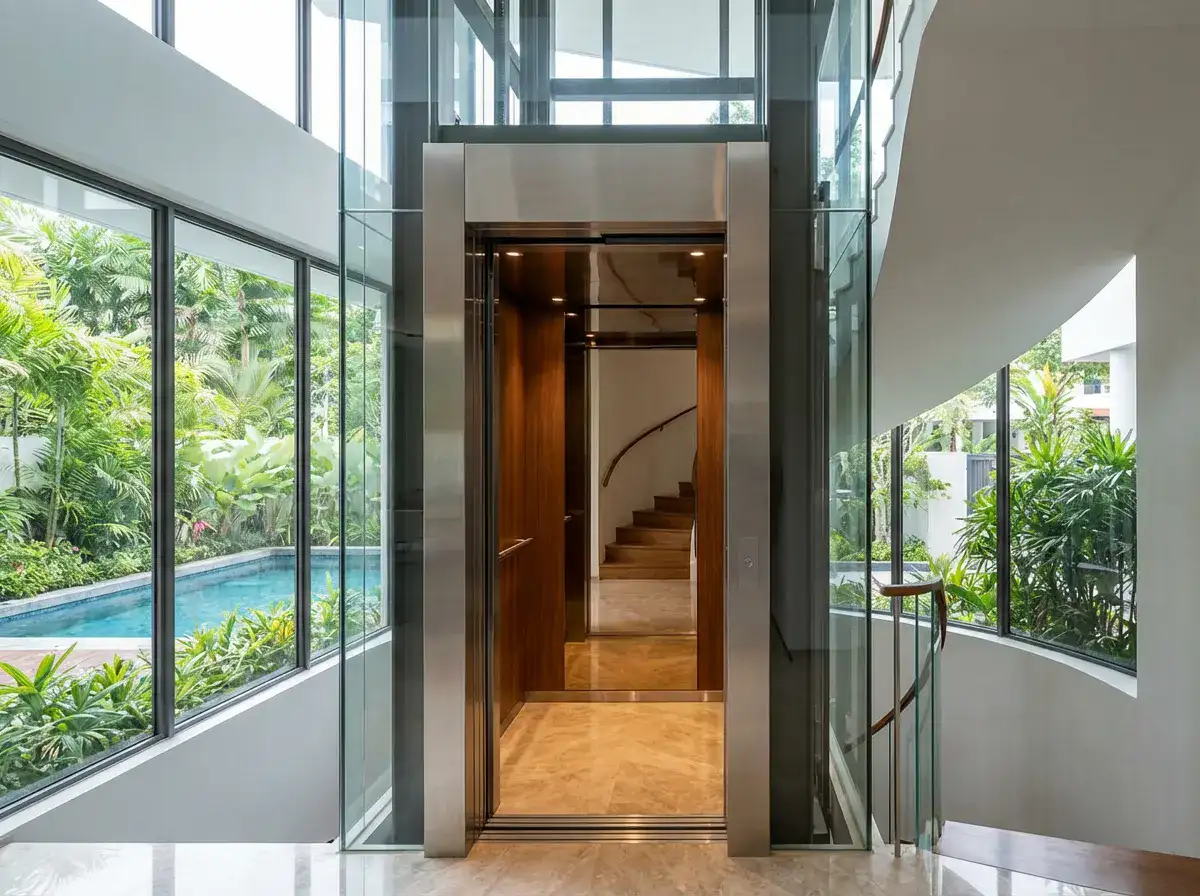
New builds in the Lentor and Springleaf clusters increasingly include lift shafts from the design stage, with 3 stops typical to serve ground, mid, and upper levels. Retained older structures are also adding retrofit lifts as second-generation owners take over and plan for elderly parents. Vacuum and traction systems both appear regularly depending on plot layout and ambition.
Mid-to-upper premium scope here. Premium traction is typical in new builds, with vacuum retrofits in retained structures. We scope each lift after a free site assessment.
On a new build here, settle the lift with the architect before structural drawings freeze: a shaft formed with the main structure is the cheap version of every later alternative. On an older Upper Thomson house, the retrofit conversation starts with which corner of the plan can host a compact shaft on every floor.
Common Questions
Home Lifts in Thomson: FAQ
How much does a home lift cost in Singapore?
Several things in your house push the price up or down. Each extra floor adds travel and another set of landing doors. Fitting a lift into an existing house means cutting new floor openings and adding supports, which a lift planned into a new build or rebuild avoids. Some lifts need a pit and a separate room for the pump, and others need neither. A cabin big enough for a wheelchair and a carer is a bigger lift with a bigger opening in every floor. On top of that come the Qualified Person's plans, BCA approval and the testing before the Permit to Operate, any new power supply the lift needs, and patching and repainting the rooms afterwards. Once the lift is running, budget for servicing at the maker's interval, or every three months if it gives none, and for the yearly inspection and test.
Do I need BCA approval for a home lift?
Yes. A lift between floors needs its plans approved by BCA before work starts and a Permit to Operate before anyone uses it. The one exemption that could apply to a lift for your household is narrow. It covers a stairlift or vertical platform lift that serves one home, travels less than 1,000 mm and pushes down with less than 150 N, all three together. A lift between two floors rises more than 1,000 mm, so it cannot use that exemption.
How much space does a home lift need?
Makers' own figures give a sense of scale. Aritco lists its HomeLift at 966 by 880 mm outside for its smallest size, rated for two people, up to 1,466 by 1,450 mm for its largest, rated for five, with what it lists as a minimum top height of 2,225 mm. Pneumatic Vacuum Elevators says its round PVE52 is 1,316 mm across and carries three people, or two if one is in a wheelchair, but warns that not every wheelchair fits and suggests trying yours in one first. Each floor also needs clear space in front of the lift doors to get in and out.
What is the difference between a home lift and a platform lift?
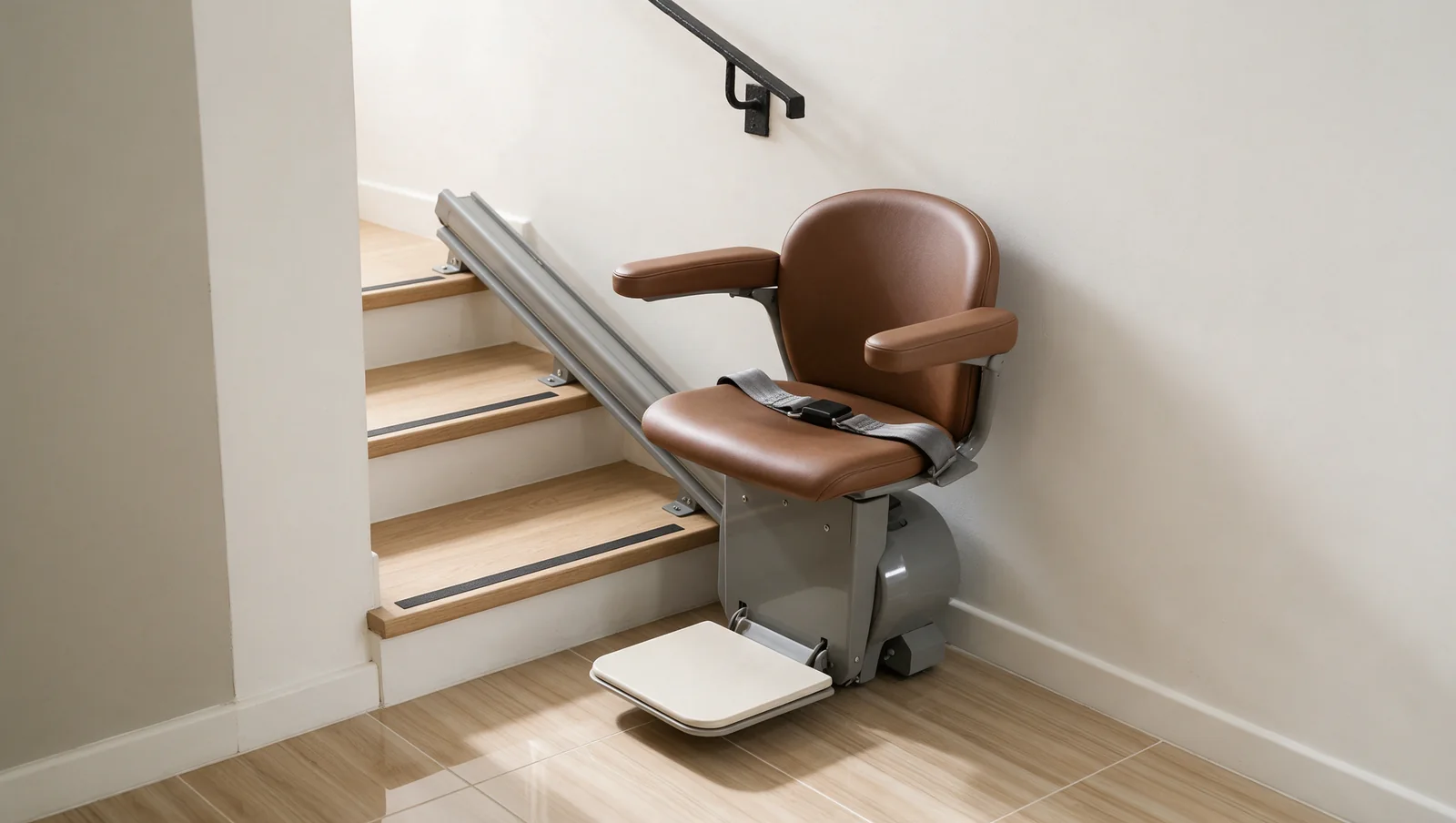
In Singapore the difference shows up in the plans BCA asks for. BCA's guide to lift plans has separate categories for traction and hydraulic lifts, built to the lift standard SS 550, and for vertical platform lifts. Each has its own plan data, such as travel height, number of stops, car or platform size, rated load and rated speed. A product sold as a home lift can be a platform lift by design. Aritco describes its range as platform lifts and lists its HomeLift at up to 0.30 m/s outside Europe, with press-and-hold controls, where you keep the button pressed for the whole trip, or one-touch controls. Ask which category the proposed lift will be submitted under.
Does a lift always need a pit or machine room?
No. Aritco says its HomeLift can sit in a 37 mm recess or stand on the floor with a ramp. Savaria says its Infinity hydraulic lift needs a separate machine room for its fluid tank and controller. Pneumatic Vacuum Elevators says its PVE52 needs no pit, hoistway or machine room. These are makers' statements about their own products, not proof that a model is sold in Singapore or approved for your house.
Can I install a lift in an existing home?
Possibly, once the structure and route between floors have been assessed. The house's original building and structural plans help most, because they show where the beams, columns and floor slabs are, which tells the Qualified Person where a new floor opening could go before anyone breaks into a floor. Without those plans, expect more checking on site first.
Have a different question? See the full Home Lifts guide or WhatsApp us.
Get Started
Free Quote for Thomson Homes
Tell us about your home lifts project in Thomson. We'll arrange a free site assessment and provide a detailed, no-obligation quotation.
Your Contact Details
Also Serving