On this page
View In PDFIf a home lift won't move, first check nobody is stuck inside. If someone is, they press the alarm button, you call the service company and nobody forces the doors. Otherwise, look from the landing for a power cut or an open door. A tripped lift breaker, beeping, a jerky ride or doors that won't shut need a technician, not a reset.
What a Faulting Lift Is Telling You
A home lift stops because it has lost power, because its safety system is holding it still while something isn't right, or because something has failed. From the landing, a lift stopped on purpose and a lift with a worn part or a control fault can look exactly the same. The symptom alone can't tell you the problem is minor or that the lift is safe to try again.
So until the cause is known, treat the lift as out of use. Keep everyone off it, and if others in the house might call it, leave a note at each landing. Don't open panels, reach into door tracks or switch the power off and on to see whether it recovers. Close checks of the doors, sensors and machinery start with the lift powered off and secured, which is why they belong to the technician and not the household.
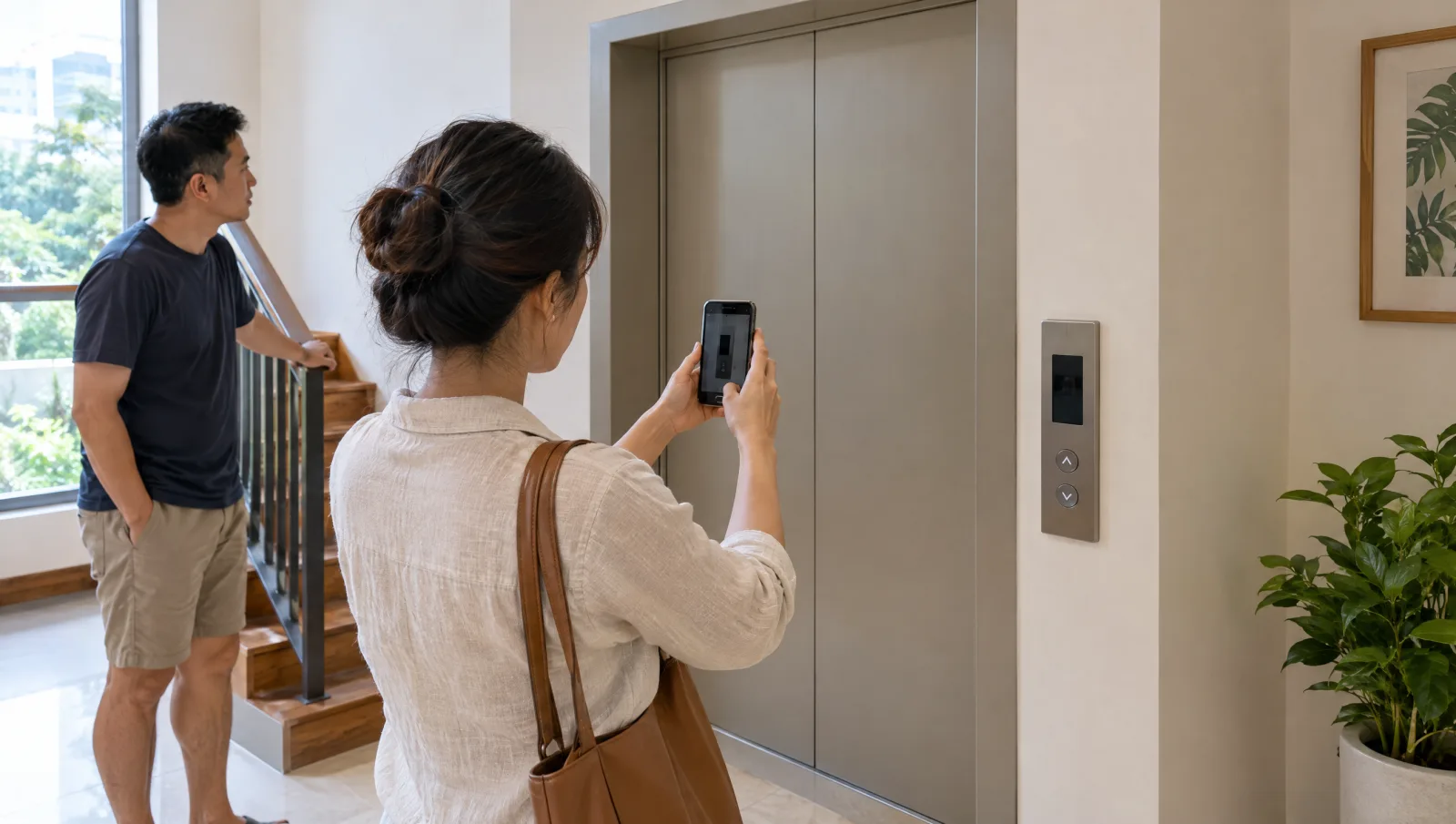
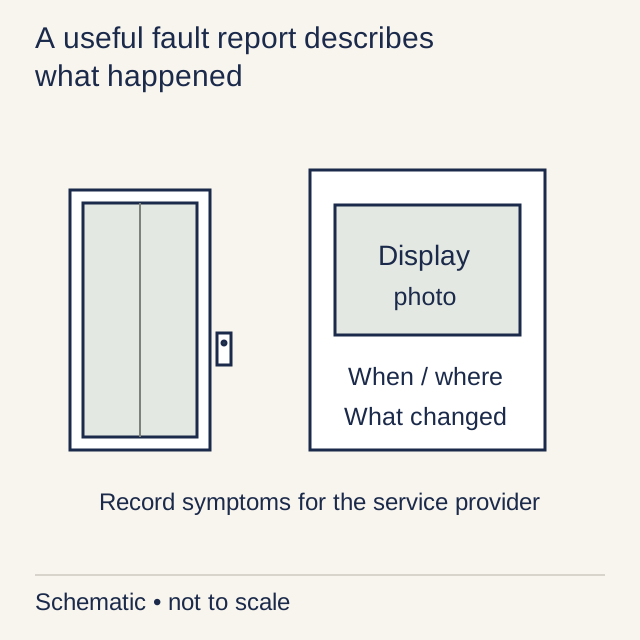
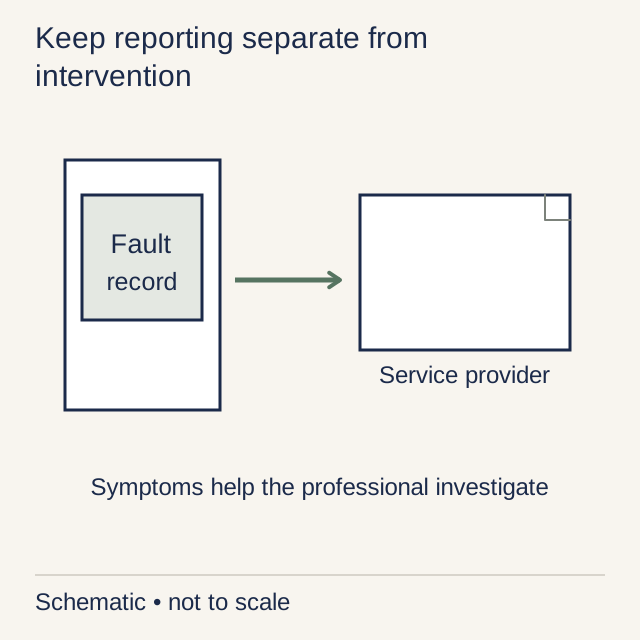
What does help is a short note of what happened. Write down the floor the lift was at and which way it was going, whether anyone was inside, what the display showed, any sound, and whether the household power went off at the same time. A phone photo of the display, taken from the landing, saves describing a code from memory. Give that note to the company that services the lift. It won't tell you the cause, but it helps their technician find it.
The rules also decide who works on the lift. BCA's rules for lifts and escalators say a lift serving a single home is serviced on its maker's schedule, or every three months if the maker gives none, by a BCA-registered service contractor, and is inspected and tested every year; a lift also needs a valid Permit to Operate before its owner can use it. So a reset or repair should come from that registered contractor's technician. There is one exception you might fall into. A ministerial exemption order takes a stairlift or vertical platform lift outside these rules when it serves a single home, rises less than 1,000 mm and pushes down with less than 150 newtons as it descends. That can cover a short wheelchair platform beside a few steps, not a lift that climbs a full storey. Even then, we recommend leaving faults and resets on an exempt lift to a trained lift technician, because the order lifts the permit and servicing rules, not the risk. Our guide to what BCA requires for a home lift sets out the rest.
The Lift Has Stopped Completely
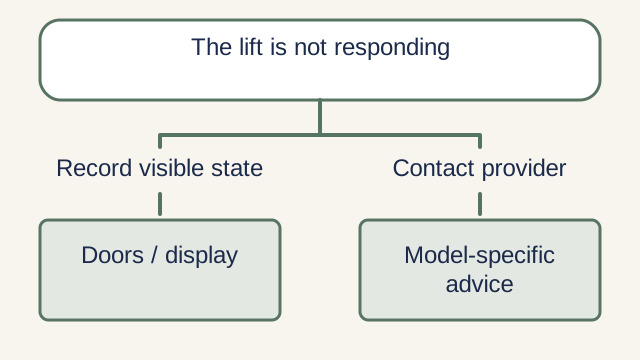
If the lift stops and won't respond, first find out whether anyone is inside. If someone is, follow the steps for when someone is trapped straight away. If the lift is empty, look without touching anything, and note whether the household power is off, the lift's display is dark, a landing door is open or not quite shut, something is resting against the edges of the platform, or a code is showing. Don't reset a tripped breaker, open the controller or keep pressing the call button to see whether it moves.
Several of those causes are the lift protecting people. Cibes' user guide says its lifts won't start while a landing door isn't closed and locked, a safety edge or safety bar is pressed, the red emergency stop is pushed in, the lift is carrying too much weight, or the batteries need recharging after a long power cut. Aritco's lifts also stop when something comes between the platform and the shaft wall, and their control panel can be locked with a key, with a key symbol showing when it is locked. If one of these plainly explains the stop, your model's user guide says what an ordinary user may do, such as closing a landing door properly. If none does, or the lift stops again, report it.
If the power goes off
A power cut stops a home lift's normal running, and what happens next depends on the model. Cibes describes battery-powered emergency lowering, in which a passenger presses any control button and the lift travels slowly down to the next landing below. The door then opens, and the lift stays out of service until the power is back. Its emergency light and phone keep working for up to an hour, and after a long cut its battery has to charge for a day before the lift runs again. Aritco says a spare battery takes its lift to the nearest floor if a power cut stops it between floors, and that the battery is kept from running flat while the house power is off. In neither maker's description does the battery keep the lift in normal use; it is there so people can get out.
Lowering the lift from outside is a different matter. Aritco includes an emergency control on a service panel outside the lift, and Cibes' guide says emergency lowering and manual door opening from outside can only be done by trained personnel. If someone is inside and the battery lowering hasn't brought them to a landing, that is a rescue for the service company, not a job for the family. Ask your service company now, before you need it, what your model does in a power cut and whether its battery is checked at each visit.
Doors That Hesitate, Reopen, or Won't Close
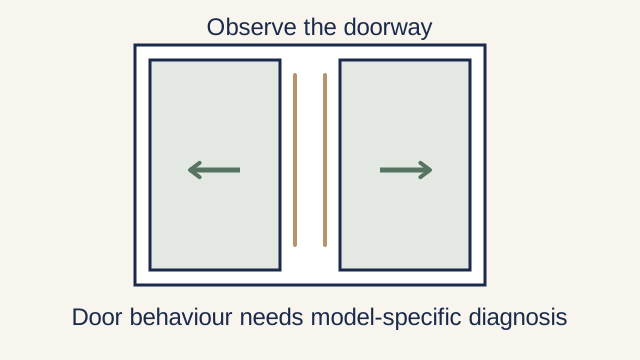
A door that reopens can be the lift doing its job. Aritco's powered doors sense an obstacle and reverse, then try again slowly where they met it. Cibes' user guide is just as plain that its lift can't move while a landing door is open. So a door that keeps reopening may be reacting to something in the doorway, to a sensor that needs attention or to a mechanical fault, and the symptom alone doesn't tell you which.
Keep people, bags and pets clear of the doorway, and note which landing it happens at, whether the door stops at the same point each time, and whether the lift then refuses to move. Don't push or hold the door, reach into its track or wipe at a sensor. The same guide warns that forcing its automatic doors damages them so that parts must be replaced. Adjusting door sensors, timing, locks and rollers is the technician's work.
A door that closes on the third try hasn't fixed itself. Report a door that keeps hesitating or reopening even when the doorway looks clear, because the technician needs the pattern, not the one good close.
Jerky Rides, Strange Noises, and Error Codes
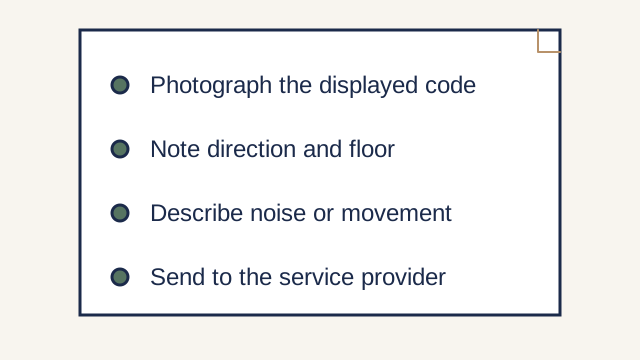
Stop using a lift that starts to jerk, shudder, grind, stop short of the floor or make a noise it didn't make before, and tell the service company. Cibes' guide tells owners to contact their maintenance company if the lift starts making strange noises, and not to use the lift if it behaves abnormally. The drive, the guide rails, the doors and the controls can all produce similar jolts and sounds, whichever of the main types of home lift you have, so how slight a shudder feels says nothing about how safe the lift is.
Describe the noise as well as you can, whether it's a grind, a knock or a squeal, where it seems to come from, and whether it happens going up, going down or both. Don't make test trips to bring it back for the technician; describe the last ride that did it.
Error codes belong to one make and model. The same maker's guide tells owners to pass a message on the landing display to their technician for diagnosis, and a code explained on a forum for another brand may mean something different on yours. Photograph the display from the landing and send the photo, without trying to clear the message first.
When Someone Is Trapped, and When to Stop Self-Checking
If someone is stuck inside, they press the alarm button, and you call the company that services the lift and tell them someone is inside. BCA's lift safety advice for anyone trapped is to press the alarm button and wait for help, to use the emergency number, and not to try to pry the doors open. Talk to the person through the door to keep them calm, and don't force the doors, help them climb out or work any lowering control from outside. On some home lifts the alarm button makes the call itself. Aritco connects it to a pre-programmed number, and on Cibes lifts with built-in communication, holding the yellow alarm button for 10 seconds starts the emergency call.
BCA's guide for lift owners gives the owner's side of this. Inform the lift service contractor, tell the trapped person to stay calm and wait for help, and don't try to free them yourself. Where someone is hurt or a safety part has failed, the same guide says to contact SCDF if the contractor can't carry out the rescue. Don't wait for the service company if there is fire, smoke, a medical emergency or immediate danger; contact emergency services straight away.
Keep everyone away if there is smoke, a burning smell, water getting into the lift, a damaged door or electrics that keep tripping. Don't enter the shaft, pit or machinery space. Cibes' guide asks owners to know where the lift's power supply is so they can switch it off in an emergency, and to switch it off and call the maintenance company if water gets into the lift. Switching off is where the household's part ends. The technician finds the fault and decides when the lift can go back into service.
Some incidents also have to be reported to BCA within 6 hours of first knowing or reasonably suspecting that one has happened. The 2025 reporting rules list them, and for lifts they include anyone hurt in an incident connected with the lift's operation, fire or smoke from the lift, a failed door interlock (the device that stops the lift moving unless every door is shut and locked) and the car rising or falling suddenly out of control. Unless the lift is one of the exempt lifts described above, the duty falls on the lift's owner or the firm that last serviced it, and neither needs to report once they know the other has done so with the full details. The owners' guide also asks for a lift involved in an injury or a safety part failure to be shut down and cordoned off, so tell the service company at once and agree who makes the report.
Keep Servicing Current and Report Recurring Faults
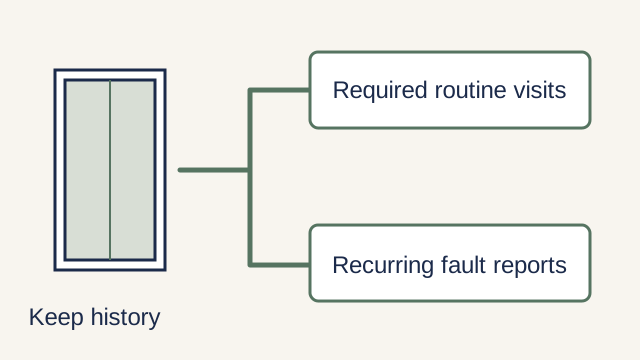
Regular servicing can find wear before it turns into a stop, but it doesn't promise that a lift will never break down. Keep the service reports, report a fault that comes back after a visit, and ask for a maintenance contract that spells out routine visits, the yearly inspection, call-outs and parts, so you know what a breakdown will cost before it happens.
If you've bought a house with a lift already in it, find out the model, the Permit to Operate status and who services it before anyone relies on it, and ask for the service and fault records and the emergency contact. Our checklist for buying a house that already has a home lift goes through those records.
DirectHome arranges new home lift installations and isn't an emergency service, so during a fault, call the company on your maintenance contract. If repeated faults have you weighing a new lift, the home lift buying guide covers the choices, and we offer a free site assessment followed by a fixed-price quote within 3 to 5 working days.
Common questions
Why does my home lift beep but not move?
The sound means different things on different models, so check your lift's user guide and tell the service company what you heard. On a Cibes lift, an alarm with the panel buttons flashing means the lift is carrying too much weight, a flashing call button means its batteries need recharging after a power cut, and pressing the alarm button sounds an alarm too. Note the sound, any code and what happened just before, and don't bypass a control to make the lift move. If you can't explain the beeping, stop using the lift and report it.
Is it safe to reset a home lift myself after it stops?
No. Leave resets to the technician, and don't switch the lift off and on at the breaker, follow reset steps from a forum or open the controller. Some lifts reset themselves. Cibes says that when its lift's lights are flashing, the lift is resetting and will resume in two minutes. If yours doesn't come back by itself, the service company's technician resets it after finding why it stopped, because a reset can clear the sign of a fault without fixing it.
What should I do if someone is trapped inside a home lift in Singapore?
The person inside presses the alarm button, and you call the lift's service company and say someone is inside. Keep talking to them through the door, and don't force the doors, help them climb out or work any lowering control yourself. If there is fire, smoke, a medical emergency or immediate danger, contact emergency services at once.
How do I know whether a home lift fault is DIY or needs a technician?
Your part is looking and noting from a safe place, plus the everyday use your model's user guide describes, such as closing a landing door properly. Anything inside panels, the shaft or the machinery, any wiring, door lock, brake or sensor, and any reset belongs to the technician, and close checks start with the lift powered off and secured. If a stop has no visible cause or happens again, report it rather than trying the lift again.
Why has my home lift become noisy or jerky recently?
Several different faults can cause a new noise or a jerky ride, so the symptom doesn't identify the part or prove that a service visit alone will fix it. Stop using the lift and tell the service company. Describe the direction, the floor and the kind of sound from the ride that did it, rather than making test trips to bring it back.
Home Lifts across Singapore
Need help with your project?
Tell us what you need on WhatsApp and send a few photos. We'll arrange a free site assessment, then give you a fixed-price quote within 3 to 5 working days.