On this page
View In PDFInstalling a stairlift in an HDB maisonette requires planning around the staircase, the rider and the applicable approval process. Confirm the proposed arrangement before ordering, including access for other occupants and the space needed at each landing. Keep the installation and approval records with the equipment instructions for future maintenance and ownership changes.
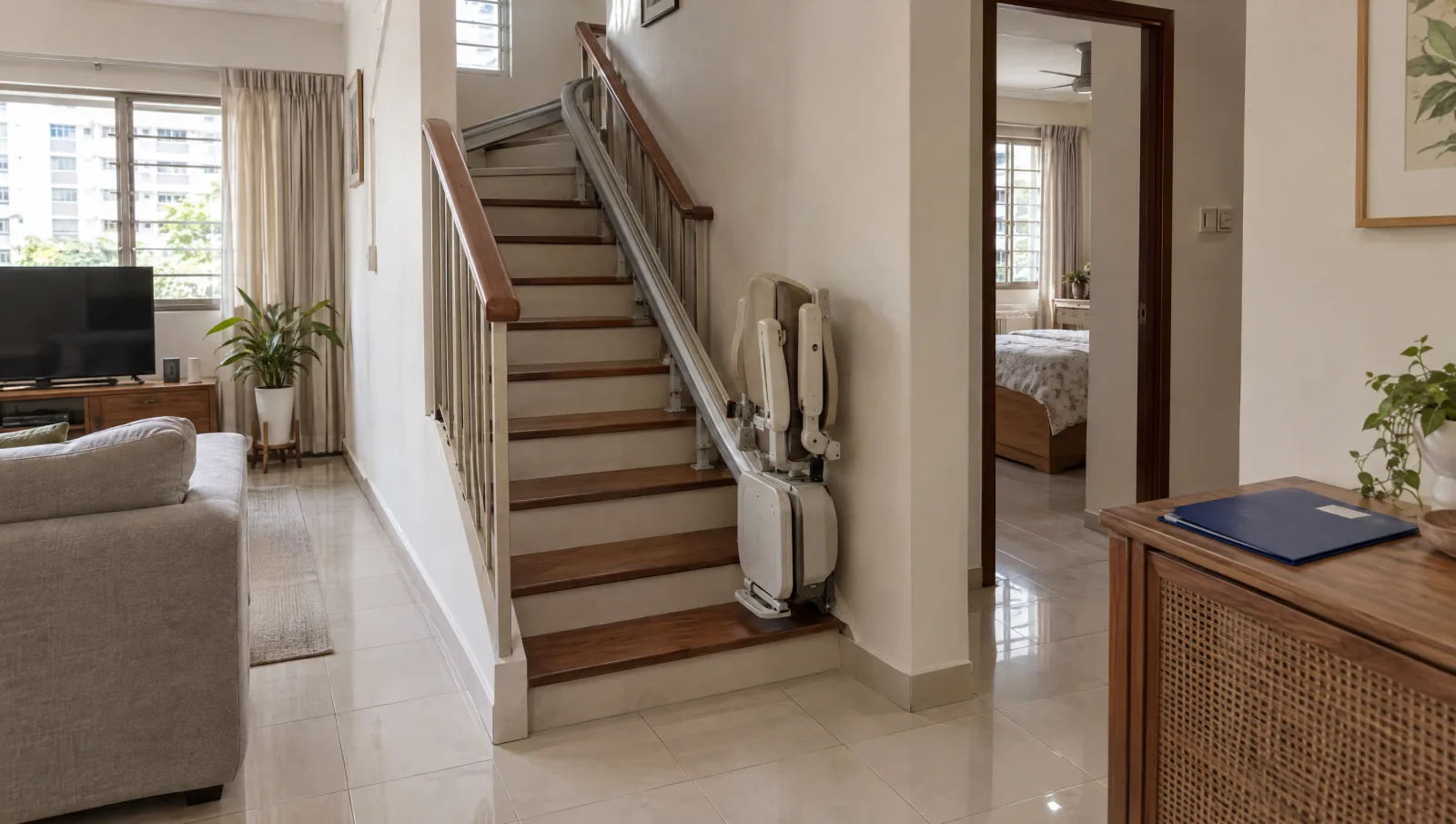
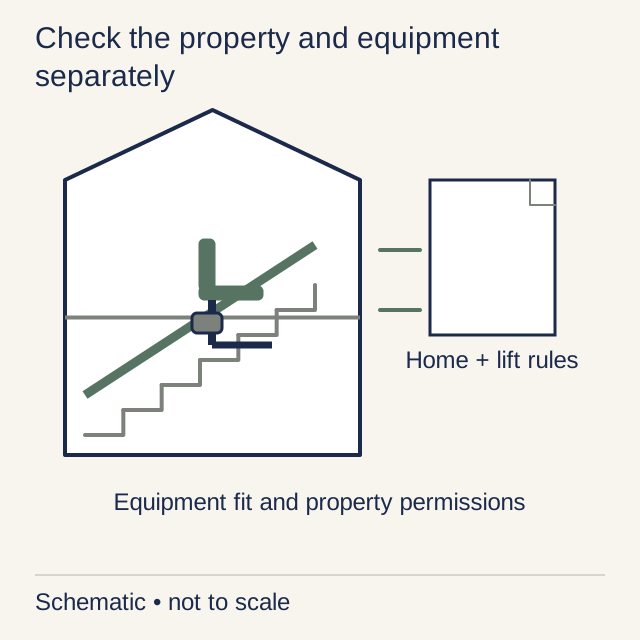
The Maisonette Question Most Families Actually Have
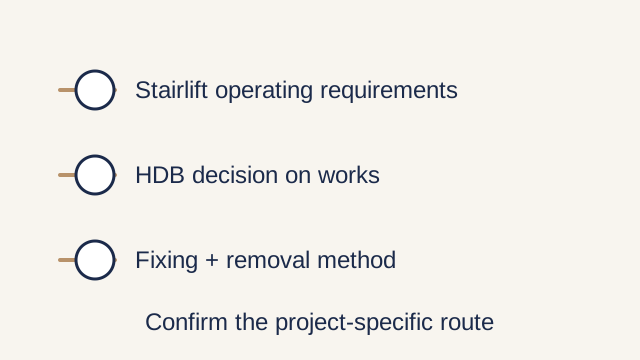
An HDB maisonette stairlift needs both a workable staircase layout and the right permissions. The internal stairs belong to a home with HDB renovation conditions, while the lift has separate BCA operating requirements. Resolve those matters before ordering so the rail, fixings and any later removal are part of an agreed installation.
A rail-mounted stairlift may avoid the shaft construction associated with a home lift, but a compact installation is still a regulated lift. For a maisonette, settle three things before ordering: the BCA operating requirements, HDB's decision on the proposed installation works, and the fixing and removal method for your particular staircase. Battery power or tread mounting does not remove those checks.
Do You Need HDB Approval for a Stairlift?
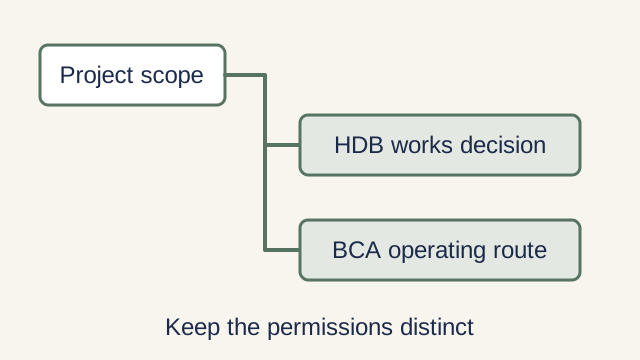
A stairlift needs a valid BCA Permit to Operate (PTO) before it is used. BCA's stairlift owner reminder, updated 24 August 2026, also requires BCA-registered contractors for installation and maintenance. The owner is responsible for the PTO. Ask the proposed contractor to show its registration and explain who will arrange the PTO before handover.
HDB renovation permission is a separate question. HDB says owners must seek approval before starting renovation items that are absent from its guide, or whose measurements or technical details differ from the guide. Its published staircase table does not provide a stairlift-specific exemption. Send HDB the proposed rail layout, fixing details and any changes to the stair or railing, and obtain its written decision and any required approval before installation.
Building-work approval is also distinct from the PTO. For example, HDB's staircase table requires a Professional Engineer and BCA approval followed by an HDB renovation permit for specified balustrade or safety-barrier work where the vertical drop is at least 1 metre. Those are examples of associated works, not a blanket submission rule for every stairlift. Have the installer identify the full scope so the required permissions are settled before you commit.
How the Rail Fixes Into an HDB Maisonette Stair
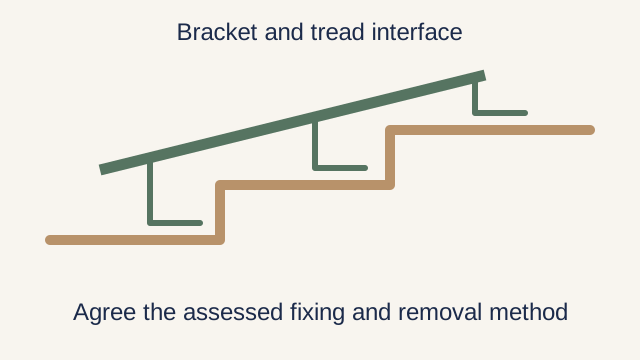
For a proposed tread-mounted rail, the survey needs to establish what lies beneath the stair finish and how the brackets will be anchored. Do not assume that drilling into a tread cannot affect structure: HDB includes executive-maisonette staircases in its list of structural members that must not be hacked or removed. The fixing method needs to suit the actual stair and the permitted work.
Ask the installer to document the anchor positions and depths, the condition of the treads and finishes, and the remaining space for walking and getting on and off the seat. If a railing or safety barrier must change to make room, flag that in the HDB submission. Agree how fixings would later be removed and finishes repaired; a clean removal with only patchable holes should not be promised before the stair and installation method have been assessed.
A change of direction or pitch may require a curved rail rather than one straight rail. The survey should follow the whole route, including safe transfer and parking spaces. Do not select a rail type from the flat's maisonette label; the staircase and user's needs determine the arrangement.
Cost in a Maisonette, and the Scope of EASE Support
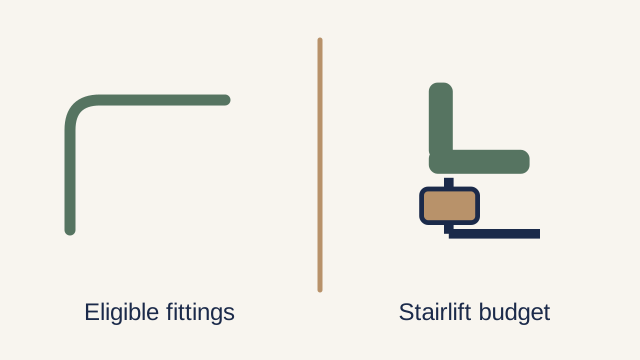
The rail route, seat functions, fixing work and required operating arrangements determine the stairlift quotation. Compare the measured installation rather than a generic straight or curved price band. Include any permitted changes to finishes or railings, electrical work, first service arrangements and the cost of later removal if relevant.
HDB EASE covers specified improvements for eligible households. Its wheelchair-lifter option concerns eligible multi-step flat entrances; it should not be read as funding for a stairlift between maisonette floors. Check the precise proposed equipment and application conditions with HDB before putting a subsidy into the purchase budget.
Treat other approved EASE improvements separately from the stairlift proposal. Grab bars, ramp work or other listed items may address different parts of the household's access needs. A scheme's support for one item is neither approval for the stairlift installation nor a promise to reimburse its cost.
What Happens to the Stairlift at Resale
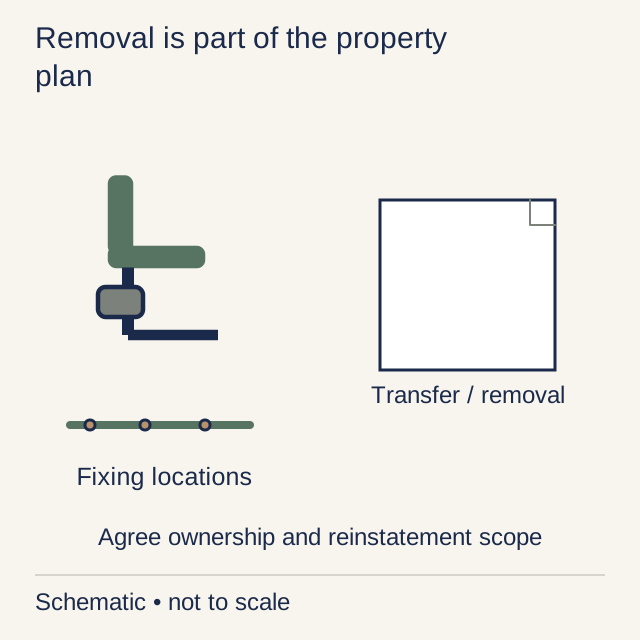
Keep the HDB correspondence and any approvals, the installation details, and the PTO and maintenance records for a future sale. HDB's resale inspection checks for unauthorised renovation works, which must be rectified before completion. It does not certify the safety of every fitting or compliance with other legislation. A buyer's agreement to keep a stairlift does not settle those separate requirements.
Decide with the buyer whether the stairlift will remain, then ask the BCA-registered contractor and HDB what is needed for the agreed arrangement. If it will be removed, get the dismantling and reinstatement scope in writing, including repairs to the treads and finishes. If it will remain, confirm the operating and maintenance arrangements before the buyer uses it.
If you hope to sell or reuse the equipment later, obtain the provider's terms before purchasing. Rail reuse depends on the new route, condition and supported configuration. Removal has its own labour and reinstatement costs; an expected resale value should not be treated as guaranteed money back.
How DirectHome Helps With a Maisonette Stairlift
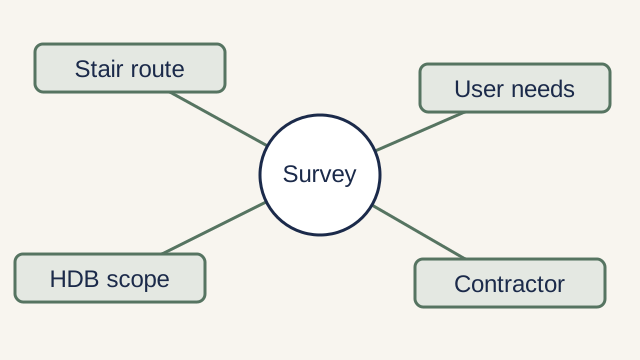
For an initial stairlift discussion with DirectHome, bring photographs of the full flight, turns and both landings, together with the user's boarding needs. Include any HDB correspondence already obtained. This helps keep the equipment discussion connected to the proposed building work.
A measured survey must establish the rail arrangement and permitted fixings. The appointed contractor should identify the operating paperwork, installation scope and maintenance arrangements in its proposal. Do not treat preliminary photographs or an indicative equipment price as permission to drill into the staircase.
If the layout cannot support a usable installation, discuss other ways to give the resident access to a bedroom and bathroom. The point is to solve the daily movement through the home, which may include changes to living arrangements as well as equipment.
Frequently asked questions
Do I need HDB permission to install a stairlift in a maisonette?
Seek HDB's written decision on the proposed installation before work starts. Its renovation terms require prior approval for items absent from the guide or with different technical details; its staircase table does not give a general stairlift exemption. Separately, BCA requires a valid Permit to Operate before use and BCA-registered installation and maintenance contractors. A PTO does not replace any required HDB or building-work approval.
Will a stairlift damage my HDB maisonette staircase?
A no-damage guarantee would be premature. The survey must establish the stair substrate, fixing positions and depths, tread condition and remaining access space. HDB lists executive-maisonette staircases among structural members that must not be hacked or removed. Agree the permitted fixing method and the removal and repair scope in writing before drilling.
Can I use the EASE grant towards a maisonette stairlift?
Do not assume EASE will fund an inter-floor maisonette stairlift. HDB's listed wheelchair-lifter provision concerns eligible multi-step entrances and has its own conditions. Ask HDB to confirm the exact proposed item before committing on the expectation of a subsidy; other EASE improvements can be considered separately.
What happens to the stairlift when I sell the maisonette?
Keep the approvals, installation details, PTO and maintenance records. HDB requires unauthorised renovation works to be rectified before resale completion, and its inspection does not certify every fitting's safety or compliance. Agree retention or removal with the buyer, then confirm the necessary steps with HDB and the BCA-registered contractor. Do not assume removal will only require patching small holes.
Does a maisonette stairlift need a straight or curved rail?
The route determines it. One uninterrupted straight flight may suit a straight rail; turns or changes of pitch may need a curved arrangement. Boarding and parking positions also matter. Have the actual staircase surveyed before ordering rather than assuming all maisonettes use the same design.
Stairlifts across Singapore
Need help with your project?
Tell us what you need on WhatsApp and send a few photos. We'll arrange a free site assessment, then give you a fixed-price quote within 3 to 5 working days.