On this page
View In PDFIf a lift will be close to a bedroom, consider where sound and vibration can travel before fixing the layout. Hydraulic and traction systems differ, but the particular model, equipment location and building connections also matter. Ask how the proposed installation addresses nearby sleeping spaces and, where possible, hear a comparable lift operating.
Why noise and vibration deserve their own conversation
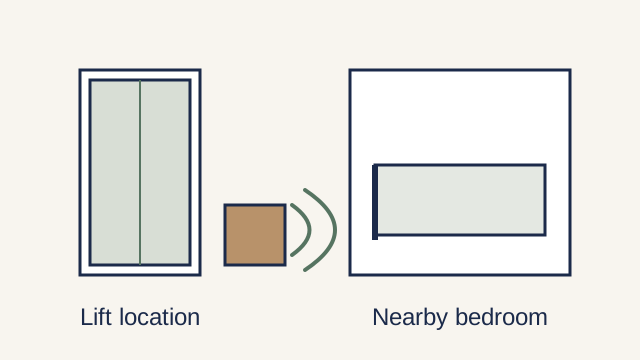
A home lift's noise depends on the equipment and the building around it. Hydraulic and traction describe how the cabin moves; neither word tells you how loud the finished installation will sound from an upstairs bedroom. Compare the actual models, then look at where their machinery and supports will sit relative to the rooms you use.
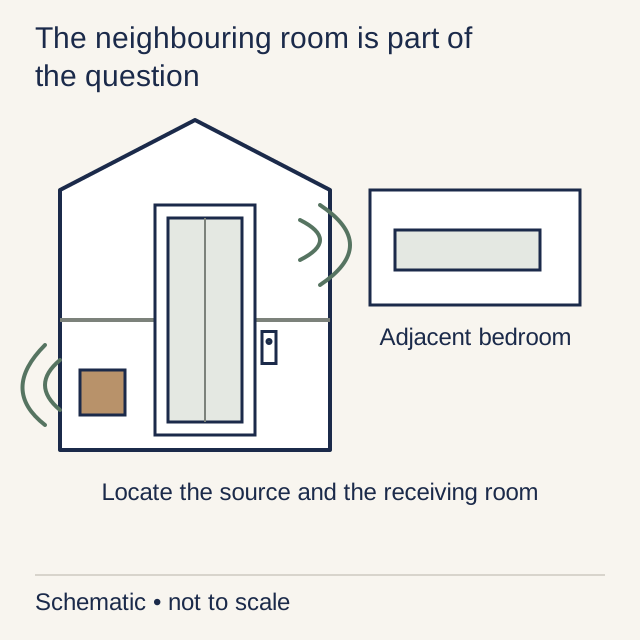
There are two routes for sound to reach you. Airborne noise passes through openings and separating walls. Vibration travels through connected building parts and can make those parts radiate sound into another room. A lift that seems quiet during a cabin demonstration may therefore be more noticeable beside its power unit or shaft at home.
How a hydraulic drive sounds and feels
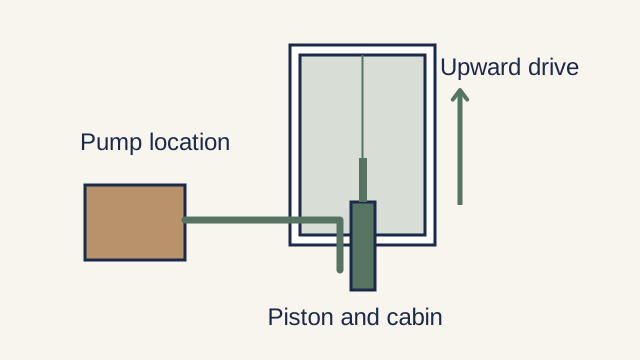
In a conventional hydraulic lift design, a motor-driven pump sends oil to a cylinder to raise the cabin. Controlled oil flow allows descent. The power unit can produce motor and pump noise, particularly during ascent; valves, doors and guide components can contribute their own sounds. The equipment layout determines whether the source is near a living room, a bedroom or a less sensitive space.
Mounting matters because vibration can pass from the power unit through its supports into the building. Isolating a suitable component can reduce that route, but rigid pipework or other connections can bypass the isolation. The designer needs to consider the connected installation rather than simply adding a pad beneath the pump.
Do not assume every hydraulic lift runs at one speed or makes the same stopping movement. Travel speed, levelling and control design belong to the selected model. A new shudder, drift or uneven landing is a fault to report to the maintenance contractor, not a normal 'hydraulic settle' that the household should learn to accept.
How a traction MRL drive sounds and feels
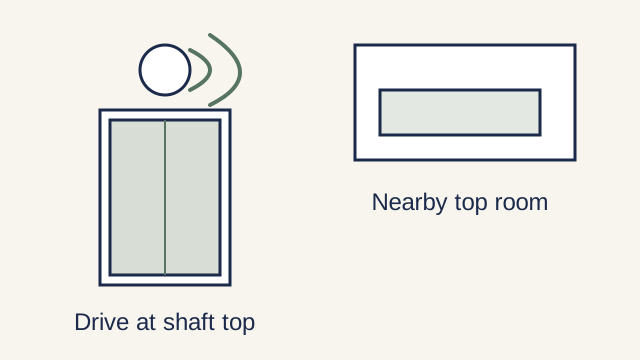
A traction lift moves the cabin using suspension ropes or belts driven by a machine. Many designs use a counterweight. In a machine-room-less installation the machinery is accommodated within the shaft, but its precise position and support arrangement vary. Locate it on the installation drawing before deciding which bedroom is closest to the sound source.
Motor operation, braking, guides and doors can all contribute to what occupants hear. A counterweight does not guarantee a silent or smoother ride, and traction is not universally faster than hydraulic. Compare the specified travel speed and experience the start, ride and stop on the proposed equipment where a demonstration is available.
Why the Singapore landed plot changes the calculation
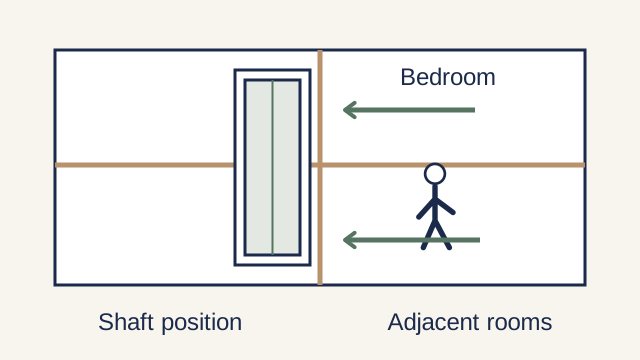
The important feature of a terrace is the distance between the lift and occupied rooms, together with how their structures connect. A shaft beside a party wall deserves particular attention. A detached house can have the same problem if the machinery sits next to a bedroom; a larger plot does not automatically isolate the sound.
Mark the beds, study areas and adjoining walls on the proposed layout. Consider when the lift will run as well as where it sits: a trip after everyone has gone to sleep may be more noticeable than the same trip during the day. This gives the design team a clear reason to assess the rooms around the shaft.
What to specify before the shaft is built
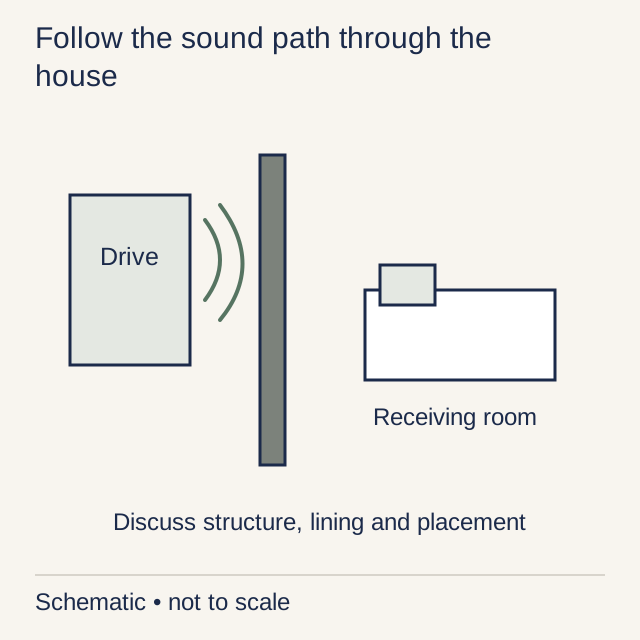
Settle the machinery location, support details and room separation before building the shaft. Ask what acoustic treatment is proposed and which contractor will install it. Any lining must remain compatible with the lift's fire, clearance, ventilation and maintenance requirements; filling spare space in a shaft is not a homeowner soundproofing job.
A sound-level figure is useful only with its measurement conditions. Ask where it was measured, how far from the source, during which movement and with what background sound. Cabin data cannot by itself predict the level in your bedroom, and a showroom installation has different walls and supports from your home.
If noise is a deciding factor, include an agreed assessment at handover from the relevant rooms, with the lift completing its normal movements. Bring the proposed lift location and nearby room layout to a home lift discussion with DirectHome. They make the acoustic question concrete before the enclosure and supports become expensive to change.
Frequently asked questions
Is a hydraulic or traction home lift quieter for a bedroom-adjacent shaft?
Neither drive type is always quieter beside a bedroom. Compare the actual machinery location, its supports, the wall construction and any shared structural connections. Listen to the proposed model if possible and ask how its installation will limit sound reaching the room, rather than relying only on a cabin sound-level figure.
Can shaft construction reduce home lift noise after the lift is chosen?
Construction can reduce some transmission paths, but treatment must suit the lift and the building. Support isolation, machinery location and room separation are design questions. Plan them before construction; a later fix may be possible, but its cost and effectiveness depend on the source and access.
Why is home lift noise more of an issue in Singapore terrace houses than bungalows?
Closely spaced rooms and shared structural connections can make lift noise more noticeable. That is a layout issue rather than a rule about house type. A bungalow with machinery beside a bedroom also needs acoustic consideration.
Should a hydraulic home lift noticeably settle at every stop?
Do not accept a new shudder, drift or uneven landing as a harmless feature of hydraulic lifts. Report the movement and where it occurs to the maintenance contractor, and follow its instructions about taking the lift out of use. Levelling performance should be assessed for the actual equipment.
Home Lifts across Singapore
Need help with your project?
Message us on WhatsApp and we typically reply within 2 hours, then arrange a free site assessment and a no-obligation quote.