Blog
Blog
Practical articles on costs, maintenance and renovation decisions for landed homes in Singapore.
147 articles
Safer Stairs for Children and Older Parents: A Practical Guide
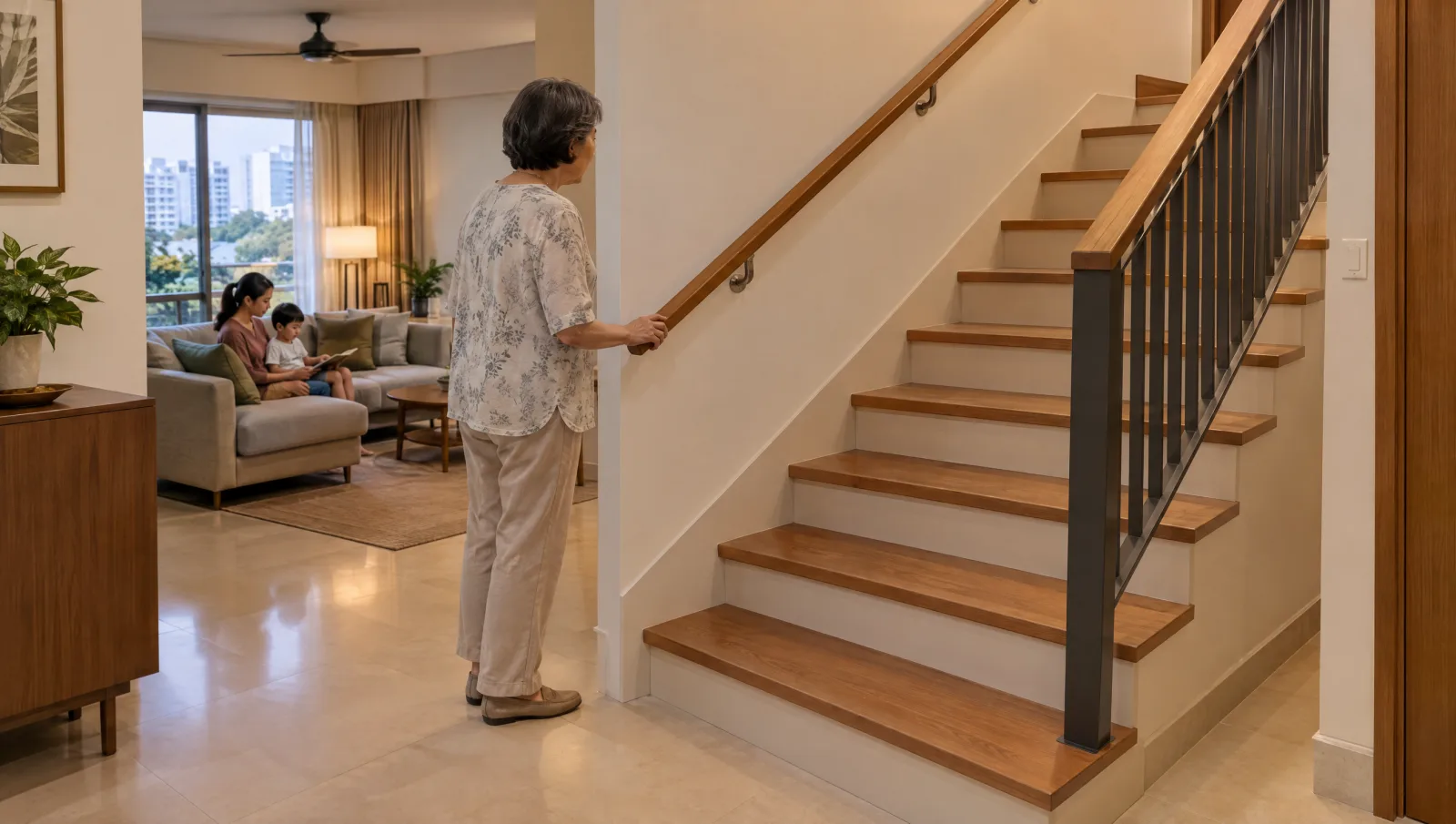
Children and older adults use the same stairs differently. A small child needs protection from unsafe access, while an older parent may need an easier grip, clearer step edges or better lighting. Plan those improvements together around the actual staircase so helping one family member does not create an awkward route for another.
Perch Stairlifts: An Option When Sitting Is Difficult?
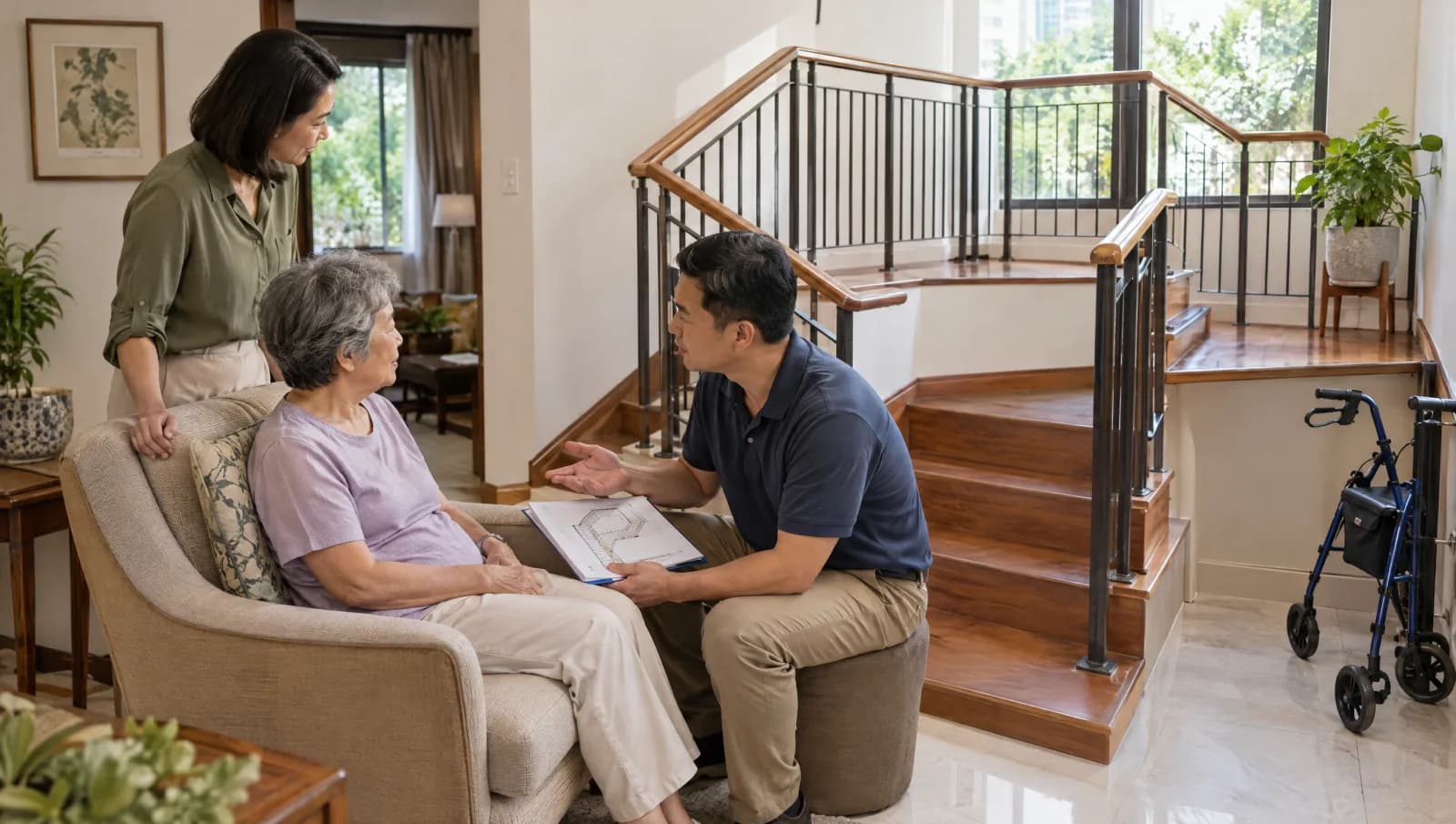
A perch stairlift supports a more upright position and may suit some people who find sitting low or bending their knees difficult. It also asks different things of balance and body control. Arrange an individual assessment and demonstration before choosing it, so the rider's comfort, support and ability to get on and off are considered together.
Retrofitting a Home Lift: Hydraulic or Traction?
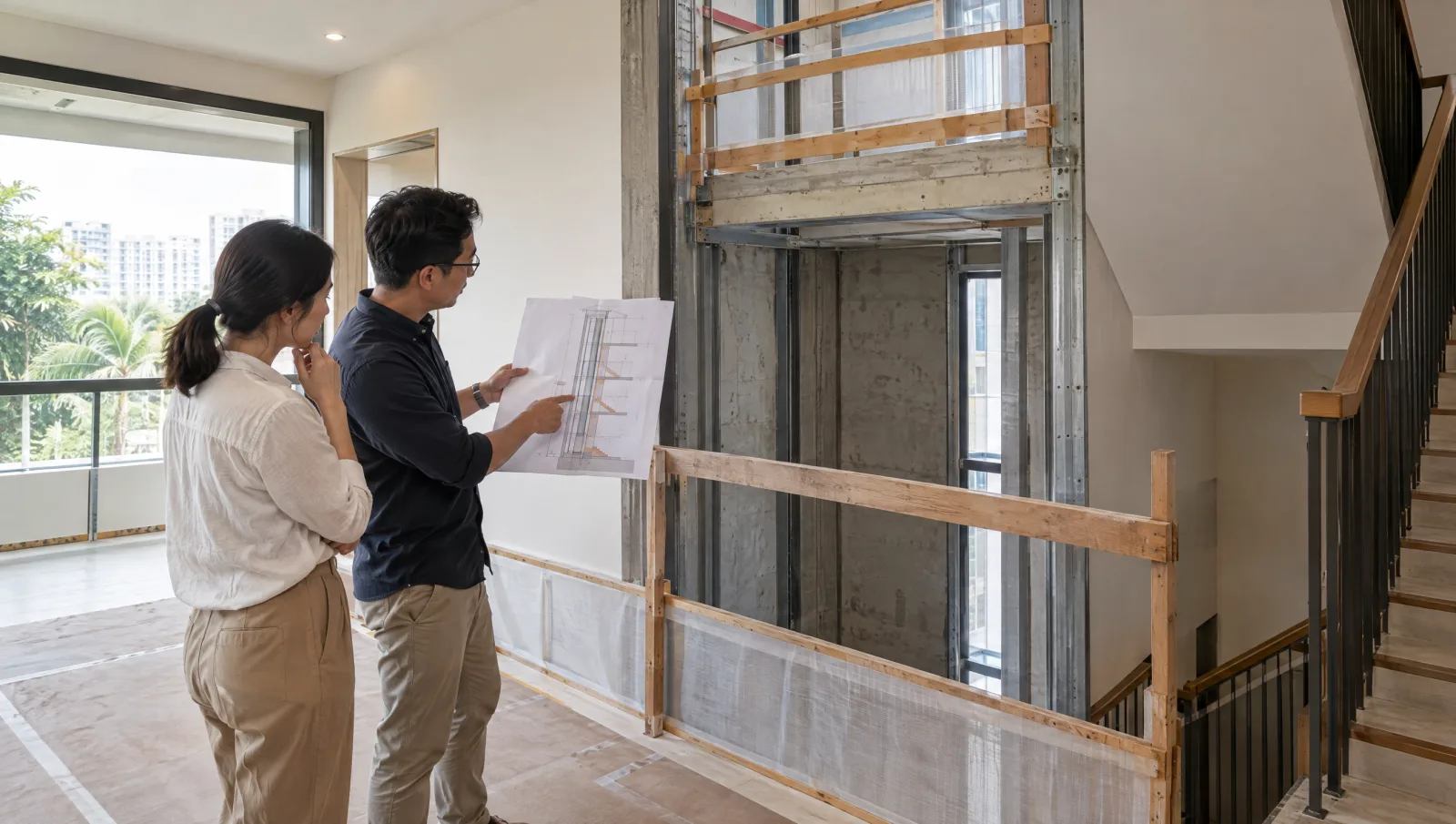
Retrofitting a home lift means fitting equipment and its supporting work into a finished house. Hydraulic and traction models can require different space, excavation and structural arrangements. Compare those requirements against the actual site, including access during construction and the work to restore surrounding rooms, before choosing the lift system.
Home Lift Now or Later? What Retrofitting Can Add to the Cost
If a home lift is part of your long-term plans, decide what to prepare while the house is already being built or renovated. Installing now, reserving suitable space and retrofitting later involve different costs and disruption. An empty corner alone is not enough preparation: the future lift also needs suitable structural support, access and services.
Pool Safety at Home: Fences, Covers and Alarms Explained
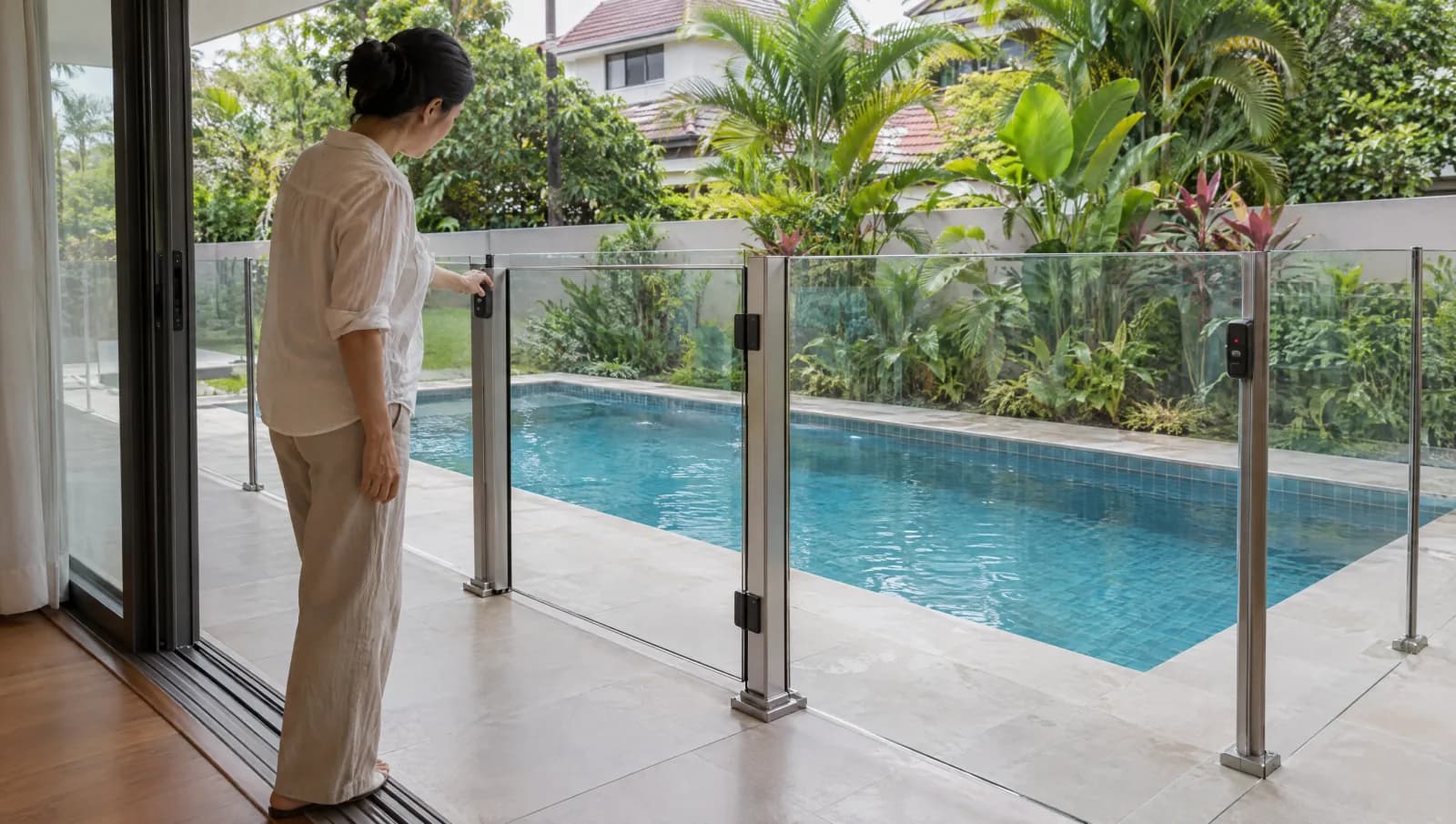
Pool safety needs several protections working together. A fence can restrict access, a suitable safety cover can provide another barrier, and an alarm can alert someone to a problem. None removes the need for supervision. Plan those measures around the people who use or visit your home, including how they reach the pool from the house.
Home Lift Lead Time in Singapore: Production, Fitting and First Use
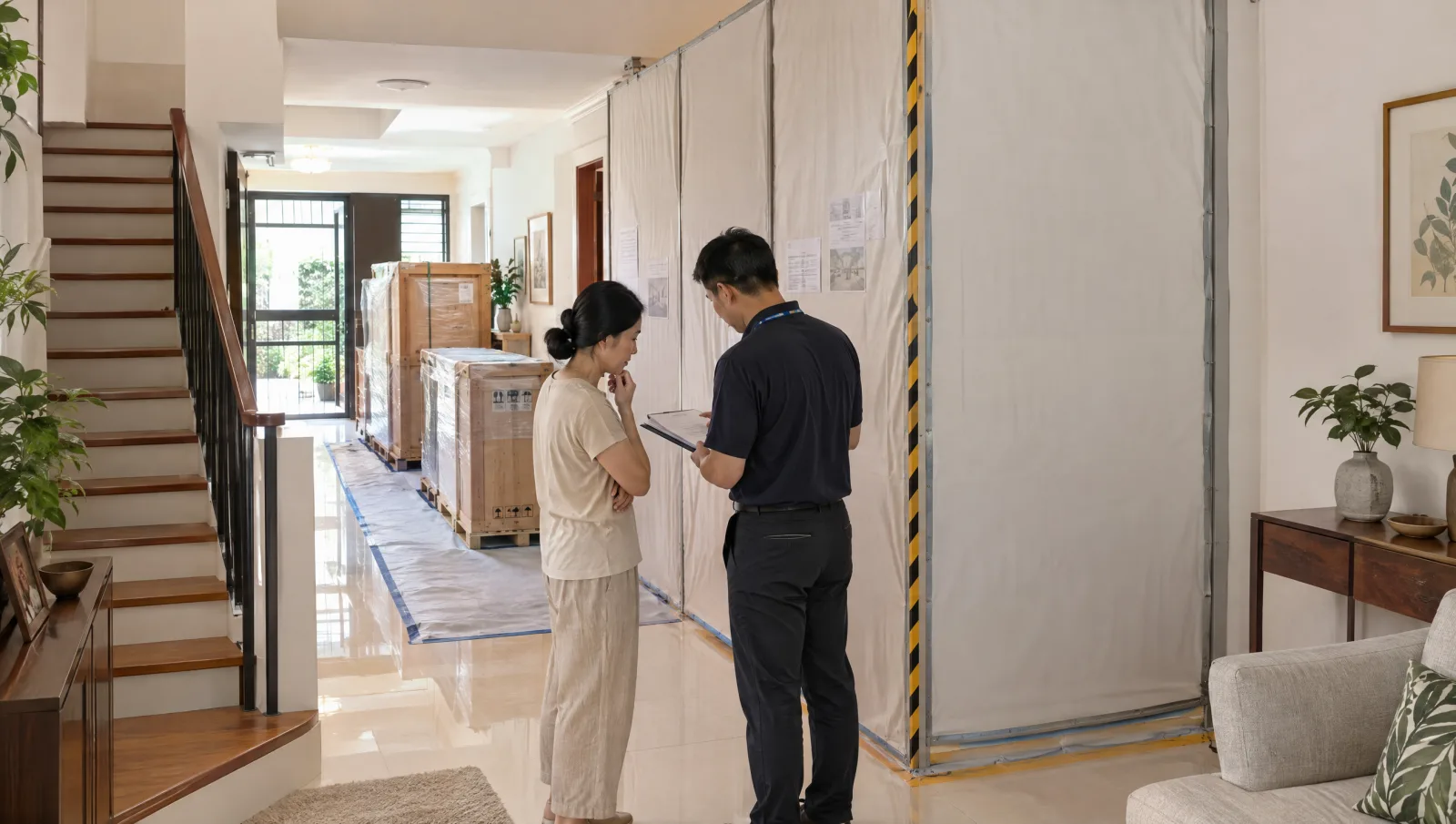
For a modular home-lift system offered in Singapore, allow 4–8 weeks for production, followed by shipping and normally 2–4 days for installation. Those timings apply to the linked system, and fitting is only part of the wait. Your first-use date also depends on design, building preparation, testing and the Singapore permit process. The schedule needs to include all of them before your household relies on the lift being ready.
Stairlifts in HDB Maisonettes: Approval and Installation
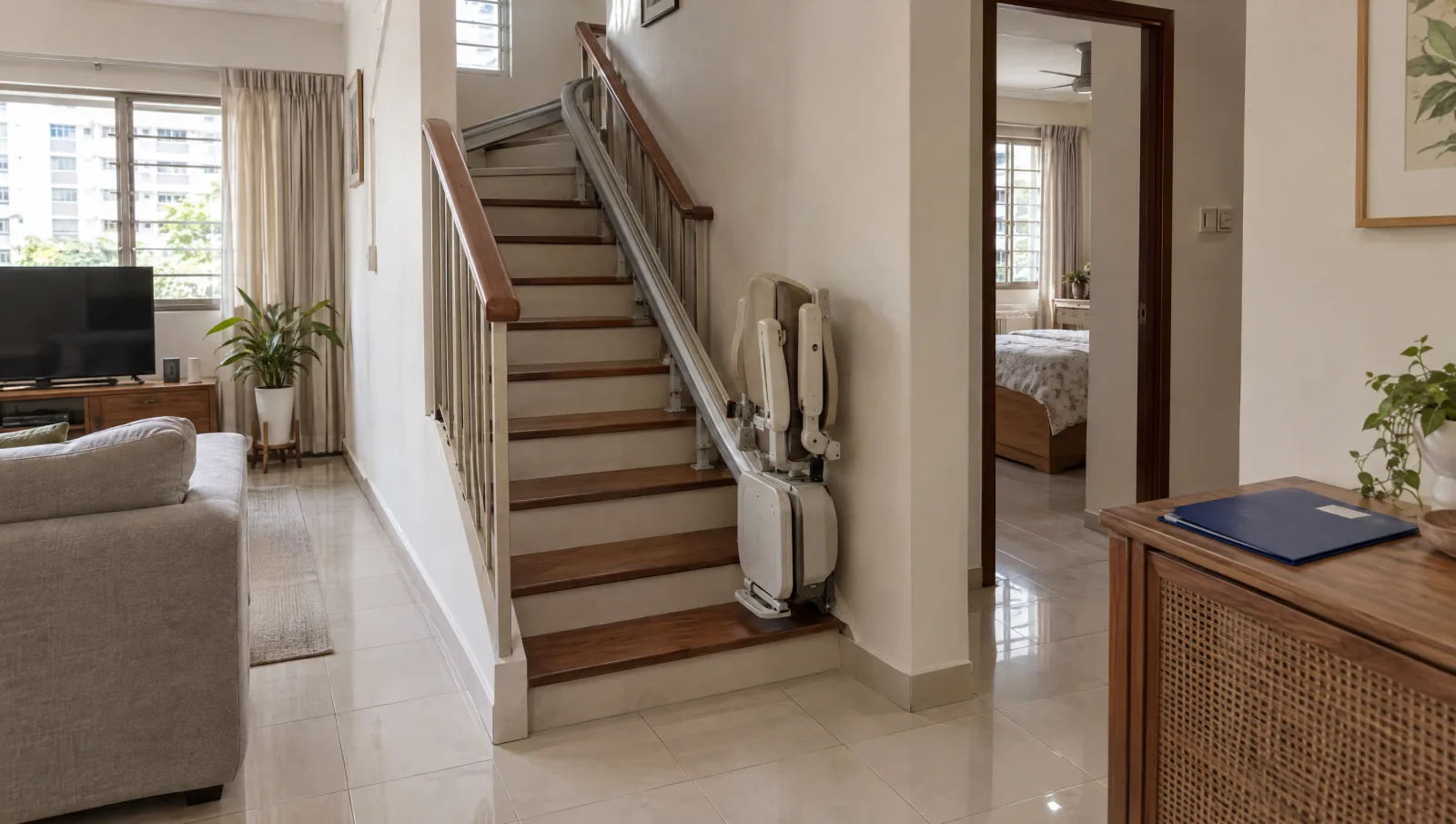
Installing a stairlift in an HDB maisonette requires planning around the staircase, the rider and the applicable approval process. Confirm the proposed arrangement before ordering, including access for other occupants and the space needed at each landing. Keep the installation and approval records with the equipment instructions for future maintenance and ownership changes.
Wheelchair Platform Lift vs Stairlift: Which Fits Your Needs?
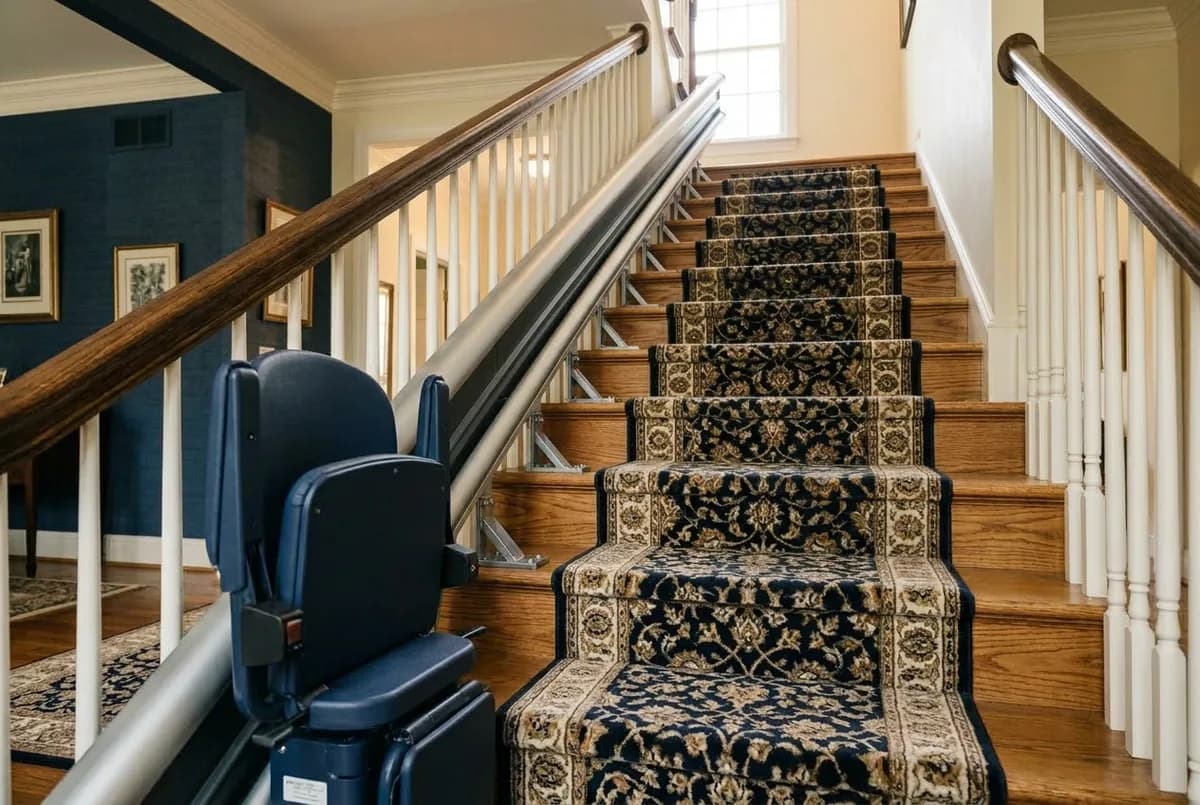
The first question when comparing a wheelchair platform lift and a seated stairlift is whether the user can and wants to transfer out of the wheelchair. Staying in the wheelchair changes the space needed for boarding and turning. Compare that complete journey, including help at each end, before deciding from the size of the lift alone.

Pool Losing Water? How to Tell When It Needs Investigating
A falling pool water level can result from evaporation, normal use or a leak. The amount and pattern of the loss need investigating before choosing a repair. Note changes from a safe position and arrange a professional check if the loss is unexplained or persistent, rather than assuming the visible waterline identifies the cause.
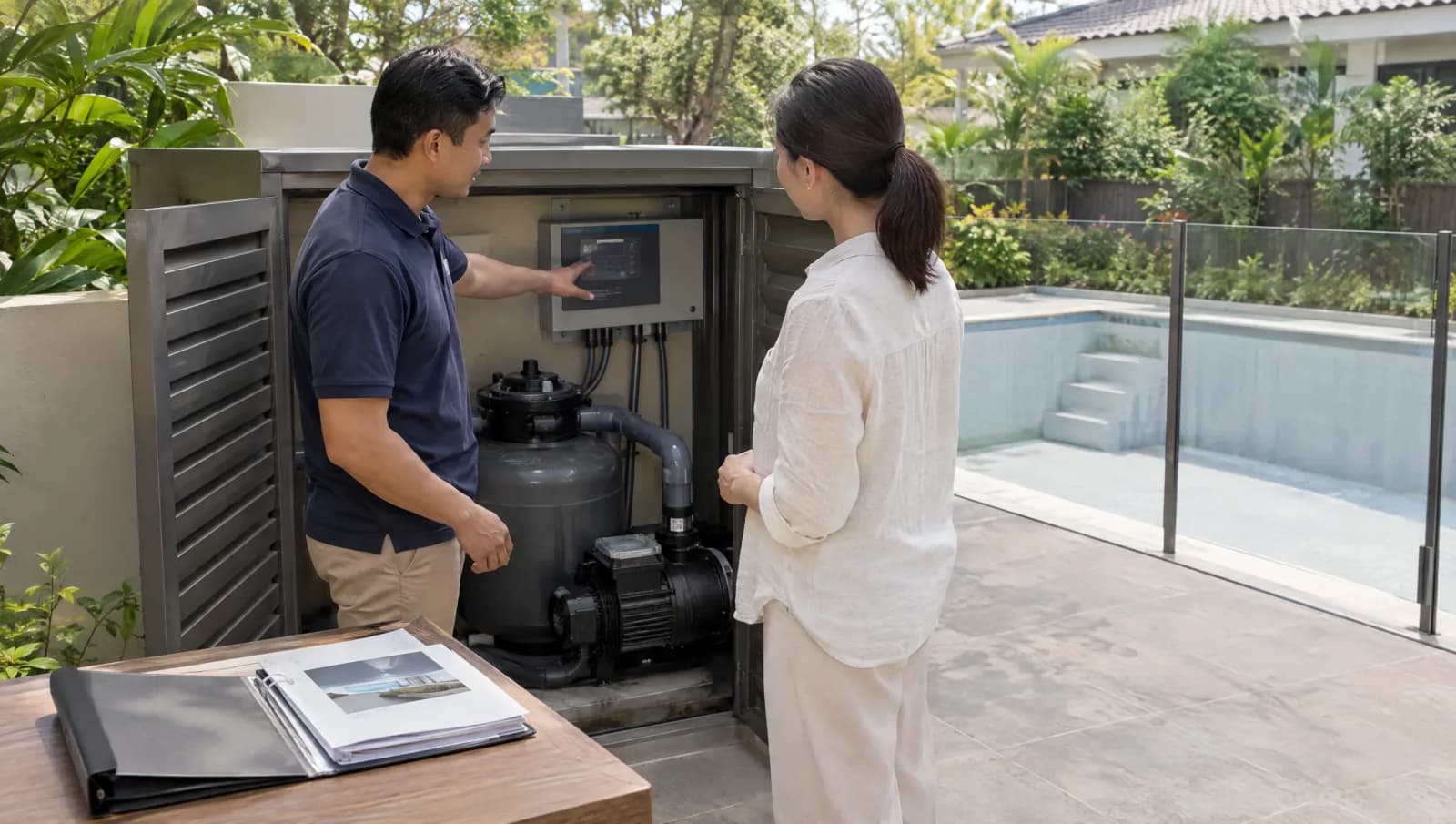
Sand vs Cartridge vs DE: 3 Pool Filters Compared
Sand, cartridge and diatomaceous earth (DE) filters remove particles from pool water, but they are cleaned and maintained differently. Compare those routines alongside the filter's suitability for your pool and pump. The most useful choice is one that the person maintaining the pool can look after properly, with the necessary access and replacement supplies.
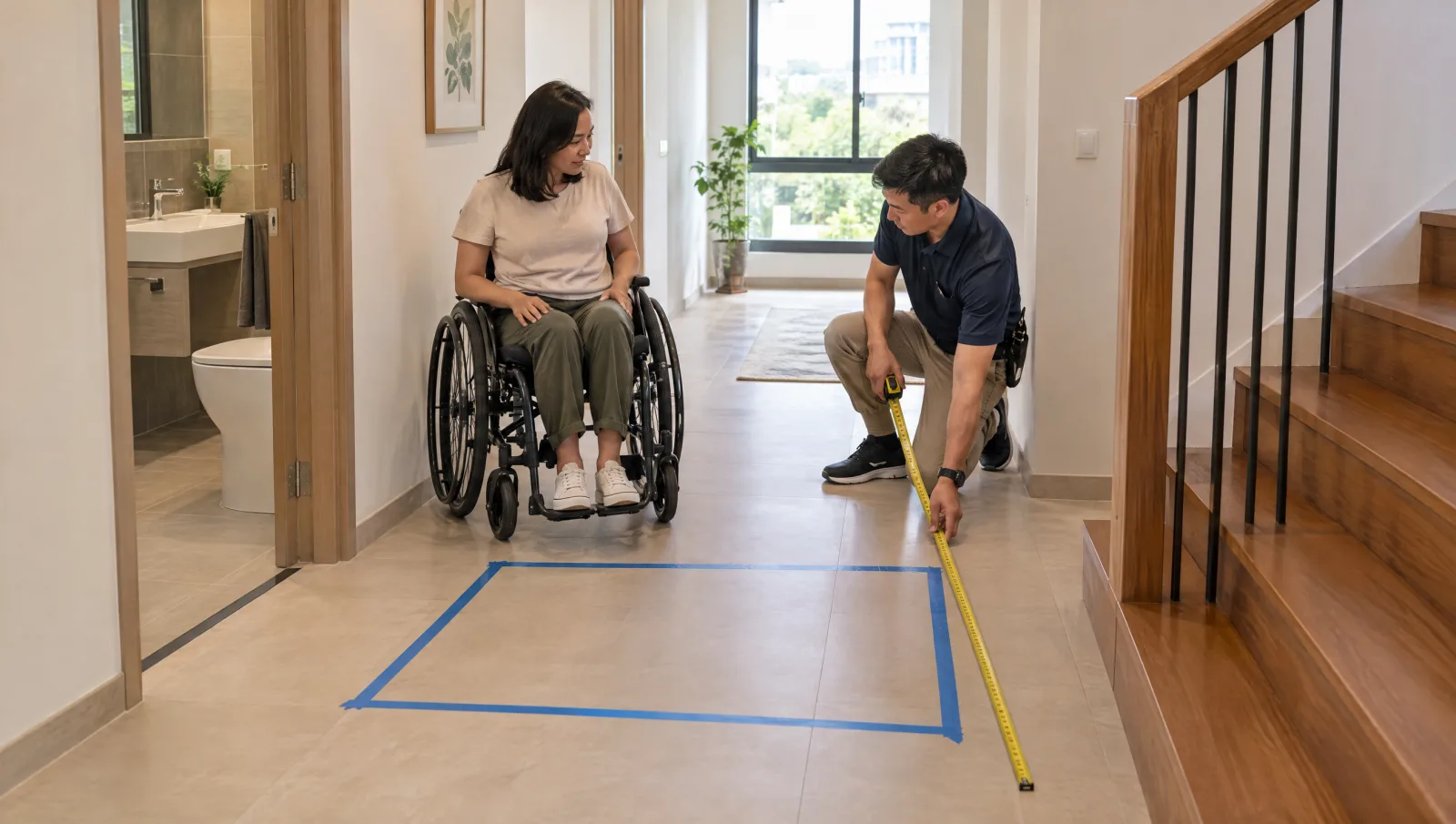
Wheelchair-Accessible Home Lifts: Space to Enter and Turn
A wheelchair-accessible lift needs enough usable space for the person and their wheelchair to approach, enter and leave at every floor. Cabin dimensions alone do not establish that. Check door openings, turning space, controls and assistance needs together, using the actual wheelchair where possible, before selecting a model.
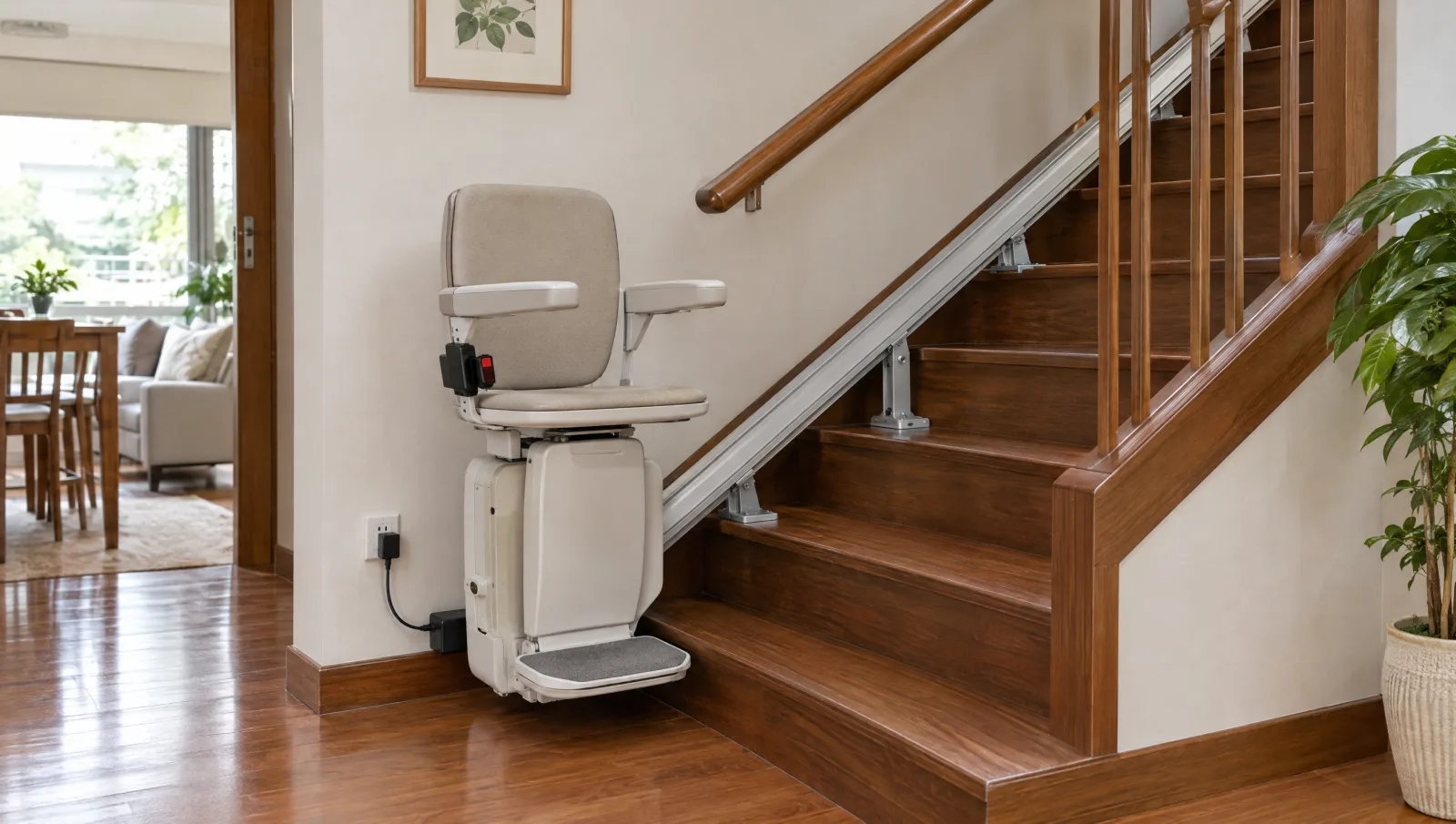
How Does a Stairlift Work? A Simple Guide for Families
A stairlift uses a powered chair travelling along a fitted rail to carry someone up and down the stairs. The seat, drive, controls and power arrangement work together, but the details depend on the model. Understanding those parts makes it easier to discuss ordinary use, charging and support before choosing one for your home.
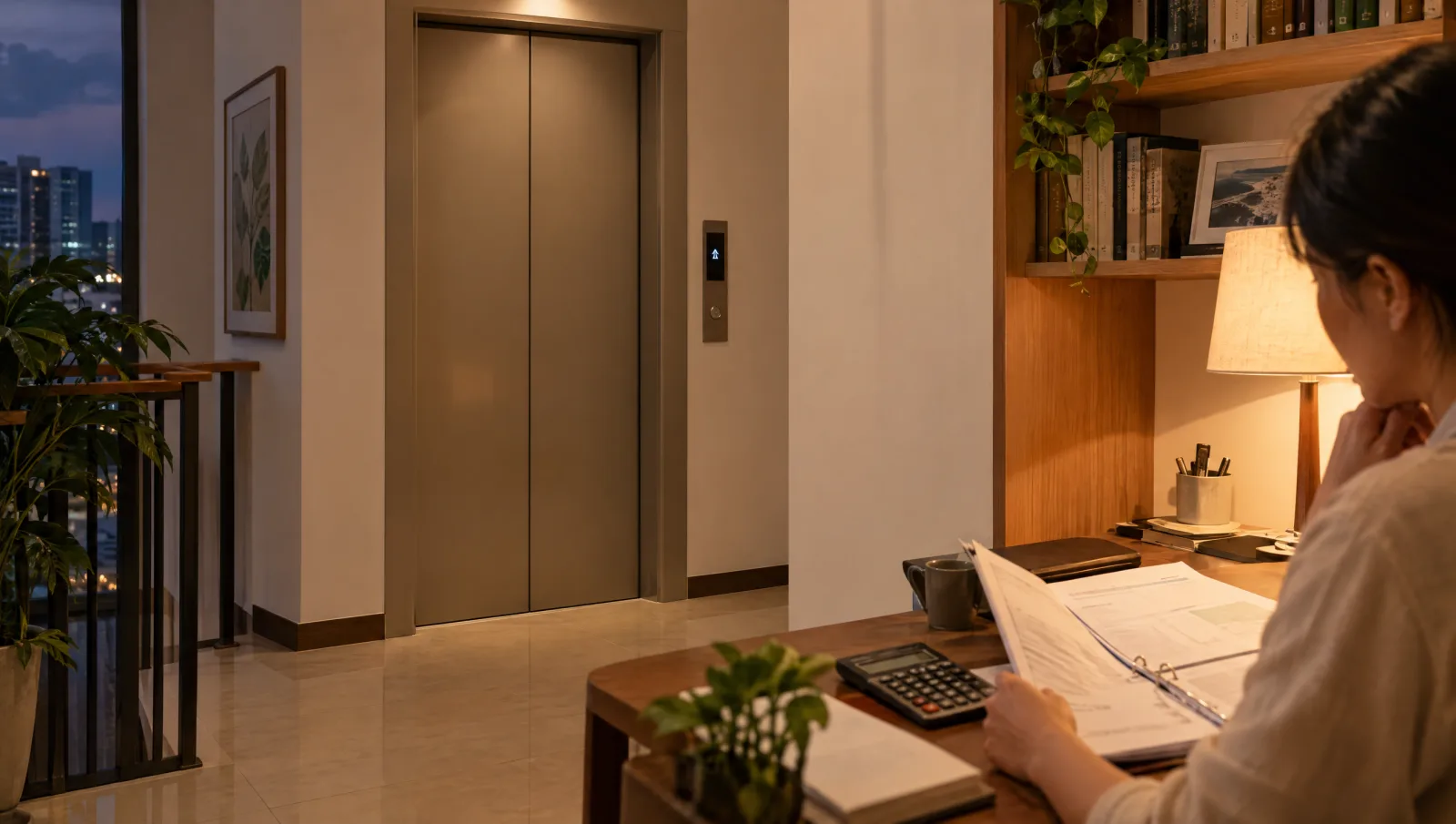
Home Lift Noise: Will You Hear It from the Bedroom?
If a lift will be close to a bedroom, consider where sound and vibration can travel before fixing the layout. Hydraulic and traction systems differ, but the particular model, equipment location and building connections also matter. Ask how the proposed installation addresses nearby sleeping spaces and, where possible, hear a comparable lift operating.
EASE vs EASE (Private): Which Support Applies to Your Home?
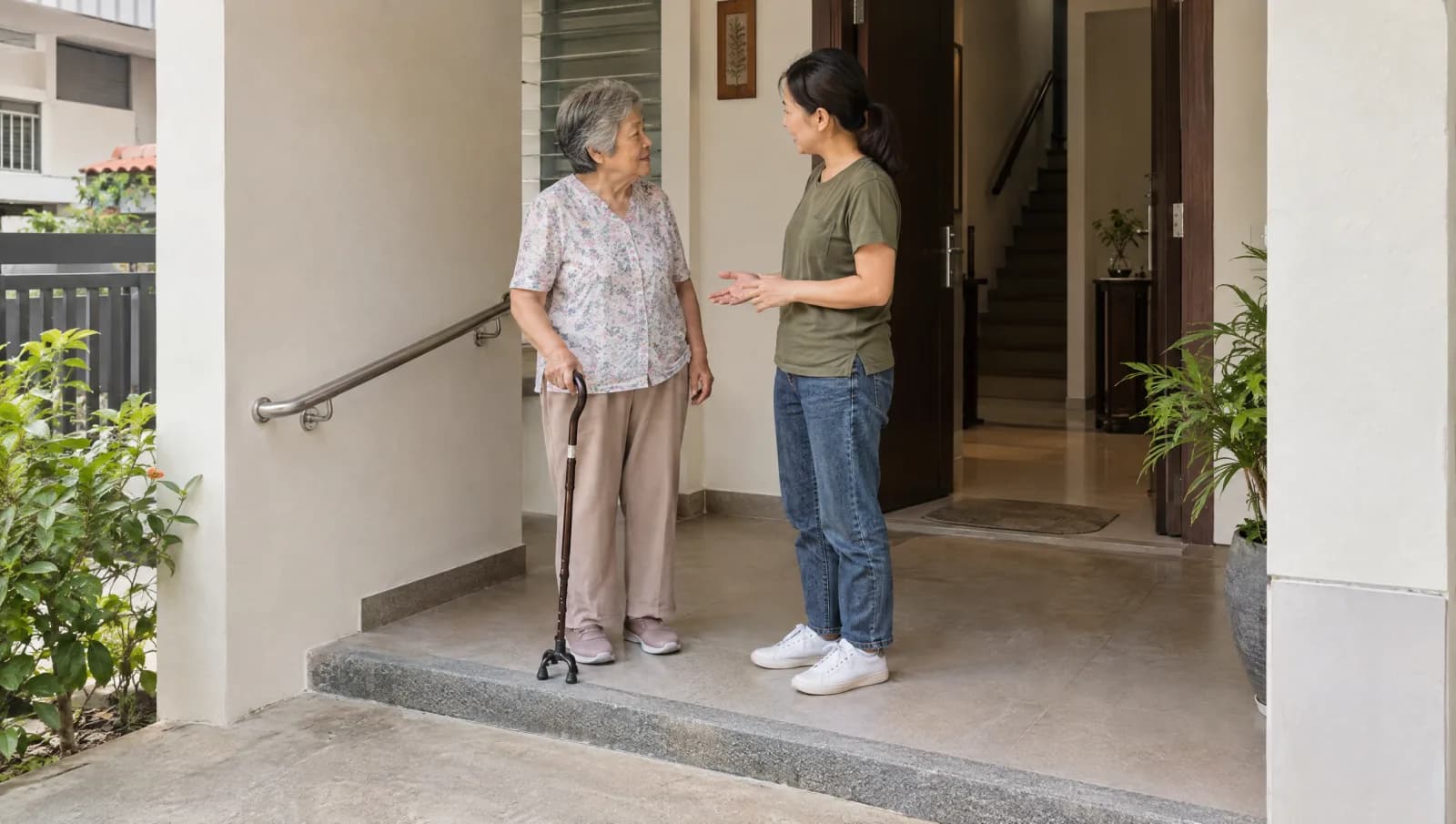
EASE and EASE (Private) support different housing situations and specified accessibility improvements. Do not assume that help with entrance access covers a lift between internal floors. Check the scheme that applies to your property and the work it supports, then plan any separate stairlift or home-lift purchase around the person who needs it.
Home Lift Running Cost in Singapore: Electricity and Annual Upkeep
At Singapore’s July–September 2026 regulated tariff of S$0.3478/kWh including GST, a home lift using 300 kWh a year would cost S$104.34 in electricity, or about S$8.70 a month. The 300 kWh is an example, not a typical consumption figure. The full running budget also includes servicing, annual inspection and testing, permit-related work and repairs, which must be priced separately for the selected lift.
Swimming Pool Monthly Maintenance Cost in Singapore
A pool’s monthly budget combines the service quotation with electricity, water, excluded treatment supplies and repairs. In the worked example below, an assumed 1 kW pump running 8 hours daily and 5 m³ of top-up water cost S$92.78 to S$98.53 before GST at the stated tariffs. Service visits, other equipment and supplies still need to be added.
3 Small Pool Options for Singapore Landed Homes
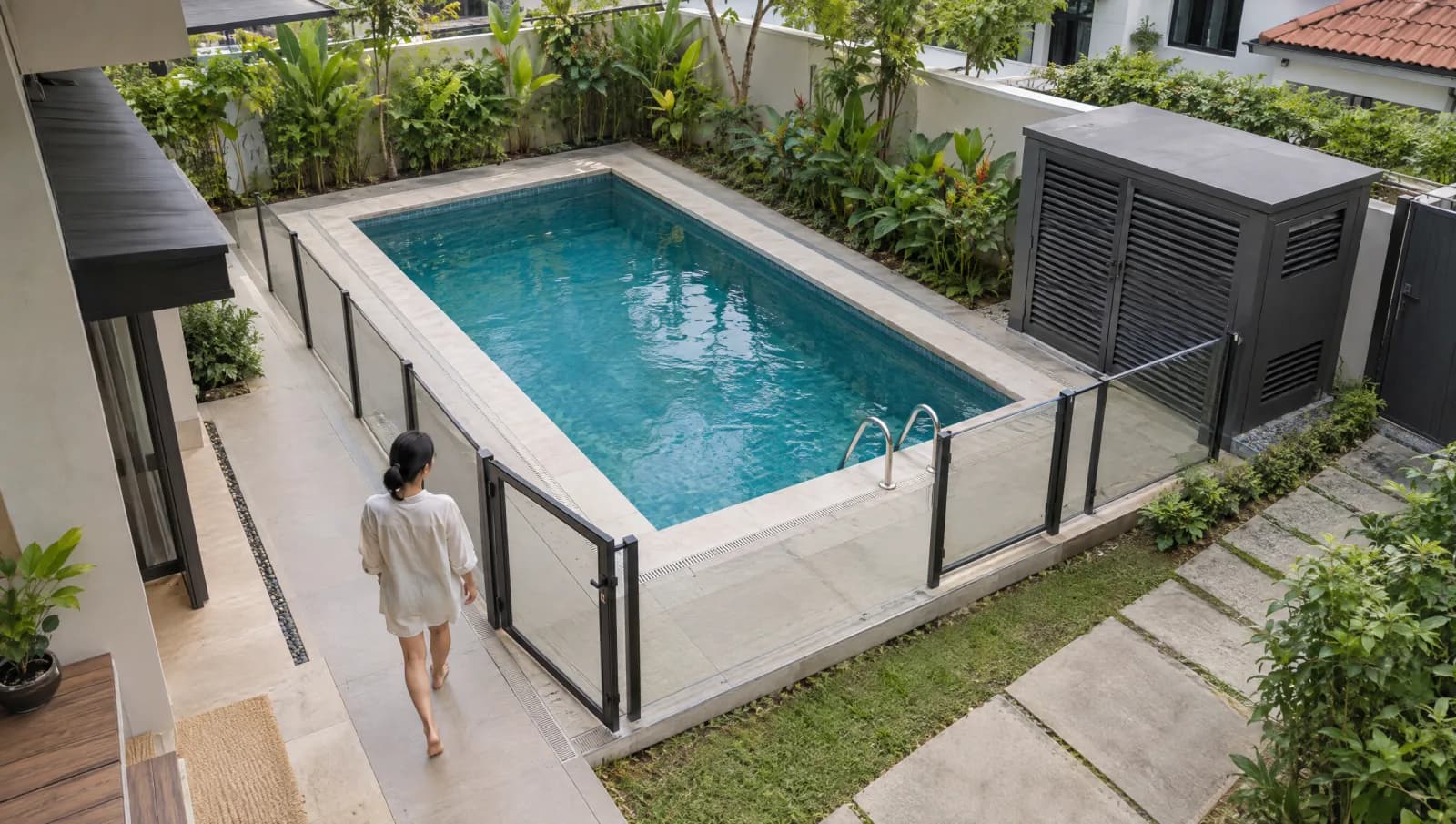
A small garden can accommodate different kinds of pool, but a plunge pool, spa pool and compact lap pool offer different ways to use the water. Start with whether you want to cool off, sit and relax or swim for exercise. Then compare the space needed for the pool, its equipment and a comfortable route around the garden.
Auto Gate Trouble: Repair, New Motor or Full Replacement?
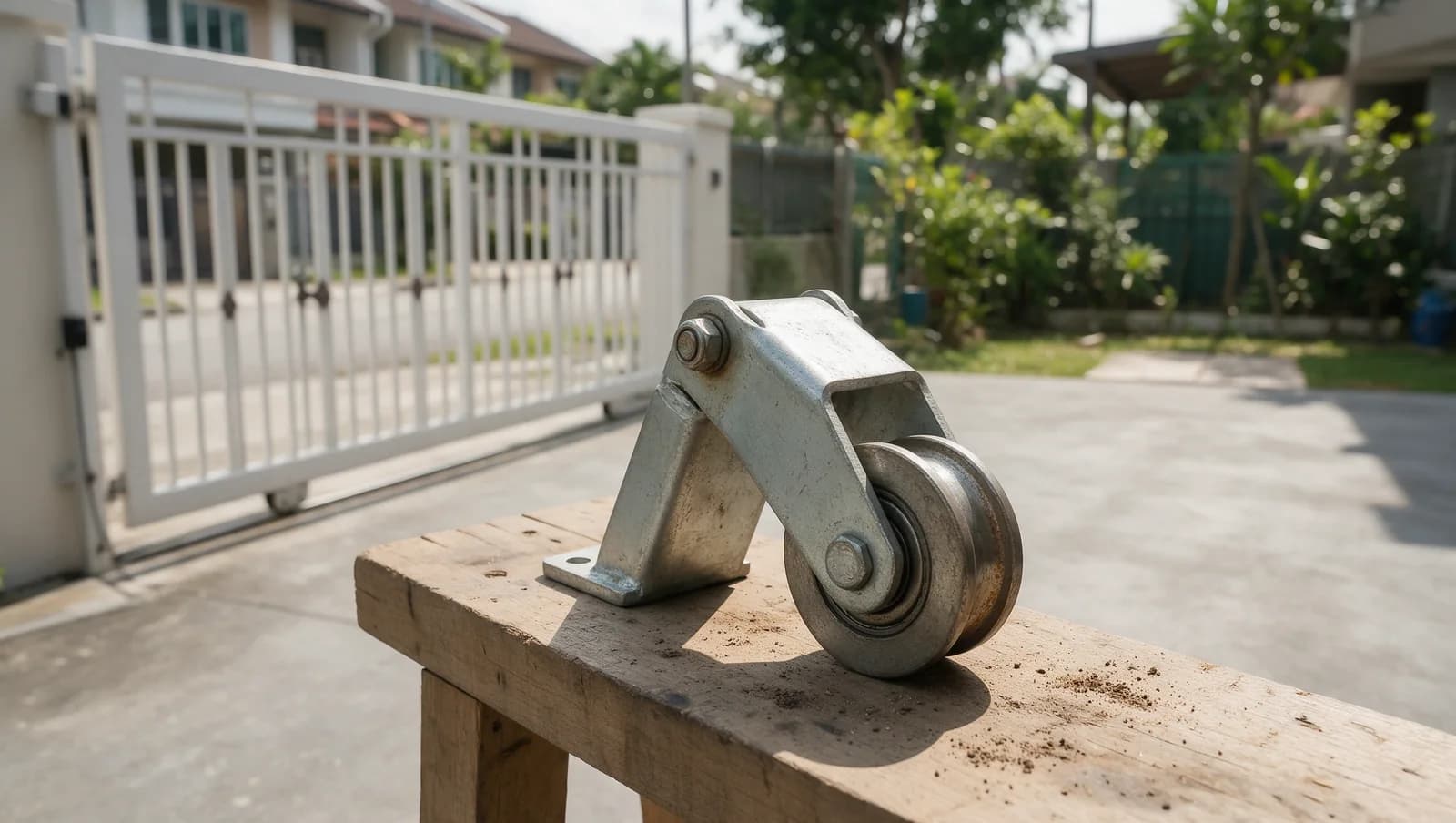
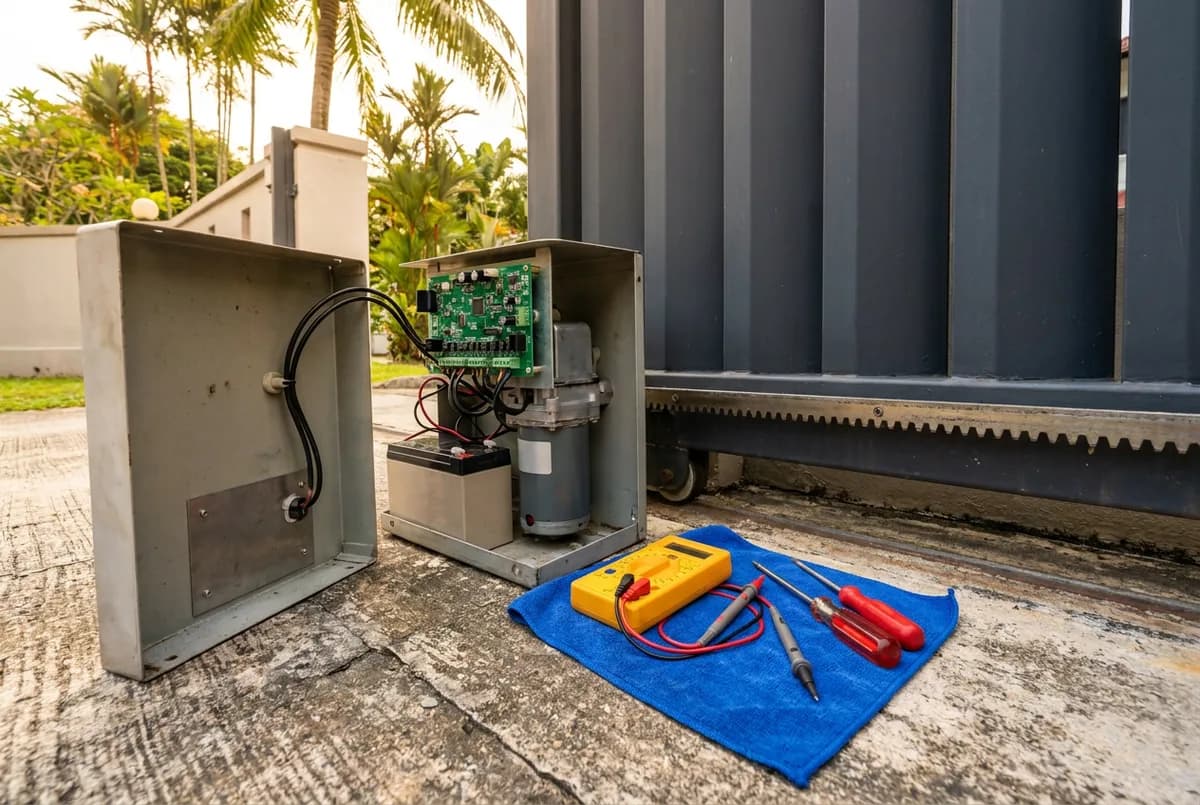
Repairing a faulty part, changing the motor and replacing the whole gate solve different problems. A new motor cannot correct a damaged gate or unsuitable supporting structure, while a sound gate may not need replacing because a control has failed. Establish the condition of the complete installation before comparing those three options.
Stairlift Weight Capacity: Model Limits, Seat Width and Safe Fit
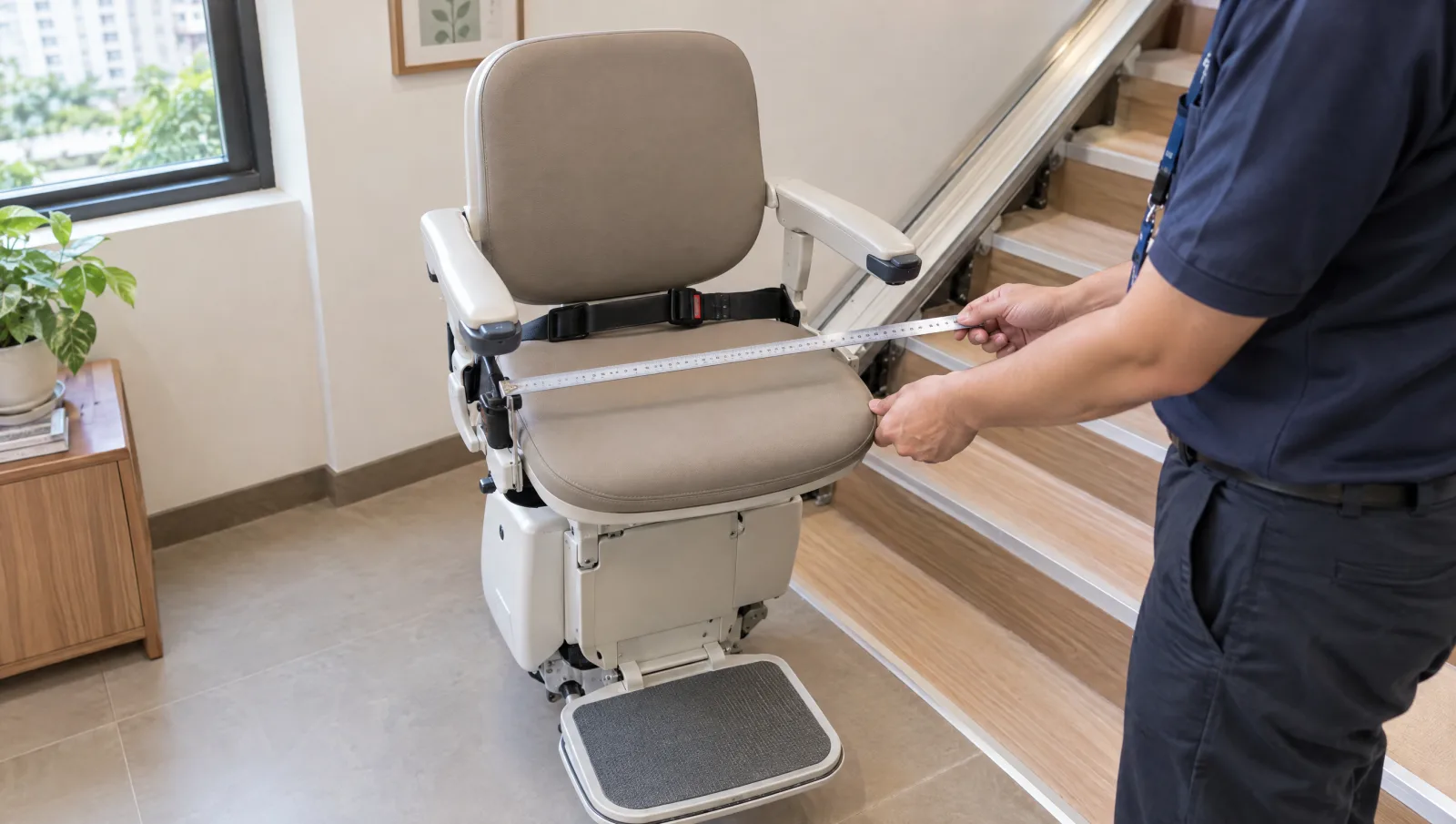
The 130 straight stairlift is rated at 127 kg, or 159 kg in its HD version; the 180 curved model is rated at 120 kg. The exact configuration matters. Your family member must be within its permitted load, fit comfortably in the chair and be able to get on and off at both landings. A higher weight rating alone does not answer all three questions.
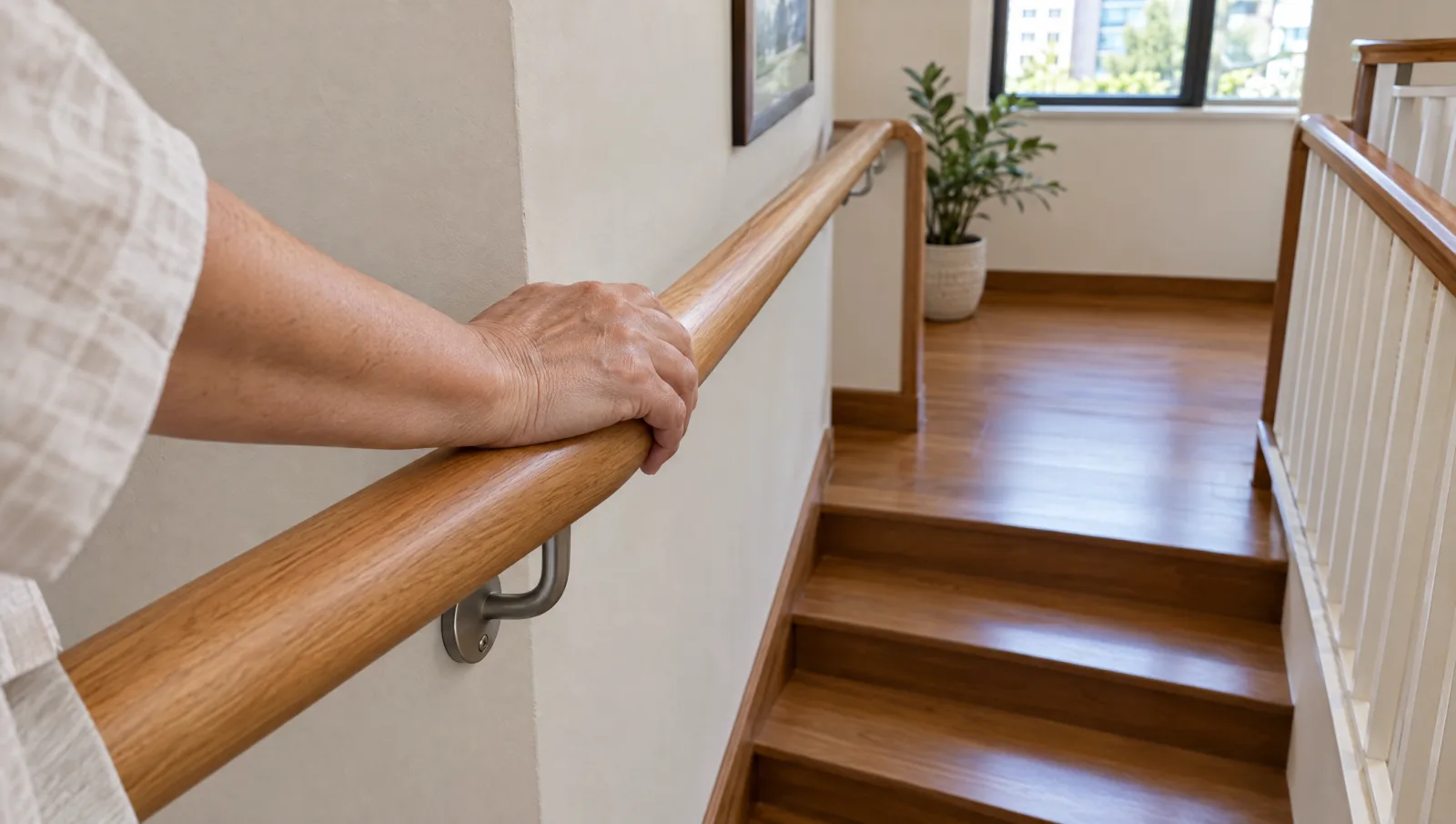
Staircase Handrails: How to Choose a Comfortable Grip
A comfortable handrail gives the user a shape they can hold securely along the stairs. Its size, position and continuity matter alongside the material and finish. Try the proposed grip where possible and consider children, older family members and anyone with limited hand strength before choosing mainly for appearance.
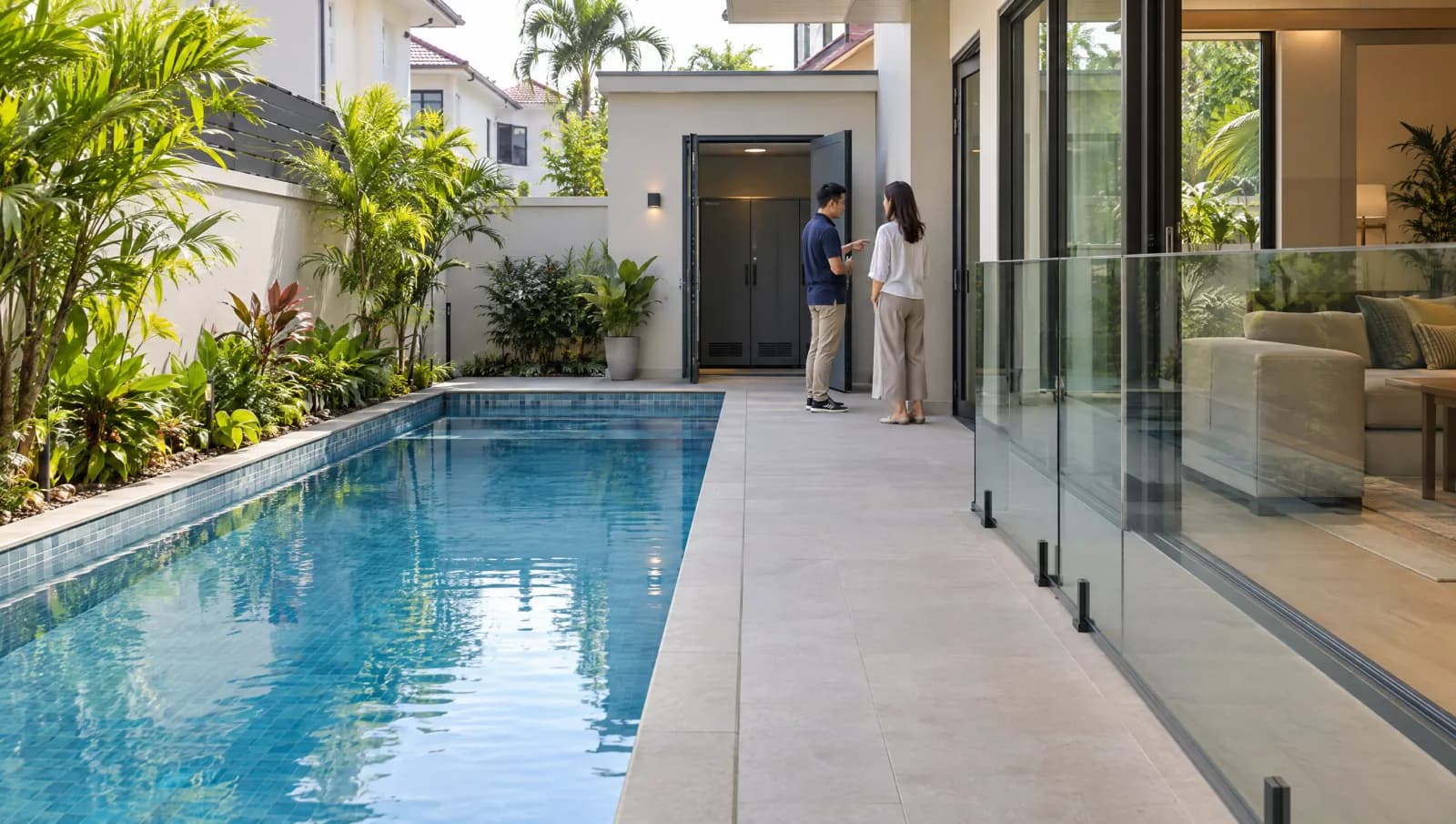
Choosing a Pool Builder: Questions to Ask Before You Sign
A pool builder is responsible for work you will no longer see once the water and finishes are in place. Ask how the design, construction, waterproofing and equipment will be coordinated, then compare that scope with relevant completed work and written aftercare. An appealing pool image is a useful design reference, but it cannot answer those questions.
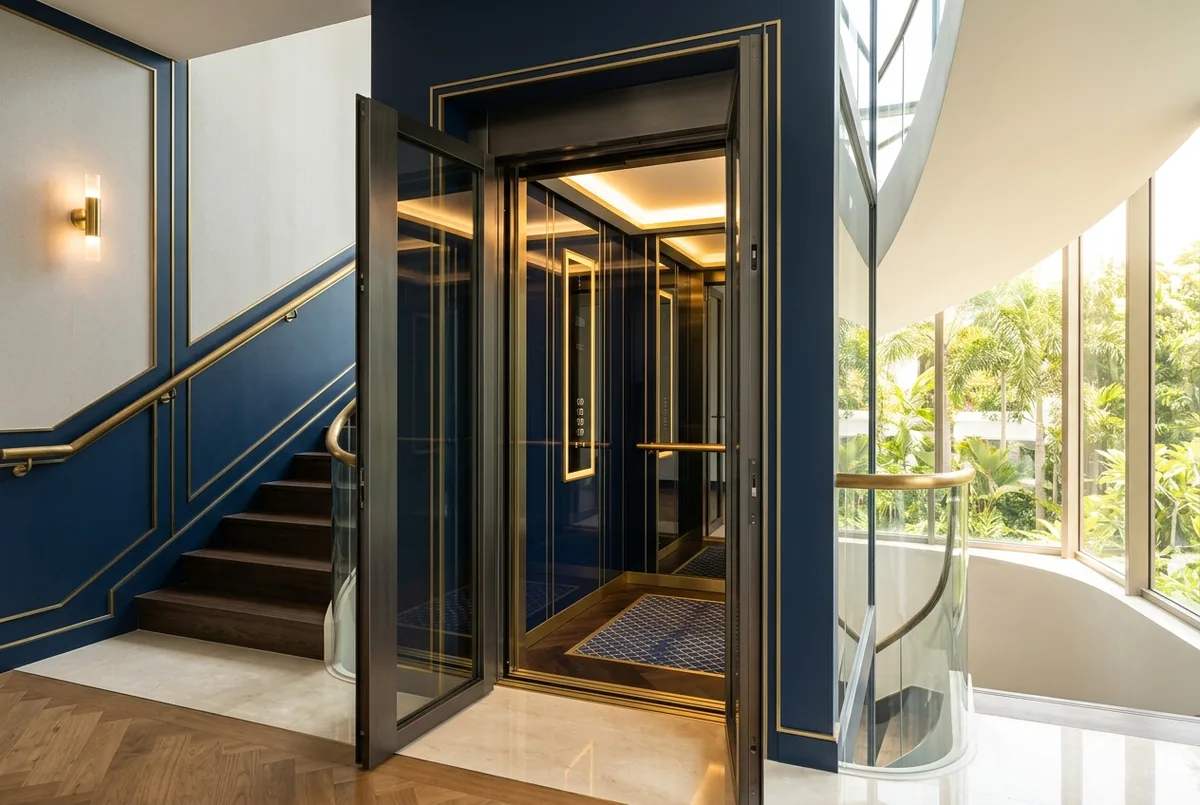
Can a Home Lift Fit Inside Your Existing Staircase?
A lift can sometimes be added within or beside an existing staircase, but it must leave a workable route upstairs and suitable space at every landing. The survey needs to consider the full lift structure, doors and building changes, not only the cabin. Compare layouts before choosing a model that appears to fit the central opening.
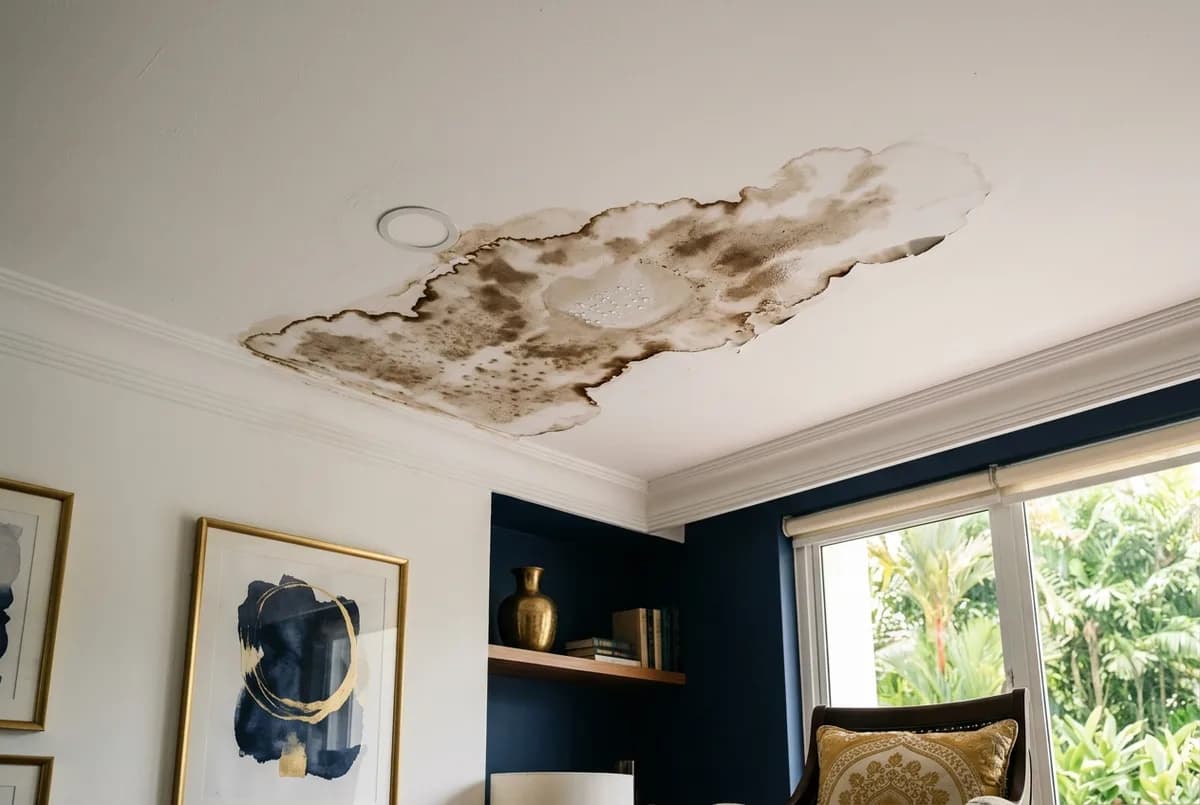
Condo vs Landed Roof Leaks: Who Should Arrange Repairs?
Who arranges a roof repair depends on ownership and responsibility for the affected roof. A landed homeowner may be responsible for their own roof, while a condominium leak can involve common property and the management corporation. Establish that responsibility before appointing a contractor, including where a private terrace sits above another unit.