On this page
View In PDFA pool’s monthly budget combines the service quotation with electricity, water, excluded treatment supplies and repairs. In the worked example below, an assumed 1 kW pump running 8 hours daily and 5 m³ of top-up water cost S$92.78 to S$98.53 before GST at the stated tariffs. Service visits, other equipment and supplies still need to be added.
The Short Answer First
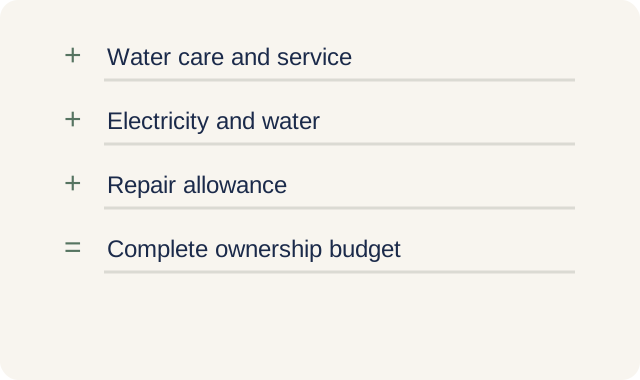
A swimming pool needs cleaning and treatment between the dates when invoices arrive. A cheaper attendance plan works only if somebody covers the necessary checks and care between visits. First decide that responsibility, then budget the contract, electricity and water as separate lines.
The example below is for an unheated pool and uses stated assumptions, not a claim about an average household. Pool use, foliage, rainfall, equipment settings and the service contract can change the result. Repairs are irregular, so keep a separate reserve rather than describing them as a guaranteed monthly bill.
Use the service price as the first line, then add the bills the plan leaves outside it. A quoted chemical allowance should be counted only once: either inside the contract or as a separate purchase. Confirm GST treatment before combining prices from different sources.
Chemicals
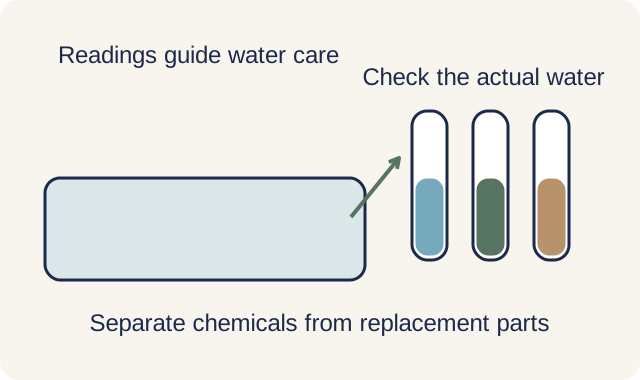
Chemical demand changes with water readings, use and the treatment system. Rain, sunlight and organic material can affect the balance, so dosing should follow a monitoring plan. Do not assume every chemical listed in a maintenance package is needed at every visit.
A saltwater chlorinator still produces chlorine, and the pool still needs water checks. Its cell is also an equipment item with future servicing and replacement costs. Separate ordinary treatment supplies from algae recovery, specialist treatments and equipment parts so the contract does not hide those differences.
Cleaning and Servicing
| Service scope | What the quotation should state | What to keep separate |
|---|---|---|
| Attendance | Number of visits and between-visit care | Additional visits |
| Routine cleaning and water checks | Tasks and reporting included | Extra treatments |
| Chemicals and parts | Included supplies and limits | Excluded materials and repairs |
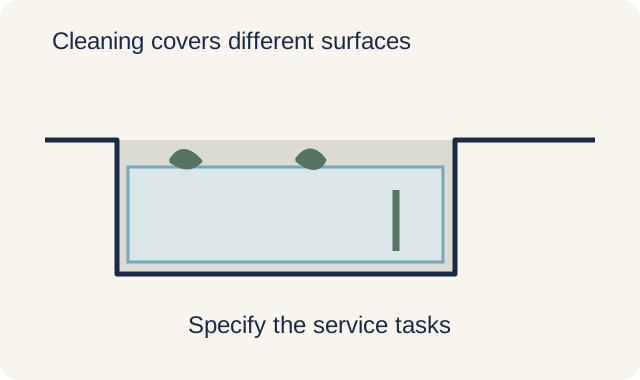
Skimming removes floating debris; brushing and vacuuming deal with material on the walls and floor. Filter care and water testing address different parts of keeping the pool usable. An attendance price needs to name those tasks, but a longer task list does not automatically establish that the visit frequency is enough for the pool.
Vegetation and debris can add cleaning work even to a small pool. A suitable cover may help, but its actual effect depends on use and the surroundings. Confirm who checks the pool between visits and what happens after storms or equipment faults.
Pump Electricity
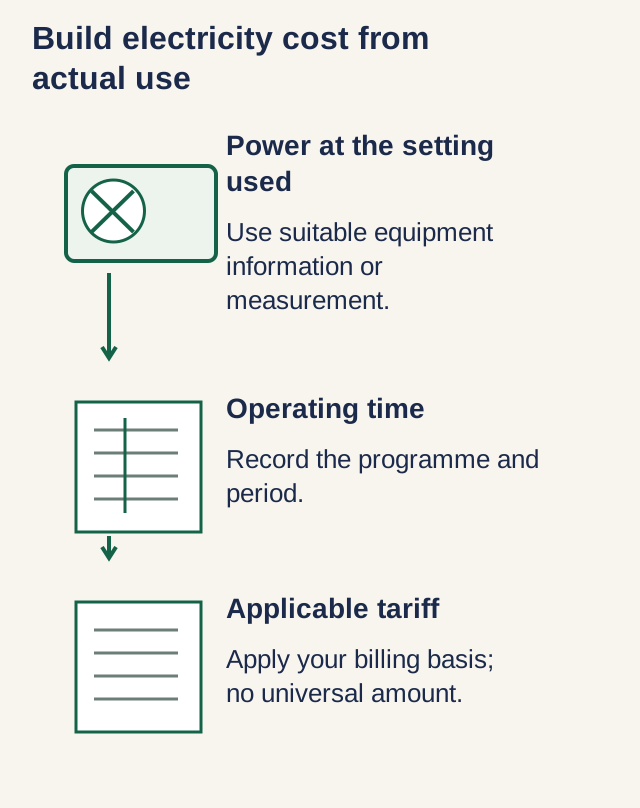
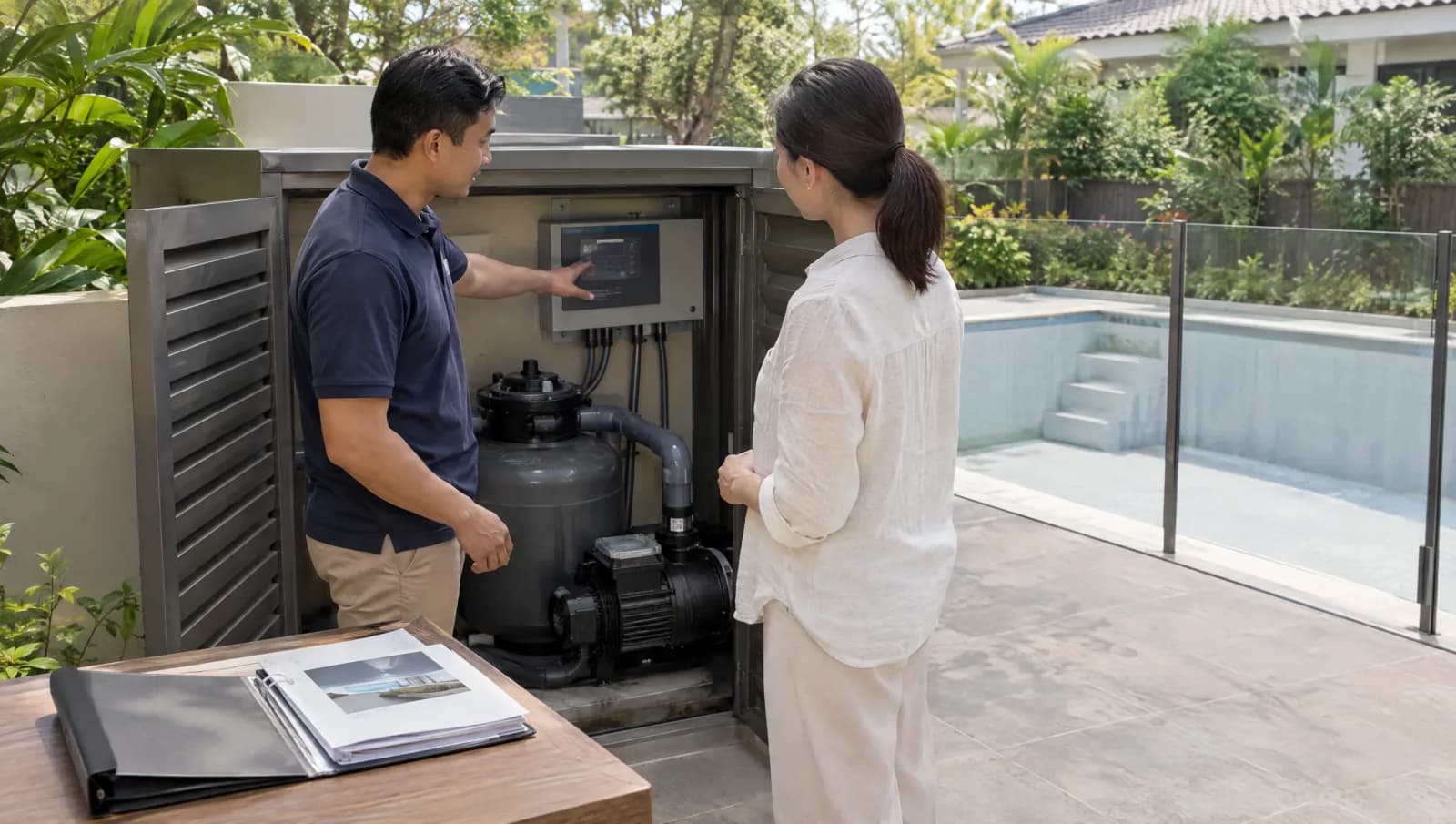
Start the electricity estimate with the circulation pump: its power use and operating schedule are recurring inputs you can check. Heating, lighting and other equipment add their own consumption. Ask for the proposed pump settings and operating hours, then compare the estimate with actual meter or equipment readings after commissioning.
For 1 July–30 September 2026, the regulated domestic electricity tariff is 31.91 cents/kWh before GST, or 34.78 cents including 9% GST. Use your own retailer’s contracted tariff if different. Multiply electrical input at each actual operating setting by its hours, then apply the tariff; the motor’s maximum label rating may not describe a variable-speed pump throughout the day.
In the example, 1 kW × 8 hours × 30 days = 240 kWh, costing S$76.58 before GST at that tariff. This is a budgeting assumption, not a recommended circulation schedule: the required flow and water-treatment design determine the operating programme. Add separate loads for lights, heaters, chlorinators and water features where they are not already measured.
Water needs its own line. Under the domestic water-price schedule effective from April 2025, potable water totals S$3.24/m³ before GST within the first 40 m³ of household monthly use, and S$4.39/m³ for consumption above that band. The band applies to the household, not just the pool. An assumed 5 m³ of top-up water therefore adds S$16.20–S$21.95 before GST, depending on which band it falls into.
| Example monthly item | Basis | Before GST |
|---|---|---|
| Service visits | Insert the agreed service quotation | Not priced here |
| Circulation-pump electricity | 1 kW × 8 h/day × 30 days × S$0.3191/kWh | S$76.58 |
| Water top-up | Assumed 5 m³ × S$3.24 to S$4.39/m³ | S$16.20 to S$21.95 |
| Electricity and water subtotal | Excludes service visits, chemicals, other loads and repairs | S$92.78 to S$98.53 |
More frequent attendance changes the service cost and the care available between visits. Compare that scope before choosing a lower fee. Larger chemical purchases, repairs and replacement parts remain separate unless the contract includes them.
Features That Add to the Operating Bill
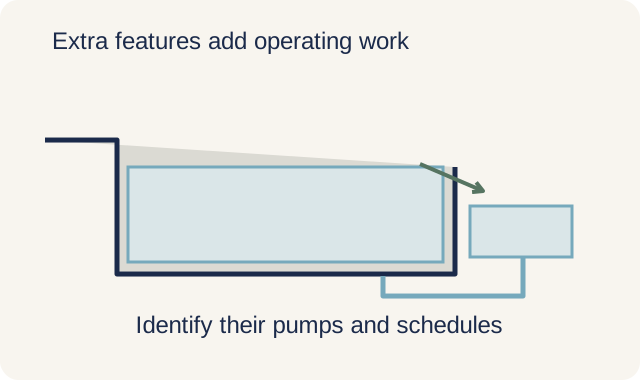
Heating adds an electricity cost that depends on the equipment, target temperature, weather and operating hours. Ask for an estimate based on your intended use and the proposed cover arrangement. Compare it separately from circulation so you can see what keeping the pool warmer adds to the bill.
Water features and an overflow edge may require additional circulation equipment or operating time. Ask the designer to identify each pump and its intended schedule. This lets you compare the running costs of optional features before the equipment layout is fixed.
Water lost through a leak is also different from normal top-ups and filter-related water use. If consumption rises without a matching change in use, have the cause investigated rather than permanently increasing the water allowance. Meter readings and the equipment schedule help distinguish the pool’s usage from the rest of the household.
Renovation and Financing
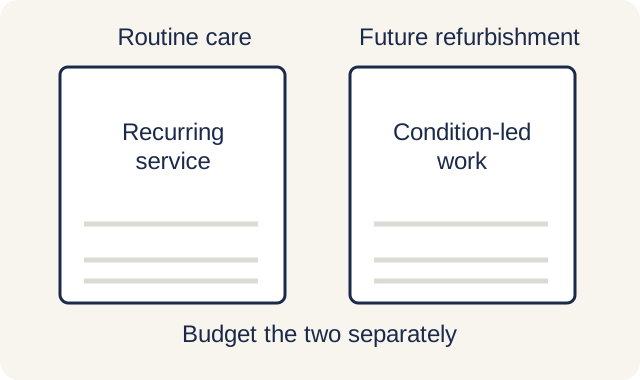
Keep routine maintenance separate from future refurbishment. The condition of the finishes, pipework and equipment determines what needs replacing and when. If work is already planned, compare the cost and benefit of upgrading ageing equipment at the same time, including compatibility with the rest of the system.
If borrowing is being considered, ask the lender whether the proposed pool work is eligible and compare the full repayment cost and fees. Do not assume a renovation product covers every swimming-pool project or that energy savings will pay the interest. Keep financing and operating estimates separate.
How DirectHome Helps You Budget the Full Picture
Ask for the running-cost inputs alongside the build quotation: equipment settings, service scope, water-care responsibilities and replacement parts. This makes optional features easier to compare before construction. A capital price alone does not establish ongoing affordability.
For a new pool or planned renovation, send DirectHome the available pool plan, intended use and equipment proposal to discuss how the build affects running costs. For an existing service bill, use the contract and recent utility readings to identify the unexplained line before deciding equipment needs replacement.
Frequently asked questions
How much does it cost to maintain a swimming pool per month in Singapore?
Add the service quotation, utility use, excluded chemicals and repairs. The assumed pump-and-water calculation on this page is S$92.78 to S$98.53 before GST at the stated tariffs, with service visits and other costs still to add. It is not a complete monthly maintenance price.
What makes up the monthly running cost of a pool?
Recurring costs include water testing and treatment, cleaning, appropriate filter care, electricity and water. Confirm included materials and visit frequency in the service contract. Cartridge and backwash filters need different care.
How much does pool heating add to the monthly bill?
Use the proposed heater's electrical input, operating schedule and actual tariff. Temperature, weather and cover use affect demand. A generic monthly figure or fixed doubling without a cover is not reliable.
Can a better pump reduce my pool running cost?
A suitable variable-speed pump can reduce energy where the required flow is maintained. Compare actual power and operating schedules, including other equipment; a pump is not automatically the largest consumer in a heated pool.
Can I finance a pool renovation in Singapore?
Check the proposed work's eligibility directly with the lender and compare total repayment cost and fees. Do not assume every renovation loan covers pool work or that operating savings will offset borrowing costs.
Swimming Pools across Singapore
Need help with your project?
Tell us what you need on WhatsApp and send a few photos. We'll arrange a free site assessment, then give you a fixed-price quote within 3 to 5 working days.