On this page
View In PDFA pool builder is responsible for work you will no longer see once the water and finishes are in place. Ask how the design, construction, waterproofing and equipment will be coordinated, then compare that scope with relevant completed work and written aftercare. An appealing pool image is a useful design reference, but it cannot answer those questions.
Why Builder Selection Matters More Than Design
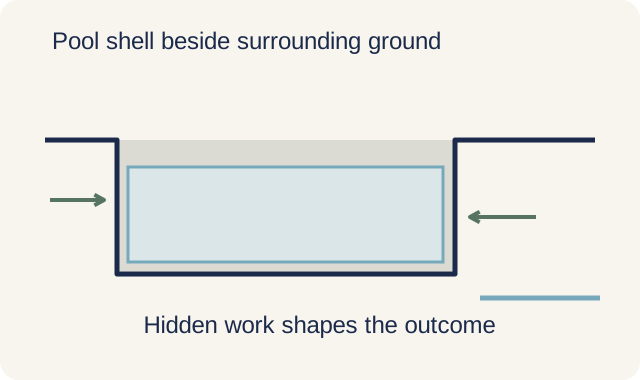
A pool combines a water-retaining structure with plumbing, electrical equipment and surrounding access. The builder must coordinate those parts before excavation, because a missed service route or unsuitable foundation can be costly to change later. Assess the proposed team and scope alongside the design.
Look for an explanation of the ground conditions, nearby structures, equipment access and required permissions. A useful quotation identifies what has been checked and any investigation still needed. Price alone cannot distinguish a sound proposal from one that leaves important work unresolved.
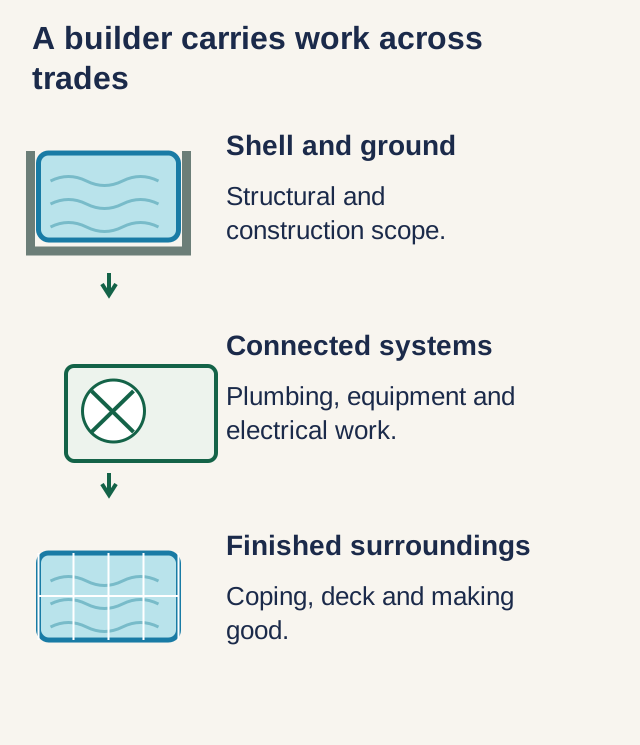
A pool shell contains water; the finish protects or completes the interior according to its system; the circulation equipment filters and treats the water. A leak, a loose tile and cloudy water can therefore arise from different failures. The builder's scope should explain how these systems connect and who commissions them. A single attractive rendering cannot show whether the pipes can be reached later or whether replacement equipment can pass through the proposed access.
How to Verify Relevant Pool-Building Experience
A maintenance company that cleans pools is not necessarily equipped to design and build one. For a new pool, look for a team that can identify the builder, responsible design professionals and equipment specialist. Use the BCA builder directory to check the proposed licensed building company, then ask for evidence of comparable pool construction. Directory registration and a pool portfolio answer different questions.
| Starting condition | Team capability to look for | Evidence relevant to your shortlist |
|---|---|---|
| A new pool on an unbuilt part of the plot | Groundwork, water-retaining construction and coordinated pool services | Comparable access/ground constraints, construction details and commissioning records. |
| An existing pool with a leak | Leak diagnosis before choosing structural, pipe or finish repair | A test plan that distinguishes the possible routes and explains the proposed repair. |
| A sound shell with tired finishes or equipment | Refurbishment and compatibility with retained construction | Preparation, junction details, equipment sizing and warranty boundaries. |
| A whole-house rebuilding project | Pool specialist coordinated with the main building team | Shared drawings, programme and responsibility for excavation, drainage and access. |
Start with builders who can show relevant completed work and identify the team responsible for the proposed job. A similar pool shape is less useful than experience with comparable access, ground conditions and structural constraints. Verify portfolio claims rather than assuming a company name establishes them.
Ask for references whose owners have agreed to be contacted. Discuss workmanship, how defects were addressed and whether maintenance access works in practice. If you are still choosing between a plunge pool and a lap pool, look for examples that suit the intended use. Firm size alone does not establish delivery quality or the attention your project will receive.
What to Ask Before You Sign
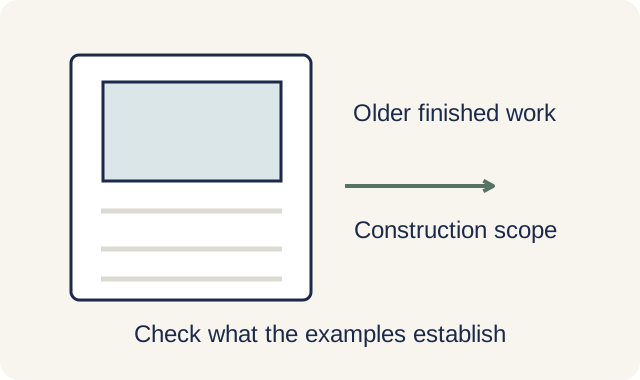
Ask for examples of completed pools that have been in use long enough for the owner to discuss upkeep and defect handling. Confirm who performs the structure, waterproofing, plumbing and electrical work and who coordinates them. A clear responsibility schedule matters more than an assumption that every trade is in-house.
Have the appointed Qualified Person identify the approval route and a programme for the actual scope. Depth alone is not a universal threshold for pool permission. Ask what must be resolved before excavation and how design changes, delays and additional work will be agreed.
Warranty, Maintenance, and the First Two Years
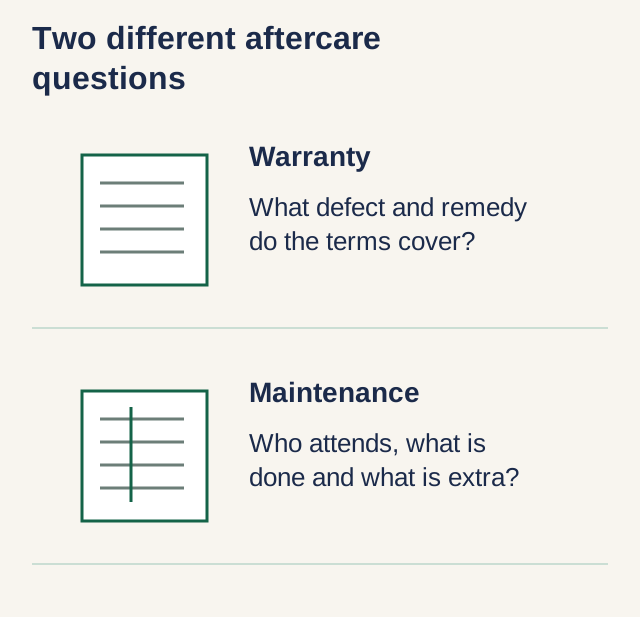
Obtain the proposed structural, finish and equipment warranty terms. Identify each issuer, covered remedy, exclusions and maintenance conditions. The headline period does not show whether access, draining or reinstatement costs are included.
At handover, keep the operating instructions, test records, approved documents and maintenance arrangements together. Ask whom to contact for a leak or equipment fault and what response is contractually offered. Do not assume all defects appear within a fixed early period.
Red Flags You Can Spot Early
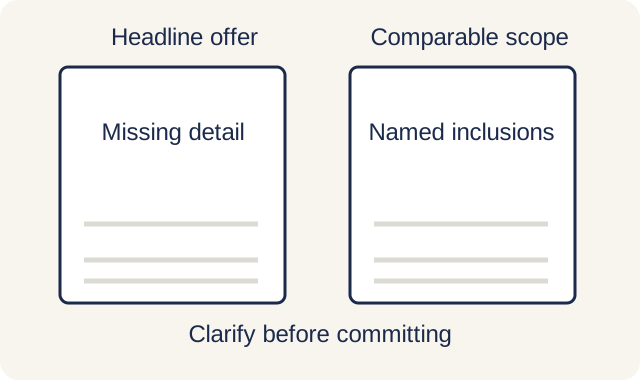
If one quote is substantially lower, compare its excavation, structure, waterproofing, equipment and surrounding-work scope with the others. Ask about provisional items and exclusions. A low number is a reason to clarify the work, not proof of thin reinforcement or unsafe equipment.
Pause if the contractor cannot identify the required permissions or explain the basis for starting work. Portfolio photographs should be traceable to genuine projects, with customer privacy respected. Obtain agreed references rather than expecting access to any named private address.
How DirectHome Helps You Choose
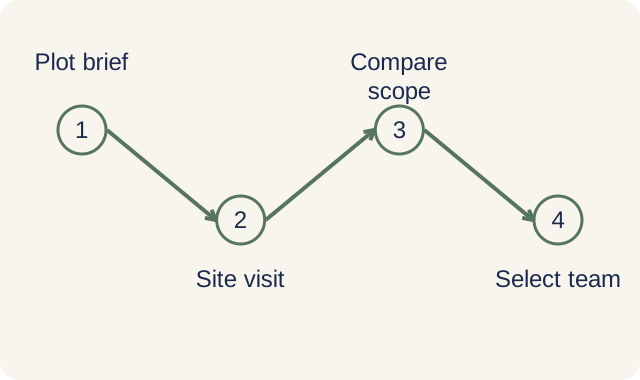
Send DirectHome the property plans, intended pool use and any access constraints to discuss the project scope. Include the household's priorities for swimming, supervision and maintenance. That allows the initial conversation to focus on what the proposed pool needs to do.
Before appointing a builder, confirm the responsible professionals, contract, programme and aftercare terms. Compare quotations against the same scope and resolve provisional work before committing. Confirm assessment availability and charges instead of assuming a promised shortlist or response time.
Swimming Pools across Singapore
Need help with your project?
Tell us what you need on WhatsApp and send a few photos. We'll arrange a free site assessment, then give you a fixed-price quote within 3 to 5 working days.