On this page
View In PDFA falling pool water level can result from evaporation, normal use or a leak. The amount and pattern of the loss need investigating before choosing a repair. Note changes from a safe position and arrange a professional check if the loss is unexplained or persistent, rather than assuming the visible waterline identifies the cause.
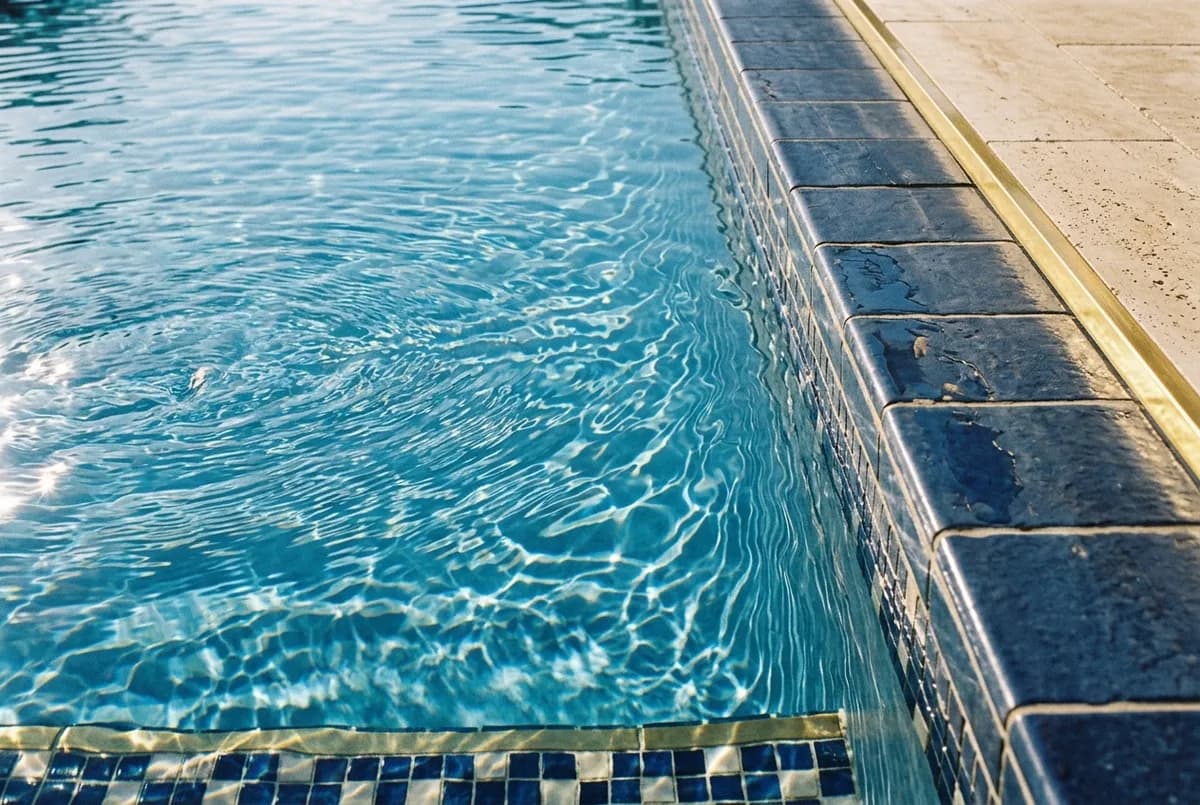
Before agreeing to swimming pool work, note the ordinary changes you can see safely: when the level falls, recent filling, pool use and maintenance. If those do not explain the continuing loss, a pool professional needs to investigate where the water is going. The observations help focus that visit; they cannot locate a concealed leak on their own.
If water is falling rapidly, surrounding ground is becoming unstable, or water is reaching electrical equipment, stop using the affected area and contact the appropriate pool professional promptly. Do not wait to complete a diary. Keep people away from unsafe surfaces and equipment; do not enter water or wet equipment spaces to investigate.
Check recent use, rain, filling and maintenance
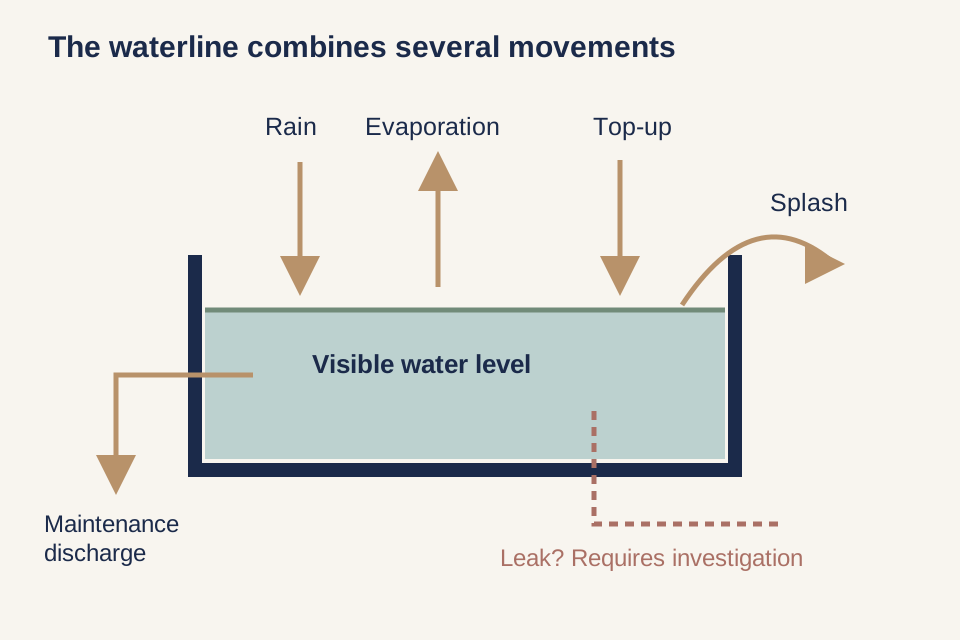
An outdoor pool gains and loses water in several ways. Rain and top-up add it. Evaporation and splashing remove it. Some maintenance operations intentionally discharge water. An overflow arrangement can also move water out of the visible pool into another part of the system.
This means a single comparison between yesterday evening and this morning may combine several events. A gathering, heavy rain, automatic filling and a service visit can all alter the starting point. Original manufacturer guidance on water levels recognises evaporation and splash-out alongside possible leaks. Its published rule of thumb should not be treated as a universal daily loss allowance for a Singapore home.
Begin with the events you already know. Was the pool used more than usual? Did the maintenance team clean a filter using a discharge process? Has anyone topped up the water? Was an automatic top-up active? Record “unknown” when you cannot tell. An honest unknown is more useful than an assumed zero.
If the change occurred only around a known maintenance visit, get the service record before treating it as evidence of a new leak. If the loss appears to continue on ordinary days without an identified explanation, give that repeated pattern to the investigator. Neither branch rules a leak in or out by itself.
Compare water levels from the same reference point

Use the same visible reference and broadly comparable observation times, from a safe standing position. A photograph showing the waterline against a fixed feature can be useful. Include the date and time rather than relying on the order in a phone album.
The reference must suit the pool. A skimmer pool and an overflow pool do not present the same visible water behaviour. In an overflow arrangement, the balance tank and control system may affect what the waterline appears to show. The contractor should explain which observations make sense for that design. Homeowners should not open tanks or alter controls to create a test.
An automatic top-up can also make the level look stable while adding more water. If an existing display or ordinary record shows filling activity, retain it. If there is no safe, established way to see that information, leave it for the specialist. Do not disable filling, change valve positions or let the water fall below the operating level to make the result more obvious.
A rising household water bill can support the concern, but it includes other water uses. Treat it as background evidence, with the billing period and any household changes attached. It is not a measurement of pool leakage.
Note new wet patches or changes around the pool
| Observation | Record with it | What it cannot establish alone |
|---|---|---|
| A lower waterline | Same reference, time, rain, use and known filling. | Where the water went. |
| More frequent top-up | Source of the record and any control changes. | That the pool shell is leaking. |
| Wet ground or equipment area | Location, weather and ordinary operating context. | Which hidden component is responsible. |
| A change after maintenance | Work performed and any intentional discharge. | That the maintenance caused a defect. |
From accessible dry areas, note new damp ground, persistent wetness around equipment, changed paving or a visible crack. Locate the observation on an overview photograph and take a closer image if it can be done safely. A puddle “near the pump” is less informative than a photograph showing where it sits relative to the equipment.
These clues need context. Wet ground may follow rain or irrigation. A surface crack does not prove a through-leak. Water can travel before it becomes visible. An equipment-area leak may occur only during a particular operating condition, so the time and the normal mode displayed at that moment can help.
The aim is to preserve the pattern without disturbing it. Do not tighten fittings, open a filter, remove a drain cover or trace buried pipework. Pool systems can contain hazardous pressure; an original filter manual explicitly assigns pressure tests to a trained pool professional. A general article is not a safe substitute for that work.
Ask the investigation to identify where water is being lost
| Professional method | Question it helps answer | What it cannot prove alone |
|---|---|---|
| Controlled evaporation comparison | Does pool-level loss exceed a reference exposed to comparable weather? | The leaking component or exact location |
| Dye localisation | Is water drawing into a suspected opening or fitting? | That every connected pipe is sound or the visible opening is the only fault |
| Isolated pipe pressure test | Does the isolated line retain pressure under a controlled test? | The precise buried point needing excavation |
| Acoustic localisation | Where can leak-related sound narrow the search? | That a quiet area or an untested component has no leak |
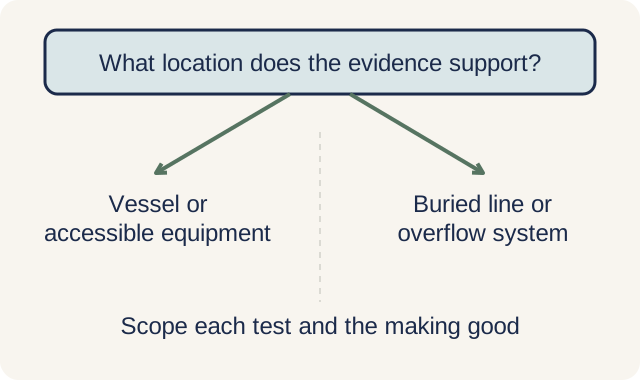
A specialist's proposal should begin with the system and the reported pattern. It may need to distinguish the vessel, accessible equipment, underground lines and any balance or overflow arrangement. Different tests answer different questions; one test does not automatically clear every connected component.
A controlled evaporation comparison uses a reference container alongside the pool to compare level change over an agreed period; a 24-hour comparison is one professional information-gathering method. If the pool loses more after filling, rain, splash and discharge are accounted for, evaporation alone is less likely to explain the loss. It does not locate the leak, and an overflow or automatic-fill arrangement needs suitable control by the investigator.
Dye and isolated pressure tests answer different questions. Dye can reveal water being drawn through a suspected gap, while a pressure test checks a deliberately isolated pipe section for loss. A leaking test plug or isolation valve can mislead the result, so the technician must verify the test boundary. Acoustic equipment can then help narrow a buried location before an opening is agreed. These checks need a trained professional; changing valves or pressurising equipment yourself can create both danger and a misleading diagnosis.
The useful explanation is what each proposed test can establish, what access it needs and what remains outside its scope. If the method requires altered operating conditions, the professional should control those conditions and explain how normal operation will be restored. Any interruption to swimming or filling should be agreed as part of the test.
A location suspected from preliminary observations should remain a suspected location until supported by the investigation. If the proposal jumps directly from “water loss” to widespread hacking or resurfacing, the missing step is the evidence connecting that repair area to the loss.
Access work also matters. Locating a hidden leak may require opening an area, but detection, excavation, pipe or shell repair and reinstatement are separate parts of the job. Establish which are included and how additional openings will be agreed. Otherwise a diagnostic price can be mistaken for the cost of restoring the pool and garden.
For broader renovation and contractor-scope decisions, the swimming pool buying guide sets out the surrounding project questions. A leak investigation should give the next decision better evidence, whether that leads to a local repair or a larger discussion.
Check whether the repair resolved the unexplained water loss
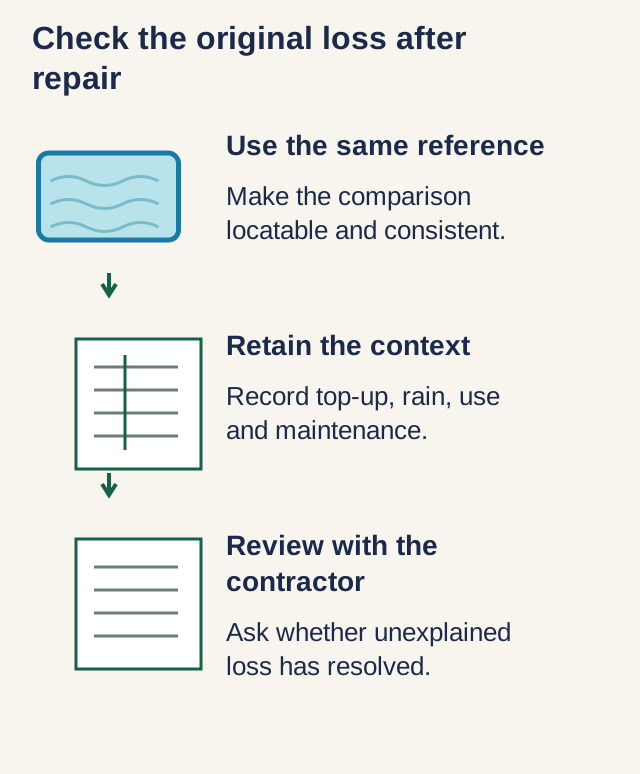
A useful report describes where the loss was found, the evidence, the repair performed and the conditions used to assess the result. It should also identify any parts of the system that were not tested. Photographs before an opening is closed can help preserve the location and work done.
The follow-up comparison needs the same discipline as the original observation. A pool that was just filled cannot prove that the unexplained loss has stopped. The professional should set the observation period and operating conditions appropriate to the repair, including how rain, top-up and maintenance will be recorded.
Water quality and swimming readiness remain separate decisions. Clear water is not a substitute for the testing and treatment required for a home pool. After an investigation or repair, the team should explain when normal operation and swimming can resume.
Bring dated waterline photographs, known filling and discharge details, recent maintenance and any new wet patches to the first visit. Tell the investigator which details are unknown rather than changing the controls to find out. Those observations can help narrow the next professional checks and keep the repair tied to the cause of the loss.
Swimming Pools across Singapore
Need help with your project?
Tell us what you need on WhatsApp and send a few photos. We'll arrange a free site assessment, then give you a fixed-price quote within 3 to 5 working days.