Blog
Blog
Practical articles on costs, maintenance and renovation decisions for landed homes in Singapore.
21 articles for Swimming Pools
Pool Equipment Layout: Make Future Servicing Easier
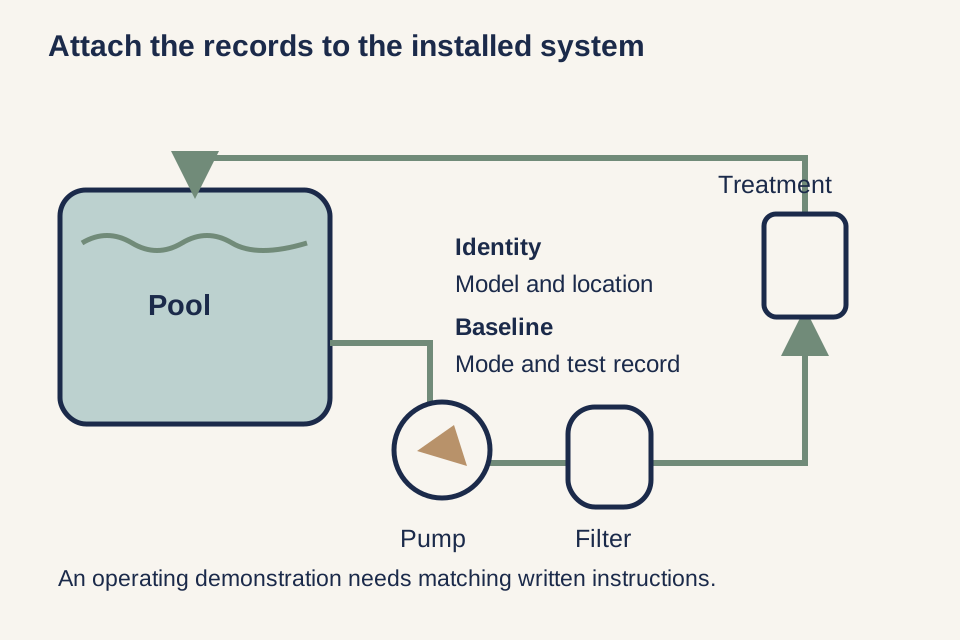
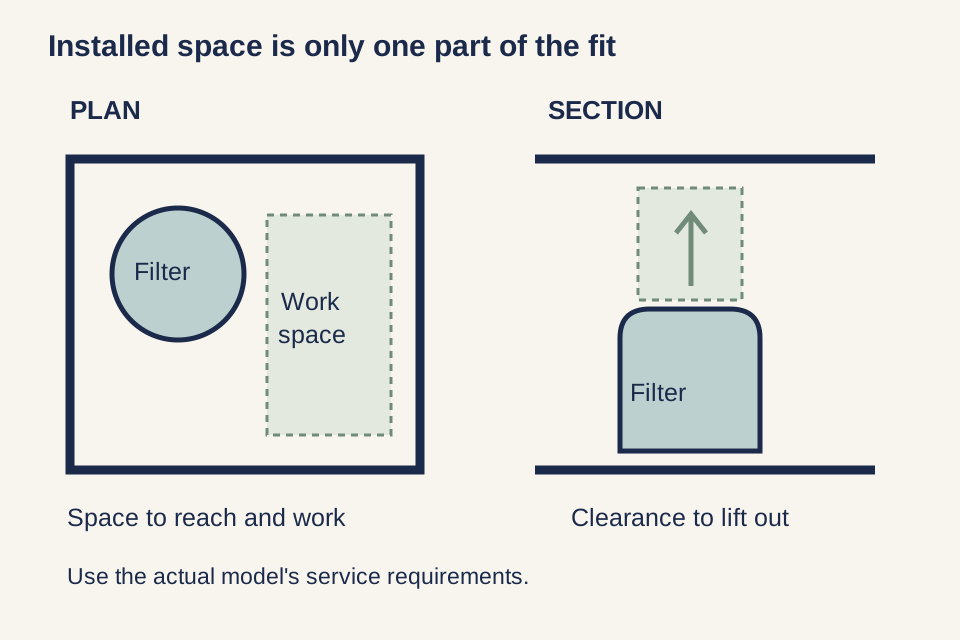
Pool equipment needs room for cleaning and repairs after installation. A filter that fits tightly into a cupboard may be impossible to open or remove without dismantling the surroundings. Plan working space, access to valves and a route for replacing equipment before finishing the enclosure, so ordinary maintenance does not become building work.
Swimming Pool Construction Timeline in Singapore: How Long to Allow
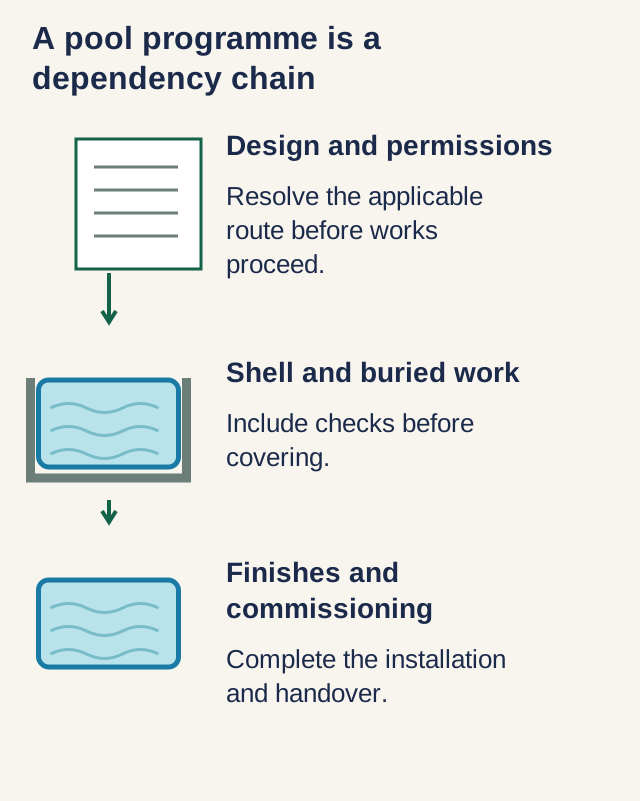
For a concrete in-ground home pool, allow an indicative 10–16 weeks for installation once the design, required approvals and site arrangements are ready. A prefabricated fibreglass shell has a shorter guide window of 6–8 weeks, while an overflow design can take 12–18 weeks. These contractor guide durations describe different pool scopes; they are not a promise that design, permissions and every garden improvement fit inside the same window.
Pool Safety at Home: Fences, Covers and Alarms Explained
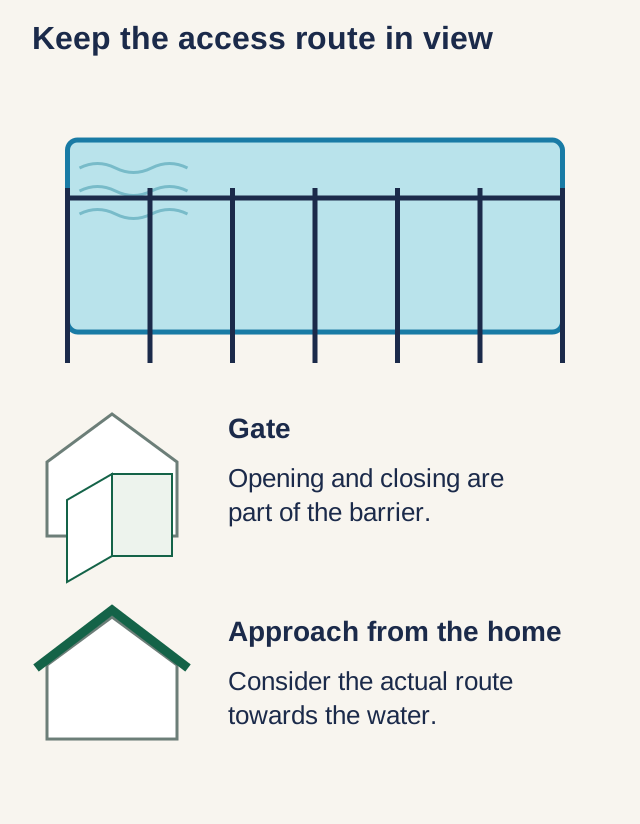
Pool safety needs several protections working together. A fence can restrict access, a suitable safety cover can provide another barrier, and an alarm can alert someone to a problem. None removes the need for supervision. Plan those measures around the people who use or visit your home, including how they reach the pool from the house.
Pool Losing Water? How to Tell When It Needs Investigating
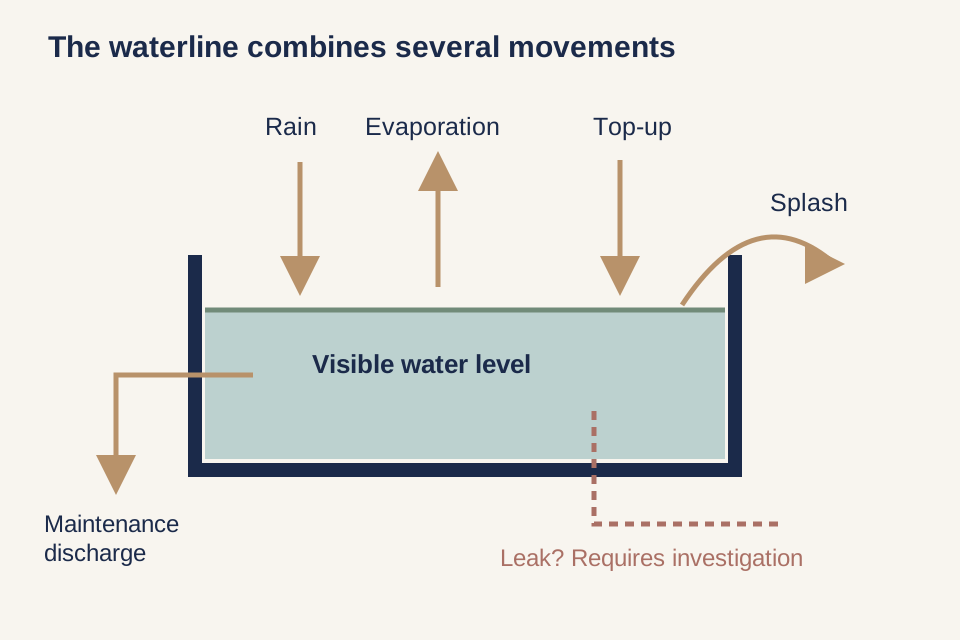
A falling pool water level can result from evaporation, normal use or a leak. The amount and pattern of the loss need investigating before choosing a repair. Note changes from a safe position and arrange a professional check if the loss is unexplained or persistent, rather than assuming the visible waterline identifies the cause.
Sand vs Cartridge vs DE: 3 Pool Filters Compared
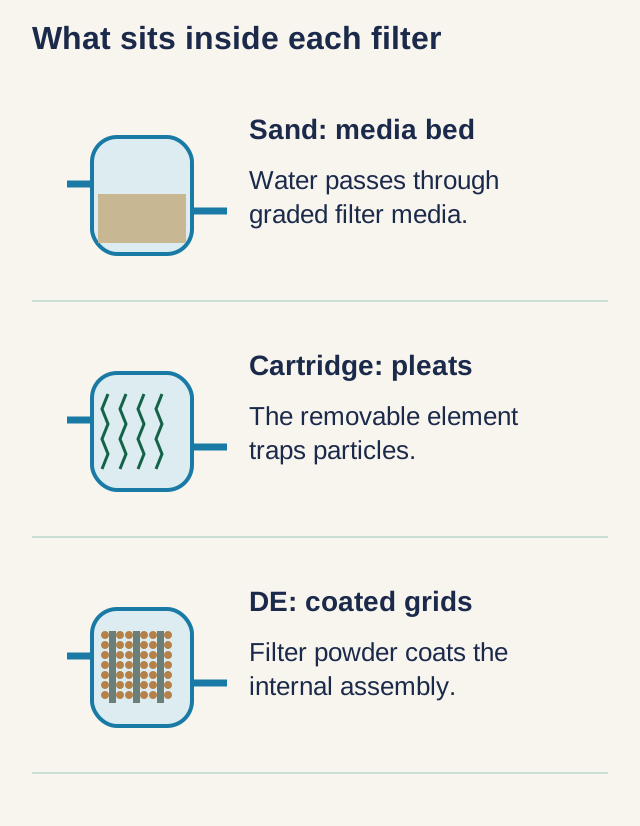
Sand, cartridge and diatomaceous earth (DE) filters remove particles from pool water, but they are cleaned and maintained differently. Compare those routines alongside the filter's suitability for your pool and pump. The most useful choice is one that the person maintaining the pool can look after properly, with the necessary access and replacement supplies.
Swimming Pool Monthly Maintenance Cost in Singapore
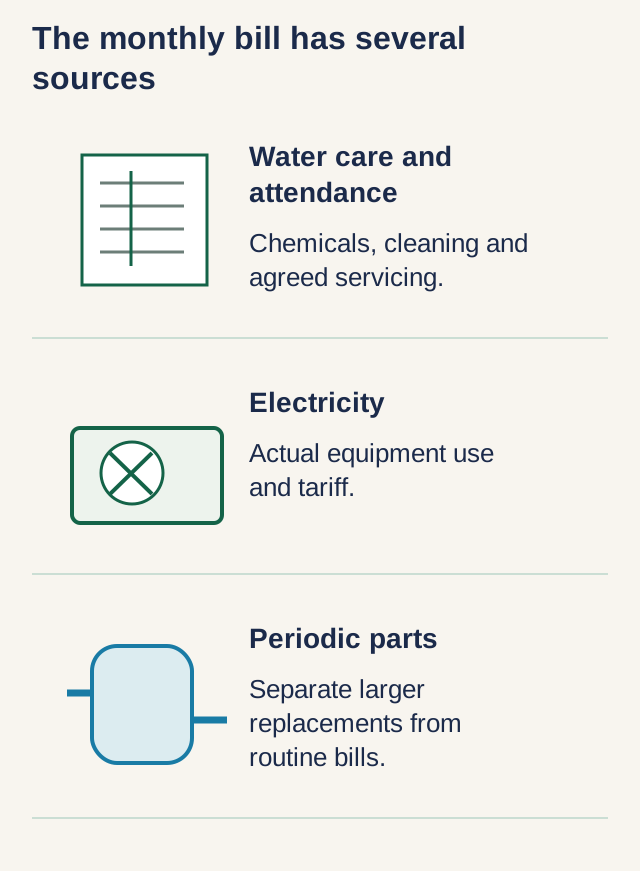
For a home pool up to 50 m², service-plan starting prices are S$200/month for one visit, S$380 for two visits or S$700 for weekly attendance. Electricity, water, excluded treatment supplies and repairs sit beyond that service fee. In the worked example below, a two-visit plan plus a 1 kW pump running 8 hours daily and 5 m³ of top-up water comes to about S$473–S$479/month before GST, with excluded chemicals and repairs still to add.
3 Small Pool Options for Singapore Landed Homes
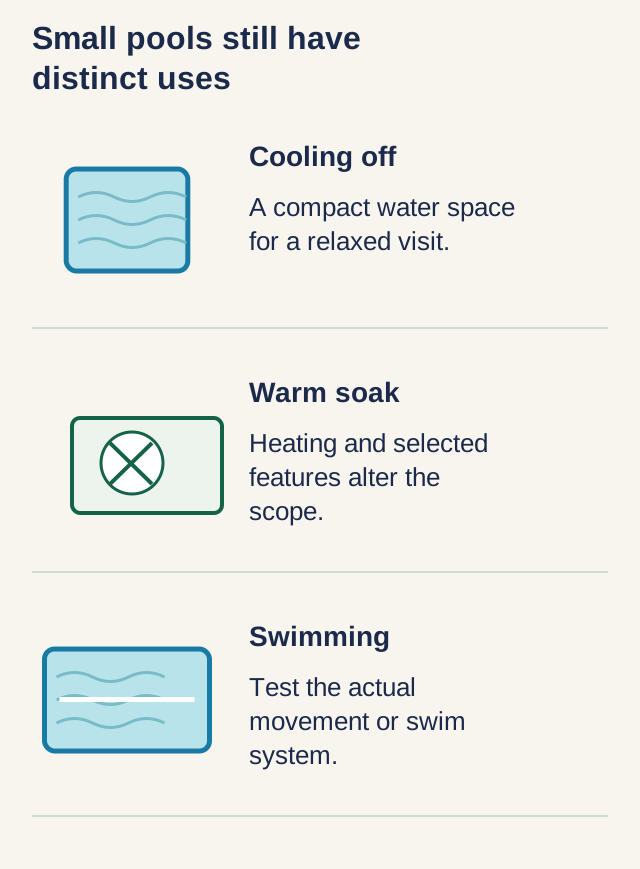
A small garden can accommodate different kinds of pool, but a plunge pool, spa pool and compact lap pool offer different ways to use the water. Start with whether you want to cool off, sit and relax or swim for exercise. Then compare the space needed for the pool, its equipment and a comfortable route around the garden.
Choosing a Pool Builder: Questions to Ask Before You Sign
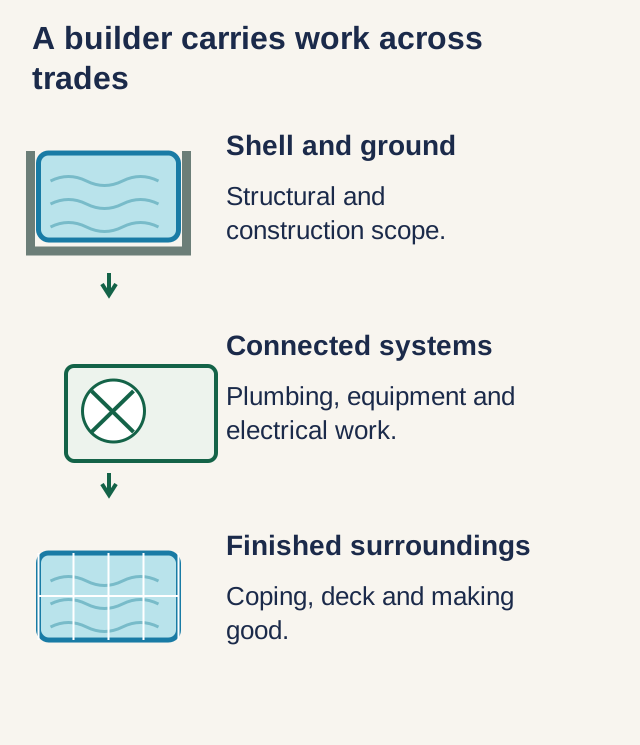
A pool builder is responsible for work you will no longer see once the water and finishes are in place. Ask how the design, construction, waterproofing and equipment will be coordinated, then compare that scope with relevant completed work and written aftercare. An appealing pool image is a useful design reference, but it cannot answer those questions.
Infinity Pool Cost: What Are You Paying Extra For?
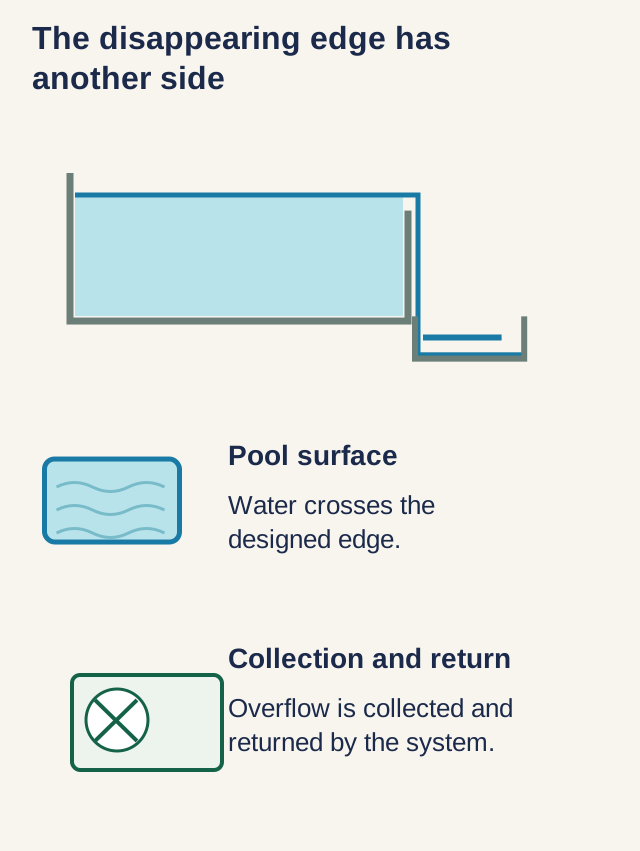
For a roughly 4 × 10 m infinity or overflow pool, a 2026 Singapore construction guide gives S$150,000–S$300,000. Treat this as a contractor planning range for that pool type and size, not a fixed DirectHome quote or the price of adding an edge to an existing pool. The final budget depends on the structure, overflow system, access and surrounding work.
Swimming Pool Renovation: Refurbish or Start Again?
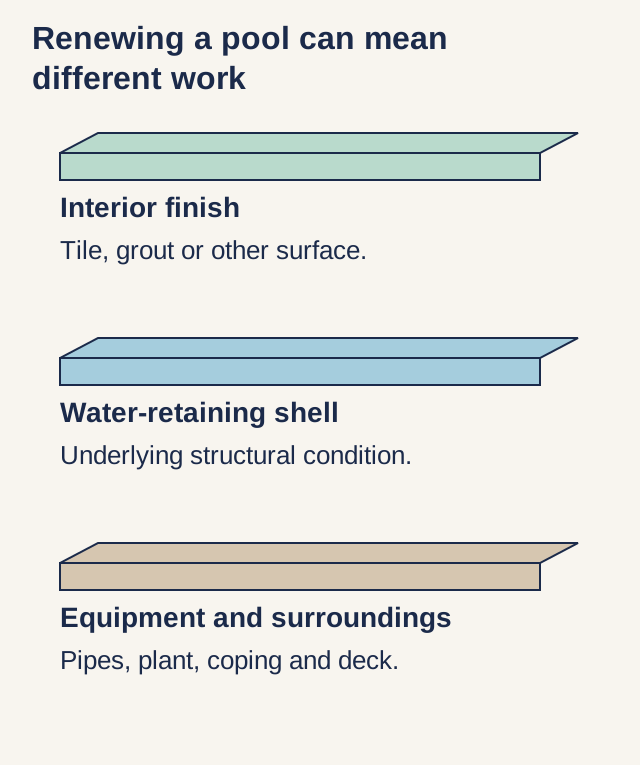
A pool with tired finishes may be suitable for refurbishment, while leaks, structural concerns or a major layout change can require wider work. Inspect the existing pool before deciding how much to replace. Compare finishes, equipment upgrades and rebuilding as separate scopes so the budget follows its condition and the result you want.
Concrete vs Fibreglass Pools: Which Fits Your Home?
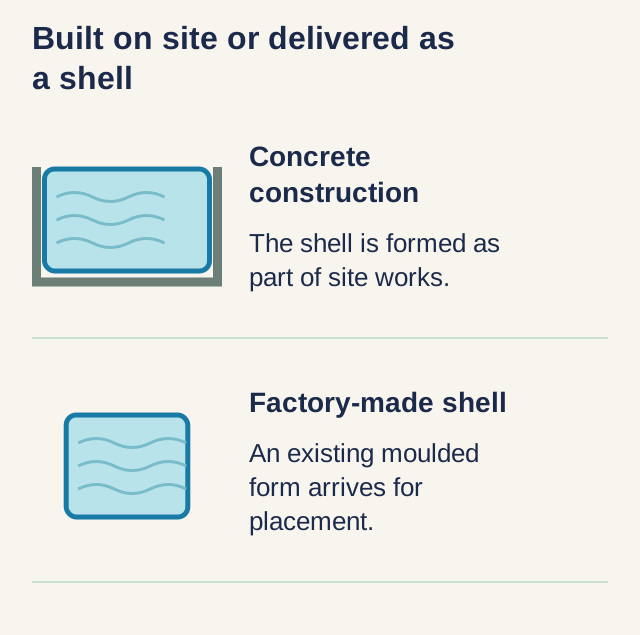
Concrete pools offer flexibility in shape and construction, while a fibreglass pool starts with a manufactured shell that must reach and fit the site. That difference affects access, building work and design choices. Compare both against your actual plot and pool requirements, rather than treating a shell price and a complete construction quote as equivalent.
Pool Finishes Compared: Porcelain, Glass Mosaic or Pebble?
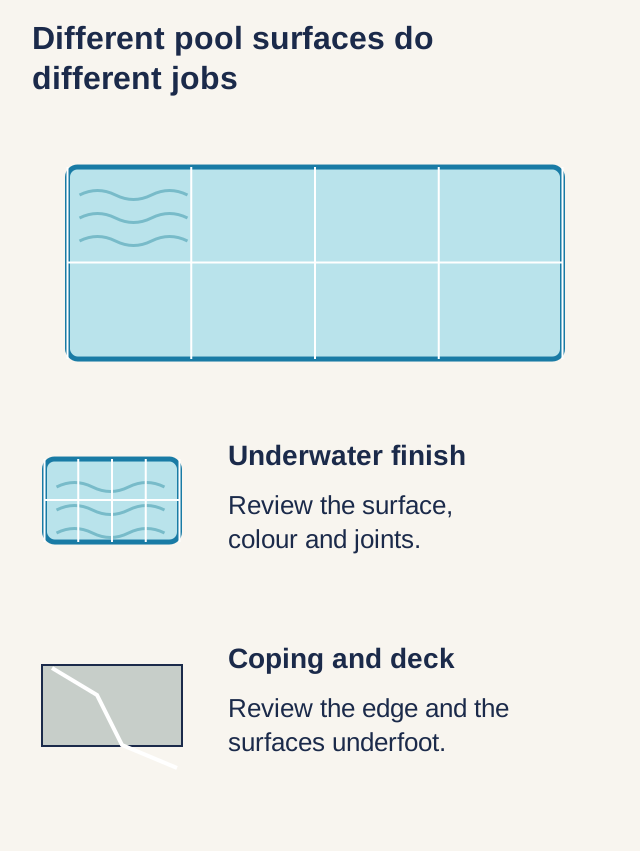
Porcelain, glass mosaic and pebble finishes create different appearances and cleaning demands in a pool. Compare samples alongside the proposed edges, steps and installation details, where the finished surface affects everyday use. The colour you like is one decision; the suitability of the complete finish for that part of the pool is another.
Plunge Pool vs Lap Pool: Which Will You Use More?
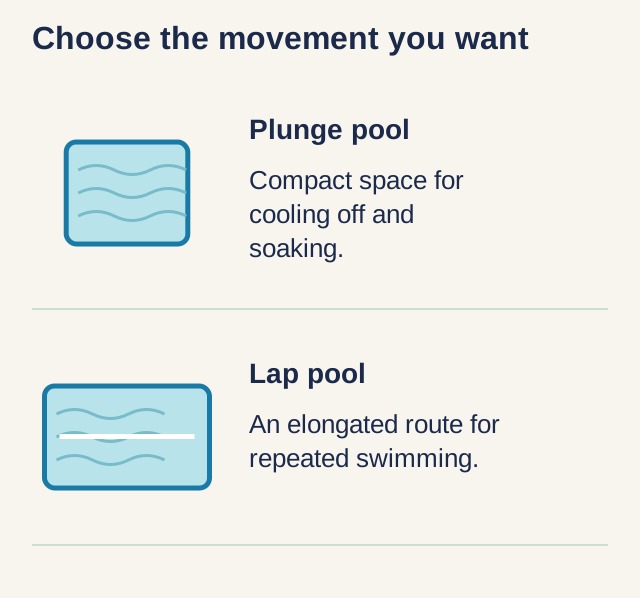
Choose a plunge pool if the main aim is cooling off and relaxing; consider a lap pool if swimming lengths will be part of your routine. The space each needs must be assessed with access, equipment and the rest of the garden. A larger pool is worthwhile when it supports the way your household wants to use it.
Saltwater vs Chlorine Pools: Cost, Care and Comfort
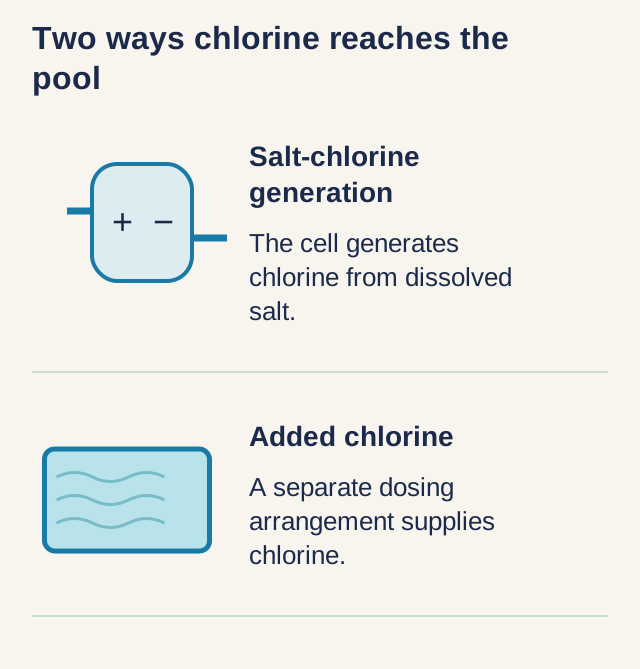
A saltwater pool still uses chlorine: a salt chlorinator produces it from salt in the water, while a conventional system receives chlorine added separately. Both need water testing and equipment care. Compare the installation, ongoing supplies and maintenance routine before choosing the approach that suits your pool and the person looking after it.
Swimming Pool Cost in Singapore 2026: Build and Ownership Budget
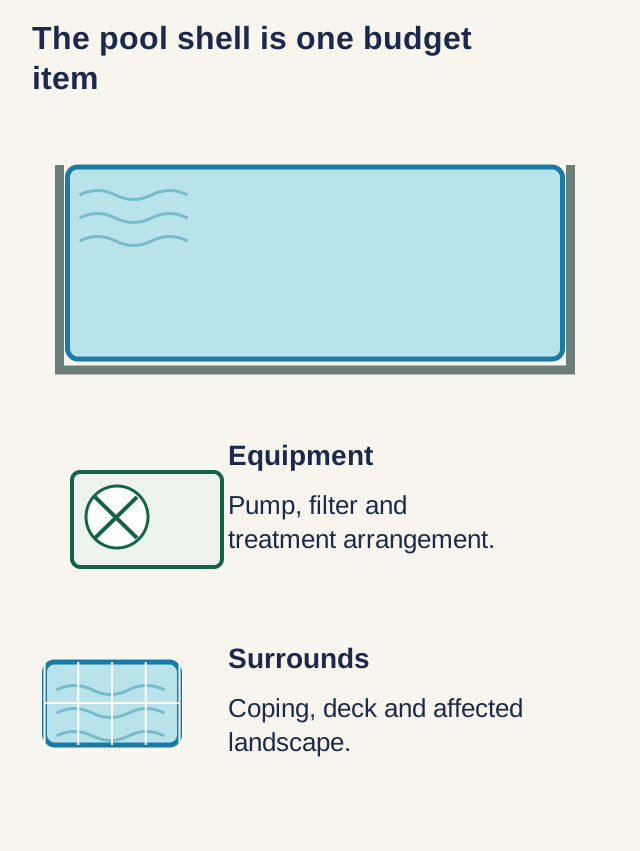
A concrete in-ground pool about 4 × 8 m to 5 × 12 m has an indicative 2026 Singapore construction budget of S$80,000–S$180,000. Compact plunge-pool guide figures start lower, at S$35,000–S$60,000 for roughly 2 × 3 m to 3 × 4 m. These are contractor planning ranges, not fixed DirectHome prices; the complete budget must establish equipment, access, professional fees and the surrounding work as well as the pool itself.
Is a Heated Pool Worth It in Singapore?
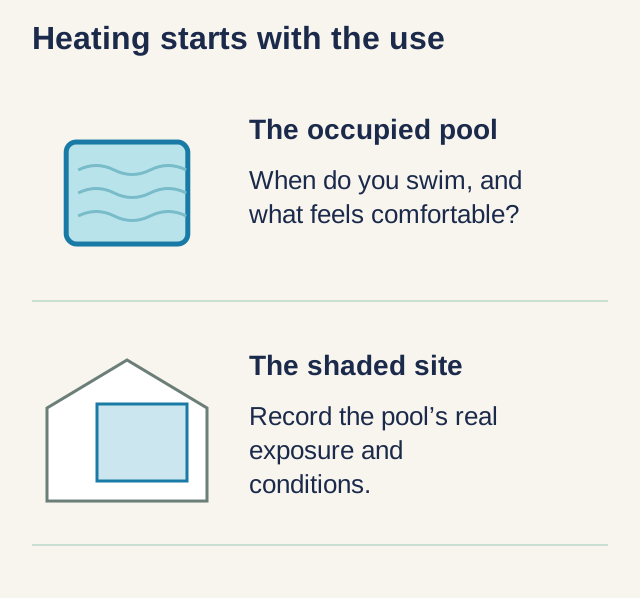
A pool heater is worth considering when the water is regularly uncomfortable at the times your household wants to swim. Singapore's warm climate does not answer that question for every pool or swimmer. Start with the actual conditions and intended use, then compare heating equipment, electricity or fuel use and maintenance before adding it to the project.
3 Pool Cover Types: Which One Does the Job You Need?
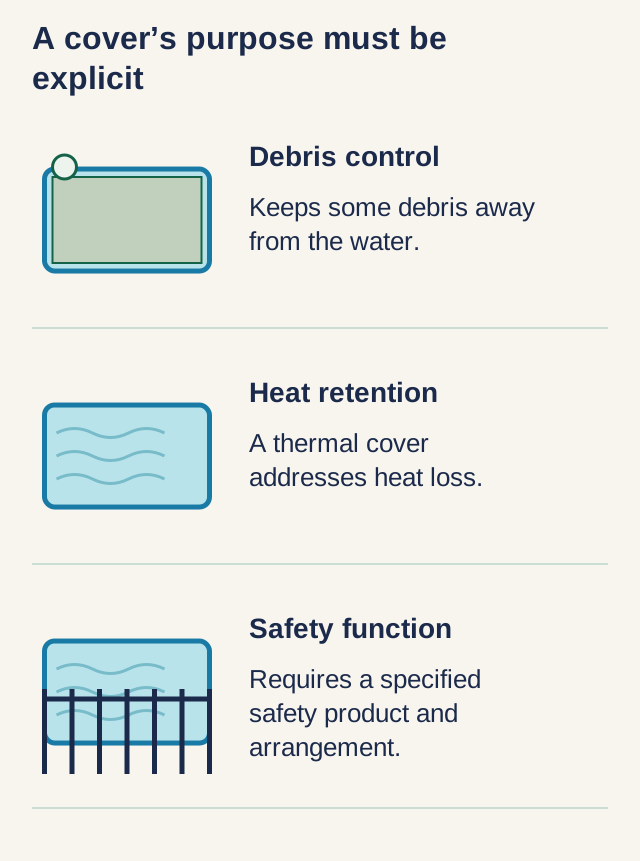
Debris, safety and solar covers are designed for different purposes. Keeping leaves out does not establish that a cover can protect someone from falling in, and retaining heat does not make it a safety barrier. Choose the job you need the cover to do first, then check the actual product, fittings and operating requirements.
Building a Pool in Singapore: Approvals to Plan First
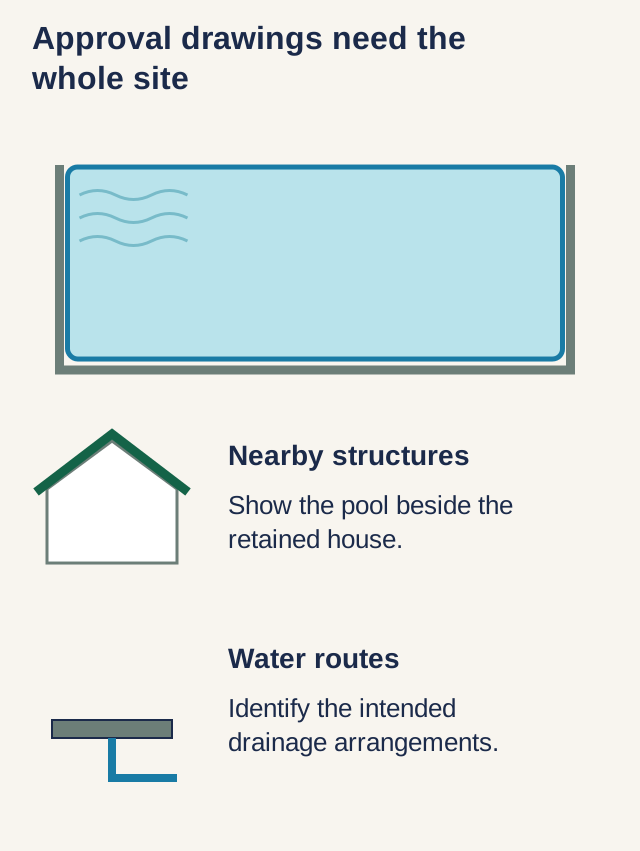
Planning a home pool involves the proposed structure, its location and the building and services work around it. Confirm the approvals and professional responsibilities before excavation, while changes can still be made to the design. Equipment supply and a pool drawing alone do not settle the requirements for the complete project.
Variable-Speed Pool Pumps: Is Upgrading Worth It?
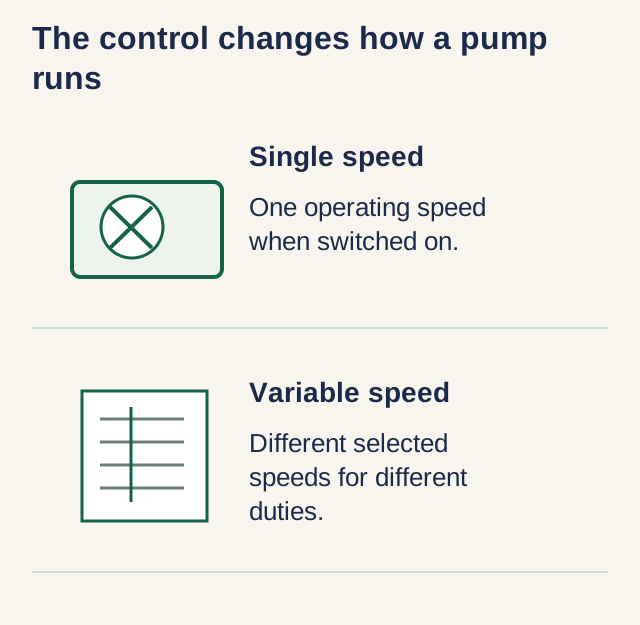
A variable-speed pool pump can adjust its speed for different operating needs; a single-speed pump cannot offer that same adjustment. Whether an upgrade is worthwhile depends on the flow your pool needs, how the equipment is controlled and how it will be run. Compare a proposed operating schedule and total installation cost before relying on a savings claim.
Swimming Pool Maintenance: A Practical Guide for Owners
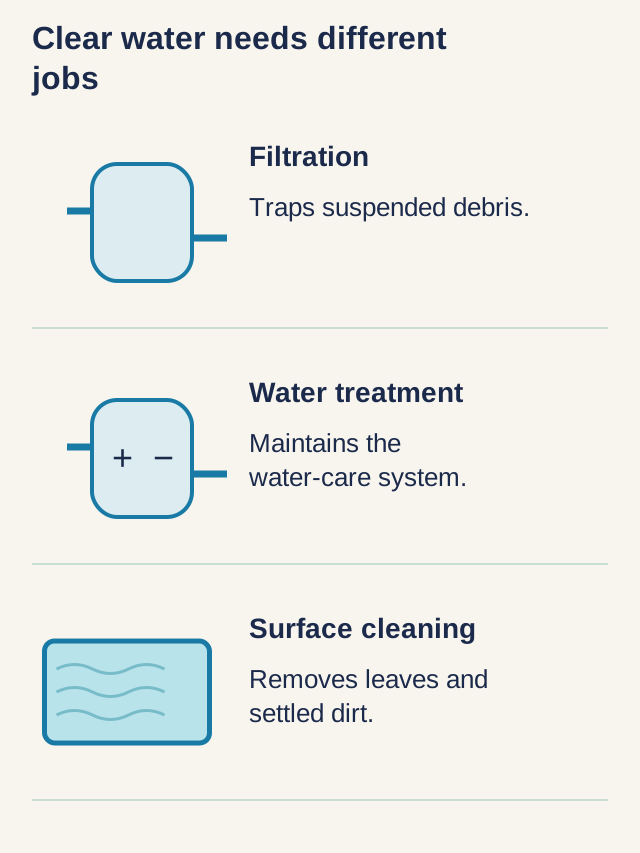
Pool maintenance combines water treatment, cleaning and equipment care. A clear routine helps the owner and maintenance provider understand who does each task and when a change needs attention. Start with the pool's operating instructions and service arrangement, then keep track of results so recurring problems are investigated rather than repeatedly treated in isolation.