On this page
View In PDFA saltwater pool still uses chlorine: a salt chlorinator produces it from salt in the water, while a conventional system receives chlorine added separately. Both need water testing and equipment care. Compare the installation, ongoing supplies and maintenance routine before choosing the approach that suits your pool and the person looking after it.
Both Systems Use Chlorine: That's the First Surprise
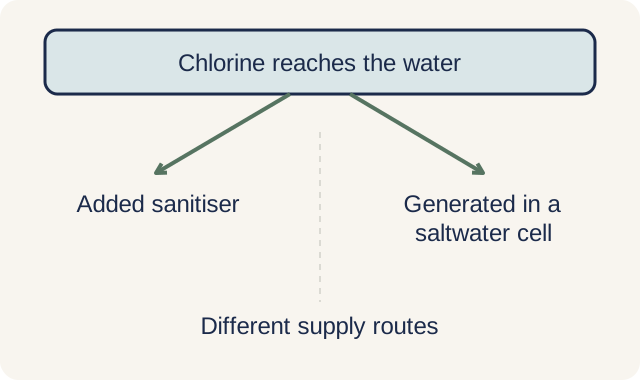
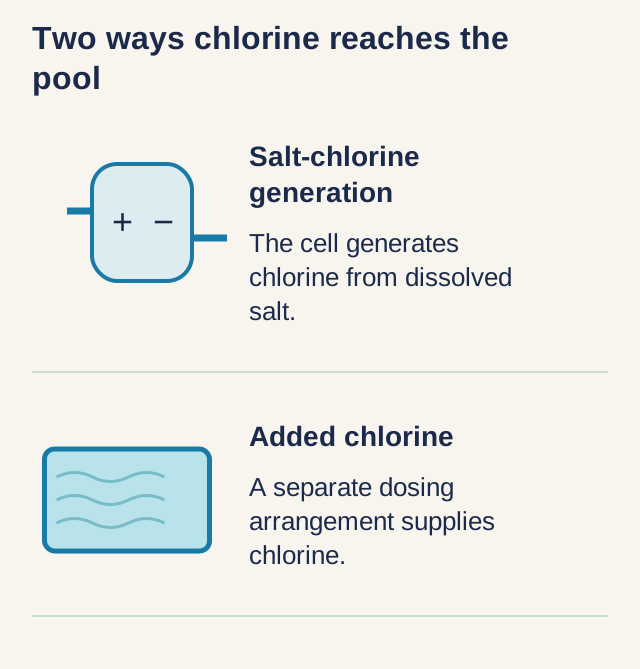
A common misconception is that saltwater pools are chlorine-free. They're not. A saltwater pool uses a salt-chlorine generator that converts dissolved salt into chlorine through electrolysis. The chlorine level in a well-balanced saltwater pool is comparable to a traditional chlorine pool. It just gets there a different way.
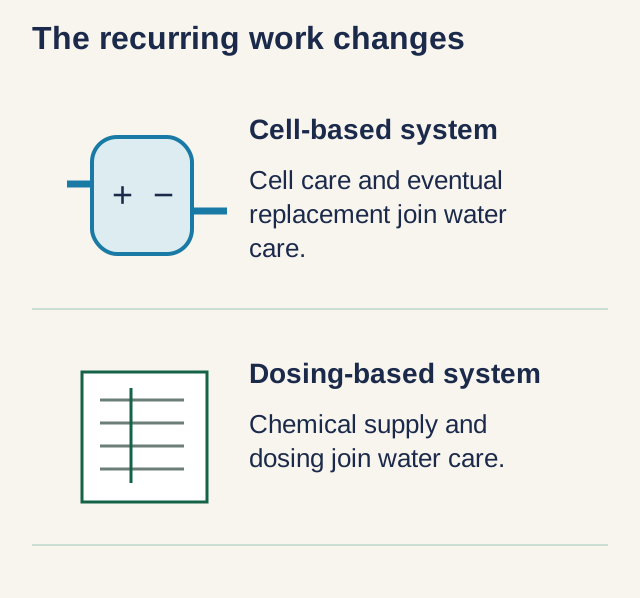
The real difference is in how you handle and store the sanitiser. Traditional chlorine pools rely on tablets, granules, or liquid added by hand or by an automatic feeder. Saltwater pools rely on a cell that lives inline with the equipment and produces chlorine on demand. Same destination, very different daily experience.
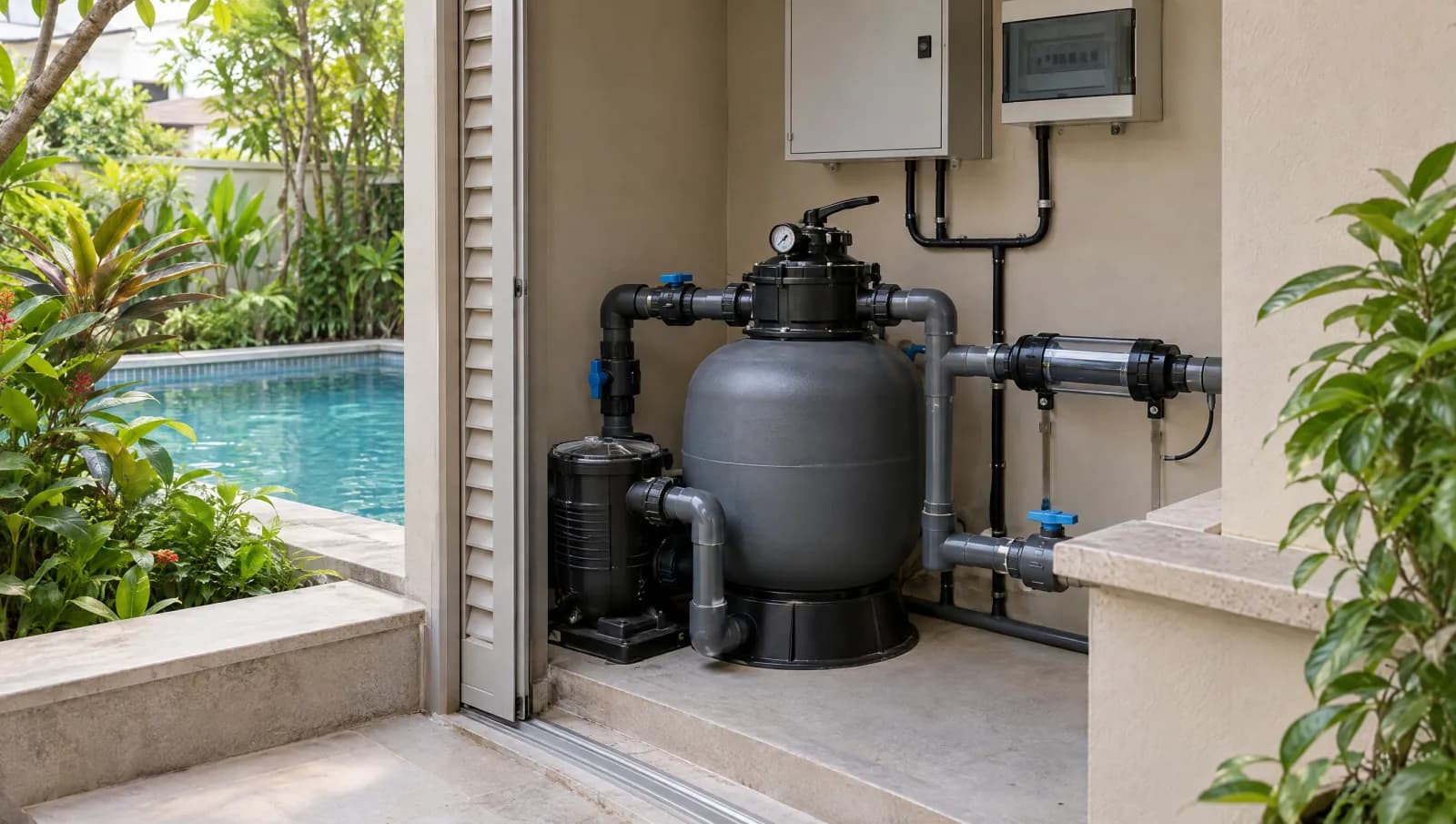
The salt cell produces sanitiser as water passes through it under the required operating conditions. It does not sense every change in the pool or remove leaves and dirt. Production still has to meet demand, and the water needs appropriate circulation and testing. Direct dosing delivers the sanitiser by another route; in either case, the household needs a system that maintains the specified water condition, rather than relying on the treatment label as proof of safety.
Setup Cost Differences
| Same existing pool | Initial equipment decision | Cost boundary |
|---|---|---|
| Keep a serviceable manual-dosing arrangement | No new dosing hardware assumed | S$0 incremental hardware only; chemicals and labour continue |
| Install salt generation | Cell, controller, fittings, wiring, initial salt and commissioning | Quotation for the selected equipment and installation |
| Replace a worn salt cell later | Cell only on existing compatible system | Quotation for the compatible replacement cell; other repairs separate |
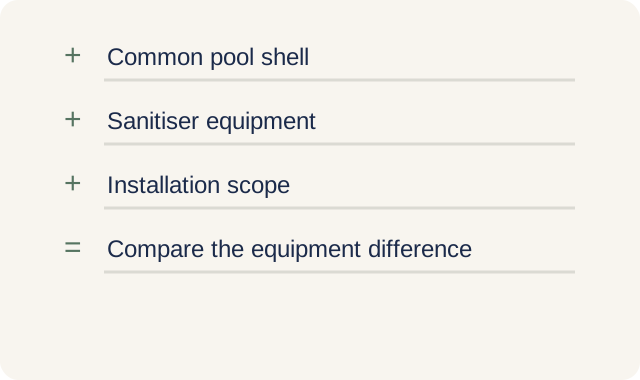
Keeping a serviceable manual arrangement avoids buying new dosing hardware. A salt conversion or new automated direct-dosing system needs its own equipment and installation quotation. The S$0 comparison applies only to retaining suitable equipment already owned; ongoing chemicals and labour remain.
A salt-chlorination proposal includes a compatible cell, controller and installation. Its output must suit the pool's chlorine demand and circulation system. A heavier pump is not automatically required; the designer must check flow and equipment compatibility.
For directly dosed chlorine, compare the proposed manual or automatic dosing equipment and storage arrangements. Quote both options on the same pool, including commissioning and water-care training. The initial difference cannot be established from a universal local allowance.
Running Costs and Maintenance
| Hypothetical five-year comparison | Keep manual dosing | Convert to salt |
|---|---|---|
| Initial system change | S$0 | S$1,600 |
| Unbundled treatment supplies per year | S$600 × 5 = S$3,000 | S$240 × 5 = S$1,200 |
| Extra generation electricity | S$0 | 150 kWh/year ×S$0.3191 × 5 = S$239.33 |
| Cell replacement allowance | S$0 | One assumed replacement: S$800 |
| Comparable subtotal before GST | S$3,000 | S$3,839.33 |
In this example salt costs S$839.33 more over five years, despite lower assumed treatment supplies. If the retained manual system instead uses S$900 a year of unbundled supplies, its five-year subtotal becomes S$4,500 and salt is S$660.67 lower. The choice changes with the actual bill. Keep cell cleaning, routine testing and labour comparable; add any extra salt-system service charge, and remove chemicals from either column if already included in the common maintenance contract. The electricity calculation holds the Q3 2026 tariff constant only to show the arithmetic.
A useful cell-life reference is the IntelliChlor IC15 manual’s approximately 10,000 operating-hour design expectation. At an assumed 2,000 recorded operating hours per year, that is about five years; at 3,000 it is about 3.3 years. It is not a warranty or a replacement date for every salt cell, and pump runtime should not be substituted blindly for the cell’s own usage record. Water conditions and the model’s diagnostic findings still matter.
A salt system still needs water testing, adjustments and eventual cell replacement. Compare electricity, chemicals, servicing and the approved replacement cell alongside the purchase price. Salt alone is not its entire running cost.
Direct dosing also needs a programme based on readings, pool use and the actual chemicals. Rain and sunlight can change demand, but a fixed daily dose is not appropriate for every pool. Have a competent service provider establish the monitoring and treatment plan.
How They Feel to Swim In
Some swimmers prefer the feel of salt-treated water, but comfort varies with the actual water balance and the individual. Salt chlorination is not a chlorine-free option or a guarantee against skin or eye irritation. Salinity must remain within the equipment's specified range.
A directly dosed pool can also be comfortable when properly maintained. If water causes irritation, stop using the pool and have the water assessed; do not simply add more chemicals or assume the treatment method is the cause. Persistent symptoms warrant medical advice.
Tile, Coping, and Equipment Wear
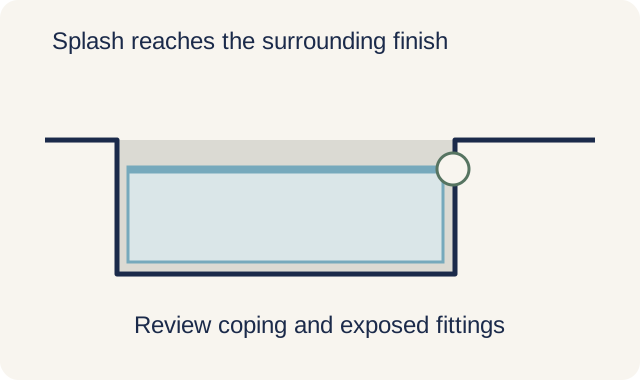
Check that the pool fittings, finish, cover and surrounding materials are compatible with the proposed water chemistry. A generic 'marine-grade' description is not a complete corrosion specification. The supplier should identify acceptable exposure and care for each material.
Poorly controlled water can damage finishes and equipment under either treatment method. The choice of sanitiser does not remove the need to monitor the pool. Keep the agreed operating limits and maintenance instructions with the handover documents.
Which Is Right for Your Pool?
Choose salt generation if its handling and control arrangements suit the household and the system is compatible with the pool. Direct dosing may be appropriate where the equipment and service plan already support it. Compare actual ownership costs rather than assuming one always pays back.
Send DirectHome the planned pool and equipment details to discuss the installation scope. Ask the responsible builder to quote both compatible options where feasible, with the monitoring, storage and future servicing arrangements clear.
Frequently asked questions
Are saltwater pools chlorine-free?
No. A saltwater pool uses a salt-chlorine generator that converts dissolved salt into chlorine through electrolysis. The chlorine level in a well-balanced saltwater pool is comparable to a traditional chlorine pool. It just gets there a different way, producing chlorine on demand rather than from added tablets or liquid.
How much does a saltwater system add to the cost of a pool?
Request a quotation for the selected cell, controller, connections, initial salt and commissioning. Confirm pool capacity, GST and any extra works. Retaining existing serviceable manual dosing has no new hardware cost, but supplies and care continue.
How often does a salt cell need replacing?
The IntelliChlor IC15 manual gives an approximately 10,000 operating-hour design expectation, which equates to five years at an assumed 2,000 hours a year. This is model-specific and not guaranteed life. Use your cell’s usage record, inspection findings and replacement guidance, and obtain a quotation for the exact compatible replacement.
Does saltwater damage pool tiles and fittings?
Check each material's compatibility with the planned chemistry and exposure. Salt can contribute to corrosion, but a blanket stainless-steel grade or finish description does not establish suitability. Follow the equipment and material suppliers' instructions.
Is saltwater or chlorine better for daily swimming?
Both methods use chlorine and need water monitoring. Personal comfort varies, so do not treat saltwater as a guarantee against irritation. Compare compatible equipment, handling requirements and service arrangements.
Swimming Pools across Singapore
Need help with your project?
Tell us what you need on WhatsApp and send a few photos. We'll arrange a free site assessment, then give you a fixed-price quote within 3 to 5 working days.