On this page
View In PDFA pool with tired finishes may be suitable for refurbishment, while leaks, structural concerns or a major layout change can require wider work. Inspect the existing pool before deciding how much to replace. Compare finishes, equipment upgrades and rebuilding as separate scopes so the budget follows its condition and the result you want.
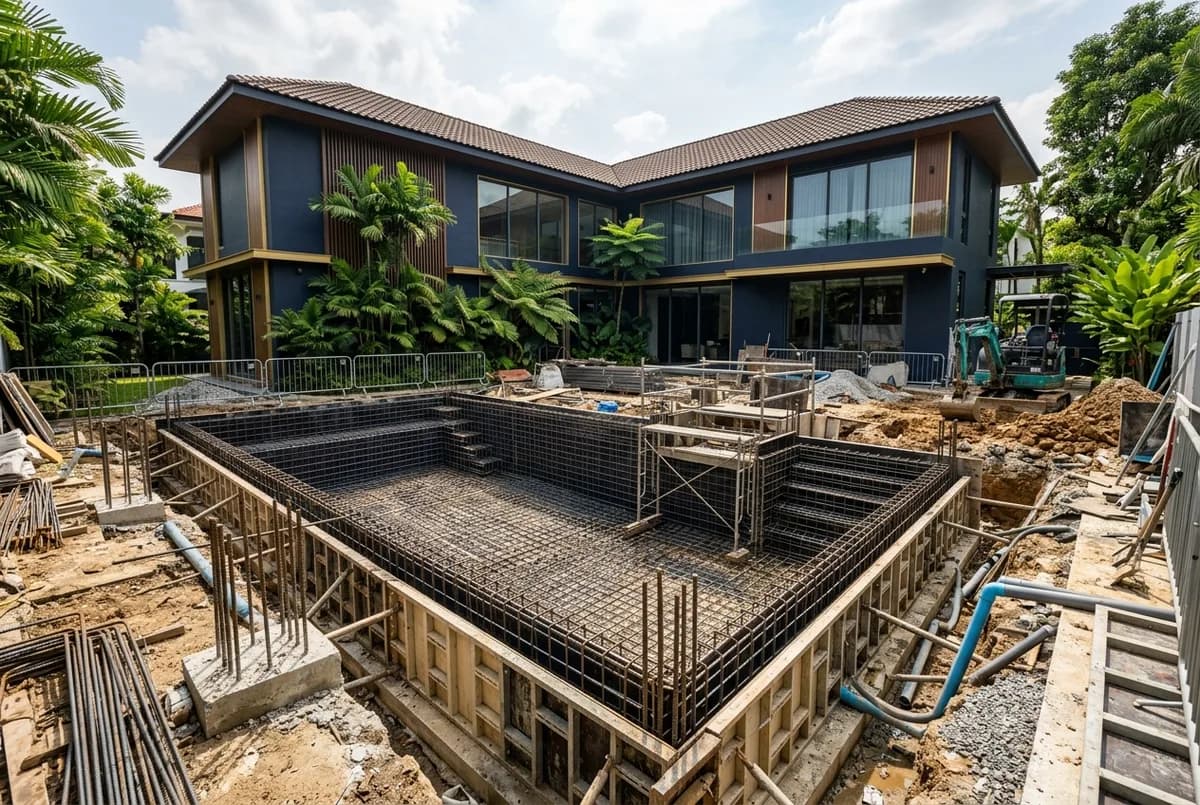
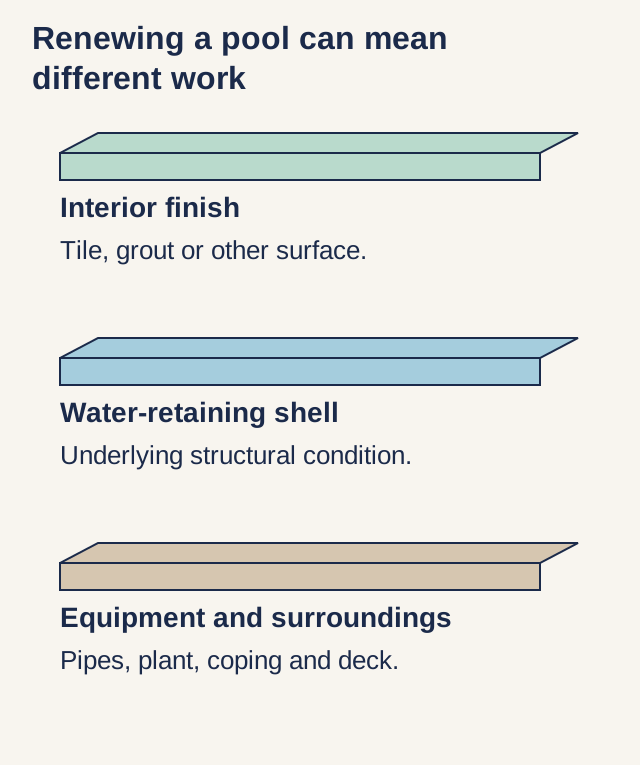
Pools Don't Last Forever Without Help
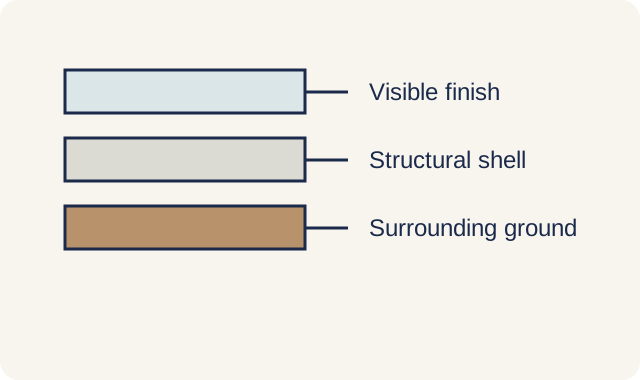
Pool finishes, pipework, structure and equipment age differently. Worn grout does not necessarily mean the shell needs replacing, while a persistent leak may need more than new tiles. Start by identifying the cause of the problem rather than deciding from the pool's age alone.
The first decision isn't what to replace. It's whether to renovate at all, or to demolish and start fresh. The right answer depends on the structural condition of the existing pool, how much you want to change about its shape and layout, and how the numbers stack up.
Signs Your Pool Needs Renovation
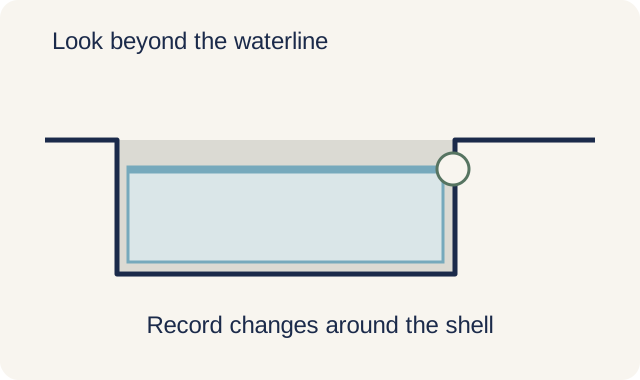
Visual signs are usually obvious: discoloured grout, missing or cracked tiles, pitted or stained plaster, persistent algae despite chemistry being correct, water-line staining that doesn't come off. Equipment signs include rising electricity bills, pumps that have been repaired multiple times, filters that clog faster than they used to, and lights that have stopped working altogether.
Cracks, unexplained water loss, movement around the deck or exposed reinforcement need competent assessment. Keep people away from unstable or electrically unsafe areas. Those signs can call for structural investigation, but the findings should decide repair versus rebuilding.
A falling water level can be associated with evaporation, pipework, fittings or the shell. Changing the interior finish without finding the route may leave the loss unchanged. Conversely, a worn finish on a sound, watertight structure can call for local renewal rather than a full rebuild. The assessment should separate those possibilities and explain what any controlled test or opening-up work is intended to establish before construction begins.
Refurbishment Scope and Cost
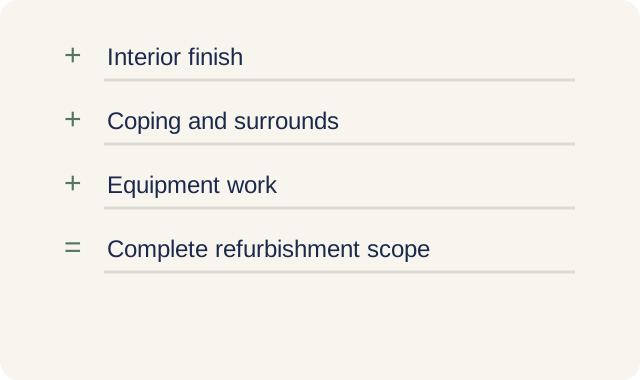
| Work being considered | Scope to establish | Basis for the quotation |
|---|---|---|
| Refurbishment | Finish renewal, waterproofing and grout on a retained shell | Inspection findings and the repair work required |
| Rebuilding | Removal of the existing pool and construction of the replacement | Designed shell, demolition, disposal, access and professional work |
A retained-shell refurbishment quotation should identify retiling, waterproofing and grout renewal separately from structural repairs, pipework, equipment and surrounding reinstatement. Confirm the condition of the shell before treating a finish-renewal quote as the complete repair budget.
A rebuild proposal must identify demolition, disposal, access, design and required submissions as well as construction of the replacement pool. Compare that complete proposal with the inspected refurbishment scope. A new-pool construction figure alone leaves out work needed to remove and replace what is already there.
| Hypothetical itemised retained-shell budget | Amount before GST |
|---|---|
| Waterproofing, retiling and grout quotation assumed | S$18,000 |
| Excluded pipe repair allowance assumed | S$3,000 |
| Excluded coping/deck reinstatement assumed | S$4,000 |
| Total for these defined works | S$25,000 |
In this exercise, the S$18,000 finish package becomes S$25,000 once two excluded tasks are included. Count any bundled tasks only once. Compare that complete retained-shell scope with the complete rebuild proposal and the problems each will resolve; a cheaper finish renewal is poor value if the shell or pipes still leak.
Refurbishment can retain a sound shell while addressing the specific finish, plumbing or equipment defects. Ask for an itemised scope identifying what is retained, removed and reinstated, including safe draining where needed. Draining a pool can create structural or groundwater risks and should be professionally planned.
The programme depends on investigation, access, product curing and commissioning. Do not assume the pool can be refilled as soon as the finish looks dry. The contractor should identify the required testing and readiness conditions before handover.
When Rebuilding Makes More Sense
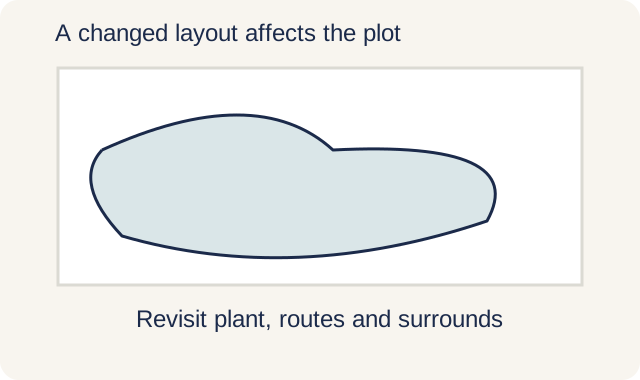
Rebuilding may be appropriate where the structure cannot reasonably be repaired or the household needs a fundamentally different layout. Obtain the engineer's findings and compare complete repair and rebuild scopes, including demolition and reinstatement. A visible crack alone is not a universal instruction to demolish.
A rebuild also requires the design and approval route to be assessed for the new work, including drainage and equipment placement. Use that opportunity to address layout problems that matter to the household. Confirm that the proposed changes are feasible before demolition.
What Often Gets Forgotten
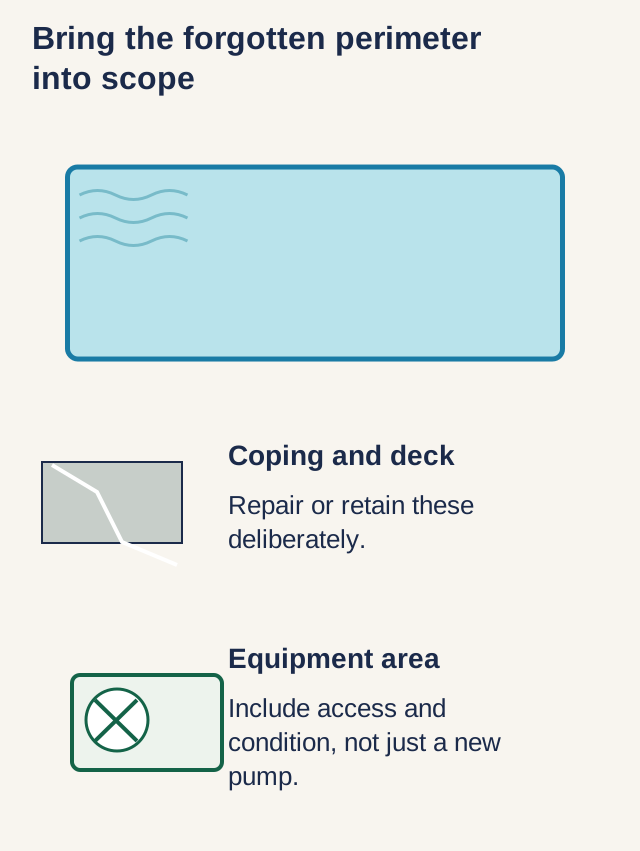
Pool renovations frequently underestimate the surrounding works. Coping, deck, lighting, drainage gullies, and equipment shed condition are easy to push aside in the planning phase and then become irritating to bring back into scope mid-project. A renovation that doesn't address the deck around the pool can leave the result looking half-done.
If equipment upgrades are proposed, compare their installed cost, compatibility and measured operating benefit. Doing work together may avoid duplicate access, but does not establish a fixed saving. Retain serviceable equipment where it suits the final design and support remains available.
How DirectHome Plans Pool Renovations
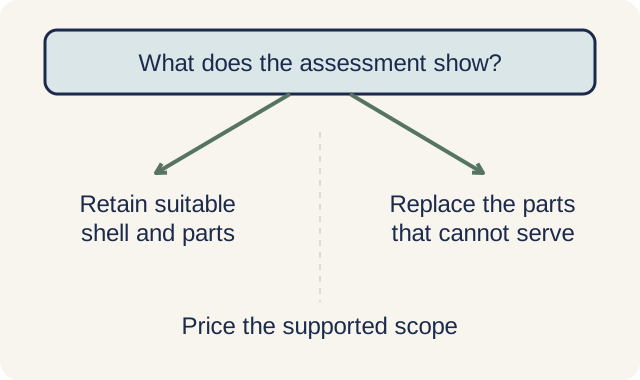
A useful renovation proposal explains the condition of the shell, plumbing and equipment before recommending replacement. Ask how each proposed task addresses the reported problem. Cosmetic improvements should not conceal an unresolved leak or structural concern.
Send DirectHome the pool's history, safe photographs and description of the problem to discuss an assessment. Confirm whether structural or equipment specialists are needed and what reports the assessment includes before booking.
Swimming Pools across Singapore
Need help with your project?
Tell us what you need on WhatsApp and send a few photos. We'll arrange a free site assessment, then give you a fixed-price quote within 3 to 5 working days.