On this page
View In PDFChoose a fibreglass pool when an available shell gives you the shape and depth you want and can be delivered to your garden. Choose concrete when the pool needs a custom layout that a moulded shell cannot provide. Compare the complete installation, because excavation, ground support and equipment remain part of either project.
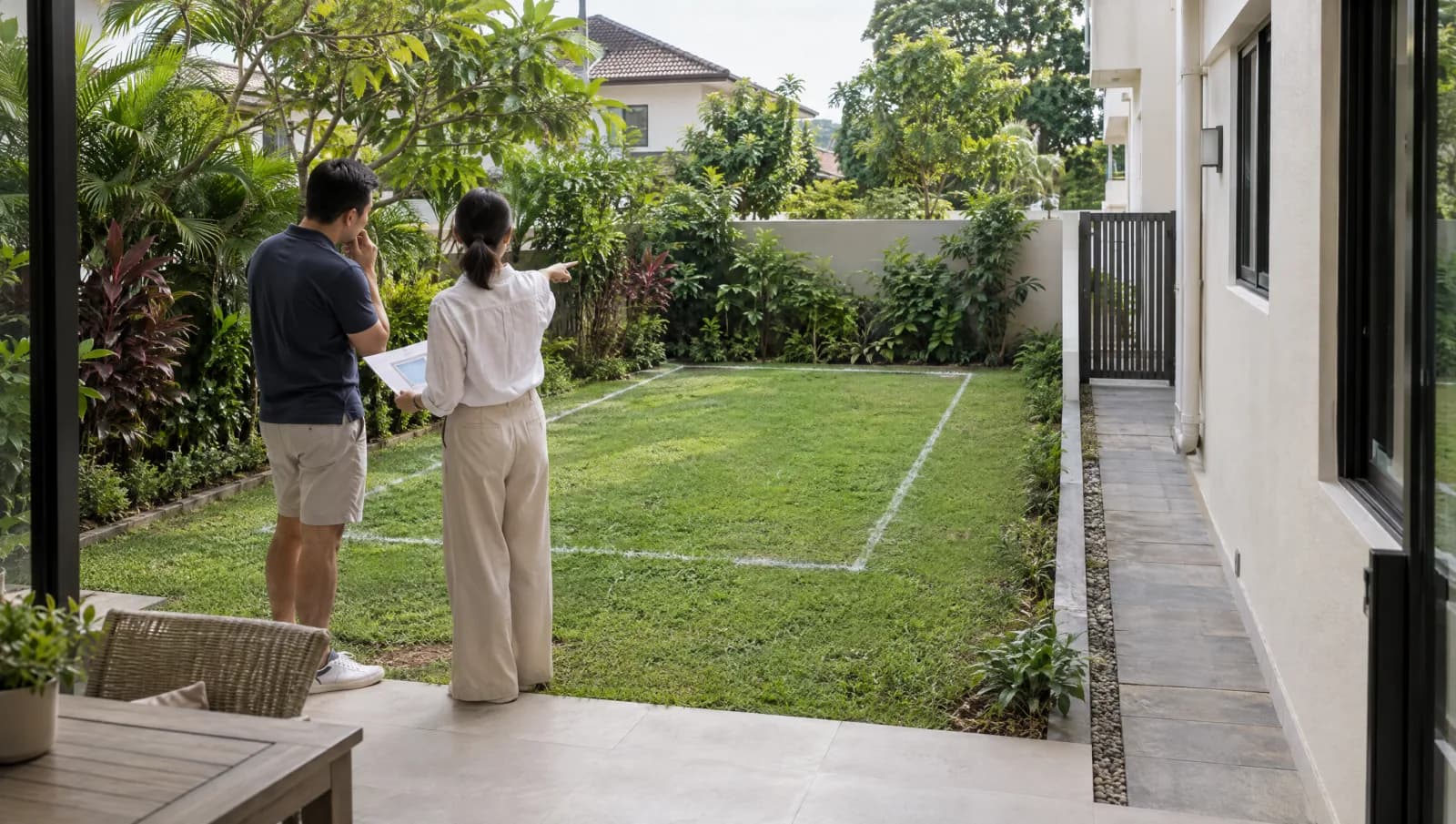
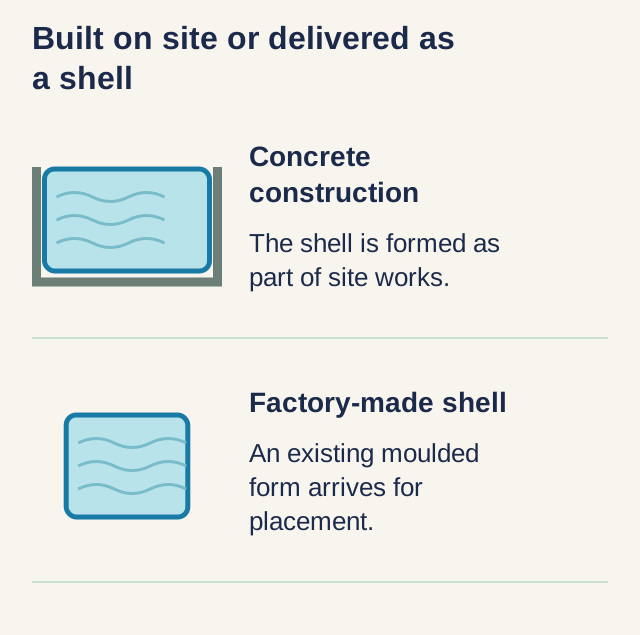
Two Different Approaches to the Same Pool
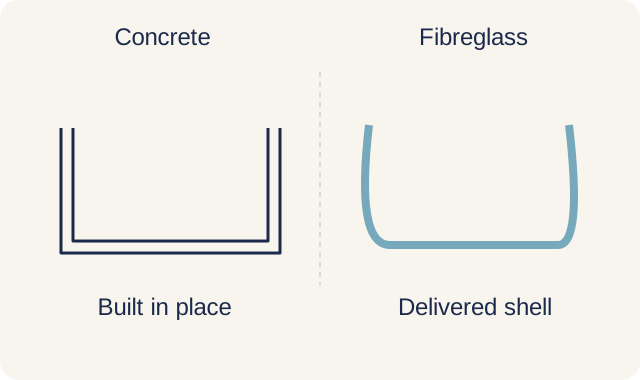
The main difference is where the shell takes shape. For a concrete swimming pool, the structure is built on site to the design. A fibreglass pool arrives as a manufactured shell with its steps, benches and depth profile already established, ready for placement on a prepared base.
That difference affects what can change during planning. With concrete, the designer can develop the water shape around the plot and intended use, subject to the structure and approvals. With a factory shell, the starting point is a model that already exists, so the question is whether its actual dimensions work for the home.
For a manufactured example, Latham’s installation sequence includes excavation, a prepared base, shell placement, plumbing, backfill and concrete decking. Its details apply to that manufacturer’s system. They show why “fibreglass” does not mean a complete pool arrives with no building work left to do.
What is gunite in pool construction?
Gunite is a way of placing concrete, not another shell material alongside concrete and fibreglass. The American Shotcrete Association distinguishes dry-mix gunite from wet-mix shotcrete: both are sprayed processes, with water introduced at different stages. A proposal using either term should still explain the finished concrete shell and its intended surface.
Cost Comparison in Singapore
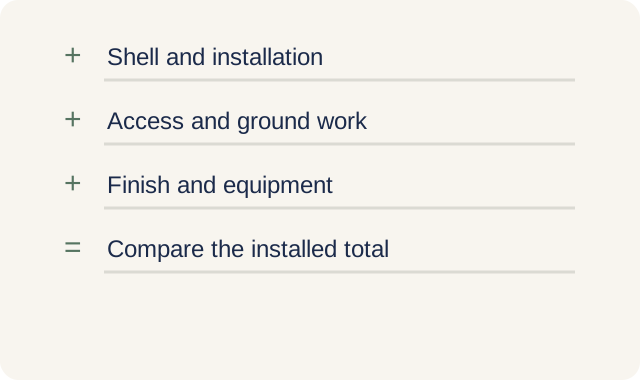
A fibreglass shell price can look attractive beside a quotation for a complete concrete pool, but the totals buy different things. Match the usable swimming area, depth and equipment first, then add the work needed to deliver a finished pool on the same site. Without that matched scope, there is no defensible saving to calculate.
| Part of the budget | Concrete pool | Fibreglass pool |
|---|---|---|
| Design and site investigation | Designed shell, ground assessment and required professional work. | Selected shell’s installation design, ground assessment and required professional work. |
| Shell and installation | Reinforcement, concrete placement, curing and specified finish. | Manufactured shell, transport, lifting, prepared base and specified backfill. |
Both quotes also need the plumbing, pump, filter and treatment equipment, the pool edge, deck, drainage and garden reinstatement, and any ground or access work still being designed.
With concrete, the shape and built-in features move the price. A custom outline, an overflow edge, built-in seats or steps in a particular place each add design and site work, so a simple rectangle and a pool with an overflow edge are not one price category. With fibreglass, the steps and seats come moulded into the shell you choose.
Access matters for both. Either way, an excavator has to reach the garden and the dug soil has to be carted away, and a factory shell also has to be delivered and lifted in at its full size, in one piece. Latham warns that extra costs may apply where access for the installation machinery is restricted. The site assessment should settle that route before a low shell price becomes the reason to commit.
A quote also needs to identify taxes, professional fees and what happens to the garden after installation. If decking appears in one total and is excluded from another, obtain that missing amount before comparing them. Our Singapore swimming pool cost guide covers the wider budget decision.
For a sense of scale, EdgeProp’s 21 May 2026 report, updated 25 May, puts a sunken pool deeper than 1.2 metres, which needs excavation works and regulatory permits, at upwards of S$150,000. The report does not give that pool’s size, how it was built or exactly what the figure covers, so it cannot tell you whether fibreglass would come in lower. There’s no current independent Singapore figure for the same pool built both ways, so don’t take a percentage saving on trust. Get both options quoted for the same water size, depth and equipment after a site visit, and leave any missing line blank rather than guessing it.
Build Time and Site Disruption
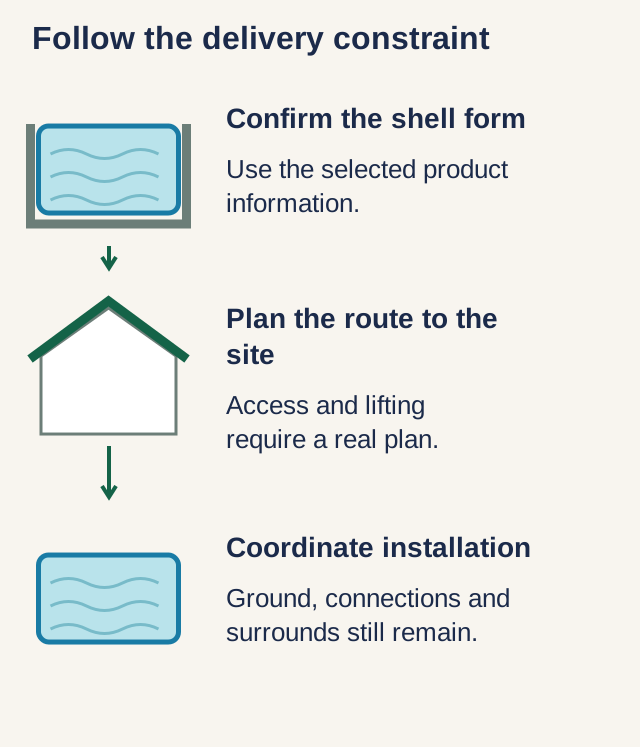
A manufactured shell removes the need to form and cast that shell in your garden. It does not remove excavation, delivery, connections or the surrounding works. Those remaining stages determine how long the garden is occupied and when the finished pool can be handed over.
Concrete adds work that happens after its shape is formed. For shotcrete pools, the American Shotcrete Association’s curing guidance explains that curing affects watertightness, durability and the bond with subsequent cementitious finishes. This is material care within the construction programme, not idle time that should simply be removed to meet a date.
The association recommends keeping a sprayed shell continuously moist for at least 7 days after its surface is finished, then wetting it at least once a day up to day 28, and periodically after that until the interior finish goes on and the pool is filled. That is a US technical body’s curing advice, not a Singapore rule or a completion date. A fibreglass shell skips that wait, although any concrete deck around it still has to set.
| Stage to clarify | Concrete | Fibreglass |
|---|---|---|
| Before work starts | Design, ground assessment, required clearances and materials. | Design, ground assessment, required clearances, shell availability and delivery plan. |
| Shell stage | Form or establish the shape, reinforcement, concrete placement and curing. | Prepare the base, place the selected shell, level and support it to the specified system. |
| Before handover | Finish readiness, plumbing and equipment checks, safe access and commissioning. | Connections, equipment checks, surrounding finishes, safe access and commissioning. |
Ask the builder to show delivery, access restrictions and work on the pool surrounds as separate parts of the programme. Shell placement is not the same milestone as being able to swim. A shell waiting for a workable lifting date can lose the scheduling advantage that attracted you to it.
Work out the approvals while the pool is being designed, whichever type you choose. Our swimming pool approval guide covers them, and the pool construction timeline walks through the whole programme.
Customisation and Design Freedom
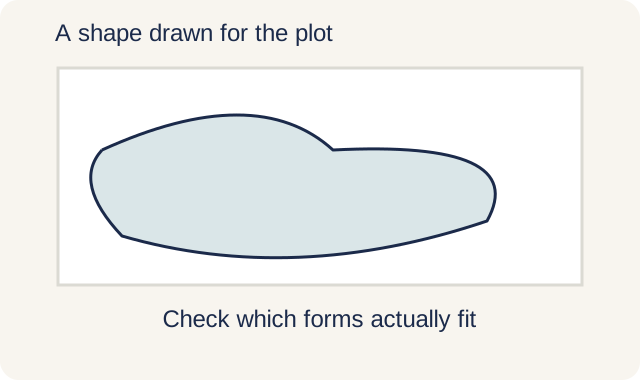
Concrete is worth examining when the intended water layout cannot be met by an available shell. That might be a narrow swimming lane, steps in a particular position or a shape that follows an awkward plot. Each still needs a practical structural design and enough space for circulation, equipment and maintenance.
Fibreglass does not mean one rectangle with no choice. Latham’s manufactured pool range includes rectangular and freeform shapes, showing the variety within a shell catalogue. Availability in that range does not establish Singapore supply; obtain the actual model drawing and local offer before treating it as an option.
Look at the usable water space, not just the shell’s outside length. Steps and benches occupy space inside the outline. If the aim is swimming lengths, compare the unobstructed swimming route; if the aim is sitting and cooling off, a bench may be the feature you value most.
The same choice applies to a prefab plunge pool. A smaller pool still needs a suitable installation and delivery route, while its seats and access steps may take up a greater share of the available water area. The plunge pool versus lap pool comparison helps decide which use matters before choosing the construction method.
Have the site plan show more than the water outline. Include the pool edge, walking space, equipment and the route used to service it. A shell can physically fit in the garden while leaving an inconvenient finished layout.
Maintenance and Lifespan
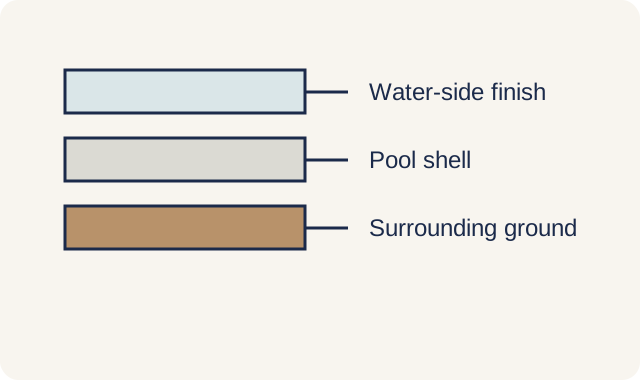
Separate the pool shell, the surface you touch and the equipment that moves and treats the water. They can need attention at different times. A shell warranty won’t tell you when a pump will need repair, and it may cover the surface differently from the structure.
Concrete construction allows a specified interior finish such as tile or a cementitious coating. Wear to that surface and damage to the supporting shell are different repair questions. If there is leakage or movement, have a pool specialist investigate before assuming that replacing the visible finish will solve it.
A fibreglass pool also needs water care and surface care. The Leisure Pools product handbook makes water quality part of protecting its product and distinguishes its product warranty from installation and equipment cover. The maker’s US warranty covers the shell against water loss from manufacturing defects or osmosis for the buyer’s lifetime, or 35 years from delivery if that is longer, while they own the pool. The surface gets a separate 10-year warranty against excessive colour change from manufacturing defects, and it leaves out minor to moderate colour change, fading, stains and surface cracks. Those are that manufacturer’s US warranty terms, not a lifespan or a Singapore warranty, so obtain the actual warranty and care instructions for the shell offered locally.
Pool emptying or lowering water for a repair should be handled by an appropriately trained pool professional. The same handbook warns that removing water support can strain its shell and directs owners to a trained person if lowering the level is necessary. Do not drain a pool yourself to inspect a mark or suspected crack.
Neither type comes with a lifespan you can count on. What you can pin down is what the structural warranty covers, how surface defects are treated and who can carry out an approved repair locally. The pool maintenance guide covers the ongoing work around those future repairs.
Before handover, keep the shell or structural drawings, finish specification, equipment information and care instructions together. Our pool commissioning and handover guide explains the records that make subsequent diagnosis and servicing more useful.
Which Should You Choose?
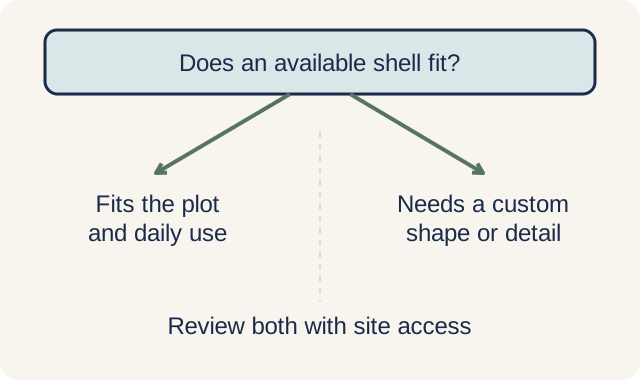
Choose concrete when no available shell gives you the layout you want and you can live with a longer build in your garden. Choose fibreglass when an available shell suits how you’ll use the pool, can be delivered and lifted into your garden, and comes with installation and repair support you can confirm locally.
The downsides of a concrete pool are practical ones. The shell is sprayed or cast in your garden and then kept wet while it cures, so the building work stays on site for longer, and its tile or cement-based finish can wear and need redoing separately from the shell. Fibreglass has different downsides. You’re limited to the moulded shell’s fixed shape and depth, and the whole shell has to reach your garden in one piece. Neither option removes ground assessment or the need for a complete pool system.
Bring the available site plan, preferred pool use and any shell model drawings to discuss a swimming pool for your home. We visit and measure the site and arrange the engineer or Qualified Person who checks the ground and design for either type, and our specialist builds or installs the pool. Use the swimming pool buying guide to connect the construction choice with access, equipment and the garden you want to use after the work.
Common questions
Can a fibreglass pool be built without any concrete?
A manufactured shell avoids building the water-retaining shell in concrete, but the complete installation may still include concrete work. Latham’s installation example includes a concrete deck. Have the selected manufacturer and designer specify the installation; this is not a DIY construction method.
Does a fibreglass pool need a crane?
A trained delivery and lifting team needs to assess the route and equipment for the selected shell. Latham describes placement by crane or other equipment in its installation process. That does not prove every site or model uses the same arrangement. Settle access before ordering.
Can I change the depth of a fibreglass shell?
The selected moulded shell has an established depth profile. Ask whether another model suits the intended use before considering alterations. Any proposed modification needs the manufacturer’s and designer’s agreement; do not assume the shell can be reshaped on site.
Does a shell warranty cover the finished pool?
Not all of it. In Leisure Pools’ US warranty, for example, the coping around the edge is not treated as part of the product. Decks and other surrounds, equipment and fittings such as skimmers, pipes and lights, damage during installation or transport, and damage from poor site drainage or an incorrectly laid deck all sit outside the shell warranty. Those are that maker’s terms, so a local quotation should say who answers for the coping and deck, the equipment and fittings, and the installation work.
Swimming Pools across Singapore
Need help with your project?
Tell us what you need on WhatsApp and send a few photos. We'll arrange a free site assessment, then give you a fixed-price quote within 3 to 5 working days.