On this page
View In PDFPool handover is the point at which you need to understand how to operate and care for the finished installation. Before signing off, arrange a demonstration, collect the equipment and warranty records, and confirm who handles outstanding work. Knowing how to stop the equipment and whom to contact matters as much as knowing how to start your first swim.
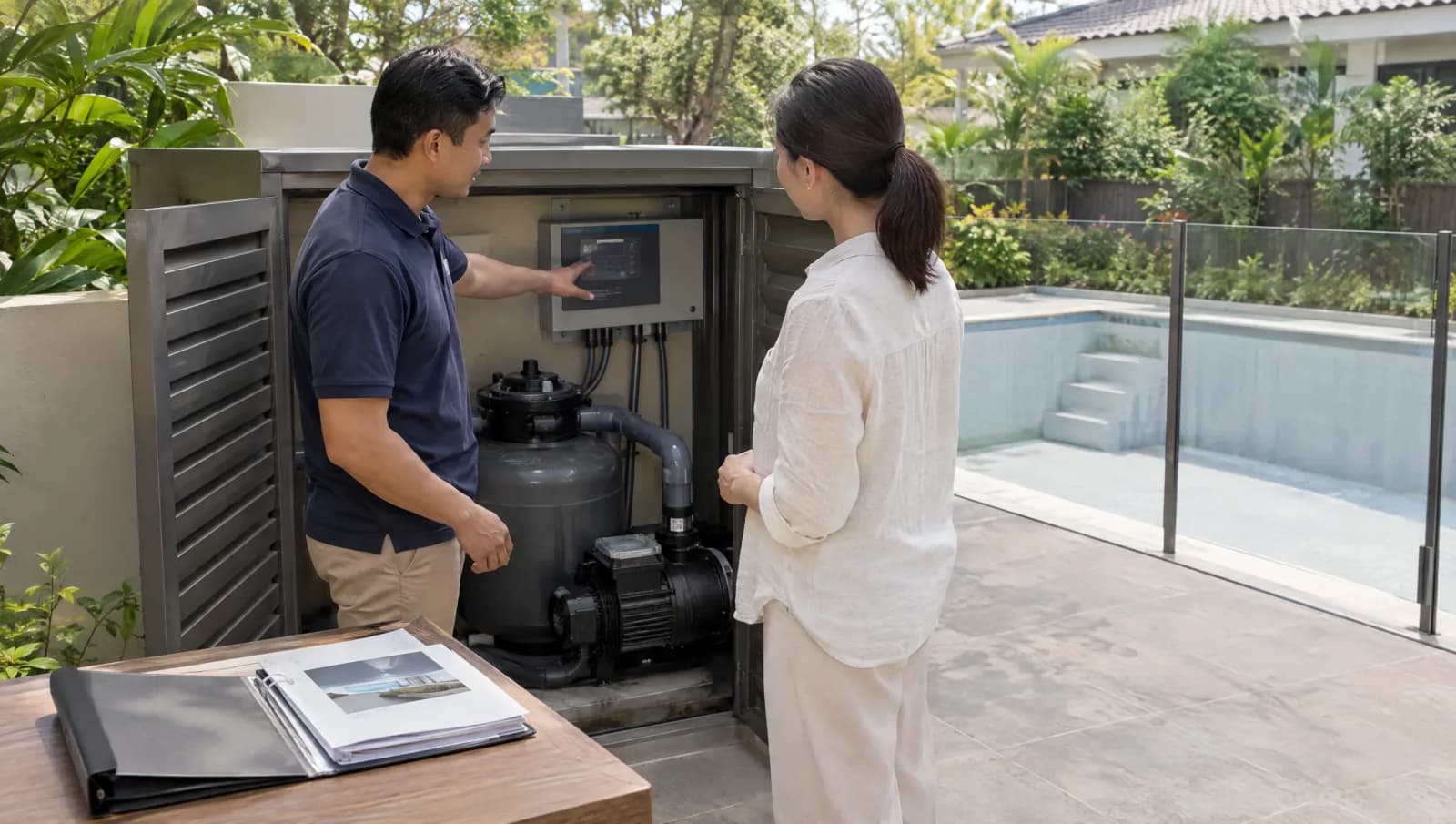
Include handover in the scope of swimming pool construction or renovation before the work begins. It is easier to agree the required drawings, demonstrations and records while the contractor is preparing the job than to reconstruct them after the team has left.
At handover, make sure you can identify what was installed, understand the controls you are expected to use and know who handles maintenance and water care. List unfinished work separately, with the contractor responsible and the next agreed step. That keeps an attractive finished pool from hiding jobs that still need attention.
Start beside the equipment, with a drawing that matches it
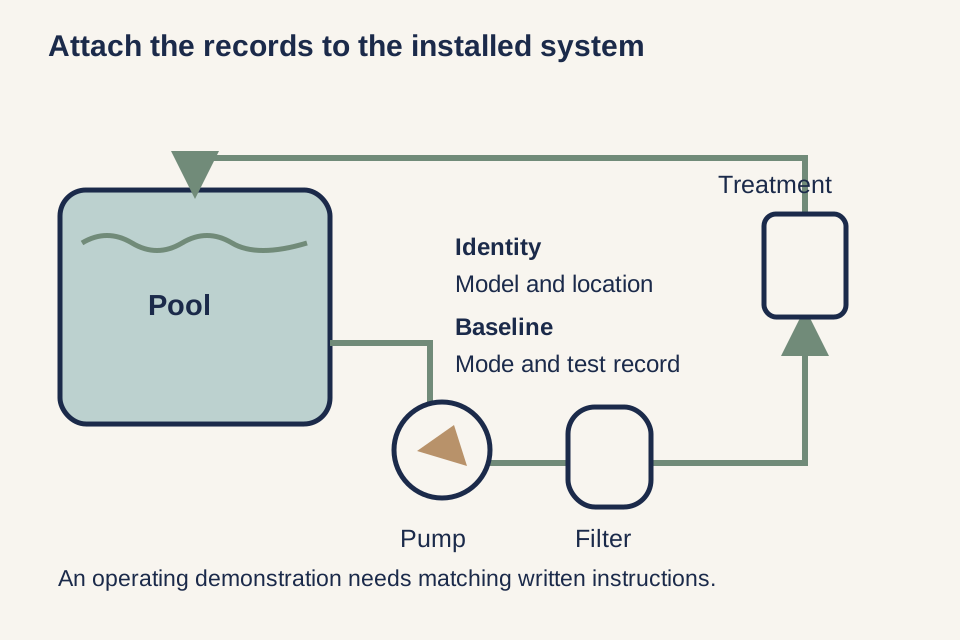
An equipment schedule should identify what is actually installed: models, serial numbers, installation dates and the relevant manuals. Match it to the physical labels during handover. A brochure for a range is less useful than the manual for the selected model.
Then follow the system on the drawing. A homeowner should be able to recognise the pump, filter, treatment equipment and the pool features controlled by the panel. An original explanation of pool equipment distinguishes these functions: moving water, removing particles and providing treatment are connected jobs, but they are not interchangeable.
The drawing need not turn the owner into a technician. It should make the installation intelligible. Labels that mean “pool return” or identify a specific feature are more useful at the next service visit than unexplained numbers. If several modes or water bodies share equipment, the documentation should make that relationship clear.
Photographs before pipes and connections are concealed can add value, provided their locations are identified. An unlabeled photograph of a trench is difficult to use later. A location reference on the final drawing gives it a purpose when a deck, garden bed or pipe route needs attention.
Keep the starting readings and checks needed for later maintenance
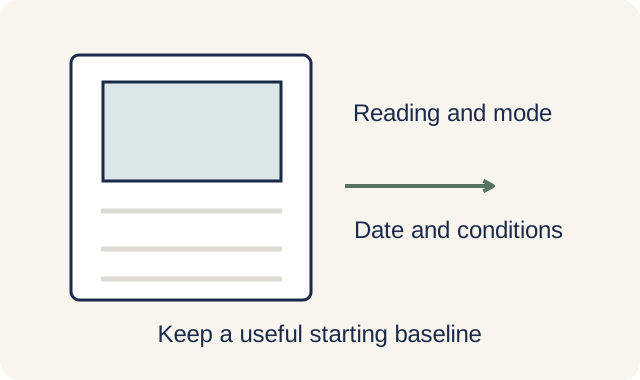
Commissioning records should state what was checked, by whom, when and under which conditions. A tick beside “pump working” says little about the configuration used. Where readings form part of the handover, their meaning depends on the operating mode and the equipment concerned.
For example, an original filter owner's manual includes a place to record startup pressure. That illustrates why a baseline can matter for later maintenance. It does not provide a universal acceptable pressure for other filters or a reason for the owner to alter settings.
The commissioning team should explain which readings and observations are relevant to this installation. If a feature runs under a separate programmed mode, the record should identify that mode. Comparing an everyday circulation setting with a feature setting may produce different readings without describing a fault.
Keep test results distinguishable from operational demonstrations. A demonstration shows that the agreed controls and functions were presented to the owner. A test record describes the method and result of an assessment. Neither should silently stand in for the other.
Learn the ordinary controls and what to do when something changes
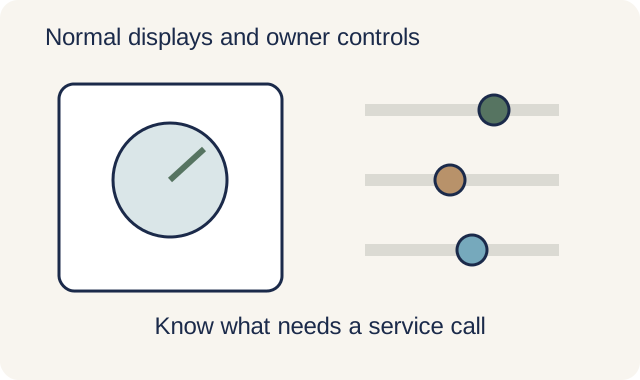
A useful demonstration starts with the ordinary day: how the approved schedule works, which controls the household is expected to use and what normal displays look like. It then covers the change of circumstances that is likely to confuse someone—an unfamiliar alert, a power interruption or a feature that does not start as expected.
The person who will oversee the pool should attend. If household staff or an external maintenance team will manage it, give them the relevant instruction as well. Passing a few remembered button presses through another family member creates avoidable uncertainty.
The contractor should distinguish normal owner controls from adjustments reserved for trained personnel. Opening pressurised equipment, altering treatment settings or moving unfamiliar valves should not be part of an improvised lesson. The written operating instructions should show the boundaries clearly and identify the contact for an abnormal condition.
A short authorised recording of the ordinary-control demonstration can help, but it works best with written model details and labelled controls. A video that says “press this one” is less durable if the screen layout changes or another person watches it later.
Use during the owner demonstration
0 of 6 reviewed
Use this to track your review. Checks stay on this page while it is open.
Confirm who handles water care before the first swim
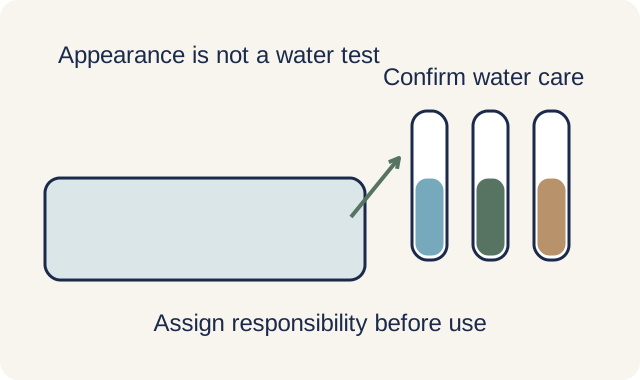
Construction completion, equipment operation and water suitable for swimming are related milestones. They need separate confirmation. Attractive water is not a test result. Home-pool guidance on treatment and testing requires attention to disinfectant and pH, with the directions for the testing method followed.
At handover, identify who is responsible for the water-care routine, who supplies the correct products and who assesses readiness after an interruption or treatment. If an external service is included only for an initial period, state when it ends and how the ongoing arrangement begins. An empty week between the builder leaving and the service starting is still a week in which the pool needs care.
Any household role in testing or handling products needs appropriate instruction. Chemical safety guidance emphasises trained handling, labelled original containers and protection from unsuitable storage conditions. The handover should point to the agreed storage location and product instructions, rather than leaving miscellaneous containers beside the equipment.
Pool access and supervision arrangements also need to be in place when the pool is released for use. Handover does not remove the household's responsibility to control access and supervise children. Any unfinished feature affecting safe use should be identified explicitly, with the affected area kept out of use until resolved.
List unfinished work separately from warranty cover
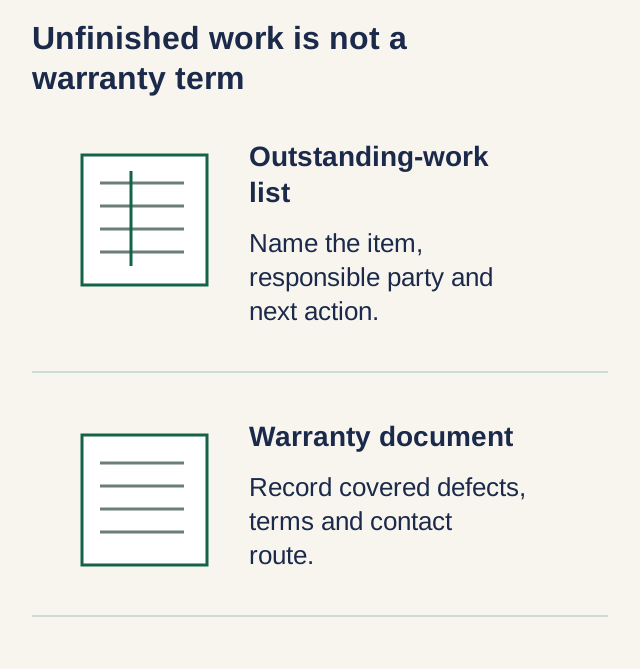
A missing label, damaged finish and unresolved operating concern are different kinds of open item. Record each in a location-specific list with the agreed action, responsible party and date. If it affects use or another trade's work, state the restriction.
The warranty record should identify the provider, the covered item, the starting point, registration requirements and the route for a claim. Installation workmanship and equipment warranties may have different providers and terms. A headline duration on a brochure does not explain the cost or process of a future visit.
Keep the evidence of purchase and any required registration confirmation with the model schedule. If a registration remains pending, name who will complete it and when the confirmation will be supplied. An intention to register is not the same record as completed registration.
For the wider choices that lead to a maintainable installation, the swimming pool buying guide connects design, scope and ongoing ownership. Handover is where those earlier promises should become understandable records and working arrangements.
Leave the first follow-up date on the calendar
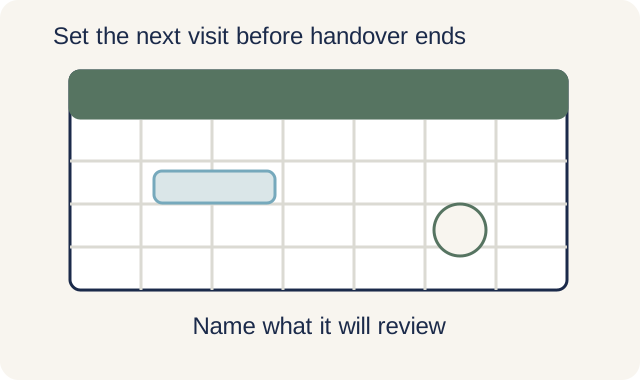
Before the meeting ends, establish the next planned visit and what it will review. It might cover initial operation, an agreed outstanding item or a transition to the ongoing maintenance team. The purpose should be explicit; a vague promise to “come back if needed” leaves the owner to decide what merits a call.
Keep the final drawings, equipment models, starting test results, operating instructions, warranties and contacts where the person arranging maintenance can find them. Add the list of unfinished work and update it when the contractor completes an item. A future service visit should be able to start from what was actually installed and checked.
A good handover leaves fewer things dependent on memory. The household knows what it can operate, the service team knows what it is maintaining, and the contractor's remaining commitments are visible. That is the point at which a completed pool begins to become a manageable part of the home.
Swimming Pools across Singapore
Need help with your project?
Tell us what you need on WhatsApp and send a few photos. We'll arrange a free site assessment, then give you a fixed-price quote within 3 to 5 working days.