On this page
View In PDFA variable-speed pool pump can adjust its speed for different operating needs; a single-speed pump cannot offer that same adjustment. Whether an upgrade is worthwhile depends on the flow your pool needs, how the equipment is controlled and how it will be run. Compare a proposed operating schedule and total installation cost before relying on a savings claim.
How the Pump Affects the Pool and Its Running Cost
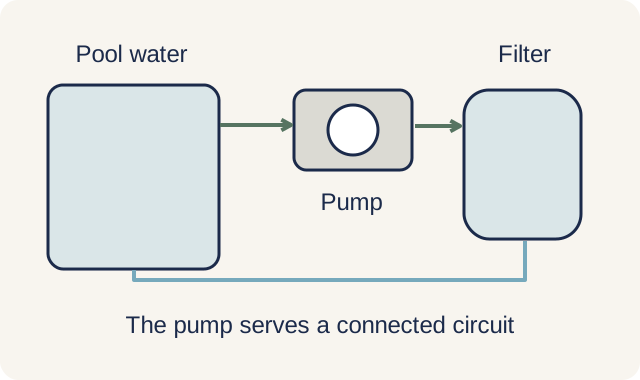
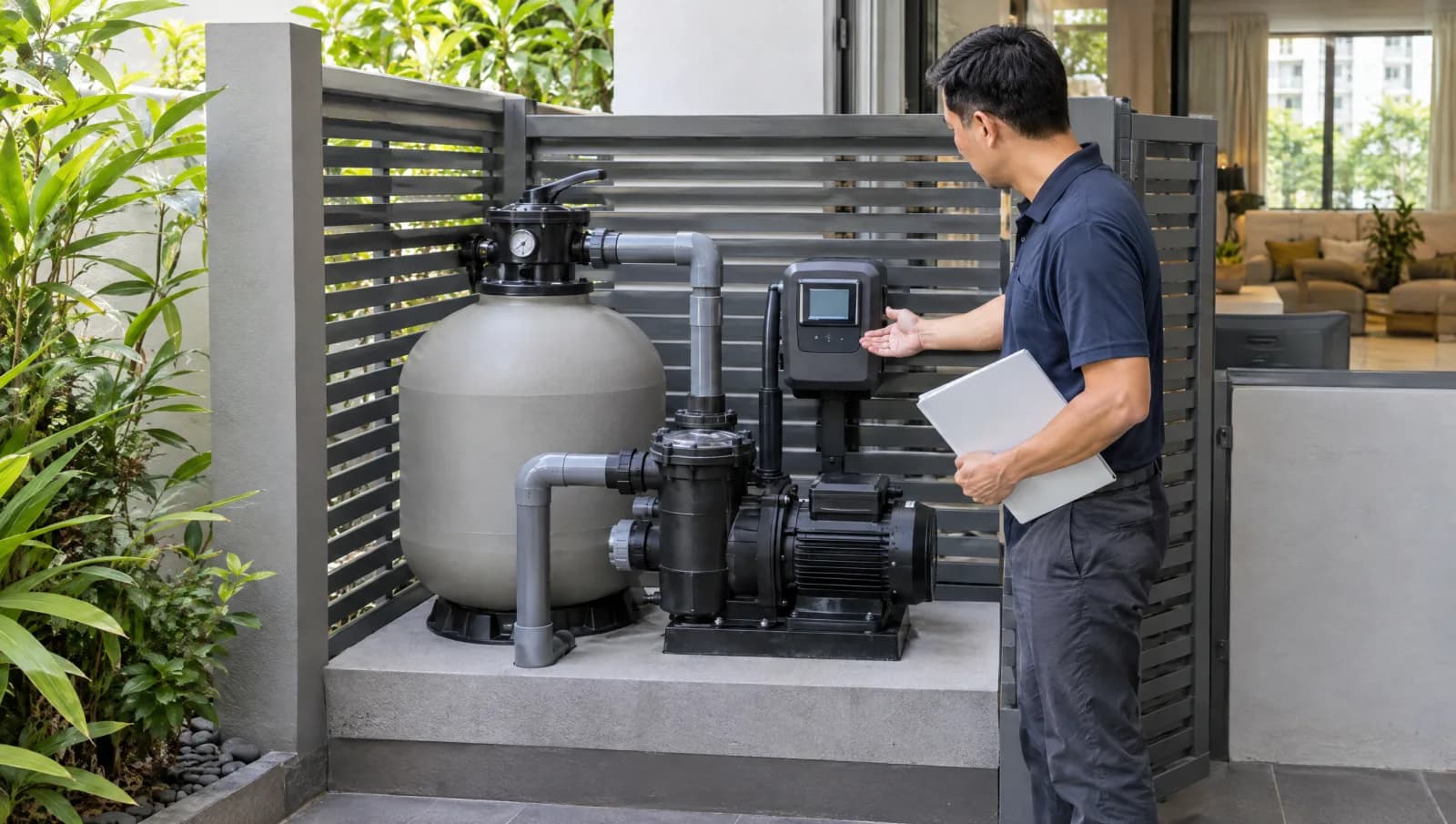
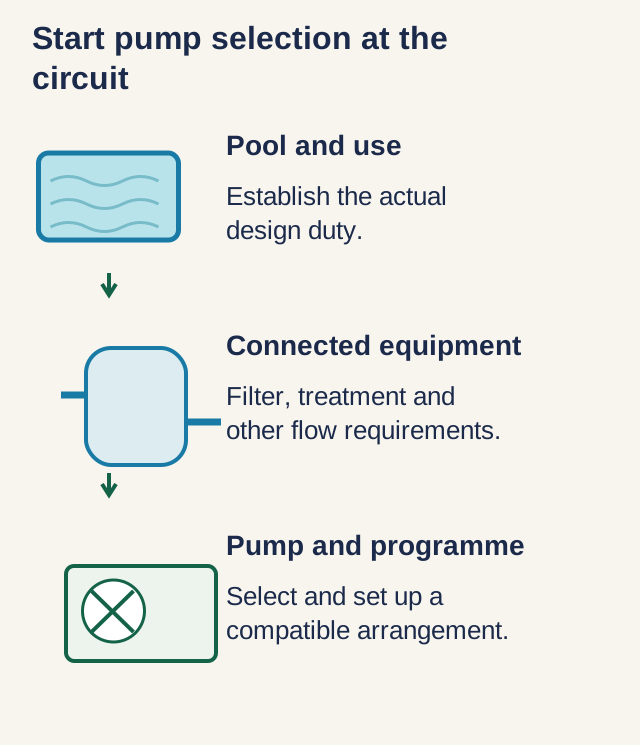
The pool pump circulates water through filtration and any connected treatment or heating equipment. Its power use and operating hours are recurring costs, so sizing and control matter. Choose it as part of the hydraulic system rather than from horsepower or purchase price alone.
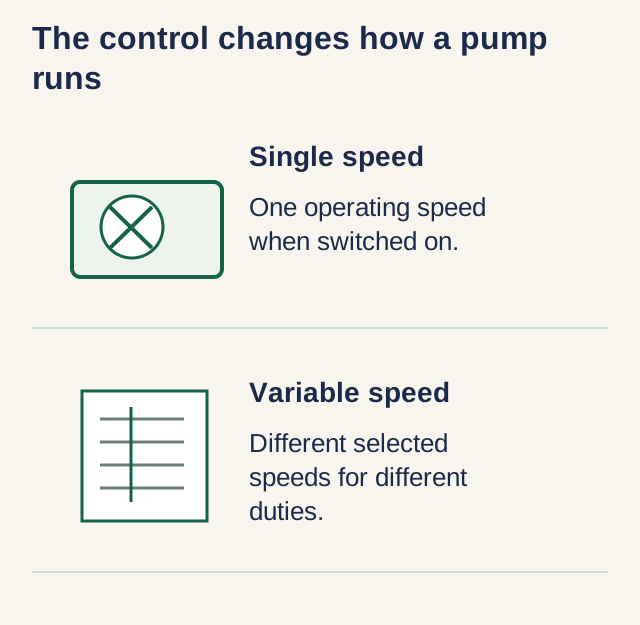
Single-speed pumps operate at one speed; variable-speed models allow settings to be matched to different tasks. Two-speed models also exist. The useful comparison is the performance and control needed for the actual pool.
The pump does not move a fixed quantity of water regardless of the pipework. Water meets resistance in pipes, bends, valves, filters and other equipment; a dirty filter adds resistance too. The flow achieved comes from the pump's performance against that system resistance. This is why selecting by motor horsepower alone can produce excess flow, poor circulation or unnecessary electricity use. The design needs a suitable operating point, with pressure and flow readings that make sense after commissioning.
Single-Speed Pumps: Fixed-Speed Operation
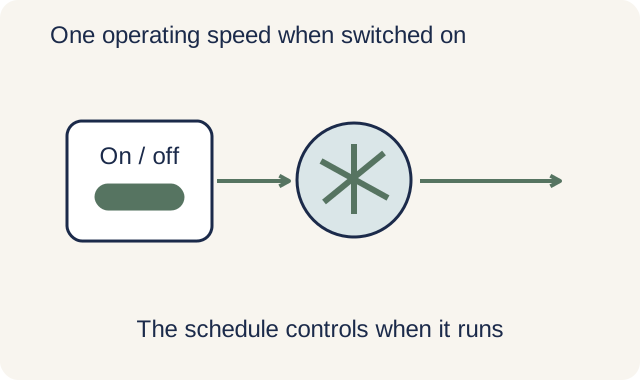
A single-speed pump offers a fixed operating speed when switched on. Compare its flow and power at the system's actual resistance, not only its headline motor rating. Controls, electrical components and service requirements still need consideration.
Its fixed speed may deliver more flow than some tasks need. Filtration does not inherently require the highest speed, and heaters, chlorinators and cleaners can have their own minimum or permitted flow ranges. Have the designer identify those requirements together.
Variable-Speed Pumps: Match Flow to the Task
| Hypothetical daily programme | Electricity/day | Annual electricity before GST |
|---|---|---|
| Single speed: 1.0 kW ×8 h | 8.0 kWh | S$931.77 |
| Variable speed: 0.25 kW ×10 h +1.0 kW ×2 h | 4.5 kWh | S$524.12 |
| Difference | 3.5 kWh/day | S$407.65/year |
Using the Q3 2026 tariff of S$0.3191/kWh before GST, the assumed reduction is 3.5 × 365 × 0.3191 = S$407.65 a year. If the installed variable-speed option costs an assumed S$1,200 more than a compatible single-speed replacement, simple payback is 1,200 ÷407.65, or about 2.94 years. Both prices and the tariff must use the same tax basis. This excludes financing and differences in repair or replacement cost.
That result is useful only if both programmes meet the same circulation, treatment and accessory duties. The lower setting must be verified against actual flow, not chosen because the example looks cheap. If the upgrade produces no compatible energy reduction, it has no energy-saving payback; if you are replacing a working pump early, use the full avoidable upgrade cost rather than an incremental replacement price.
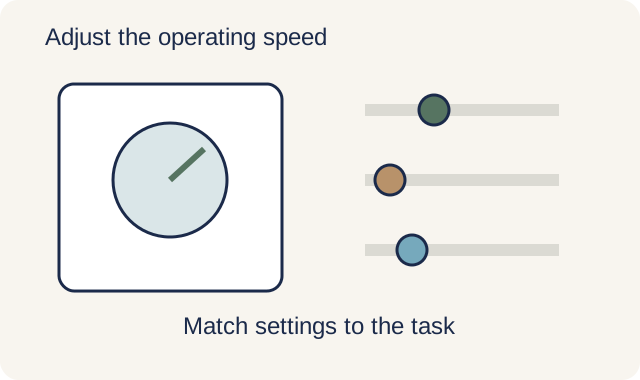
A variable-speed pump can run at settings suited to the pool's different operating tasks. Lower speed can reduce energy use where the required flow is still met. The programme must maintain filtration and treatment and stay within every connected component's limits.
Compare the installed price and projected electricity at the proposed settings with the existing or alternative pump. Include any plumbing or control changes. Calculate payback using that difference and the actual tariff, with the assumed hours shown so the estimate can be checked after installation.
Reducing speed reduces the energy put into moving the water, but also reduces the available flow and pressure. Where circulation can run more gently for longer, that can be efficient. A heater or chlorinator may stop operating below its permitted flow, however, and some cleaners need a different setting. A useful programme therefore assigns settings to actual tasks and checks their combined operating time; it does not simply turn the speed down until the pump becomes quiet.
Noise, Heat, and Equipment Lifespan
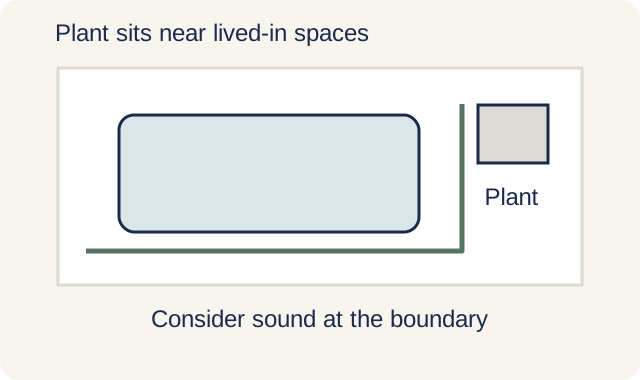
Lower-speed operation can reduce pump noise, but it does not make a pump silent. Mounting, pipe vibration, enclosure ventilation and distance to occupied rooms matter. Ask for the proposed noise information and a suitable equipment location.
Reliable operation depends on hydraulic design, correct installation and maintenance. Avoid dry running and have abnormal noise, leaks or flow faults assessed professionally. Variable-speed control is not a guarantee that every connected component will last longer.
When Single-Speed Still Makes Sense
A correctly sized single-speed model may remain a reasonable option after comparing its actual operating cost with a compatible variable-speed system. Infrequent swimming does not mean a filled pool can go without circulation and treatment for weeks.
Choose a variable-speed model where its settings meet the system's requirements and the documented cost comparison is worthwhile. The design and commissioning schedule matter as much as the motor label.
How We Spec Pumps for Clients
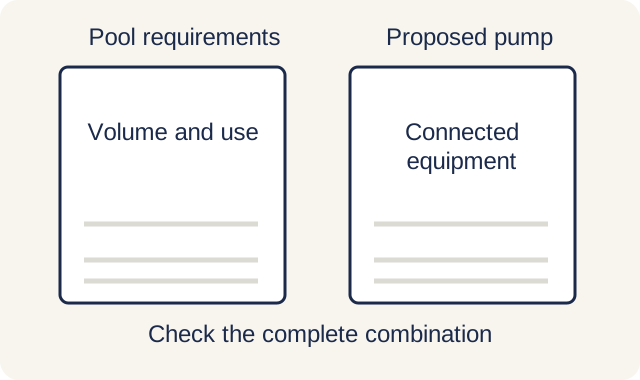
Ask for pump selection based on flow requirements, pipe resistance, filtration and connected equipment. A smaller pump is not necessarily corner-cutting, and an oversized model is not necessarily better. The designer should explain its operating point and controls.
If an existing pool has a high bill, gather equipment details, operating hours and actual electricity use before replacing anything. Send DirectHome those details to discuss an equipment assessment and confirm its scope and availability.
Swimming Pools across Singapore
Need help with your project?
Tell us what you need on WhatsApp and send a few photos. We'll arrange a free site assessment, then give you a fixed-price quote within 3 to 5 working days.