Blog
Blog
Practical articles on costs, maintenance and renovation decisions for landed homes in Singapore.
147 articles
Roof Leaking Under Warranty? How to Get the Claim Started
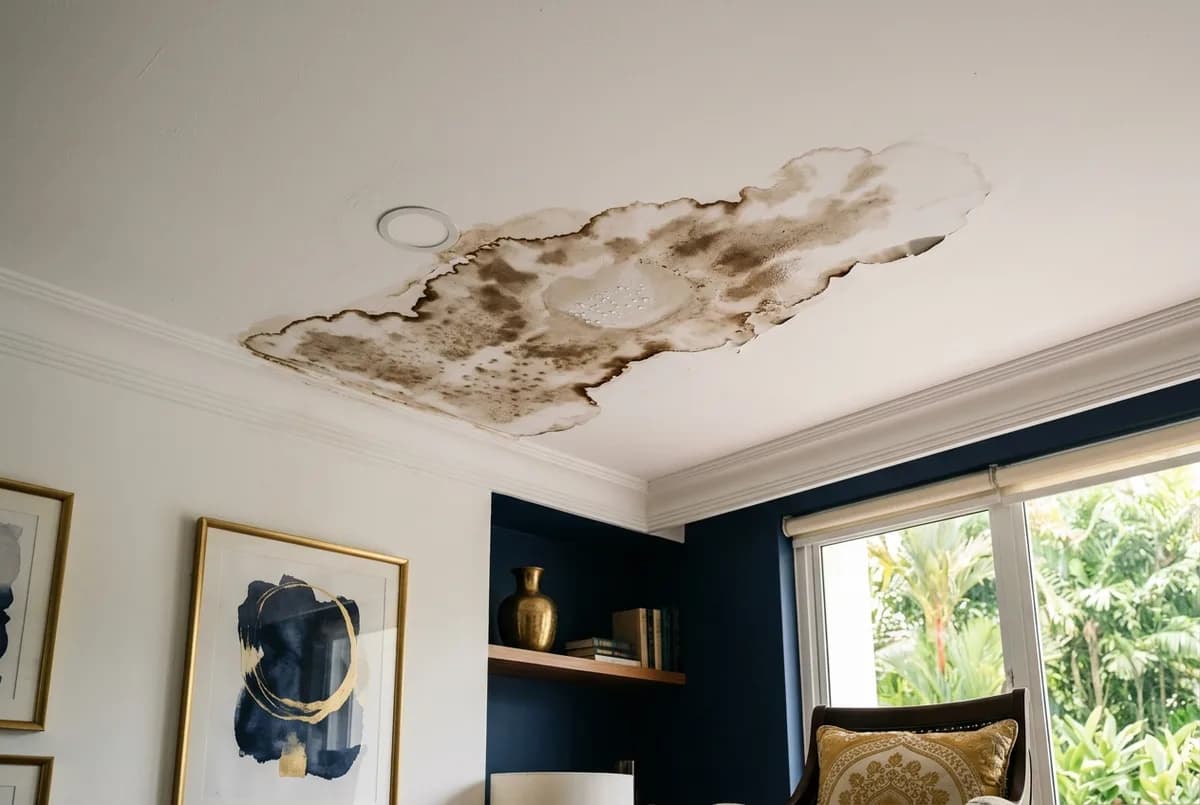
If the roof leaks during the warranty period, contact the party named in the warranty and ask how the claim will be assessed. Send the relevant records and safe photographs of the affected area, then keep a written record of the response. Avoid arranging changes that could obscure the cause before the responsible contractor has had the opportunity to inspect it.
Home Lift Installation: 6 Steps from Survey to Handover
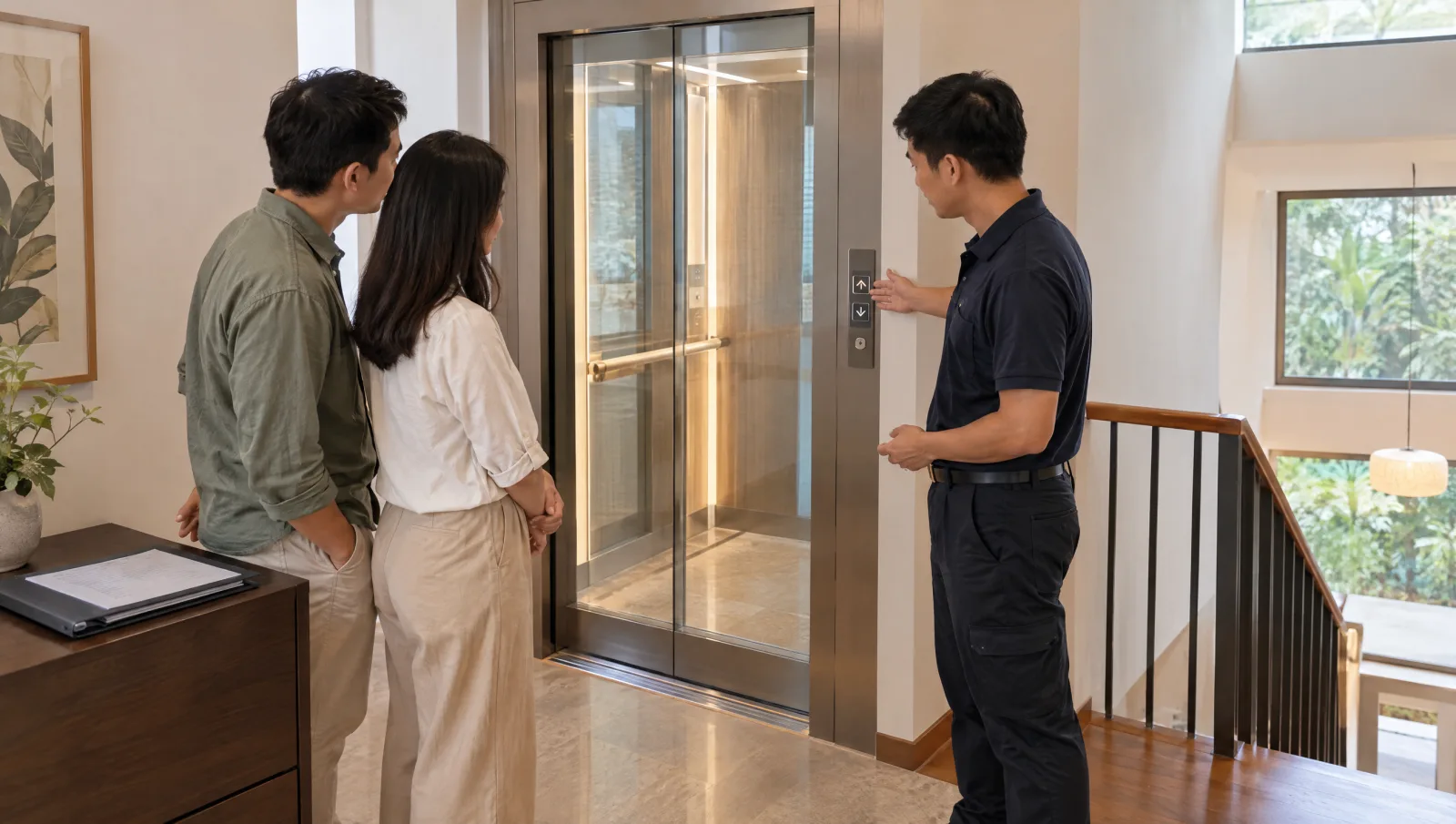
Home lift installation follows six main steps: assess the site, settle the quotation and required submissions, prepare the structure, install the lift, complete testing and operating requirements, then hand it over with owner training. The stages depend on one another. Planning them together helps you understand both what happens inside your home and what must be ready before the next team starts.
Stairlift Safety Features: What Will Help Your Parent?
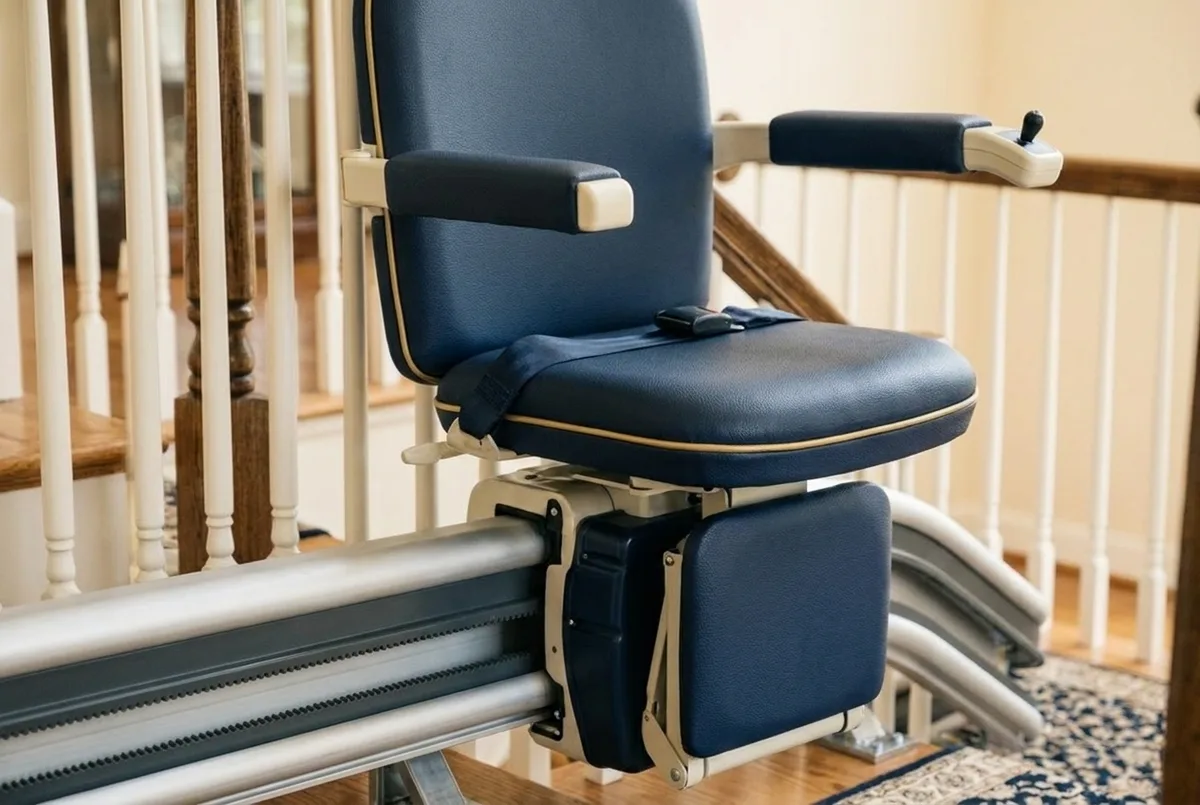
A stairlift's safety features need to work for the person riding it. A belt, swivel seat, footrest and controls serve different purposes, and each must be comfortable to use. Review them during a demonstration with your parent, including getting on and off, rather than assuming a long feature list proves the chair is suitable.
Plunge pool or lap pool for your garden?
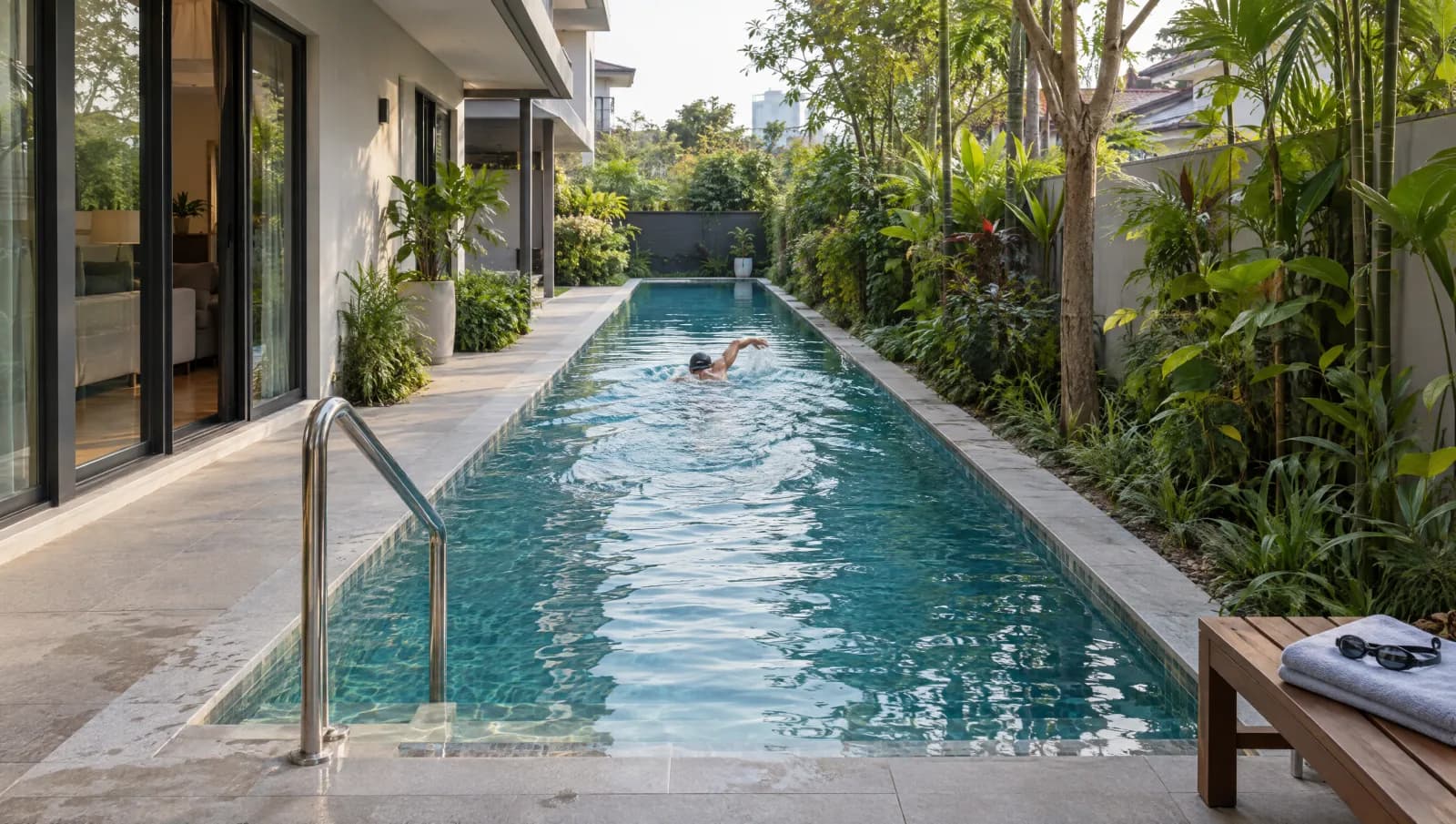
A plunge pool is a small pool for cooling off and soaking, not for swimming laps. A lap pool is long and narrow so you can swim lengths. If you mainly want a dip after work, a plunge pool takes much less of the garden. If you’ll swim lengths most weeks, you need the length of a lap pool.
Saltwater vs Chlorine Pools: Cost, Care and Comfort
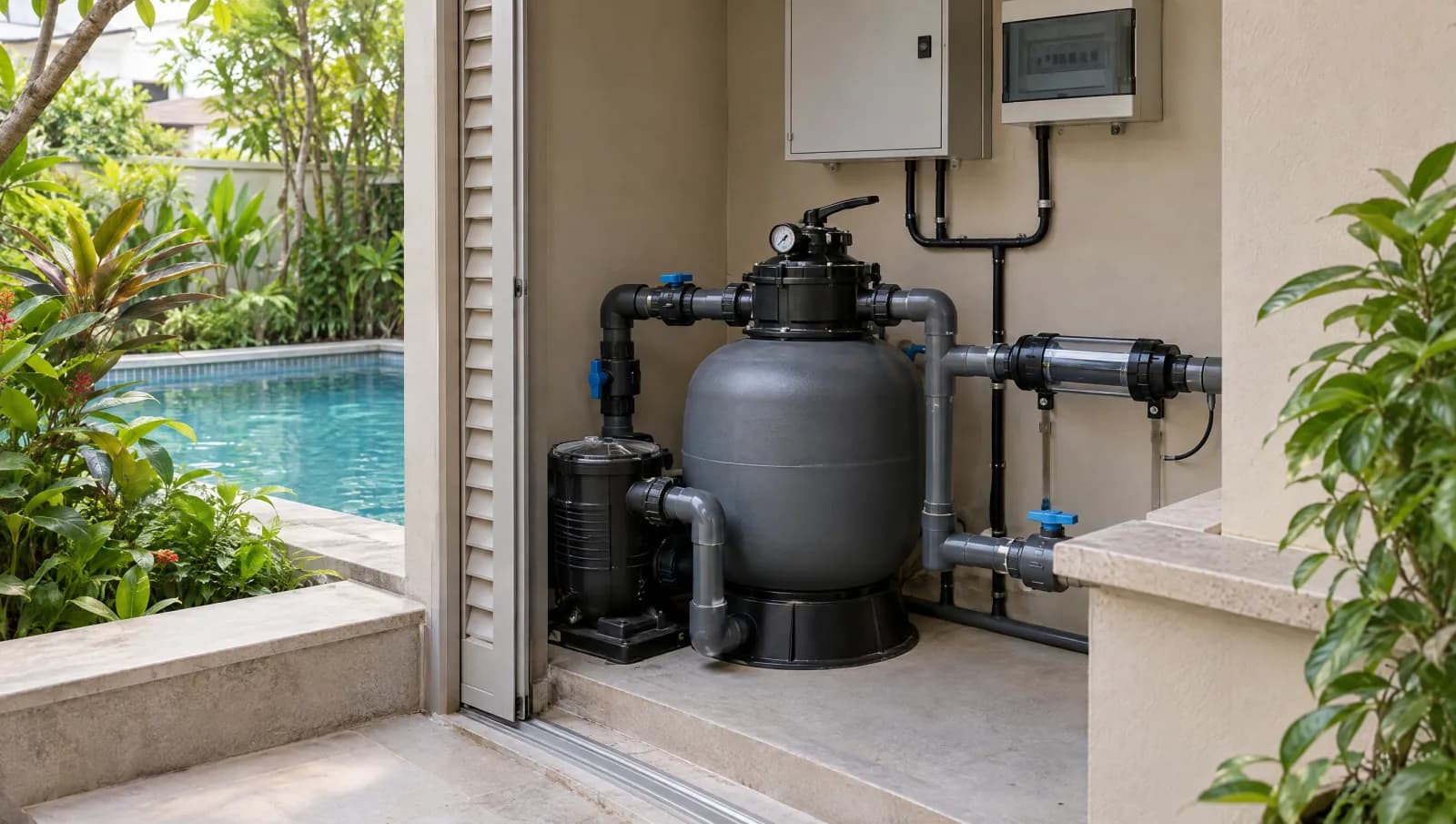
A saltwater pool still uses chlorine: a salt chlorinator produces it from salt in the water, while a conventional system receives chlorine added separately. Both need water testing and equipment care. Compare the installation, ongoing supplies and maintenance routine before choosing the approach that suits your pool and the person looking after it.
Does your staircase renovation need BCA approval?
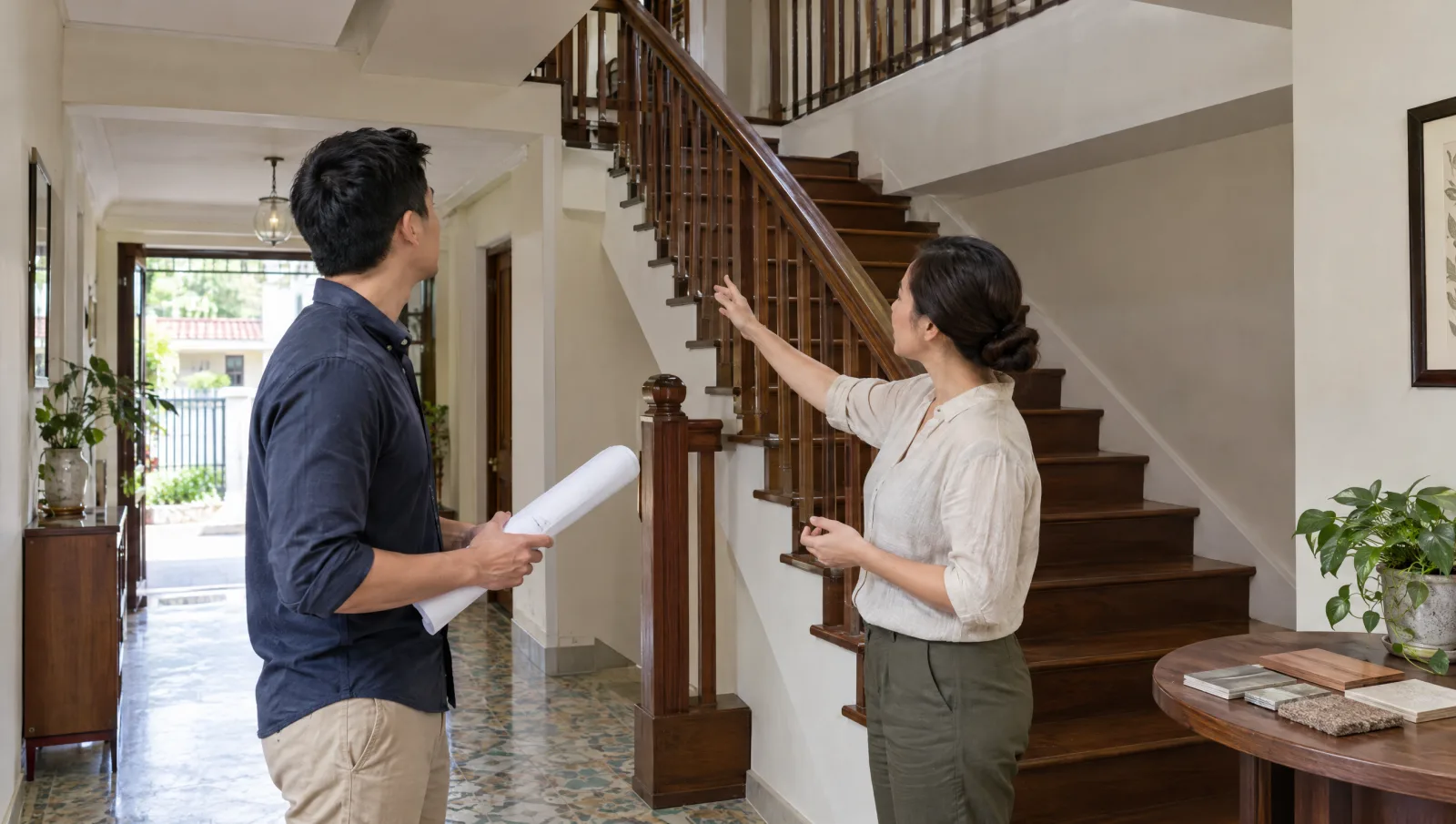
Staircase work needs BCA approval and a permit unless it’s on BCA’s list of minor works. Moving the stairs, cutting a floor opening or changing their supports needs a structural engineer first. BCA’s standard sizes, like treads of at least 225 mm and risers up to 175 mm, don’t apply to a house built for the owner’s own use.
Swimming Pool Cost in Singapore 2026: Build and Ownership Budget
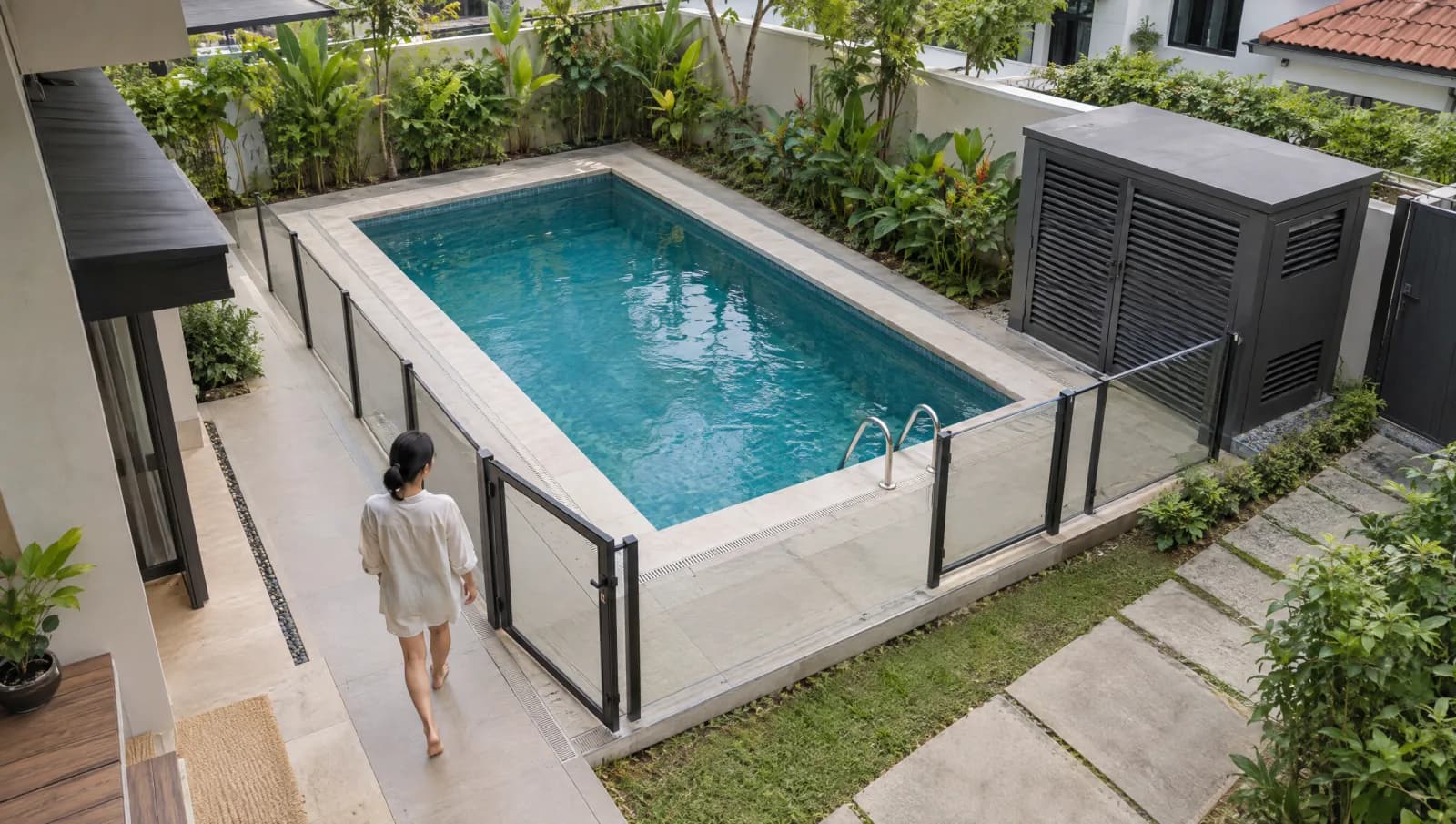
The cost of a home pool depends on its size, construction method, site access and the work around it. Build the budget from a measured design and an itemised quotation covering the shell, equipment, professional work and reinstatement. Keep running costs separate so the construction total does not hide the ongoing commitment.
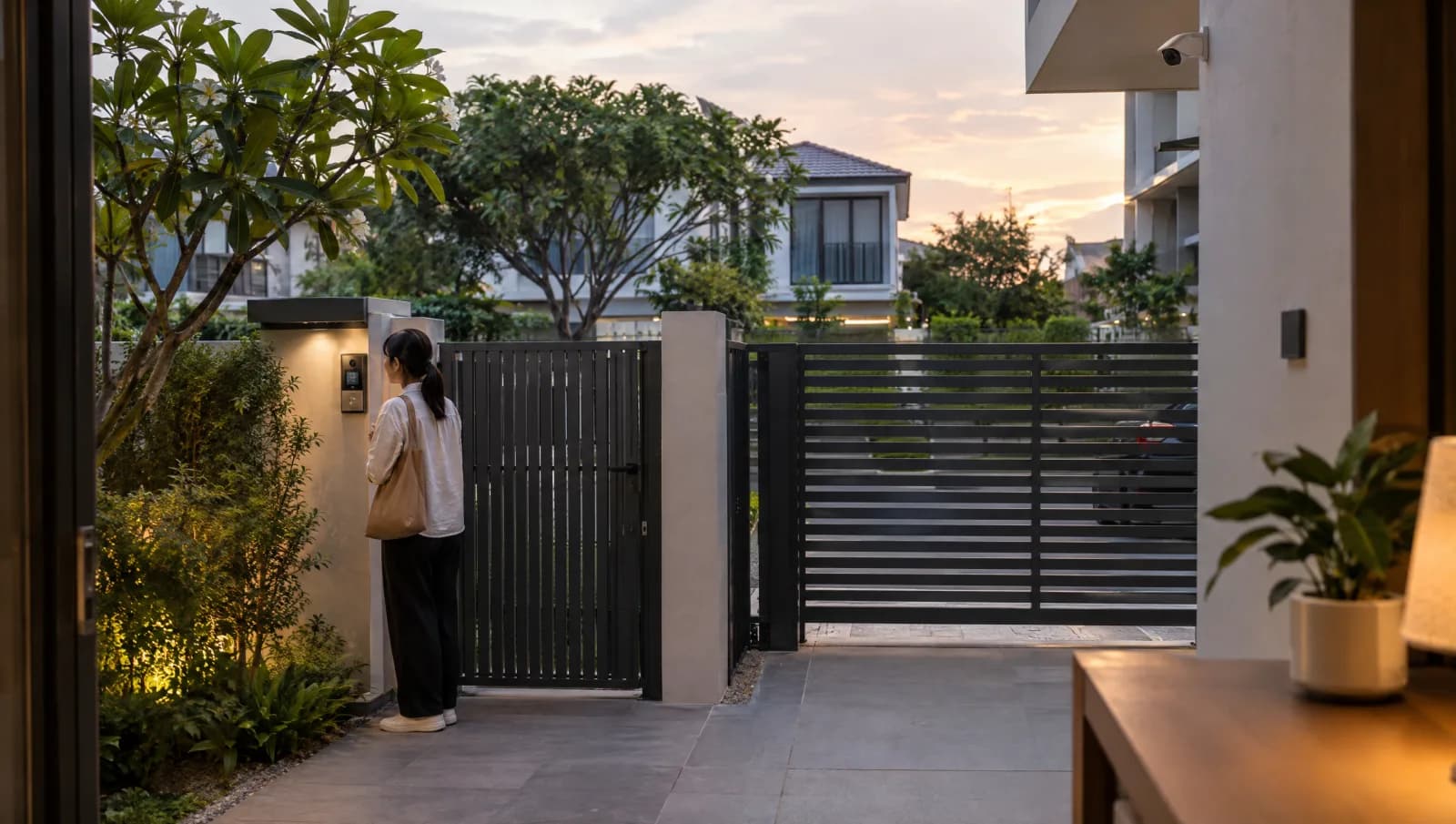
Can you add an intercom and CCTV to your auto gate?
Yes, you can open your auto gate from a video intercom screen or phone. You need an [intercom that works with your gate controller](https://www.doorbird.com/en/howitworks) and a wired or Wi-Fi connection to your home network. CCTV lets you [record what happens at the entrance and watch it back later](https://www.axis.com/solutions/recording-solutions).
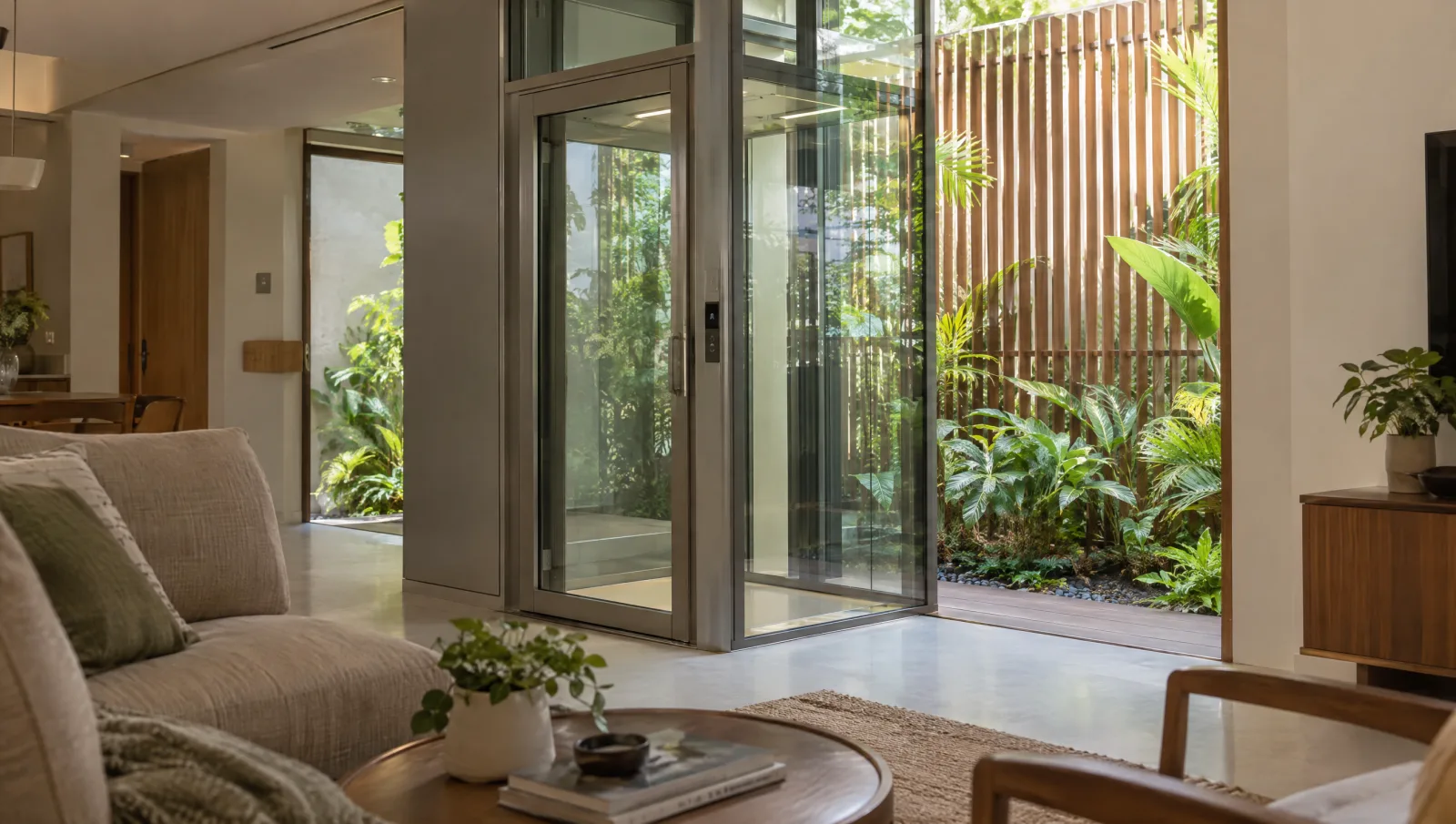
Glass Home Lifts: Is the View Worth the Extra Cost?
A glass home lift can preserve views and bring a more open appearance to an installation. Whether that is worth the extra cost depends on where the lift sits and how you feel about privacy, sun exposure and cleaning. Compare the actual glazed design with a suitable alternative, including the work around the lift, before deciding what the premium buys you.
Roof Leaking Now? What to Do While You Arrange Help
If water is coming through the ceiling, keep people away from the affected area and from any wet electrical fittings. Do not climb onto the roof or open the ceiling to find the leak. Arrange professional help, protect belongings only where it is safe, and record what you can see from a safe position to help the inspection.
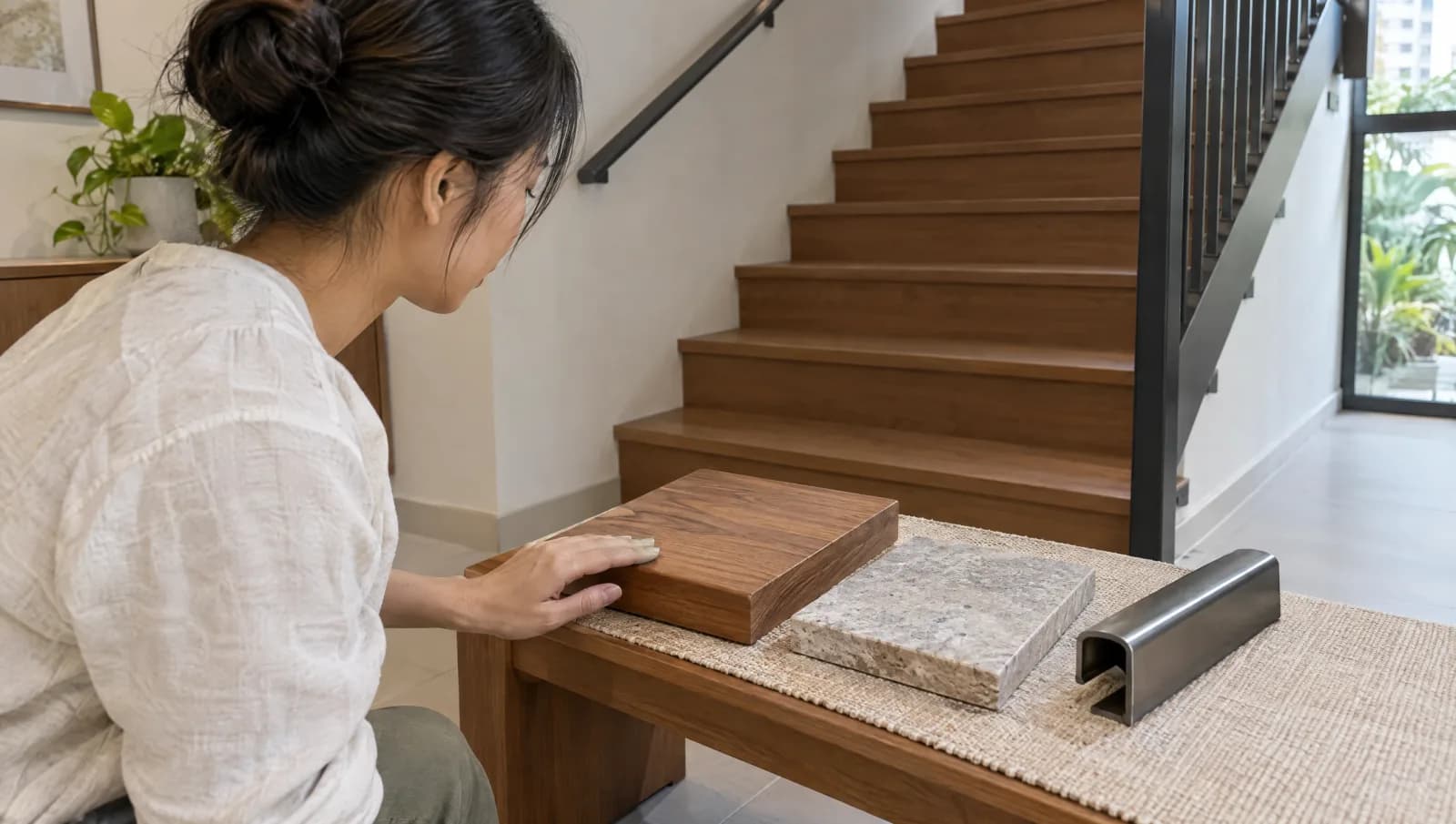
Staircase Materials Compared: Look, Feel and Maintenance
The best staircase material for your home depends on which part you are choosing and how the stairs are used. Treads need to suit walking and cleaning; railings affect the view and protection at the edge; the supporting structure has its own requirements. Compare timber, stone, glass and steel for the actual job each will do.
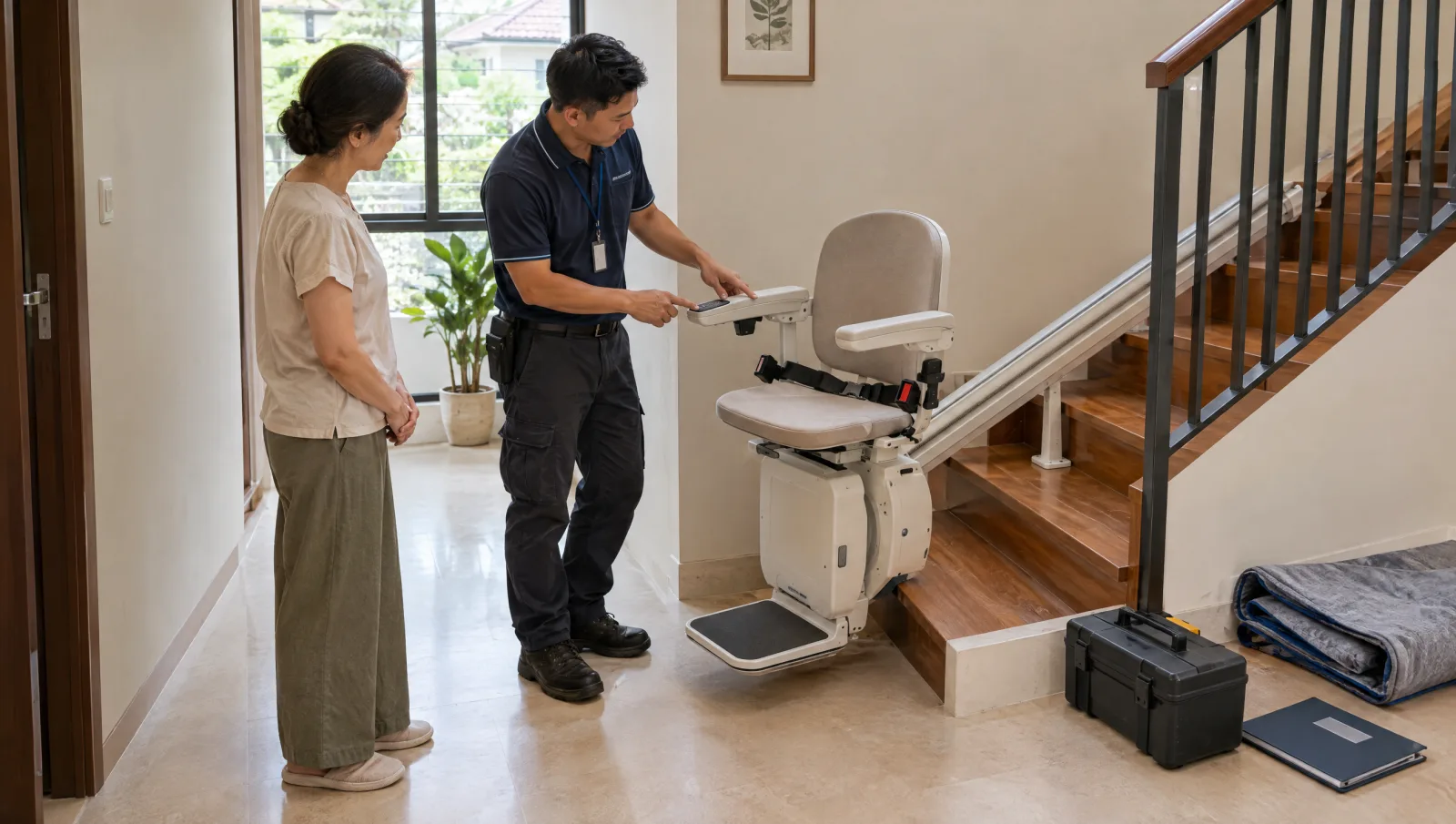
Stairlift Installation: What to Expect on the Day
Before stairlift installation day, confirm which areas the installer needs cleared and when the household can use the stairs. At handover, the rider should be shown how to sit, secure themselves, operate the chair and get off comfortably. Allow time for questions and practice rather than treating a fitted rail as the end of the job.
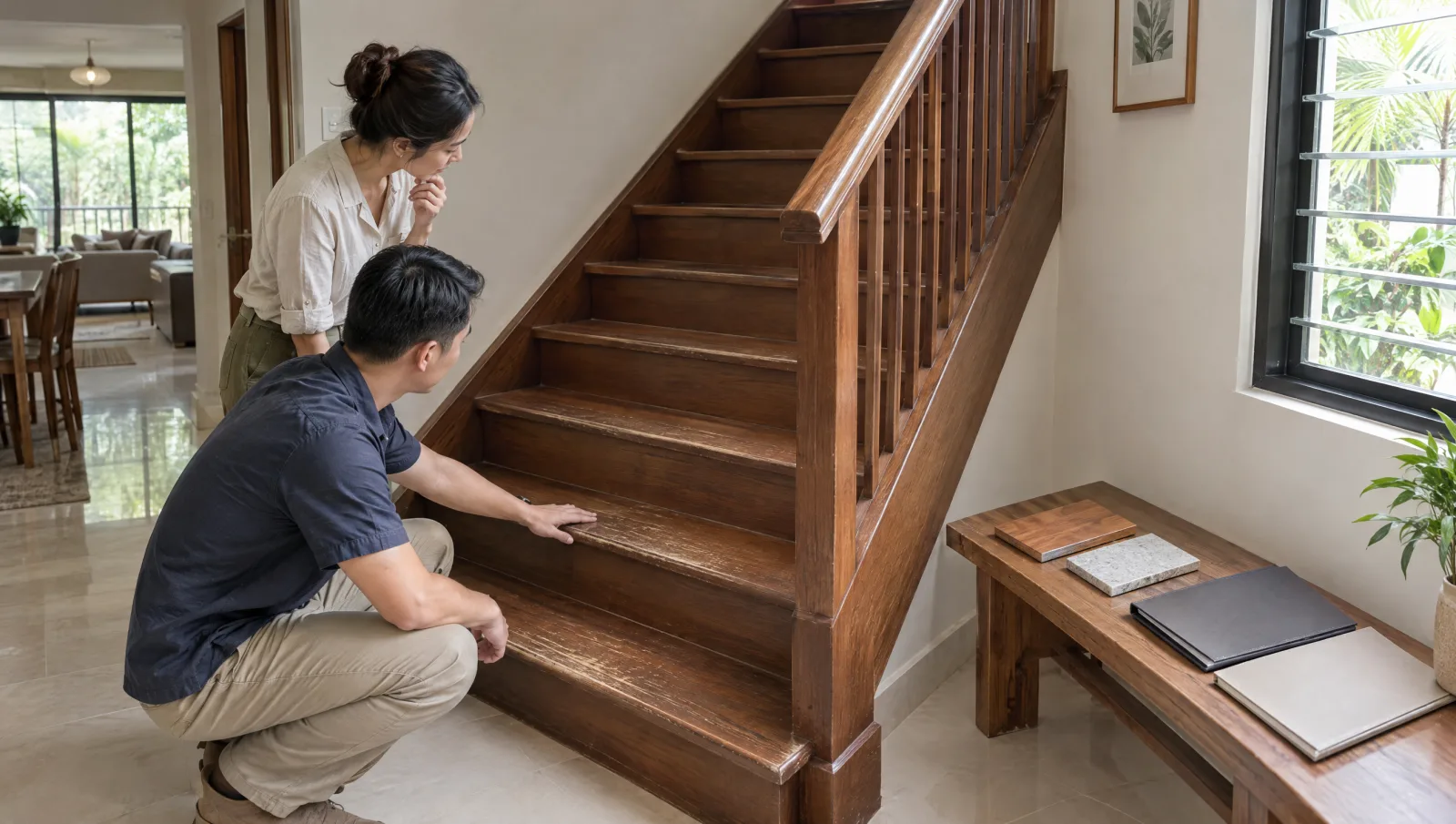
What decides the cost of a staircase or banister renovation
Redoing a staircase can mean refinishing worn timber treads, new treads over the old flight, a new banister or railing, or a rebuilt flight. Which of these your stairs need decides the cost. No current independent Singapore price has been published for this work, so the figure comes from measuring your stairs, which we do free before a fixed-price quote.
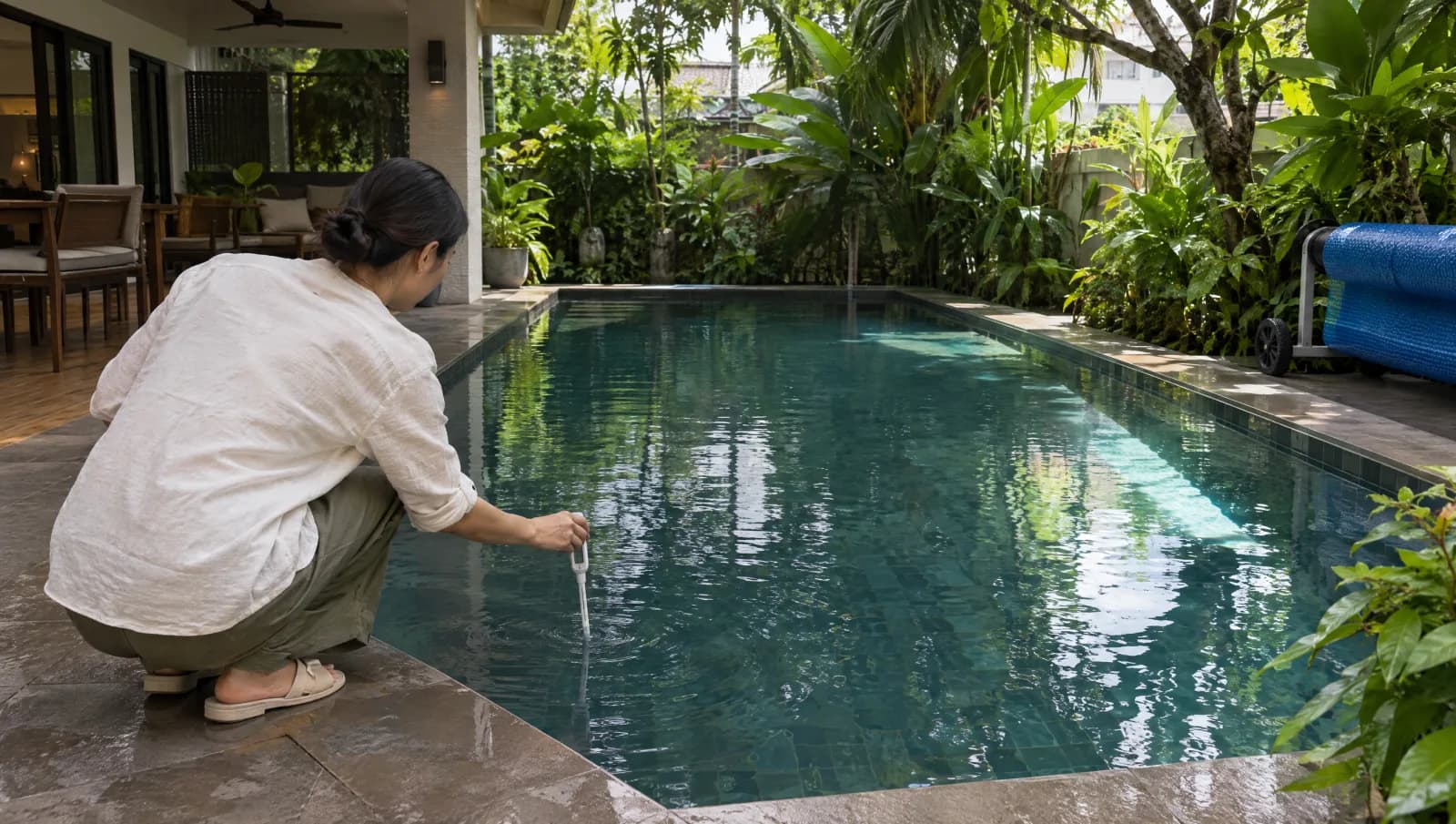
Is a Heated Pool Worth It in Singapore?
A pool heater is worth considering when the water is regularly uncomfortable at the times your household wants to swim. Singapore's warm climate does not answer that question for every pool or swimmer. Start with the actual conditions and intended use, then compare heating equipment, electricity or fuel use and maintenance before adding it to the project.
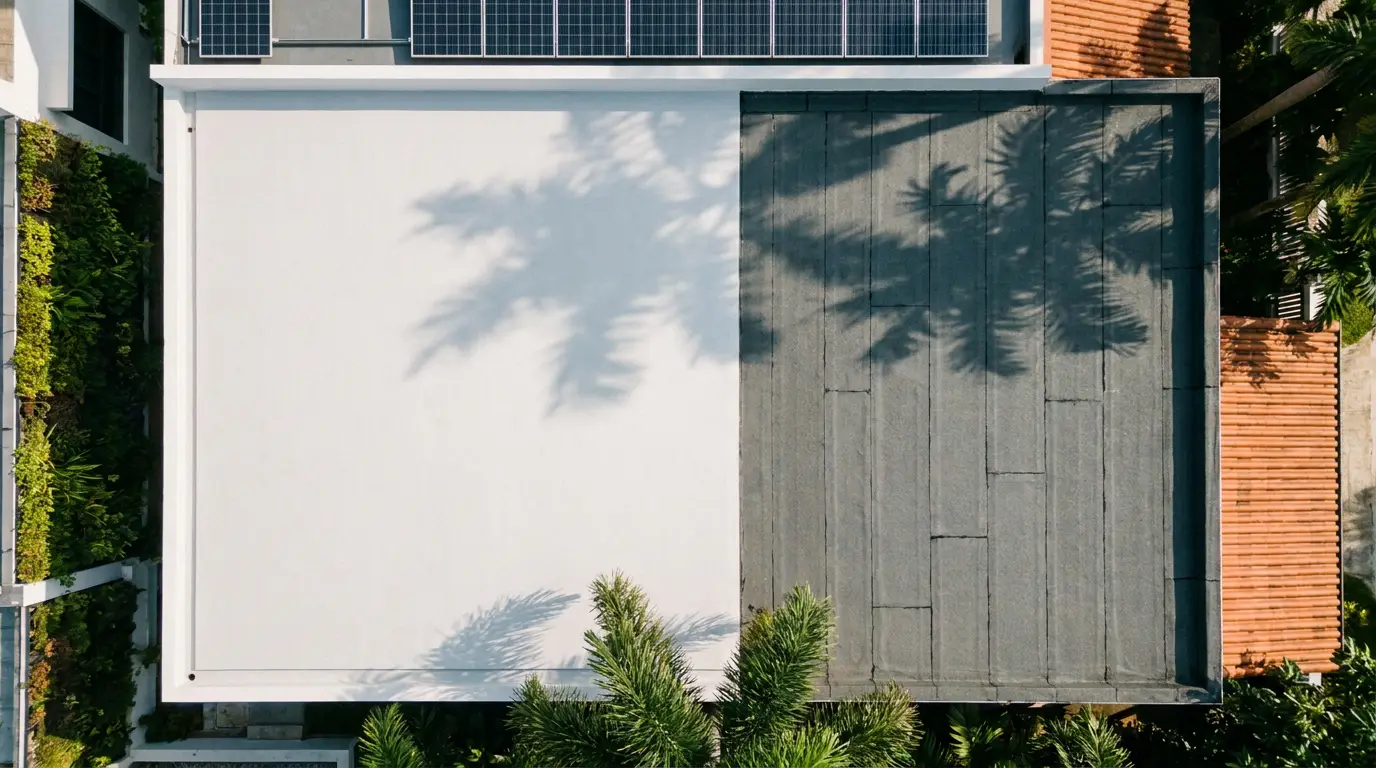
Torch-On vs Liquid Waterproofing: Which Does Your Roof Need?
Torch-on systems use sheet membranes, while liquid waterproofing forms a coating on the prepared surface. Choosing between them depends on the roof's condition, details, exposure and intended use. Compare the complete installation and repair plan rather than treating the material name as proof that one approach will stop every leak.
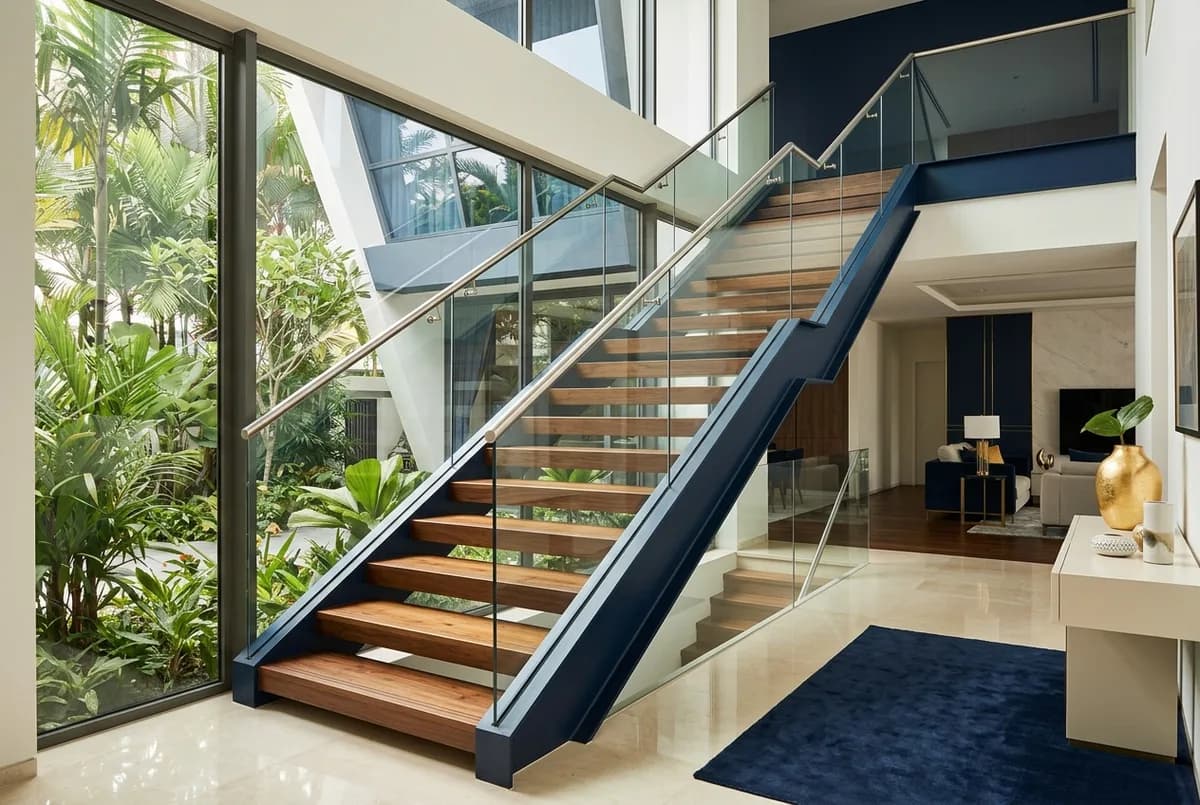
Spiral vs Straight Stairs: Space Saved, Trade-Offs Explained
Spiral stairs can use less floor space, but their shape changes how people walk and move items between floors. A straight staircase usually needs a longer run, with a different effect on the room layout. Compare the space saved against everyday access, furniture movement and the needs of everyone using the stairs before settling on the design.
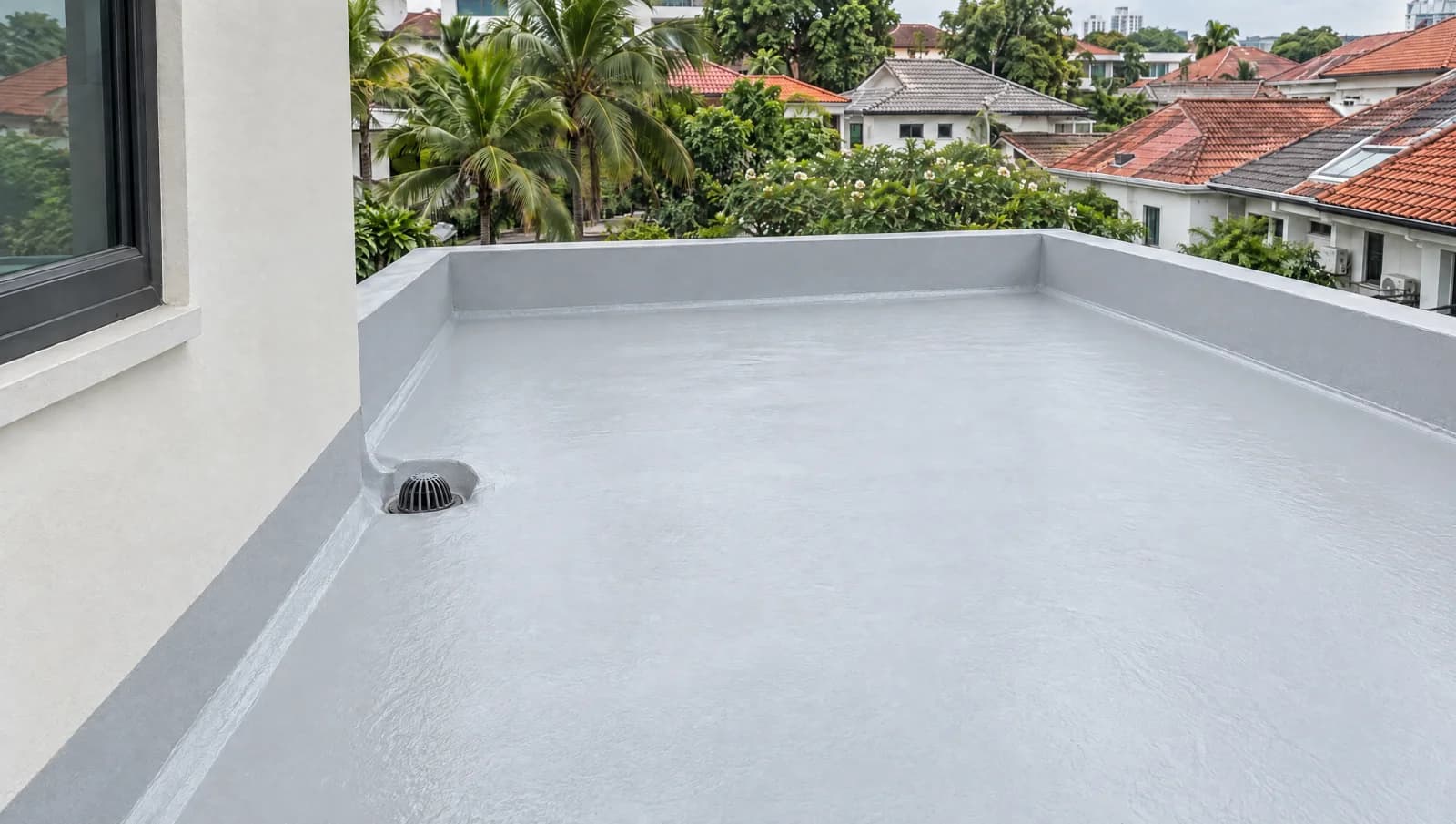
Roof Waterproofing Cost in Singapore: Repair, Recoat or Replace?
For a concrete flat roof of about 55 m², indicative Singapore contractor budgets are S$1,400–S$4,500 for liquid polyurethane (PU), or S$1,600–S$5,200 for torch-on waterproofing. Localised patch repairs are a separate, smaller scope at S$400–S$2,000. These guide figures need a site assessment: removal, access, drainage repairs and the condition beneath the old coating can change the final price.
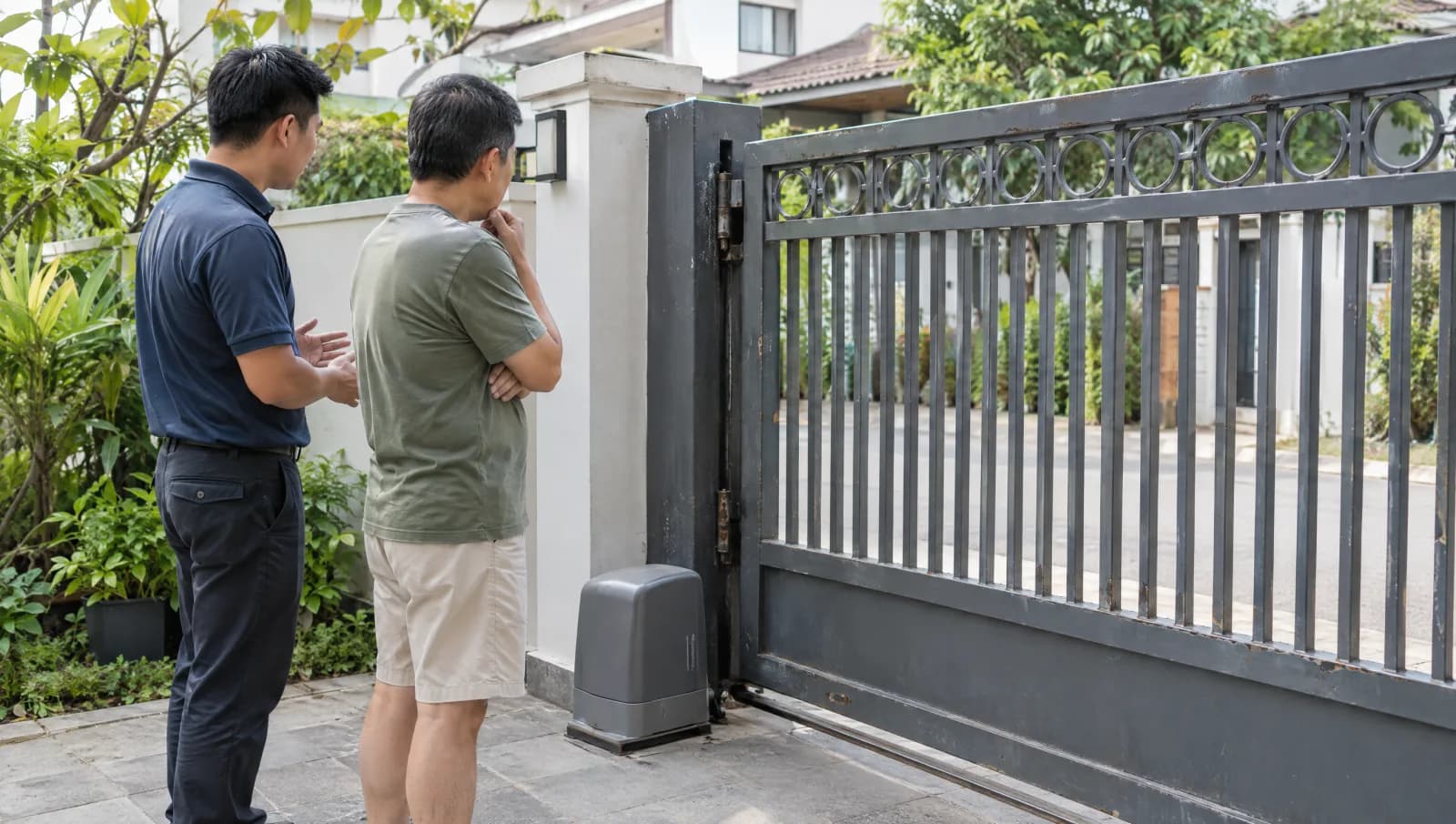
Auto Gate Cost in Singapore: New Gate vs Motor Upgrade
An auto-gate budget needs to distinguish a motor retrofit from a complete new gate. Keeping a sound gate avoids paying for a replacement panel, but the motor, protection devices, cabling and repairs still need a measured quotation. Compare the same opening, equipment and site work before choosing.
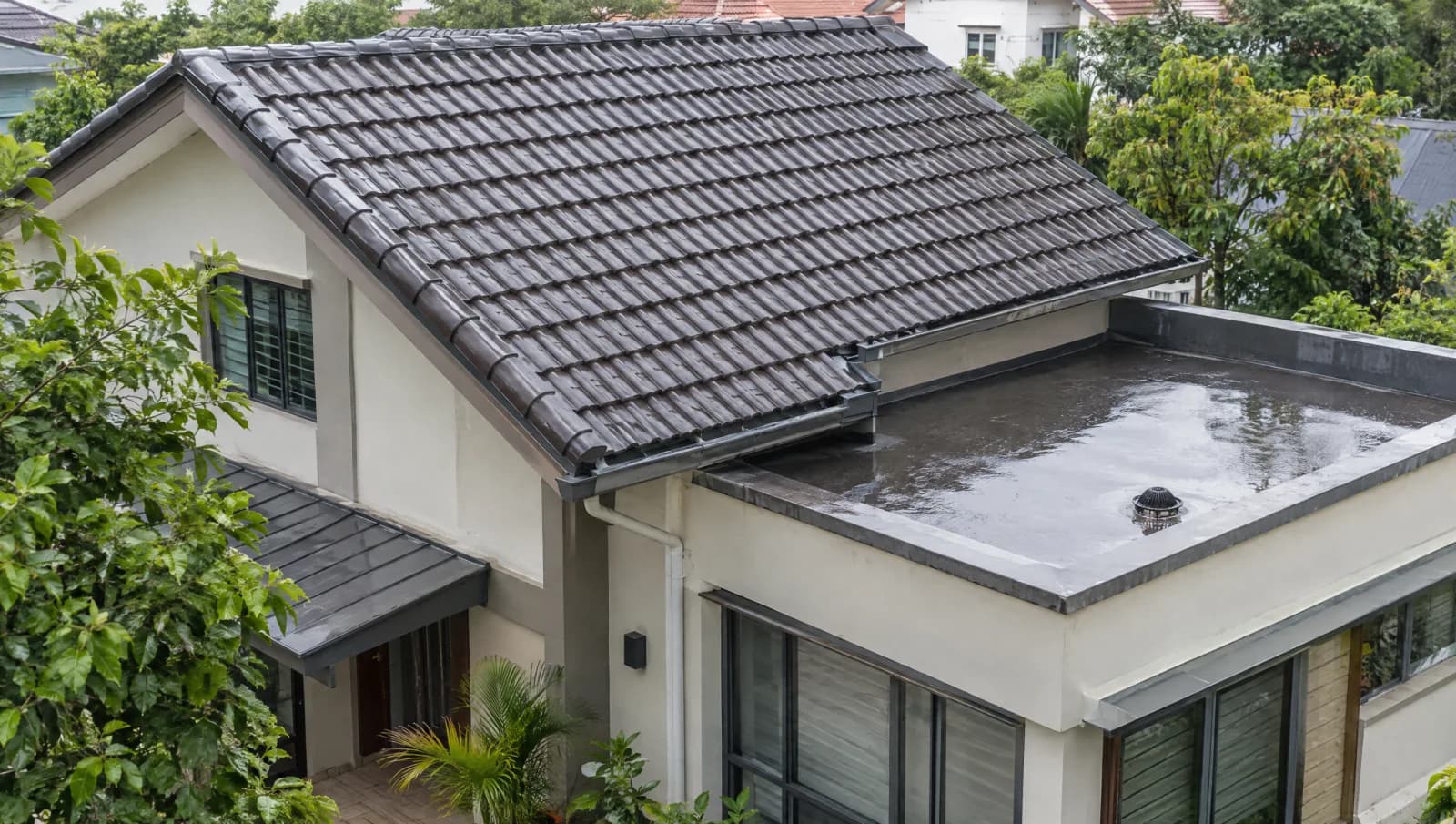
Waterproofing a flat roof vs a pitched roof
A flat concrete roof keeps rain out with one continuous waterproof layer, so its weak points are where water sits and where that layer is joined. A pitched roof sheds rain down overlapping tiles or sheets, backed by an underlay, flashings and valleys. The two leak in different places and need different repairs.
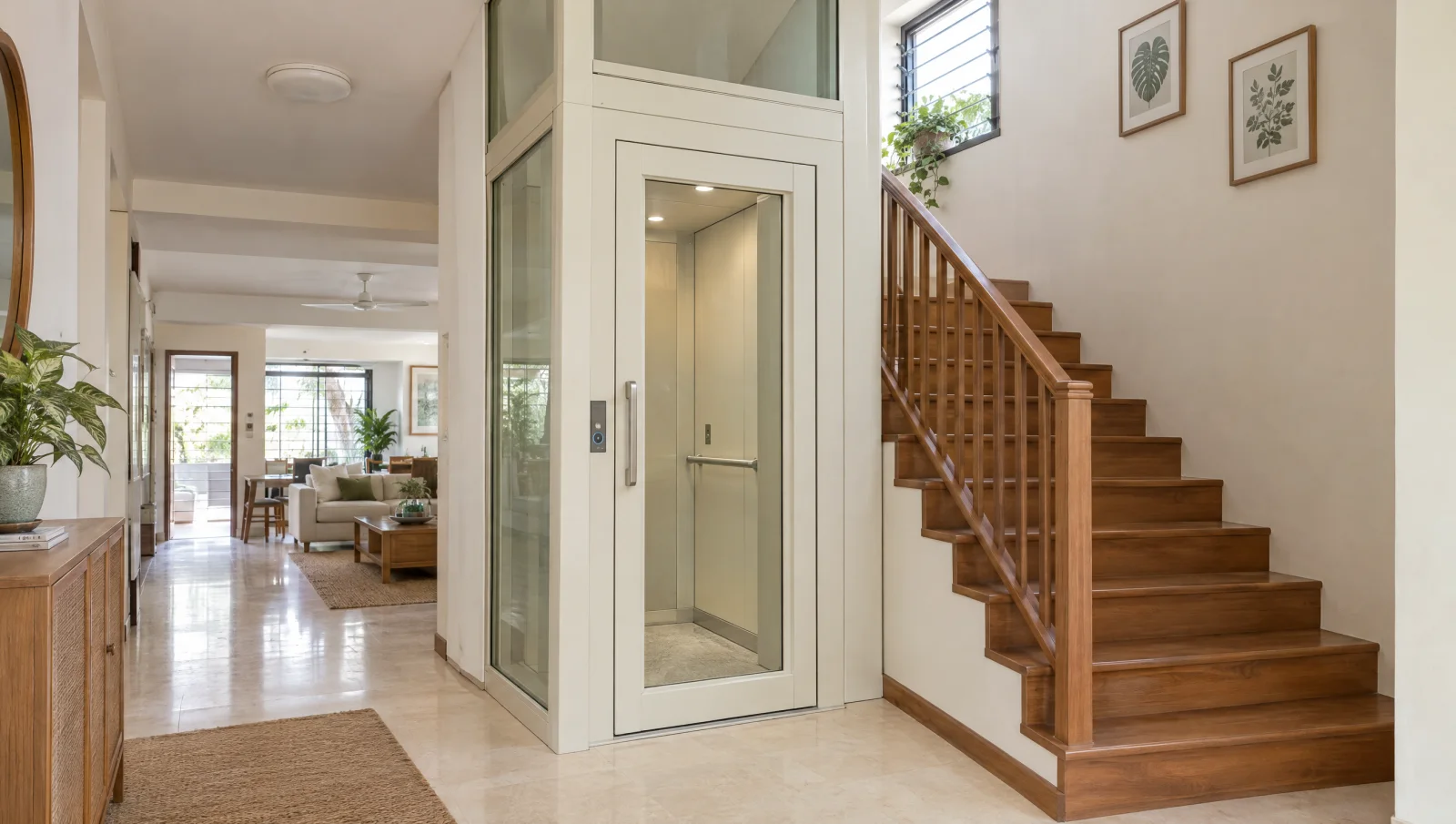
Cheapest Home Lifts in Singapore: Budget Options Compared
For a tight home-lift budget, start by comparing suitable equipment in a location that needs little alteration. A compact platform lift, a wheelchair-capable lift and a stairlift solve different access needs. There is no verified minimum installed price here: the lowest suitable quote must cover the person, route and building work together.

Rent or Buy a Stairlift? Compare the Total Cost
Renting a stairlift may suit a temporary need, while buying may be more practical for longer use. Compare the full cost over the period you expect to need it, including installation, servicing and removal. If the duration is uncertain, ask how extending the rental or buying later changes the total before committing.
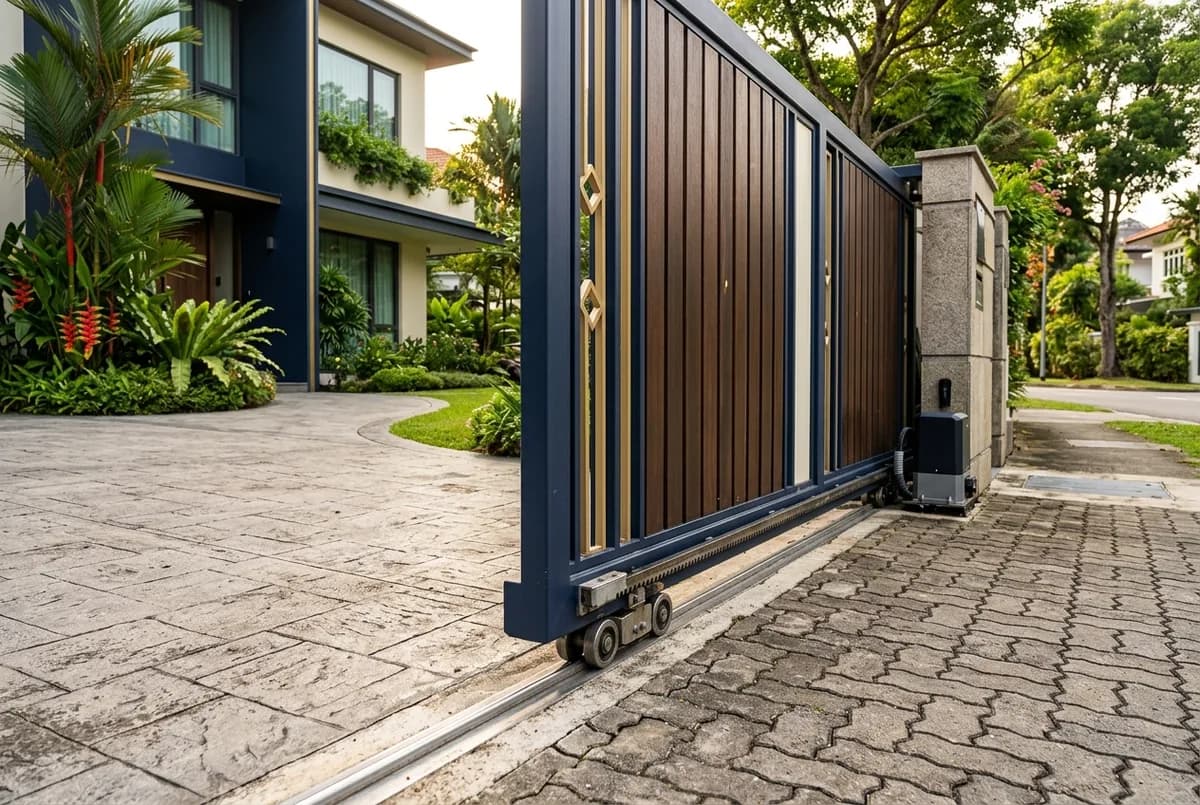
Should you choose a swing gate or a sliding gate?
Choose a sliding gate if your parked car leaves no room for the gate to swing inwards, provided there is space beside the entrance for it to slide open. A swing gate suits a driveway with room to open inwards but little space at the side. Check the slope and walking route before choosing.
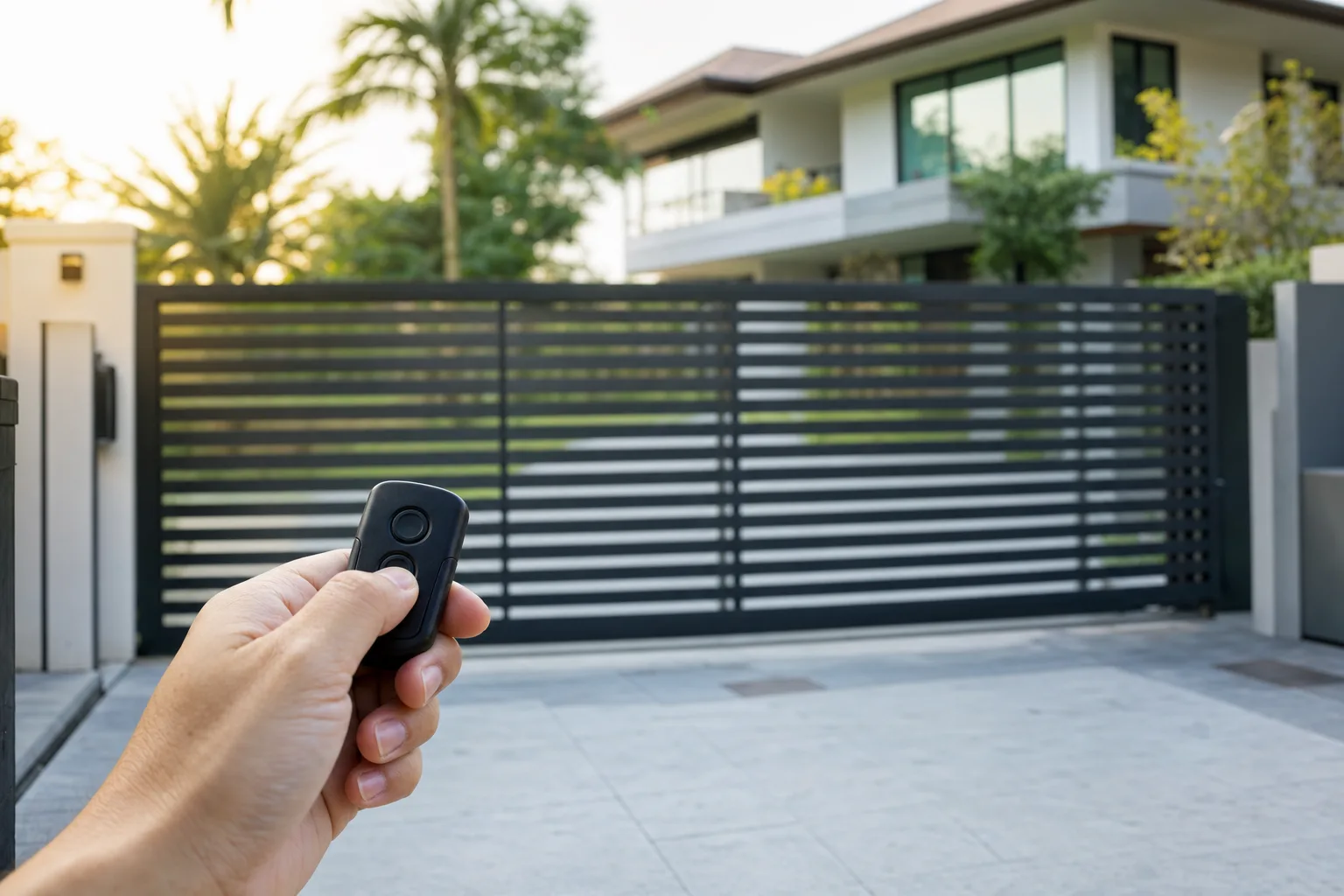
5 common auto gate problems and how each one is repaired
An auto gate that's stuck or ignoring the remote doesn't automatically need replacing. The five common problems are a gate that won't open or close at all, a struggling motor, a remote that stops working, a gate that won't stay shut or opens on its own, and rust or wear that makes it drag. Some just need a new remote or motor battery.