On this page
View In PDFIf water is coming through the ceiling, keep people away from the affected area and from any wet electrical fittings. Do not climb onto the roof or open the ceiling to find the leak. Arrange professional help, protect belongings only where it is safe, and record what you can see from a safe position to help the inspection.
First Hour: Protect People and Electricals
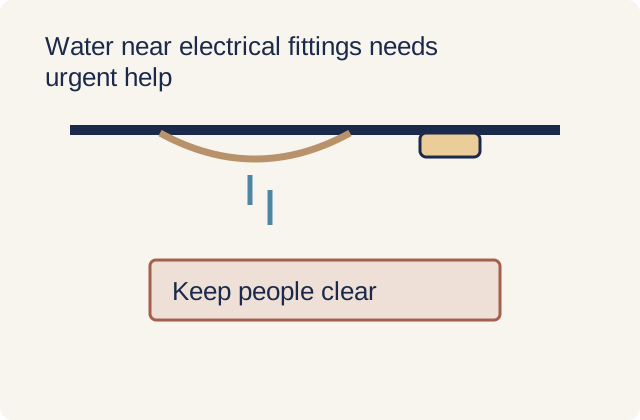
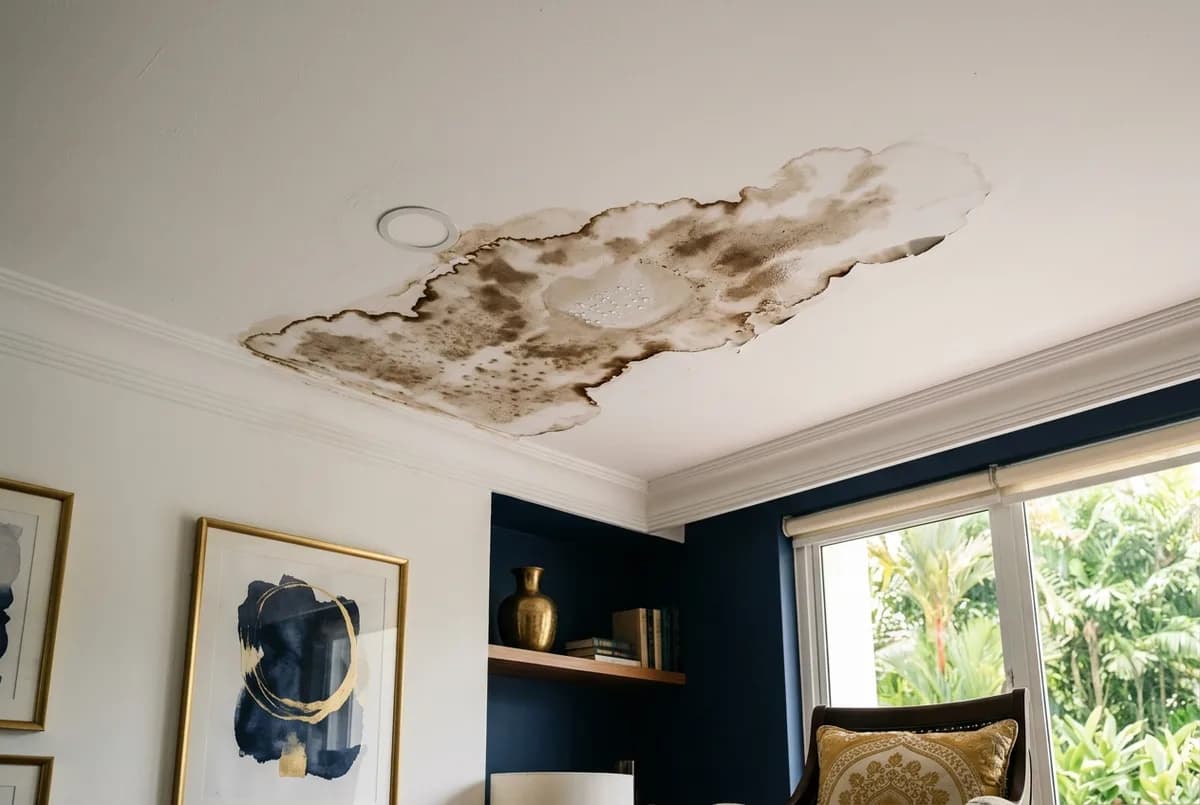
A roof leak in Singapore tends to show up first as a damp patch on the ceiling, sometimes followed by a drip, and during heavy storms by a steady stream. The single most urgent risk is water reaching an electrical fitting: a downlight, a ceiling fan, or a power point.
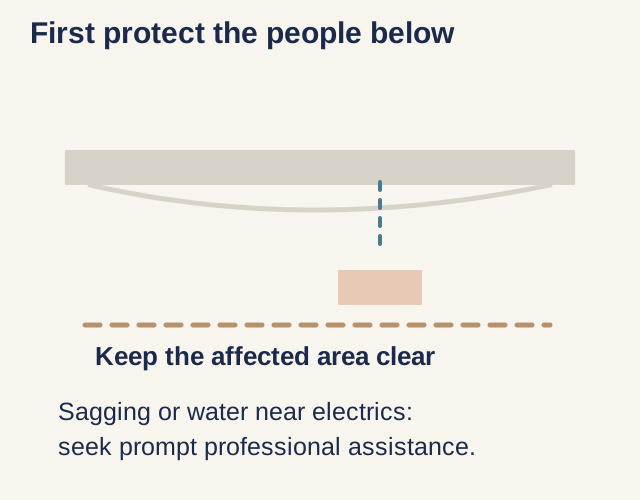
Keep everyone away from water-damaged electrical fittings. Switch off the supply only if the consumer unit and the route to it are dry and safe to reach. If there is any doubt, keep clear and call for professional help. Do not enter a wet or damaged area to retrieve belongings.
Catch the Water
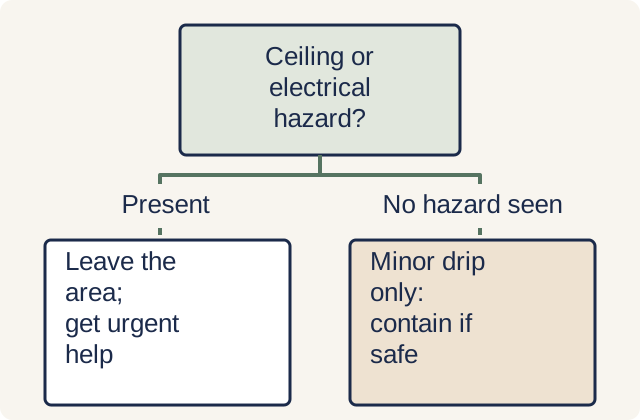
For a minor drip with no sagging ceiling or nearby electrical risk, a container can limit damage if it can be placed safely. Keep the route clear and avoid standing under the leak. If the ceiling changes shape or the damage spreads, leave the affected area and arrange urgent professional assessment.
If the ceiling is bulging or sagging, keep people out of the affected room and arrange urgent professional assessment. Do not pierce, push or work beneath the damaged ceiling. The condition of the ceiling and anything above it cannot be established safely from the visible bulge.
Document Everything for Insurance and the Contractor
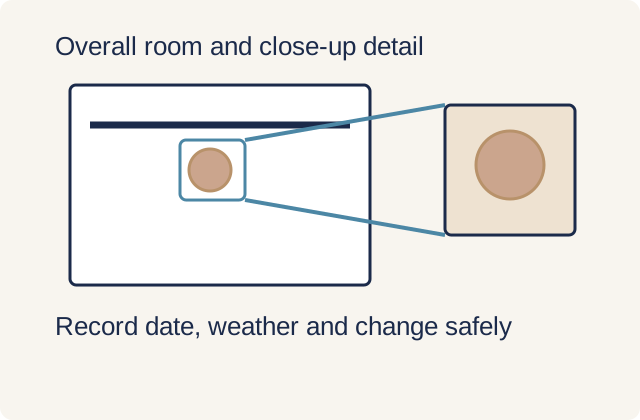
If you can do so from a safe, unaffected position, photograph the leak and visible damage and note the time and weather. Keep everyone clear of damaged ceilings and electrical fittings. Do not approach a hazardous area to collect evidence for an insurer or contractor.
Check your own insurance policy and contact the insurer about notification and damage-limitation requirements. Storm damage, gradual deterioration and maintenance defects may be treated differently. Keep receipts and the contractor's findings without assuming reimbursement.
What Not to Do
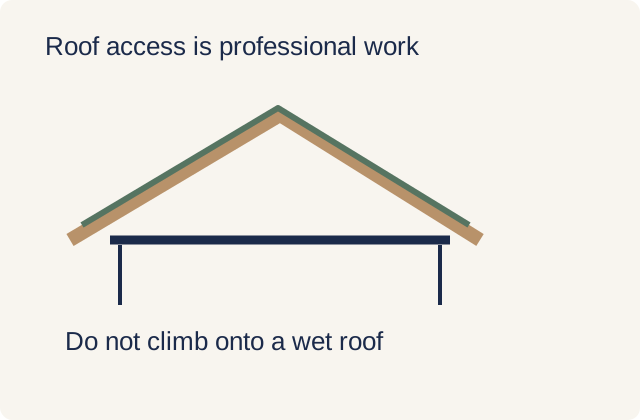
Do not climb onto the roof to inspect or patch it. Wet surfaces, unprotected edges and fragile coverings can make access dangerous even after rain stops. Roof assessment and temporary protection should be arranged by a contractor with suitable access and fall protection.
Before accepting a patch repair, ask what has been identified as the source of the leak and whether the proposed material is compatible with the existing roof system. Check the current warranty conditions. A patch that does not address the cause can leave the leak unresolved.
The Day After: Diagnosis Before Repair
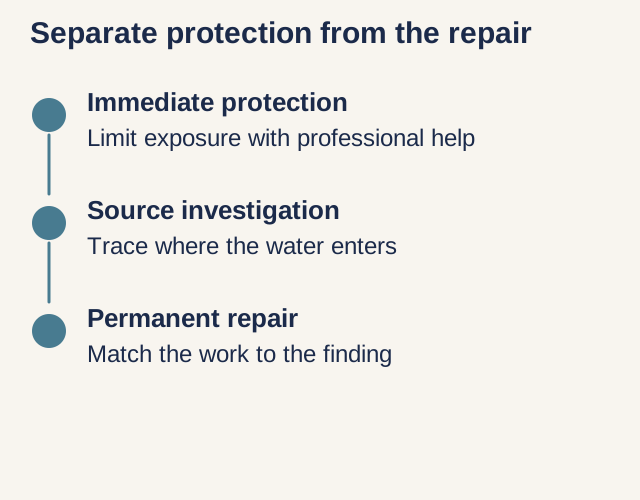
Once the rain stops, the priority is finding where the water actually got in, which is rarely directly above where it dripped inside. Water travels along the underside of slabs and inside ceiling voids before finding a drop point.
A contractor may use moisture measurements or controlled testing to investigate the entry path after checking that the test is suitable for the building. This is professional diagnostic work, not a reason to climb up with a hose. Ask how the finding connects to the proposed repair before authorising a full recoat.
The room where water appears may be some distance from its entry point because water can follow a slab, beam or concealed joint. A patch directly above the drip may miss that route. The useful sequence is to make the affected area safe, preserve a record of the rain-related behaviour and investigate the route before fixing the final scope. Temporary weather protection and a durable repair have different purposes and should be described separately.
Calling DirectHome
For a contained leak without immediate danger, send DirectHome photos taken safely and a description of when it began to discuss a roof assessment. Confirm availability and any assessment charges before booking.
If water is near electrics, the ceiling is sagging or structural damage is suspected, leave the affected area and seek urgent professional help. Do not wait for a routine WhatsApp reply or assume an overnight response is available. For an immediate threat to life or fire, call the emergency services.
Roof Waterproofing across Singapore
Need help with your project?
Tell us what you need on WhatsApp and send a few photos. We'll arrange a free site assessment, then give you a fixed-price quote within 3 to 5 working days.