On this page
View In PDFA professional roof inspection should look for conditions that allow water in or prevent it draining away. That includes the waterproofing, outlets, joints and connections around roof features. Ask for findings tied to the inspected areas and a clear distinction between work needed now and items to monitor; a generic checklist alone will not explain your roof's condition.
What routine inspection can tell you
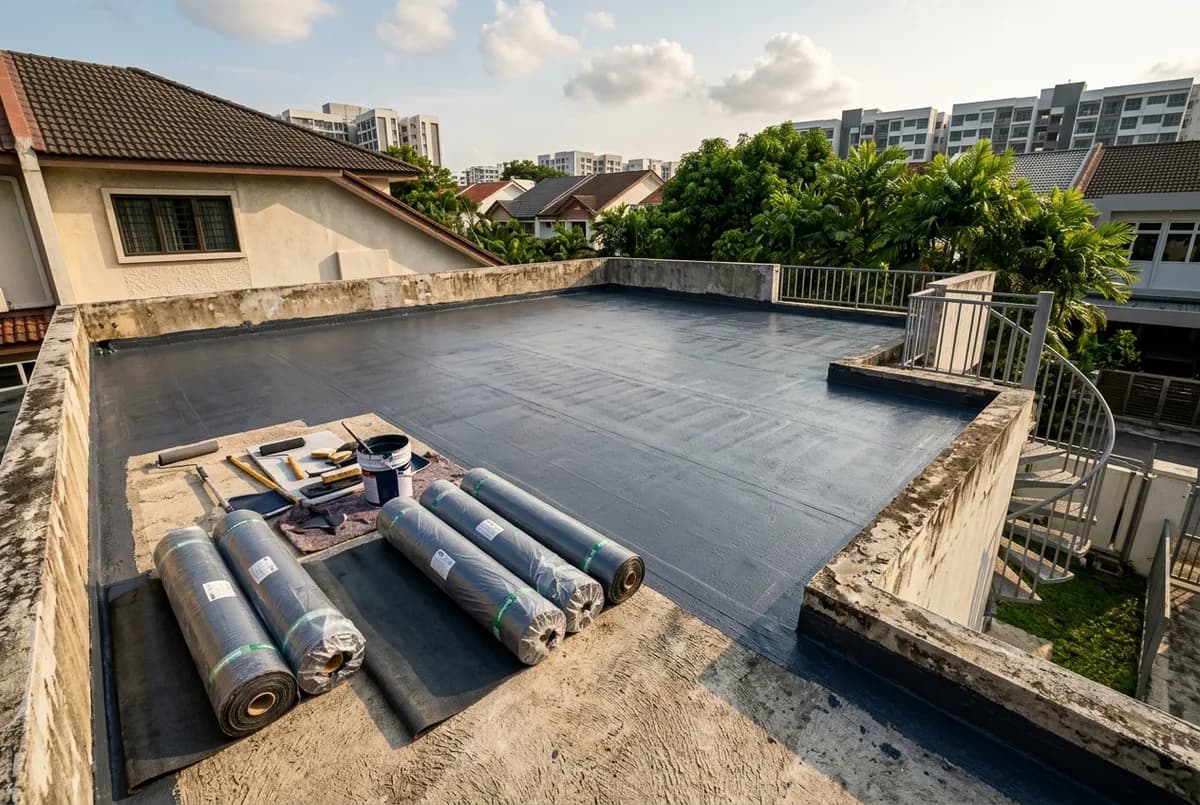
Roof waterproofing keeps water from reaching the building beneath the weather-exposed surface. A leak can develop where that layer is damaged or where it meets an outlet, joint or penetration. Regular inspection helps detect visible changes, while safe access and knowledge of the installed system determine what can actually be assessed.
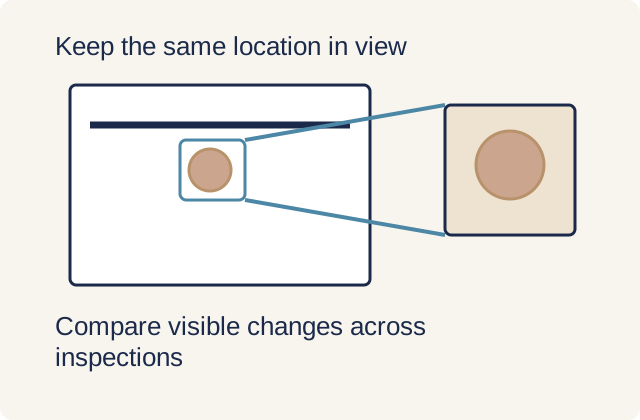
The inspection record is useful because it lets you compare the roof’s condition over time. Keep the waterproofing system details, earlier repairs and photographs together. This helps the contractor assess a new symptom in context; it does not guarantee a particular membrane lifespan.
Set an inspection schedule for your roof
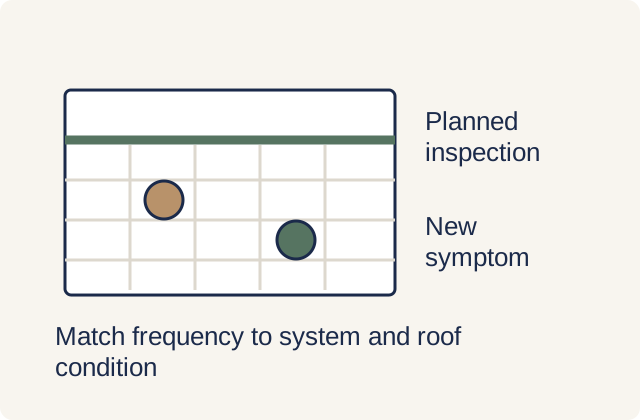
Agree the inspection frequency with the system provider, including any warranty conditions. Rain and wind can expose drainage problems or cause damage between scheduled visits, so report new leaks or visible changes promptly. An inspection schedule should reflect the actual roof and its access arrangements.
For a concrete scheduling example, Sarnafil roof-maintenance guidance calls for at least two inspections a year and an additional inspection after a severe storm or wind event. Its spring-and-autumn timing is written for the US; for a Singapore roof, agree local visit dates with the installed-system provider and meet any stricter warranty requirements. Roof access belongs to equipped professionals. This is an inspection example, not a rule to replace waterproofing every six months.
Ask the inspector to cover outlets, overflow routes, joints, penetrations and the main waterproofed area. Record whether debris is affecting drainage and what maintenance is needed. Roof access and cleaning should be arranged by people equipped for the work; a flat-looking roof is not automatically safe to walk on.
What the roof inspection should cover
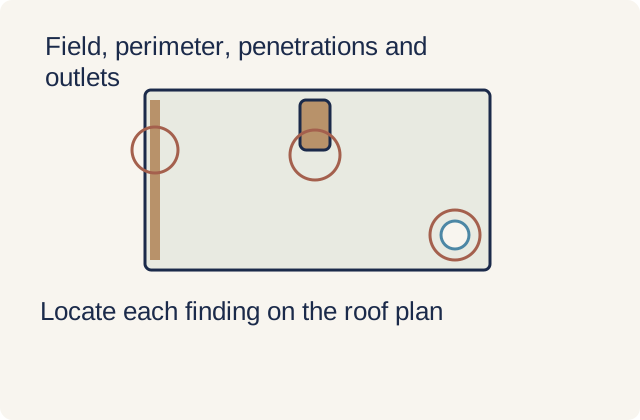
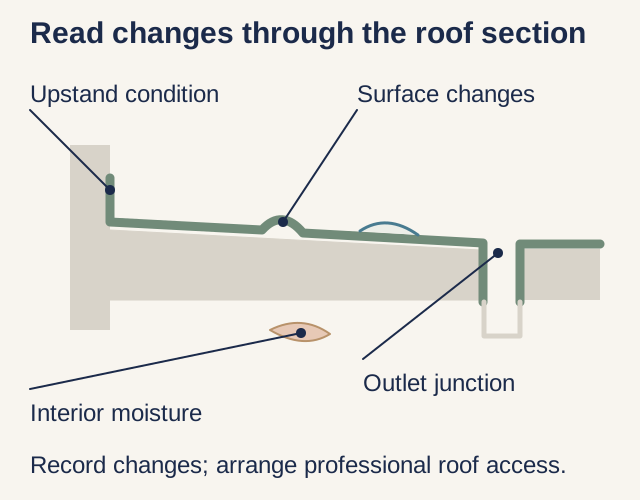
On the main waterproofed area, the inspector looks for lifted edges, blisters, cracking and areas where water remains. A blister can involve separation within the surface or moisture beneath it, while a split may follow movement at a joint. Those possibilities need assessment against the installed system; appearance alone does not reveal the depth or extent of the defect.
Upstands turn the waterproofing up adjoining walls or raised details. Flashings protect vulnerable junctions, while pipe penetrations and outlets interrupt the broad surface. Water can enter at those connections even when the central roof area looks intact. Ask the report to locate the affected detail rather than describing the whole roof simply as 'leaking'.
Turn observations into a repair decision
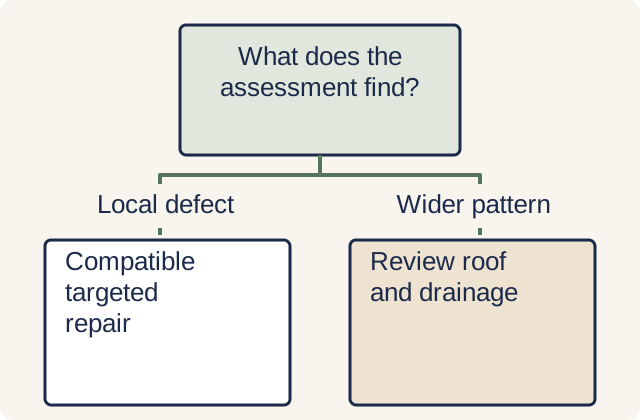
Separate routine maintenance from defects needing assessment. A report may identify debris removal, a damaged local detail or wider deterioration. Ask the contractor to explain which finding supports each proposed task, with safe access and protection of the existing roof included in the scope.
A small visible defect may be suitable for a local repair, but its size alone does not establish the depth or cause of the problem. Have the repair material and method checked against the existing system. Keep a record of the completed work and the follow-up inspection recommended by the contractor.
Persistent ponding, widespread surface damage or recurring interior leaks call for assessment of the wider roof and drainage. Water can travel within the roof before showing as a ceiling stain, so the visible stain need not sit directly beneath the entry point. The investigation should distinguish a waterproofing defect from plumbing, condensation or another water route before a coating is proposed.
Early diagnosis helps establish whether the problem is local damage, a drainage issue or a wider failure. Those findings should determine the repair scope. Keep photographs taken from safe locations, the installation records and previous repair details for the contractor; do not assume that adding sealant will address an unexplained leak or preserve the system warranty.
Check the repair scope and warranty
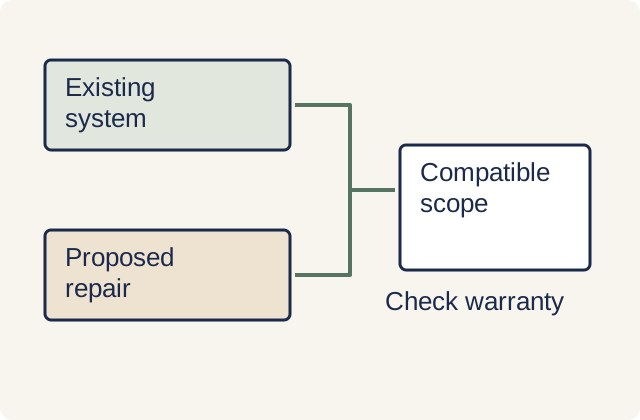
If a repair changes an outlet, overflow or discharge route, have the drainage design and any applicable submission requirements checked before work starts. Changing where water goes can affect other parts of the roof and the property. This needs a coordinated repair design, not an improvised patch.
Repair products need to be compatible with the installed waterproofing system and substrate. Have the contractor identify the existing materials and explain the proposed preparation, primer and repair. A product described as waterproof is not automatically suitable for every roof surface and waterproofing system.
Check the warranty’s conditions for inspection, maintenance and repair before commissioning work. The document should identify who can authorise or carry out repairs and what records to retain. Do not assume coverage from the system’s age alone.
Closing the Loop After Each Inspection
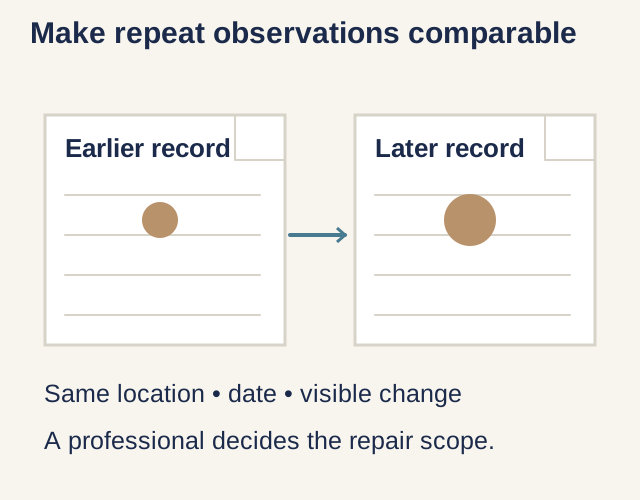
Keep the dated inspection report, photographs and agreed follow-up together. If repairs are proposed, ask what defect each repair addresses and how completion will be checked. If no work is needed, retain that report too so the next inspection has a clear reference point.
For a roof waterproofing discussion with DirectHome, bring safe-location photographs, the original system details and any inspection or repair report. Describe when the leak appears and which room is affected. Confirm the proposed assessment, access arrangements and repair scope before treating the enquiry as a booked maintenance visit.
Frequently asked questions
How often should I inspect roof waterproofing in Singapore?
A useful manufacturer example is at least twice yearly, plus inspection after severe storms or wind events, for Sarnafil roofs. That guidance is US-based; set the actual Singapore schedule around your installed system, exposure and warranty rather than copying its seasons. Report a new leak promptly between visits, and arrange professional roof access. Inspection frequency does not establish a re-waterproofing interval.
Can I repair a small roof membrane crack myself, or will it void the warranty?
Do not assume that roof access or clearing a drain is safe for an owner. Arrange suitable access and have the contractor check the defect, existing system and warranty conditions before a repair. A compatible local repair may be possible, but a generic sealant or unapproved intervention can leave the leak unresolved or affect coverage.
What is the difference between a roof inspection checklist and the signs that I need re-waterproofing?
An inspection checklist sets out what should be assessed and recorded during planned roof maintenance. Interior stains or other new symptoms are reasons to investigate a possible leak, but they do not prove that the whole roof needs re-waterproofing. The inspection findings should determine the repair scope.
Do I need a permit to clean or repair my roof drainage in Singapore?
Describe the proposed work to the contractor before deciding what approvals apply. Removing debris is a different scope from changing an outlet or discharge route. Any drainage alteration needs its design and applicable requirements checked; access to the roof also needs to be arranged safely.
Roof Waterproofing across Singapore
Need help with your project?
Tell us what you need on WhatsApp and send a few photos. We'll arrange a free site assessment, then give you a fixed-price quote within 3 to 5 working days.