On this page
View In PDFA roof waterproofing warranty is useful when it clearly states what is covered, who responds to a leak and which conditions apply. The number of years does not answer those questions. Read the coverage alongside the proposed work before signing, so you know whether the guarantee includes only the material or also the labour needed to put a covered defect right.

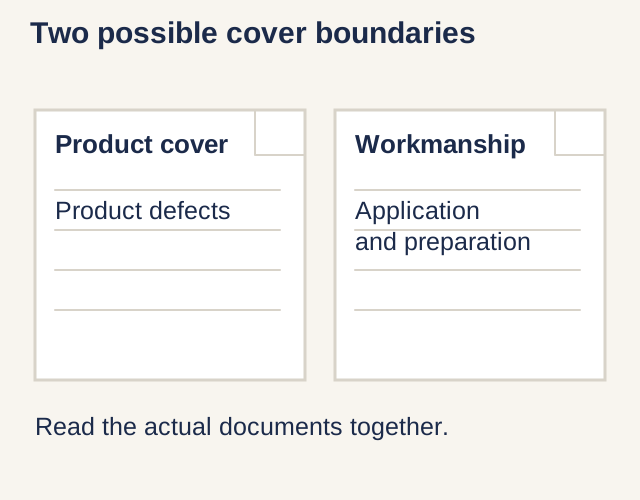
Material and Workmanship Cover Are Different
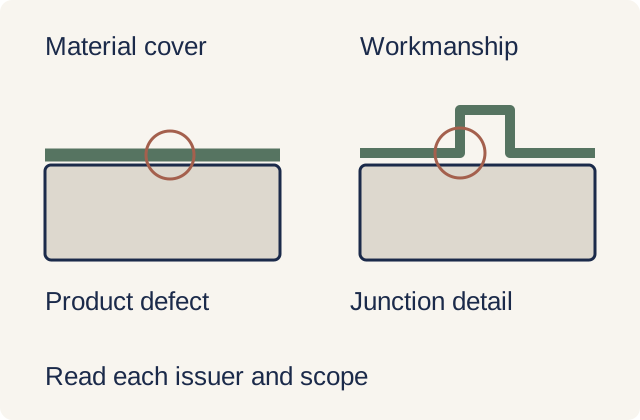
A waterproofing proposal may include a material warranty, a workmanship warranty or a combined undertaking. They are not automatically supplied as two separate certificates. Ask who issues each promise and whether your particular installation qualifies.
Material cover concerns the product under the issuer's terms; workmanship cover concerns the installation. A leak does not by itself establish which has failed. Diagnosis may reveal a defective junction, an unsuitable substrate or water entering beyond the treated area, and those findings determine which obligations are relevant.
Suppose a product is replaced under a material warranty but the repair requires access equipment, removal of tiles and reinstatement. Those operations may cost more than the replacement material. Whether they are covered depends on the remedy actually promised. This is why material and workmanship terms should be read alongside access and making-good obligations, rather than judged by the longest number of years printed on the quotation.
Read the Period Offered for Your Actual System
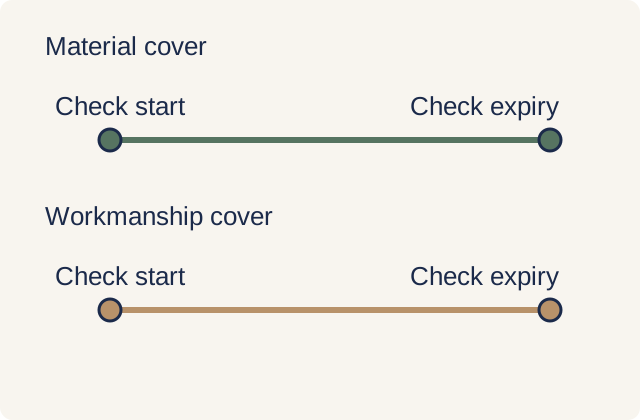
There is no single warranty period that applies to all Singapore roof waterproofing. Read the actual offer for the proposed system and application rather than treating a long headline term as an industry entitlement. The start date, remedy and exclusions matter as much as the number of years.
If a quote says only '10-year warranty', ask whether that term covers the material, application labour, access and making good. A material replacement promise can leave substantial repair costs outside cover. Obtain the specimen terms before agreeing the job.
What Typically Voids a Warranty
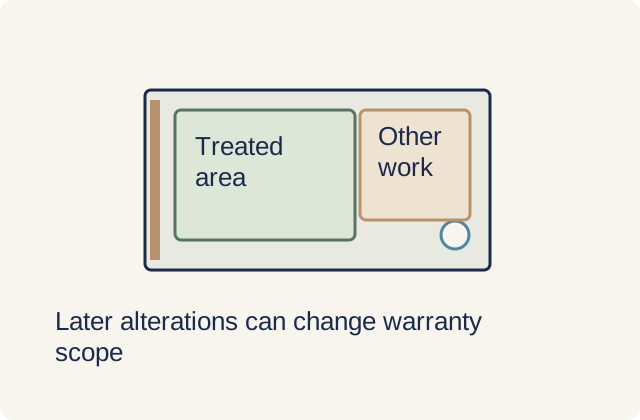
Later roof work can damage a membrane or affect warranty cover. Before installing equipment, adding fixings or arranging a patch, ask the warranty issuer what protection and consent its terms require. Third-party work does not have an identical consequence under every contract.
Check how the warranty treats structural movement, storm damage and leaks originating outside the agreed area. Mark the covered boundaries on a drawing so a future inspection can distinguish a defect in the work from an unrelated entry point.
What a Strong Warranty Should Contain
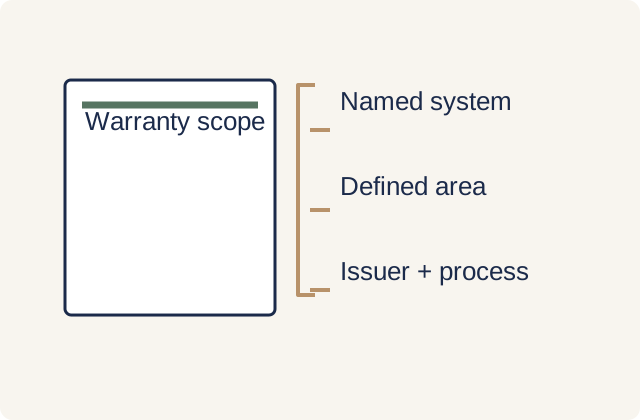
A good written warranty names the exact membrane system used, lists the area covered in square metres, states the warranty period clearly, names what is covered (typically water ingress through the waterproofed area), names what is excluded, and explains the claim process.
The warranty should identify its legal issuer and contact details. A company suffix does not establish future solvency or service quality. Check the issuer's trading record and how claims are handled, and keep evidence of the agreement and payment.
Documenting the Job for Future Claims
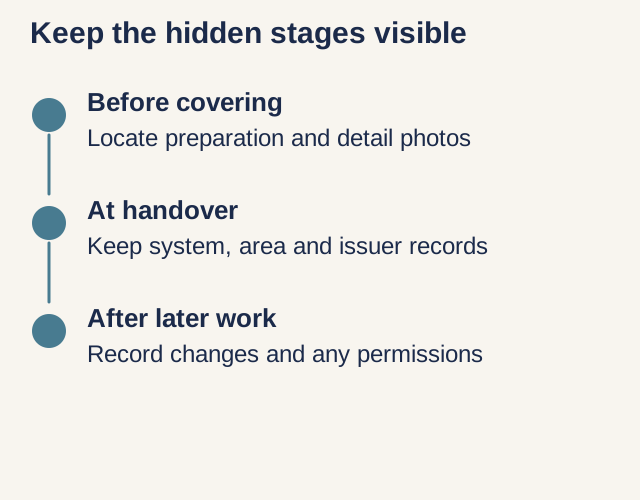
Ask for records of the stages relevant to the selected system, including preparation, details and completed application. These may help explain what was installed if a defect occurs. Photographs support the record but do not independently prove thickness, adhesion or compliance.
Keep the original quote, the invoice, the warranty certificate, and any product datasheets together in a single folder. If you sell the home, hand the folder to the buyer. A documented waterproofing system is a selling point for landed property.
How DirectHome Handles Warranty
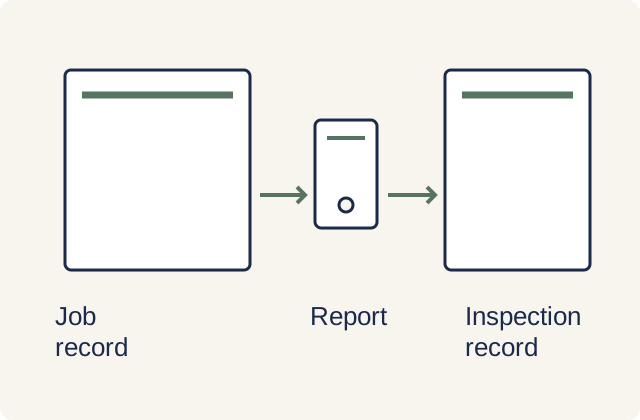
For work discussed with DirectHome, ask for the proposed warranty terms and the identity of the issuer before accepting the quotation. Confirm whether a manufacturer's undertaking is actually included and what application records are needed to support it.
If a leak returns, notify the party named in your warranty and keep a written record. Provide the contract, photos taken safely and the date the leak appeared. Confirm the inspection arrangements and any disputed charges before authorising additional work.
Frequently asked questions
What is the difference between a material and a workmanship warranty?
A material warranty covers specified product defects; a workmanship warranty covers specified installation defects. Either may have exclusions and claim conditions, and a job does not automatically carry both. Read the actual documents and identify the legal issuer.
How should I compare roof waterproofing warranty periods?
The period is set by the actual warranty offer, not a universal Singapore roof-waterproofing rule. Compare the start date, covered area, remedy, exclusions and any maintenance requirements alongside the term. Keep material and workmanship periods separate, and check whether either starts at application, completion or a specified acceptance date. A longer term is useful only alongside the remedy and costs it covers.
What typically voids a roof waterproofing warranty?
Damage or changes caused by later works can affect cover, but the consequence depends on the written terms. Ask the issuer before new fixings, equipment installation or patch repairs, and check exclusions for movement, storms and leaks beyond the treated area.
What should a strong written warranty contain?
Identify the issuer, system, covered area, period, exclusions and claim process. Ask whether labour, access and making good are included. A legal business form alone does not establish that the issuer will honour a future claim.
Roof Waterproofing across Singapore
Need help with your project?
Tell us what you need on WhatsApp and send a few photos. We'll arrange a free site assessment, then give you a fixed-price quote within 3 to 5 working days.