On this page
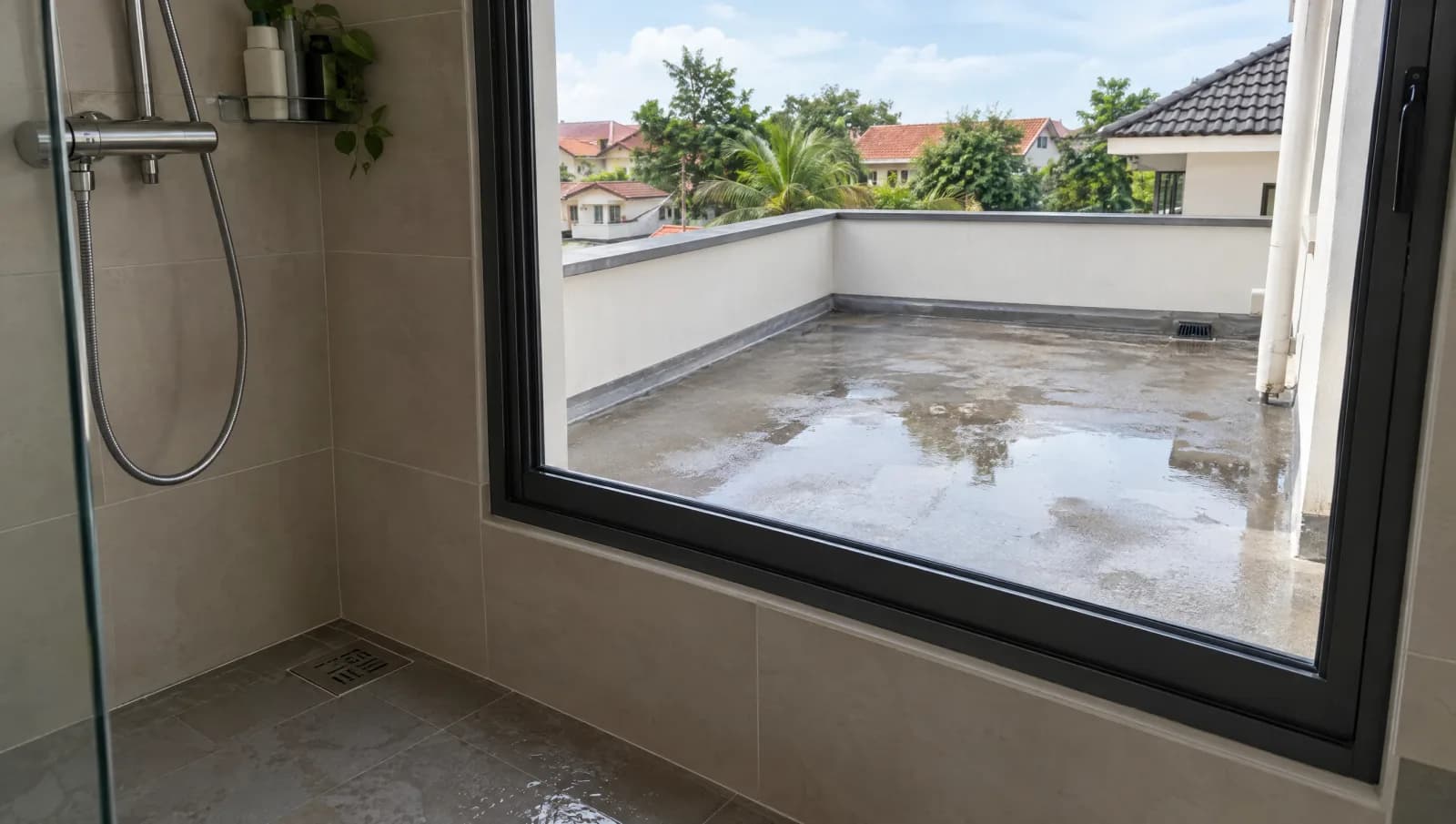
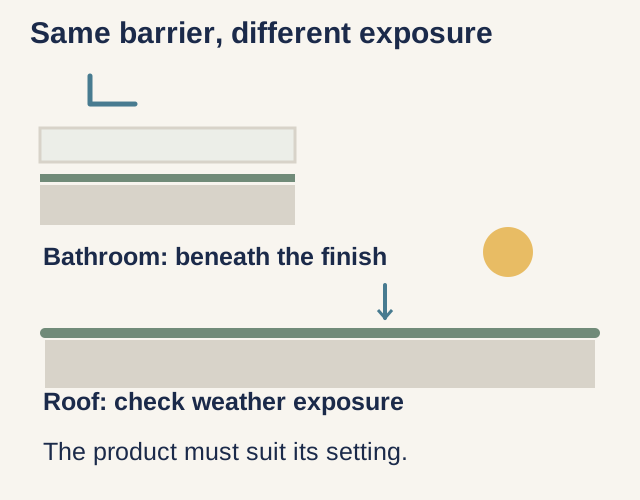
View In PDFBathroom and roof waterproofing both prevent water entering the building, but the conditions are different. A bathroom system sits beneath finishes around showers and drains; a roof system must suit its weather exposure, drainage and intended use. A repair that works in one place cannot be chosen for another on the word “waterproof” alone.
Same Goal, Different Job
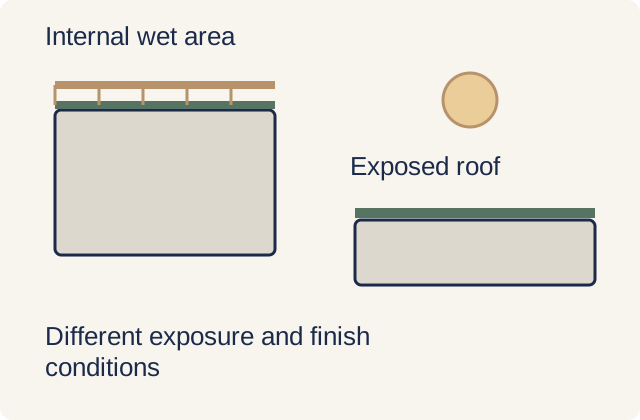
Bathroom waterproofing and roof waterproofing both stop water from reaching the structure below. But the conditions are completely different. Bathrooms have hot water, steam, daily cleaning chemicals, and a tile finish bonded directly to the membrane. Roofs have UV exposure, monsoon rain, thermal cycling, and either no finish or a screed layer.
Some products have more than one approved application, so crossing between roof and bathroom use does not automatically cause failure. What matters is whether the product and complete build-up suit the exposure, substrate and finish. Check that scope before reusing a specification from another area.
Water reaches the waterproofing differently in these two assemblies. In a tiled bathroom, joints in the finish can admit moisture to the membrane below; outlets and wall junctions must connect to that barrier. On an exposed roof, the membrane itself receives the weather and may need a finish suited to sunlight and maintenance traffic. Using the same word, waterproofing, does not mean the bond, protection and junction requirements are interchangeable.
Bathroom Waterproofing Systems
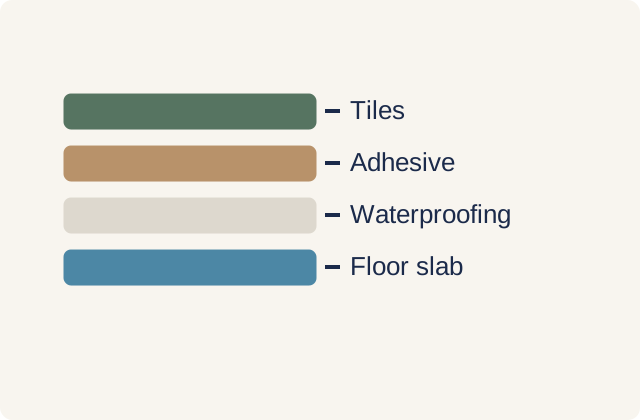
Bathrooms commonly use waterproofing beneath a tiled finish, including flexible cementitious and other compatible systems. The membrane, adhesive and tile finish must work together at floor-wall junctions, outlets and penetrations. Grout and tiles alone do not make a bathroom waterproof.
Coating thickness, coverage, reinforcement and curing vary by product. The installer should follow the chosen system's documentation and coordinate testing before the covering goes on. Do not substitute a generic two-coat quantity for a specified application rate.
Roof Waterproofing Systems
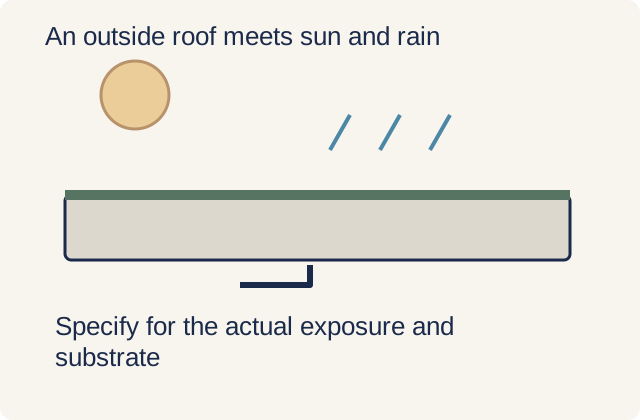
An exposed roof needs a system suited to sunlight, rainfall, substrate movement and permitted access. Some roofs instead protect the membrane beneath screed or another finish. The choice includes liquid and sheet systems; it should follow the roof's build-up and condition.
Cementitious systems are not all rigid, and a chemistry label alone cannot decide roof suitability. Check the exact product's permitted application and protective finish. Likewise, a roof coating suitable for outdoor exposure may not be suitable beneath the proposed bathroom adhesive.
Cost Differences
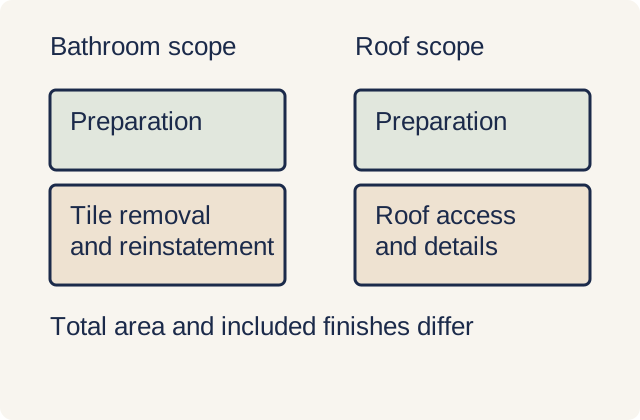
For a bathroom quote, establish whether the work is waterproofing within a planned retile or repair of a finished room. Removing tiles, making good the substrate and reinstating finishes can dominate the total. Compare those items separately from the membrane application.
For a roof, the measured area, access, drainage and condition of the existing layers change the scope. A per-area price for an accessible coating job is not directly comparable with a small bathroom involving demolition and reinstatement. Use itemised proposals for the actual work.
Warranty Considerations
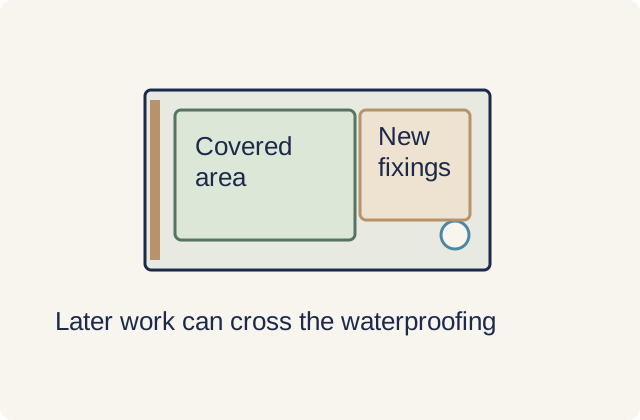
Ask for the written warranty for each job and identify whether it covers waterproofing, tiling, materials or workmanship. There is no universal term that follows automatically from the room or membrane chemistry. Check the issuer and remedy before agreeing the work.
Later drilling, plumbing and equipment installation can damage waterproofing. Ask how the contract treats those changes and what consent or protection is needed. Keep the covered area and exclusions clear so a future leak can be assessed against the agreed work.
When the Two Jobs Connect
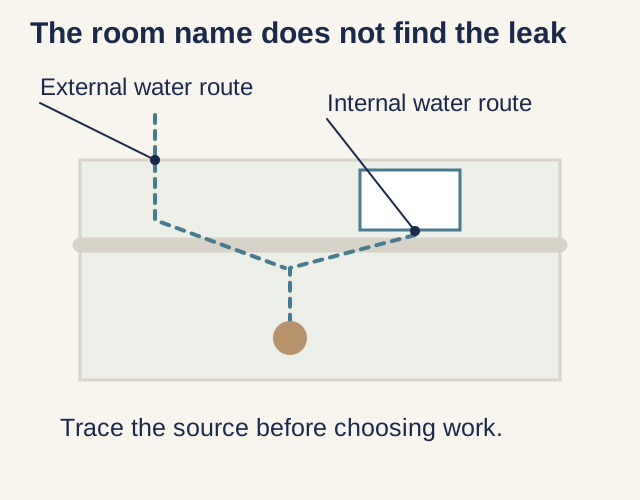
Most homeowners only think about waterproofing when something leaks. Occasionally a roof leak appears to be a bathroom leak (water from above tracking down an internal wall and emerging behind a bathroom tile). Diagnosing this correctly matters: fixing the bathroom when the source is the roof solves nothing.
Send DirectHome photographs taken safely and describe when the leak appears, such as during rain or after bathroom use. That information helps plan a diagnosis. Confirm the assessment scope and availability before booking; the visible room alone does not establish the source.
Roof Waterproofing across Singapore
Need help with your project?
Tell us what you need on WhatsApp and send a few photos. We'll arrange a free site assessment, then give you a fixed-price quote within 3 to 5 working days.