On this page
View In PDFResealing may be enough when an aluminium roof leaks at a joint or fixing and the surrounding sheets remain serviceable. Damaged sheets, poor junction details or wider deterioration can call for more work. The first decision is where water enters and what condition the roof is in, rather than which sealant to apply to the nearest visible gap.
Where Aluminium Roofs Show Up in Singapore Homes
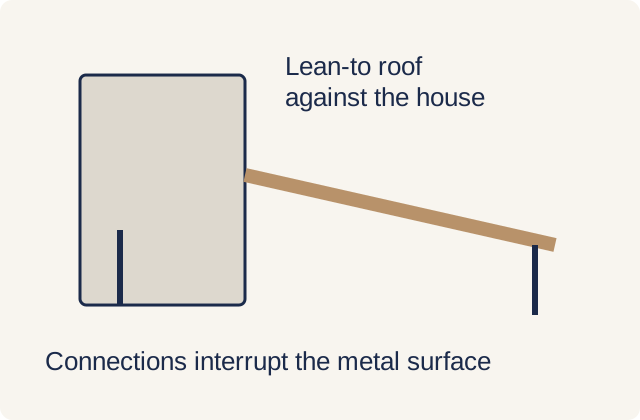
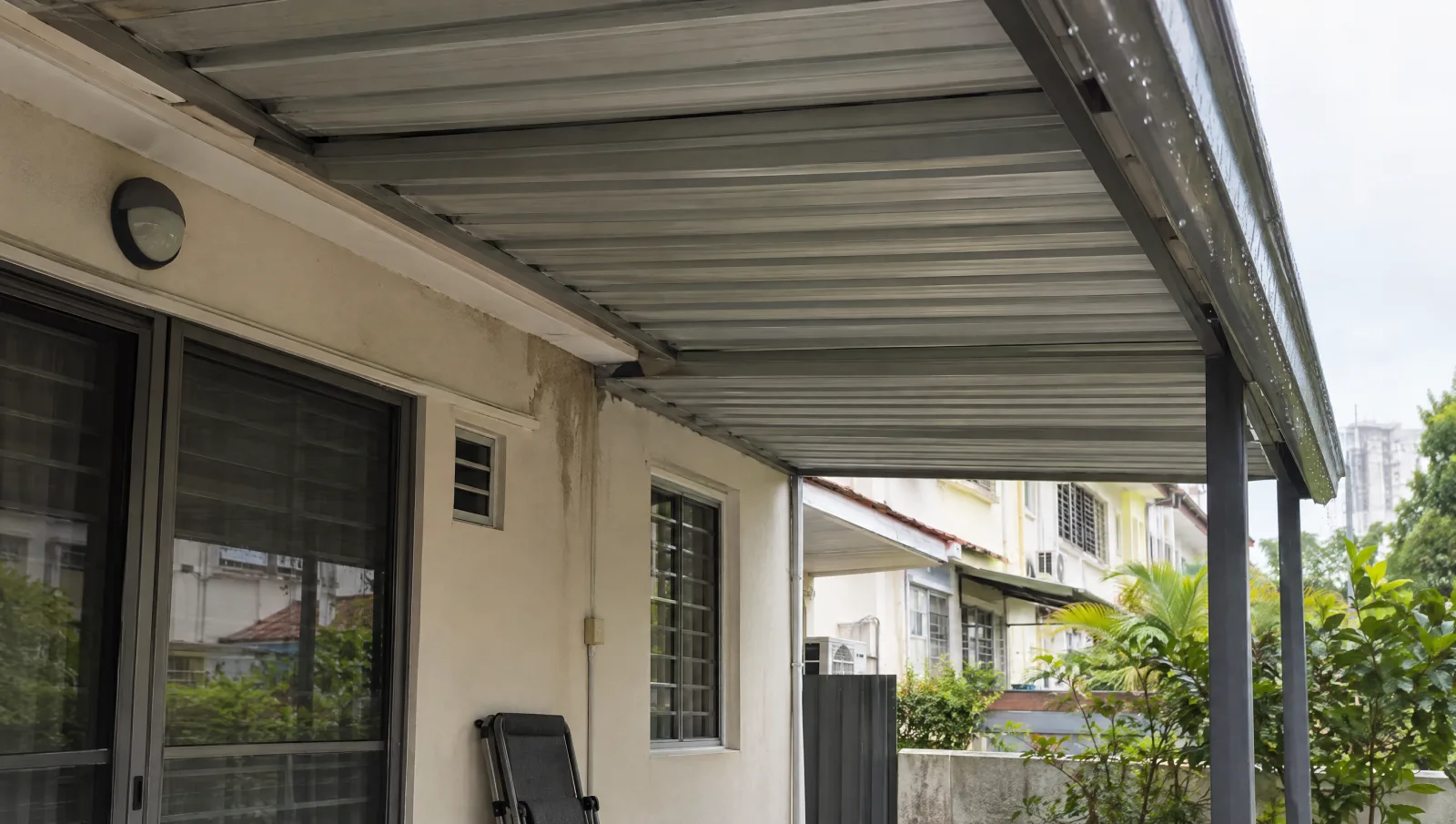
Aluminium coverings are used over porches, patios and extensions. A leak can arise at fixings, sheet joints or the connection to the main building, but damaged sheets, drainage and condensation also need consideration. The visible drip is a starting point for diagnosis, not proof of a failed sealant.
Have a roofing contractor establish the covering and support arrangement from safe access. Metal sheets can be fragile or slippery, and inspection should not require the homeowner to step onto them. Photographs from existing safe positions can help explain where water appears.
Failed Sealant at Fixings
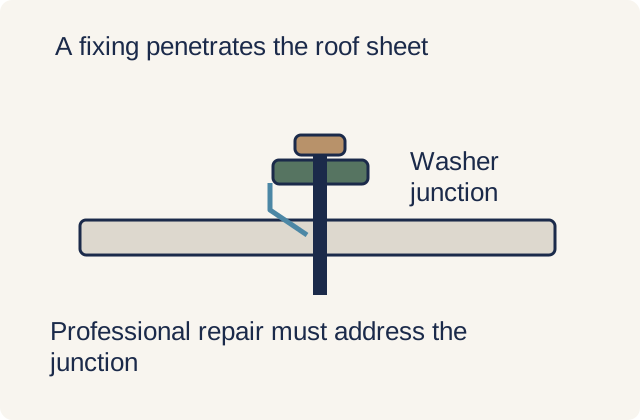
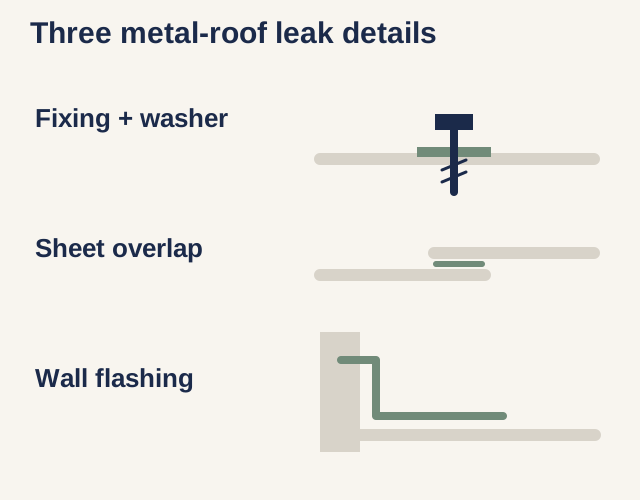
On screw-fixed roofs, the washer and fixing help seal the penetration. Ageing washers, loose or unsuitable fixings and damaged sheets can create paths for water. The contractor should check the actual fixing system rather than assuming a bead of sealant is the correct repair.
Rectification may involve replacing compatible fasteners and seals, repairing the sheet or addressing movement in the support. Any sealant should be approved for the metals and joint. This is roof work for a competent contractor; overtightening or adding incompatible fixings can create further damage.
Joint Failure Between Sheets
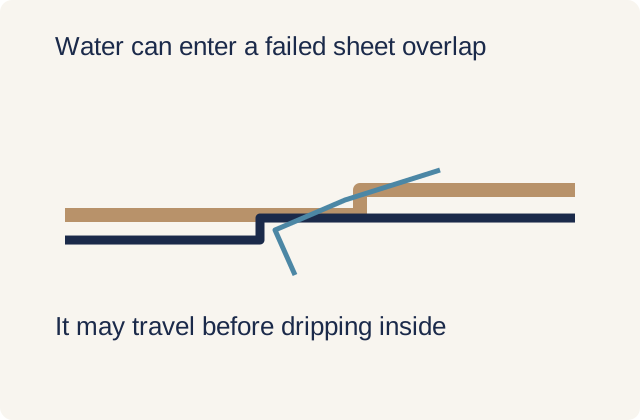
Where one aluminium sheet overlaps the next, there is usually a bead of sealant between them. That sealant ages, dries out, and cracks. Wind-driven rain then finds its way through the joint and runs along the underside of the sheet until it drips inside.
Joint repair depends on how the sheets are designed to overlap and move. The contractor should identify the compatible seal, tape or sealant and required preparation. A full liquid coating is an option only where the selected system is approved for the roof and its joints; it cannot repair an unsound sheet or support.
Metal sheets expand and contract with temperature. Their joints and fixings must allow the movement intended by the roof design while shedding water. A rigid patch across a moving junction may separate again, and extra screws can introduce new penetrations. The repair should restore the detail's function, not merely cover the place where water was last seen. That is why compatible seals, sound supports and correct fixing arrangements matter together.
Flashing Failure
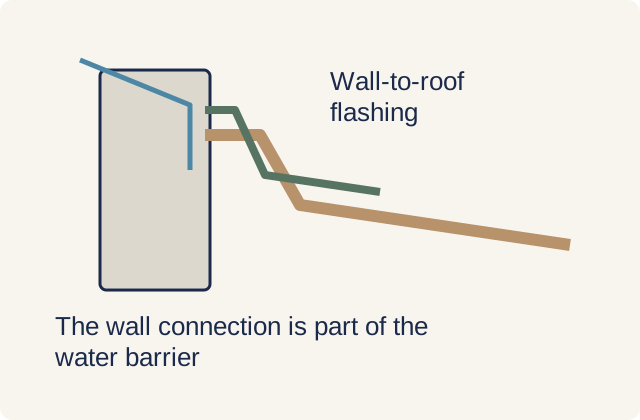
Where an aluminium roof meets the main building wall, there is usually a metal flashing tucked into a chase in the wall and dressed over the roof sheet. When the chase mortar fails or the flashing pulls loose, water enters along that line and tracks down the wall inside.
A contractor should assess whether the flashing needs refixing, replacement or repair at its wall connection. The detail must continue to shed water while accommodating movement. Surface sealant alone may hide an underlying gap without correcting the faulty connection.
Liquid Waterproofing Over Aluminium
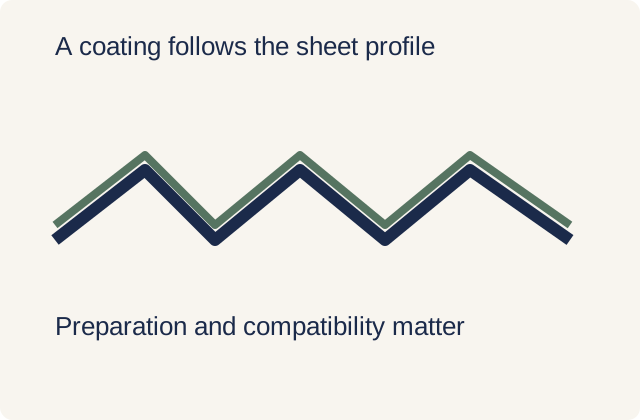
Some liquid-applied systems are suitable for metal roofs and can protect a sound surface with multiple vulnerable details. The manufacturer must approve the substrate and complete preparation and reinforcement method. A coating does not restore the strength of damaged sheets or establish a fixed extension to roof life.
Preparation depends on the existing coating, oxidation and selected product. Cleaning, adhesion checks and a specified primer may be needed. The applicator should follow the actual system documentation instead of mechanically abrading or priming every aluminium roof in the same way.
When to Reseal vs Replace
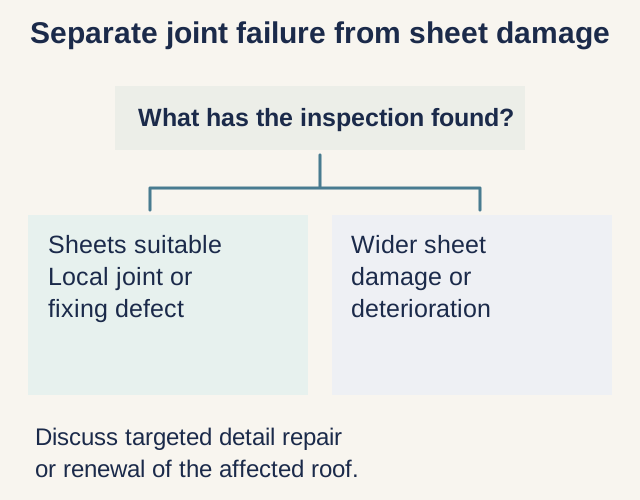
Local resealing or flashing repair can make sense when the sheets and supports remain sound and the defect is identifiable. Replacement becomes more relevant where deterioration is extensive, fixings no longer hold or repeated repairs leave the water path unresolved. The assessment should explain which condition applies.
Ask for repair and replacement scopes that include safe access, compatible fixings, flashing, removal and disposal. Surface oxidation alone does not establish structural failure, and a calendar age alone does not decide replacement. Send DirectHome safe photographs and the repair history to discuss the next assessment.
Roof Waterproofing across Singapore
Need help with your project?
Tell us what you need on WhatsApp and send a few photos. We'll arrange a free site assessment, then give you a fixed-price quote within 3 to 5 working days.