On this page
View In PDFRain can interrupt preparation, application and curing during roof waterproofing. Whether a particular stage can proceed depends on the product and site conditions, not a single waiting period that applies to every roof. Before work begins, ask how exposed areas will be protected and how the contractor will decide when the surface is ready for the next stage.
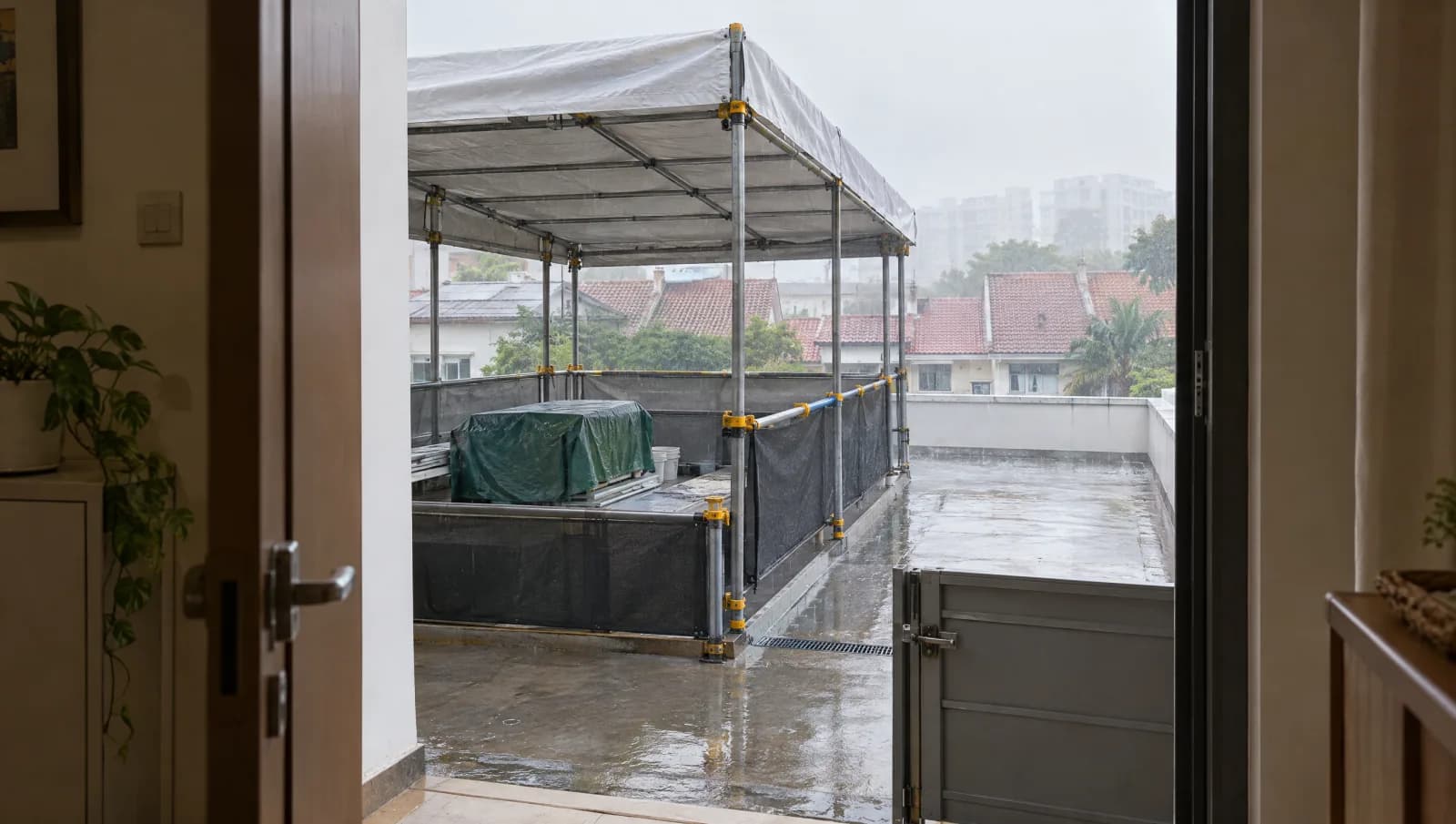
For roof waterproofing work, agree how the house will stay protected while the roof is unfinished. Then ask when the surface will be checked for coating, when the next layer can be applied and when other trades may use the roof again. These decisions depend on the actual system and conditions, so one completion date cannot settle them all.
Before opening the roof, know how it will be left
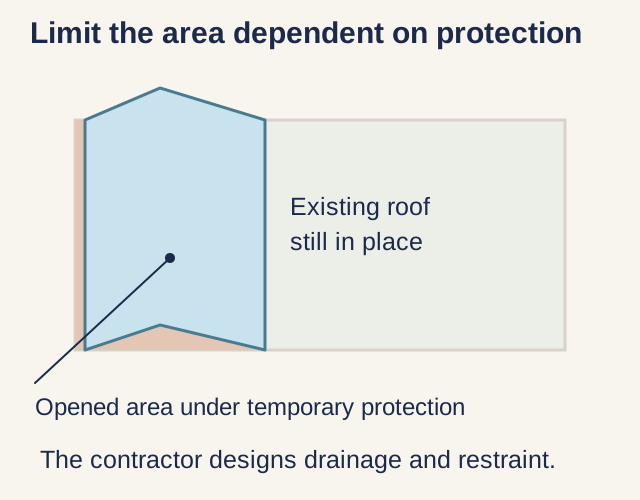
An existing roof may still provide partial weather protection even when it leaks. Removing a finish, opening a joint or taking out failed material can change the exposure of the rooms below. The preparatory work needs its own plan for an unfinished day, especially in an occupied home.
The practical question is how much area can safely be opened and protected within the planned working period. A contractor may propose smaller sections to manage that exposure. That can create more temporary edges and require careful sequencing, but it also limits the area dependent on temporary protection at one time. A larger continuous work area may suit another roof. Neither approach is inherently preferable without the roof layout, access and system details.
Temporary protection should keep water away from opened parts of the roof, allow rainwater to drain and protect materials awaiting their next layer. Ask how the covers will be secured, where water will run and who will inspect the protection after a weather interruption. A note saying “temporary cover” leaves those practical questions unanswered.
For a homeowner, this belongs in the pre-start discussion alongside access and room protection. It is much harder to resolve after the original waterproofing has already been disturbed.
A surface that looks dry may not be ready for coating
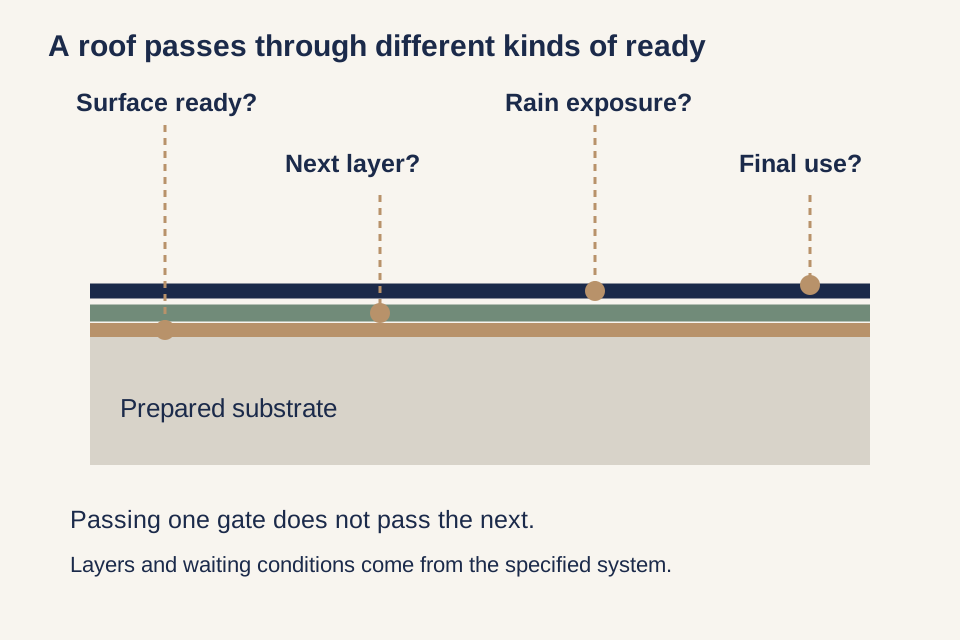
Water can remain within a substrate after the exposed face appears dry. Coatings also have requirements for the condition and preparation of the surface they bond to. Dirt, loose material or an incompatible previous layer can matter even on a rain-free day.
The contractor should name the waterproofing system and explain how the surface will be checked before application. These roof-coating instructions, for example, set separate conditions for moisture in the base, surface temperature, humidity and condensation. The installer needs to follow the requirements for the product being used on your roof.
If moisture readings are part of that check, the record should identify the test method, the locations tested and the acceptable result for the selected product. A reading from one accessible spot cannot describe every repaired area or low point. The installer should explain which locations were checked and whether any area still needs attention before coating.
There is a commercial consequence. If the substrate is unsuitable on the planned coating day, the team may need more drying time, further preparation or a revised treatment. Agree how that finding will be recorded, who decides the next step and how any change in scope is priced. A weather allowance and a hidden-substrate variation are not necessarily the same thing.
Check separately when another coat, rain exposure and roof use are allowed
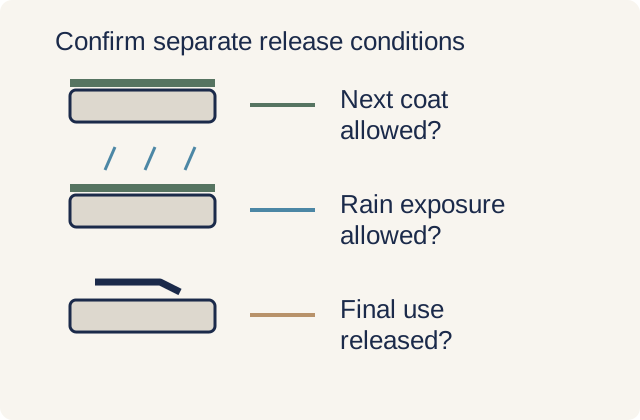
A new coating can pass through several stages that sound similar in everyday conversation. It may stop feeling tacky before it is ready for another layer. It may tolerate a particular exposure before it is fully cured for the intended service. The stated intervals can depend on temperature, humidity and the application conditions.
Treat those stages separately in the programme. “Dry by this evening” should have an attached meaning: ready for the next specified coat, ready for the stated rain exposure, or ready for the agreed final use. The answer affects when protective measures can be removed and when people or other trades can enter.
Some roofs also have reinforced details, primers or different treatments at upstands and outlets. Work around those edges and outlets may need a different sequence from the main roof surface. A team that finishes the large central area first has not necessarily finished the details most important to keeping water out.
The household does not need to supervise coating chemistry. It does need a programme that names these dependencies. If a ceiling repair, solar visit or air-conditioning service requires roof access, its timing should be based on the roof contractor's release of the relevant area. A return to ordinary foot traffic should not be inferred from a surface photograph.
Have unfinished work checked after rain before restarting
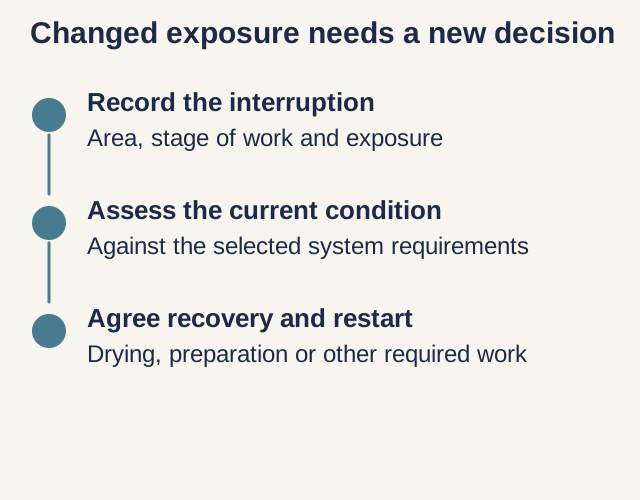
An interruption should produce a short record of what was completed, what remained exposed and what conditions followed. A dated overview photograph can show the area; closer photographs can locate unfinished details. The useful record explains the stage of work, not merely that it rained.
On return, the team needs to assess the affected material against the system requirements. Depending on what was exposed and when, the next action might be further drying, cleaning, re-preparation, local replacement or continued work. These are contractor and manufacturer decisions. Automatically adding a layer over whatever remains is not a complete recovery plan.
The same reasoning applies if protection was displaced or water stood in an unfinished area. The question is what condition the system is in now. An earlier inspection does not describe a surface after a changed exposure.
A reasonable progress update can be concise: the affected area, the stage reached, the observed condition, the proposed recovery and the revised timing. That gives the homeowner something concrete to assess without turning every rain shower into a contract dispute.
Agree who protects the open roof and updates the schedule
| Programme item | What it needs to explain |
|---|---|
| Opening and preparation | Area exposed at one time, protection method and responsibility before leaving site. |
| Weather interruption | Who assesses unfinished work, records its condition and authorises the next operation. |
| Revised sequence | Which activities can continue and which depend on the roof being released. |
| Variation and completion | How changed scope is agreed, and what counts as completed work for the stated use. |
A good programme separates work that can proceed under cover from roof operations that depend on conditions. Materials, access arrangements and some internal protection may be prepared while coating waits. Other activities should remain conditional. This makes the plan more useful than repeatedly shifting every task by the same number of days.
There is no useful universal allowance of “extra rainy days” for every roof. A large roof with exposed joints and rooms occupied below needs different temporary protection from a small repair area that can be covered easily. The allowance should follow the job's exposure and the chosen system.
For wider decisions about repair scope, drainage and quotations, use the roof waterproofing buying guide. The weather programme is one part of that scope; it cannot make an unsuitable detail or unresolved drainage problem satisfactory.
Confirm when the roof can be used and what remains unfinished
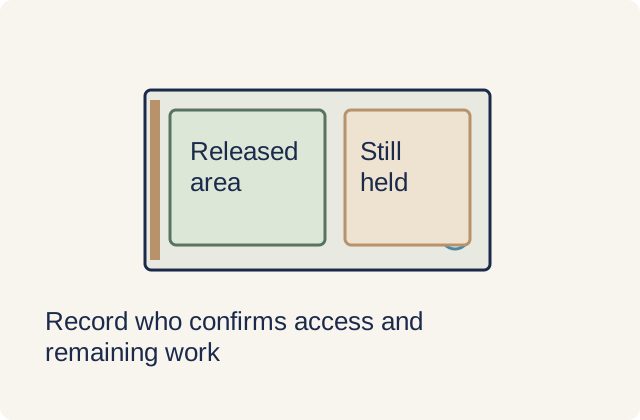
Completion should leave a record of the system used, the areas treated, the application sequence and the relevant inspections. Any agreed test or observation needs its method, timing, result and limitations. A homeowner should not arrange an improvised flood test or climb onto the roof to judge curing.
The team should identify any areas that still cannot be used and which activities must wait. Ask who will confirm that access can resume. If a detail needs a later visit, keep the remaining work, responsible contractor and date on the handover list.
Before booking work that depends on roof access, ask the roofing contractor to mark those access dates on the schedule and explain what could change them. The same plan should show how unfinished areas are protected and who updates you after a weather delay. That gives the household and following trades something practical to plan around.
Roof Waterproofing across Singapore
Need help with your project?
Tell us what you need on WhatsApp and send a few photos. We'll arrange a free site assessment, then give you a fixed-price quote within 3 to 5 working days.