Blog
Blog
Practical articles on costs, maintenance and renovation decisions for landed homes in Singapore.
17 articles for Roof Waterproofing
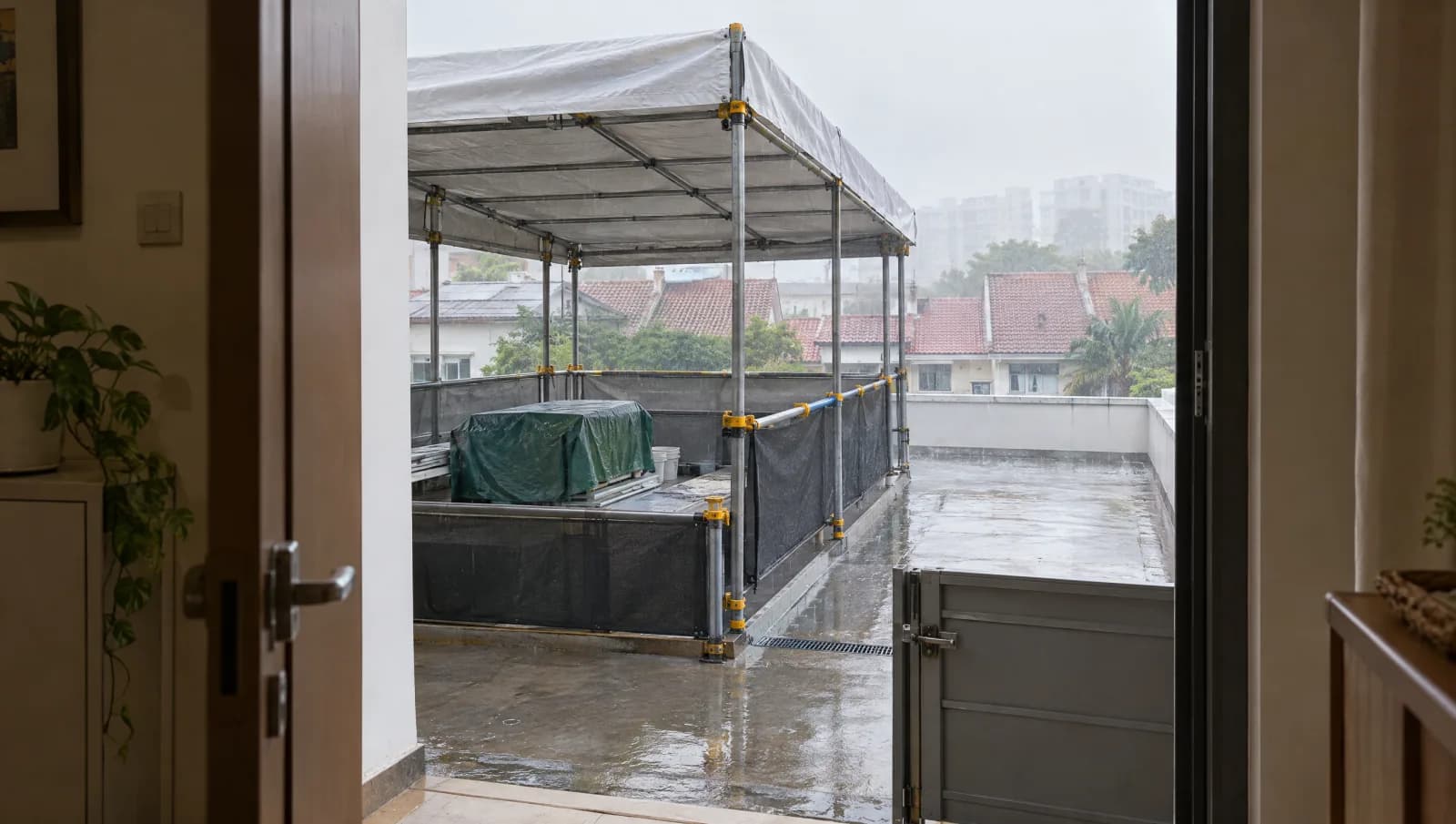
Can Roof Waterproofing Be Done in the Rain?
Rain can interrupt preparation, application and curing during roof waterproofing. Whether a particular stage can proceed depends on the product and site conditions, not a single waiting period that applies to every roof. Before work begins, ask how exposed areas will be protected and how the contractor will decide when the surface is ready for the next stage.
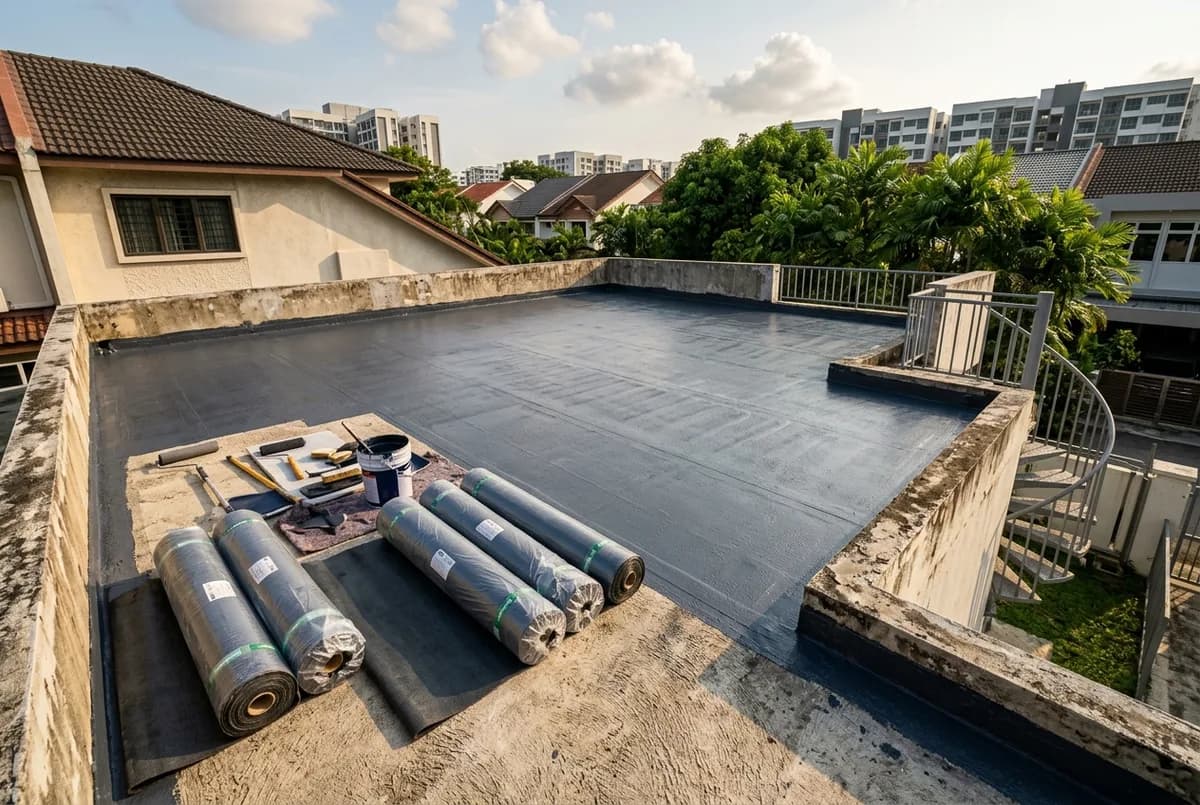
Roof Waterproofing Maintenance: What an Inspection Should Cover
A professional roof inspection should look for conditions that allow water in or prevent it draining away. That includes the waterproofing, outlets, joints and connections around roof features. Ask for findings tied to the inspected areas and a clear distinction between work needed now and items to monitor; a generic checklist alone will not explain your roof's condition.
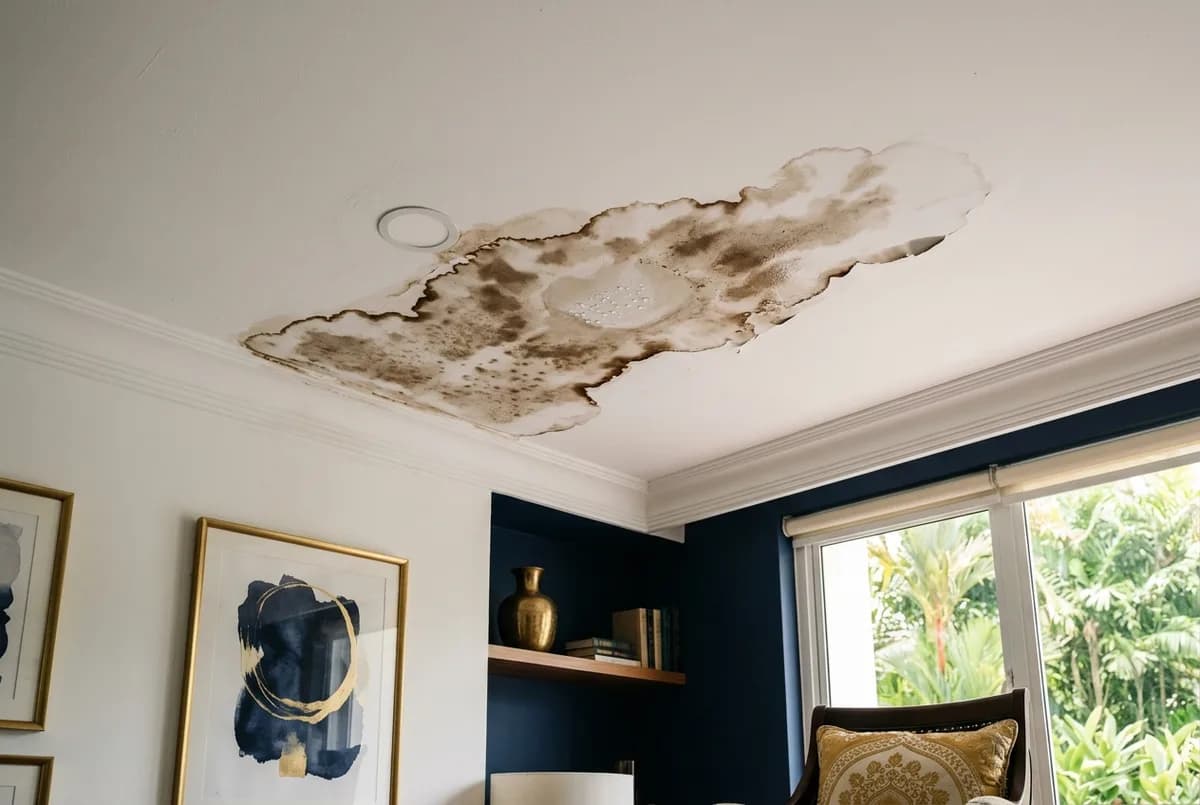
Condo vs Landed Roof Leaks: Who Should Arrange Repairs?
Who arranges a roof repair depends on ownership and responsibility for the affected roof. A landed homeowner may be responsible for their own roof, while a condominium leak can involve common property and the management corporation. Establish that responsibility before appointing a contractor, including where a private terrace sits above another unit.
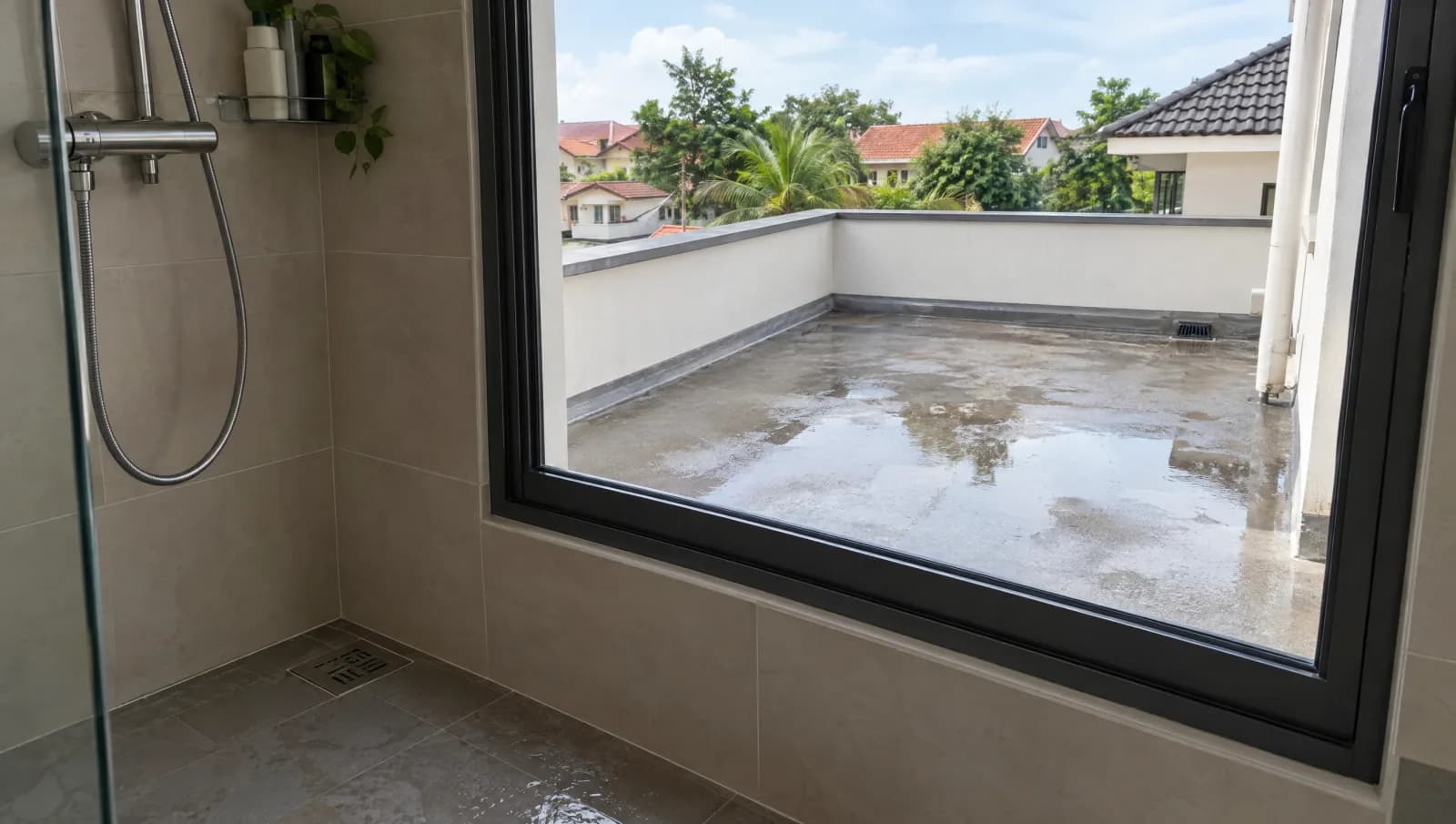
Bathroom vs Roof Waterproofing: Why the Repair Is Different
Bathroom and roof waterproofing both prevent water entering the building, but the conditions are different. A bathroom system sits beneath finishes around showers and drains; a roof system must suit its weather exposure, drainage and intended use. A repair that works in one place cannot be chosen for another on the word “waterproof” alone.
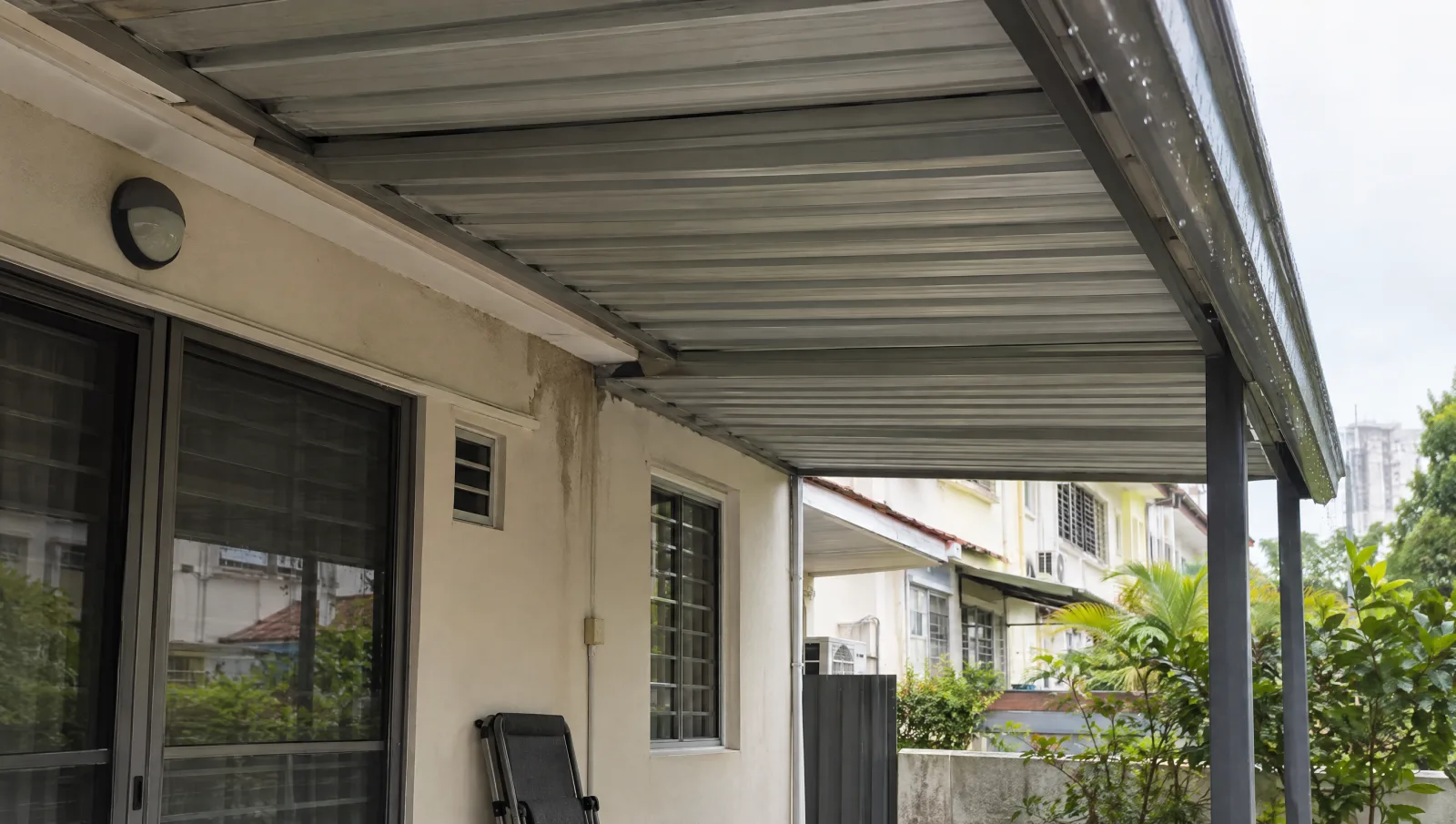
Aluminium Roof Leaks: Reseal or Replace?
Resealing may be enough when an aluminium roof leaks at a joint or fixing and the surrounding sheets remain serviceable. Damaged sheets, poor junction details or wider deterioration can call for more work. The first decision is where water enters and what condition the roof is in, rather than which sealant to apply to the nearest visible gap.
Exposed vs Screeded Roof Waterproofing: Which Suits the Job?
An exposed waterproofing layer is easier to see and reach for maintenance, while a layer covered by screed has a different form of protection and a different repair process. The choice depends on the selected system and how the roof is used. Compare the whole roof construction, including drainage and access, rather than only the waterproof product.
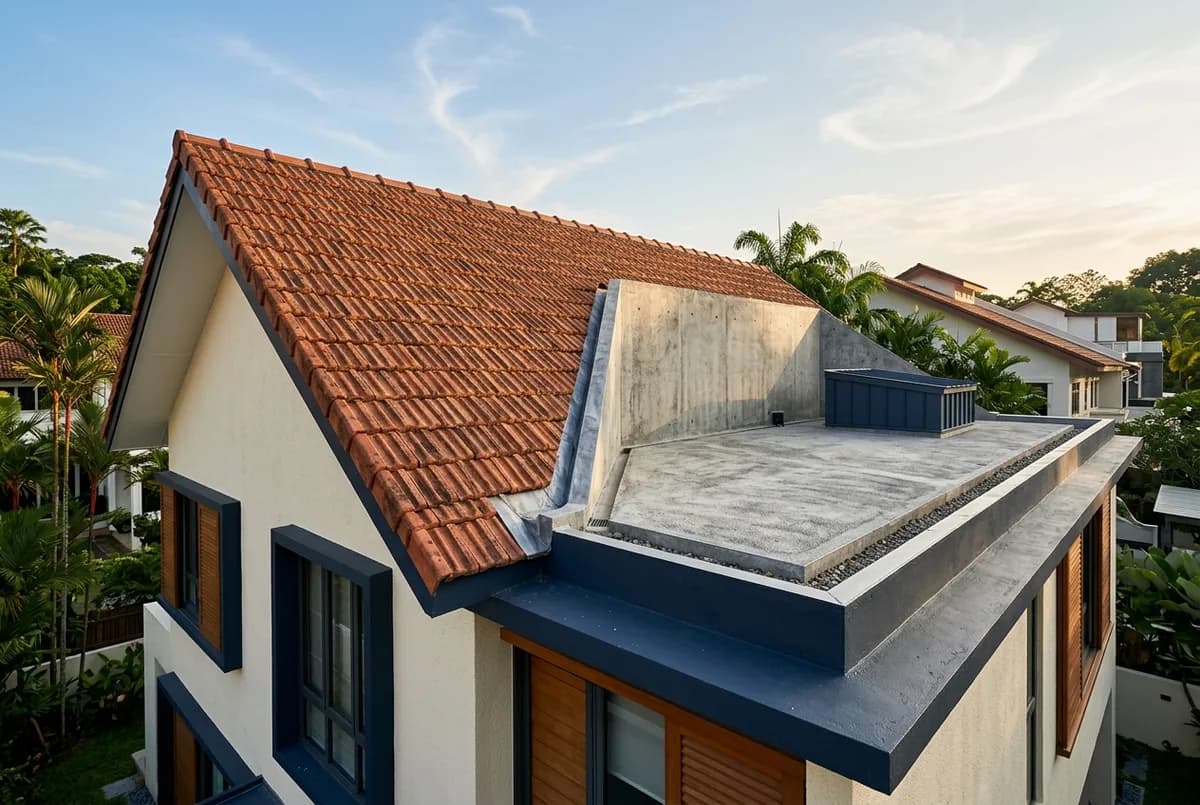
Roof Waterproofing in Singapore: Do You Need Approval?
Whether roof work needs approval depends on what is changing. Renewing waterproofing on an existing roof is different from altering its structure, shape or use. Have the project team identify the proposed work and the requirements that apply before starting, especially when a leak repair is being combined with a larger renovation.
Roof Leaking Under Warranty? How to Get the Claim Started
If the roof leaks during the warranty period, contact the party named in the warranty and ask how the claim will be assessed. Send the relevant records and safe photographs of the affected area, then keep a written record of the response. Avoid arranging changes that could obscure the cause before the responsible contractor has had the opportunity to inspect it.
Roof Leaking Now? What to Do While You Arrange Help
If water is coming through the ceiling, keep people away from the affected area and from any wet electrical fittings. Do not climb onto the roof or open the ceiling to find the leak. Arrange professional help, protect belongings only where it is safe, and record what you can see from a safe position to help the inspection.
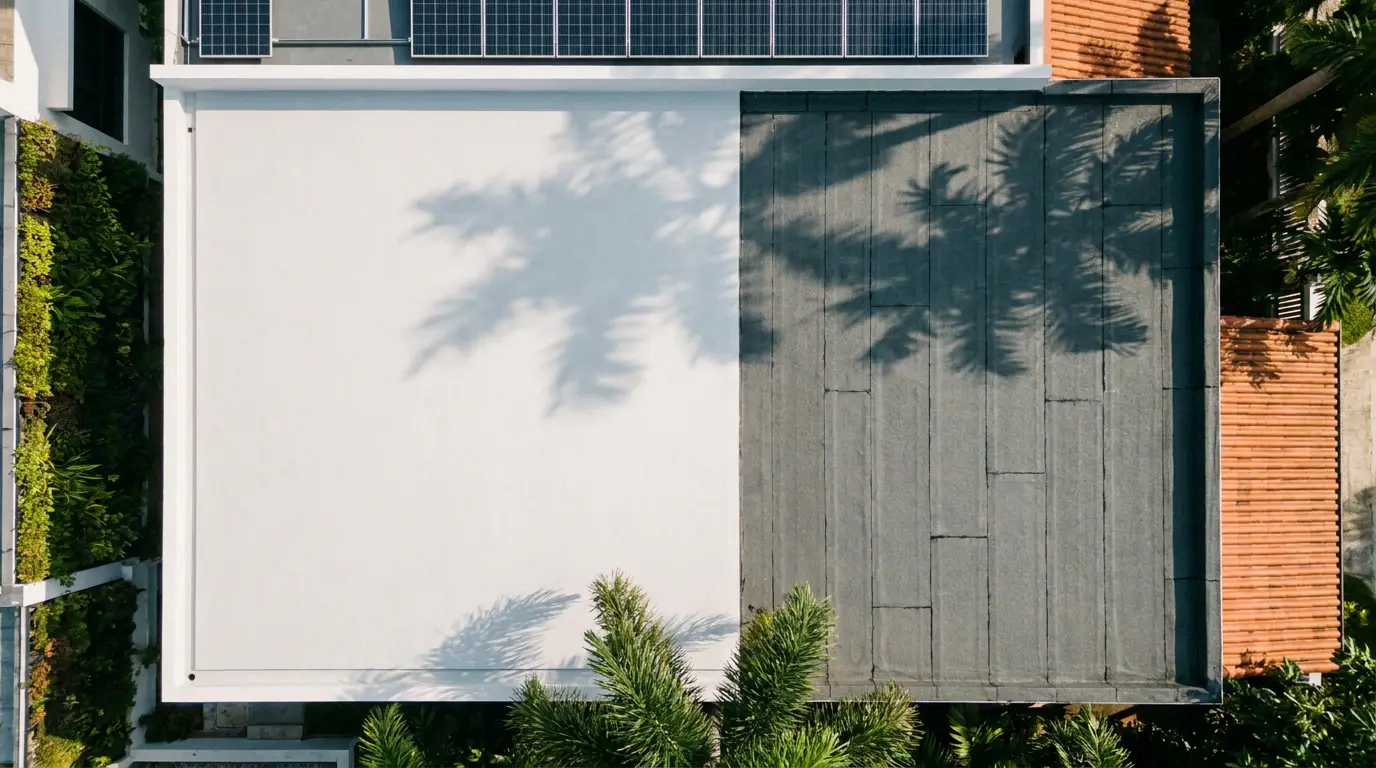
Torch-On vs Liquid Waterproofing: Which Does Your Roof Need?
Torch-on systems use sheet membranes, while liquid waterproofing forms a coating on the prepared surface. Choosing between them depends on the roof's condition, details, exposure and intended use. Compare the complete installation and repair plan rather than treating the material name as proof that one approach will stop every leak.
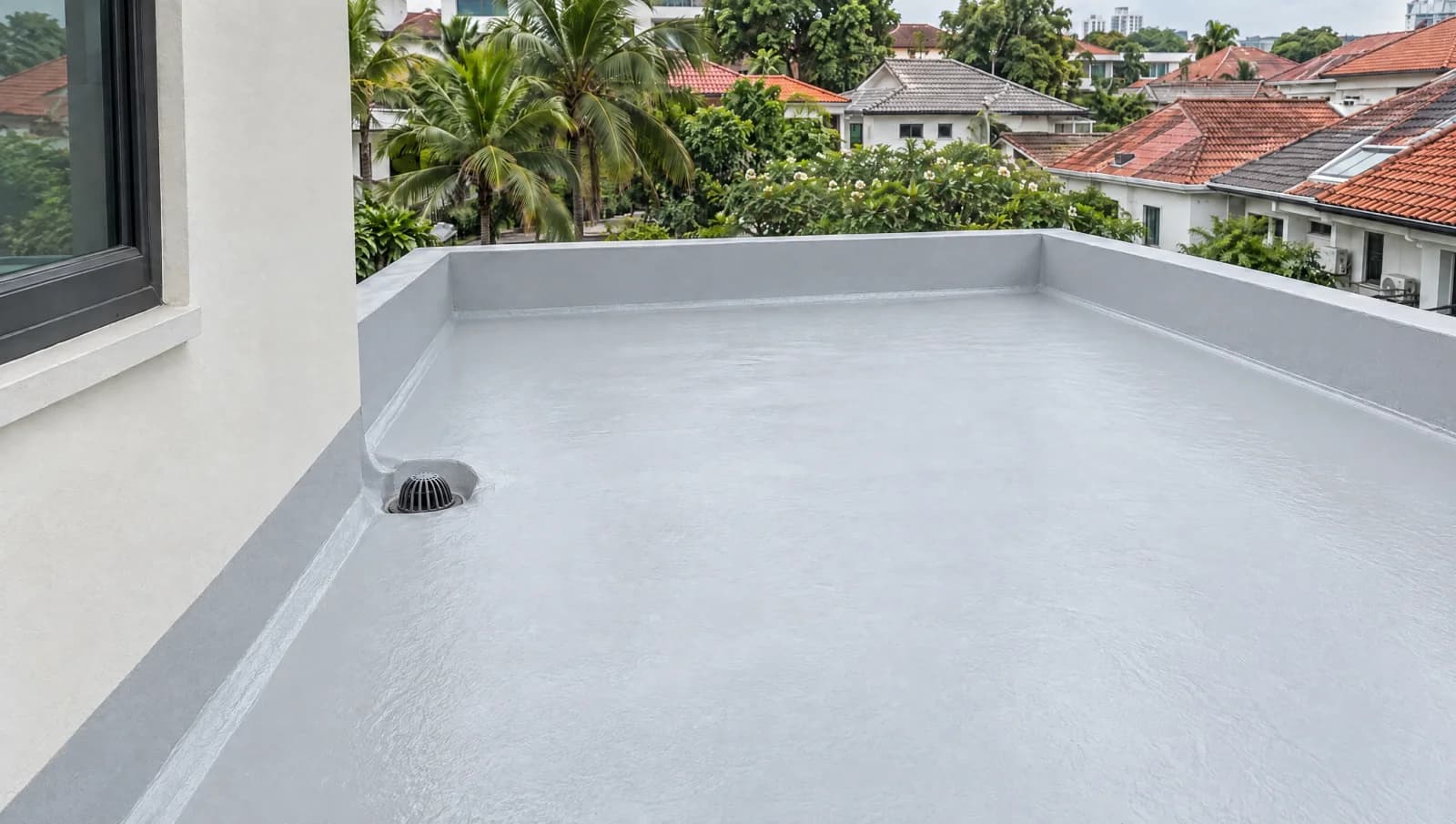
What does roof waterproofing cost in Singapore?
Singapore installers advertise liquid and torch-on flat roof waterproofing from about S$15 to S$70 per square metre on their own websites (checked October 2026), and about S$1,400 to S$10,000 for a whole flat roof of about 55 to 150 square metres. A minor leak repair, such as resealing a joint or replacing a few broken tiles, is advertised from about S$150 to S$800. These are advertised starting prices, not quotes, and removing the old layer or a hard-to-reach roof can push your price up.
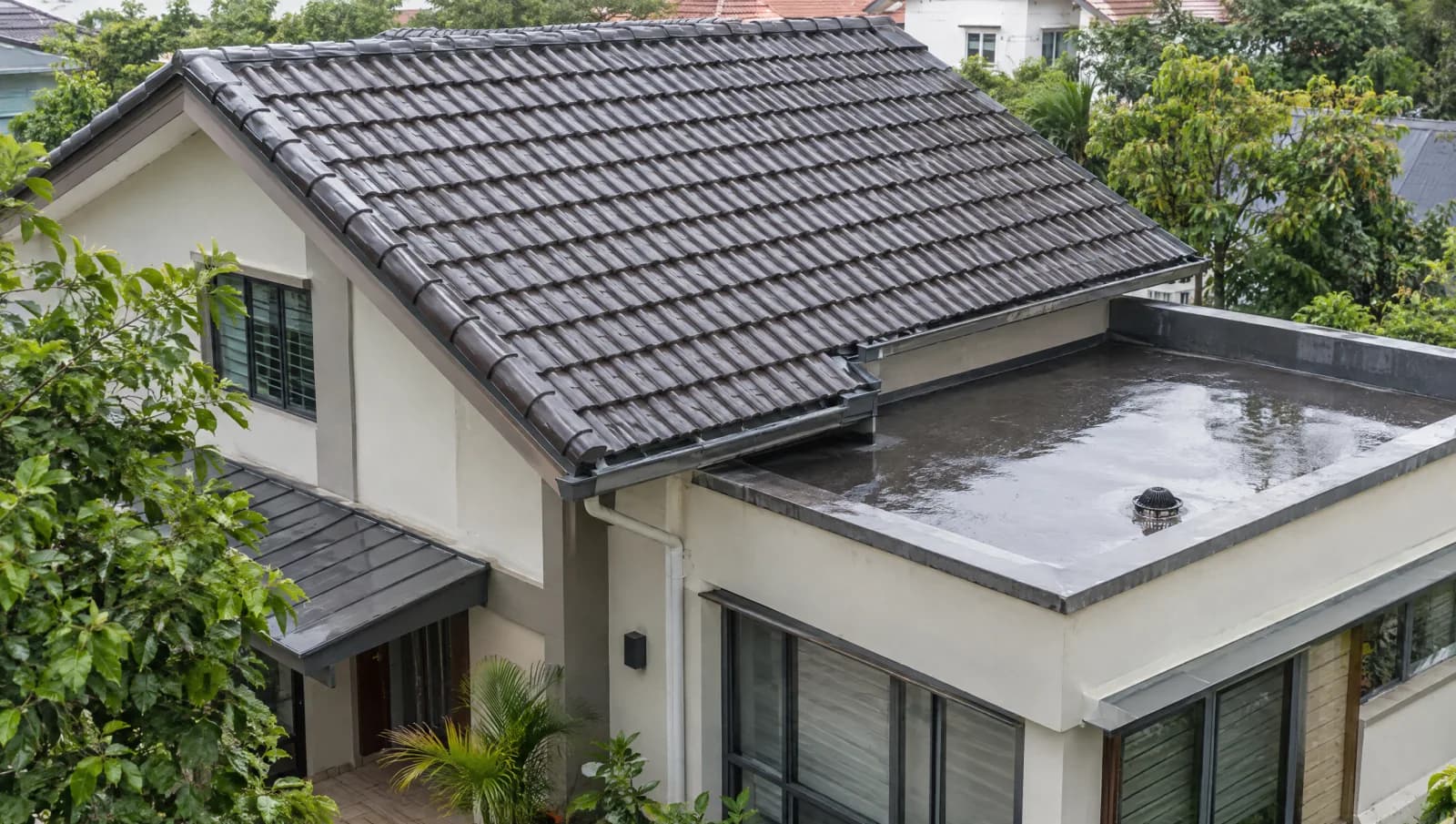
Waterproofing a flat roof vs a pitched roof
A flat concrete roof keeps rain out with one continuous waterproof layer, so its weak points are where water sits and where that layer is joined. A pitched roof sheds rain down overlapping tiles or sheets, backed by an underlay, flashings and valleys. The two leak in different places and need different repairs.
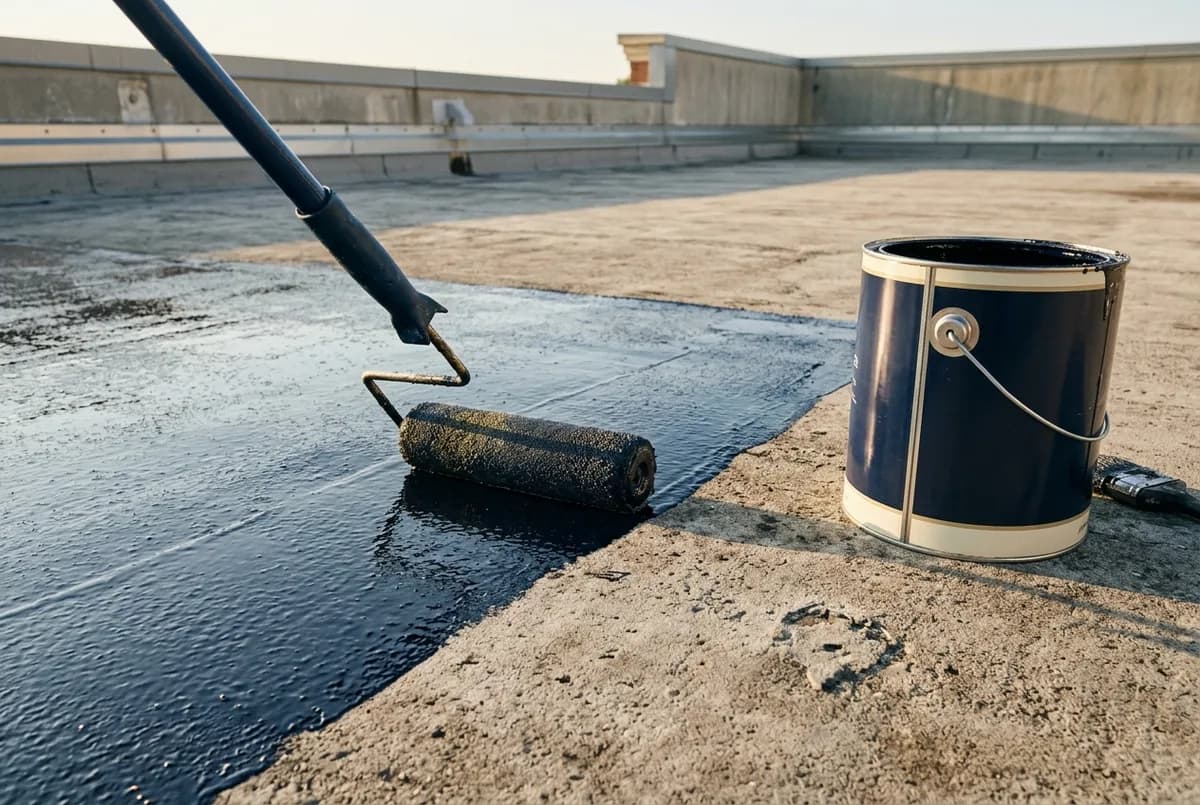
PU vs Acrylic vs Cementitious Roof Waterproofing
Polyurethane (PU), acrylic and cementitious waterproofing are material categories, not interchangeable answers to every roof leak. The specific system must suit the surface, expected movement, weather exposure and any covering above it. Understand those conditions first so the quotation explains why a product fits your roof, rather than only naming a coating.

Roof Waterproofing Warranty: What Happens If It Leaks Again?
A roof waterproofing warranty is useful when it clearly states what is covered, who responds to a leak and which conditions apply. The number of years does not answer those questions. Read the coverage alongside the proposed work before signing, so you know whether the guarantee includes only the material or also the labour needed to put a covered defect right.
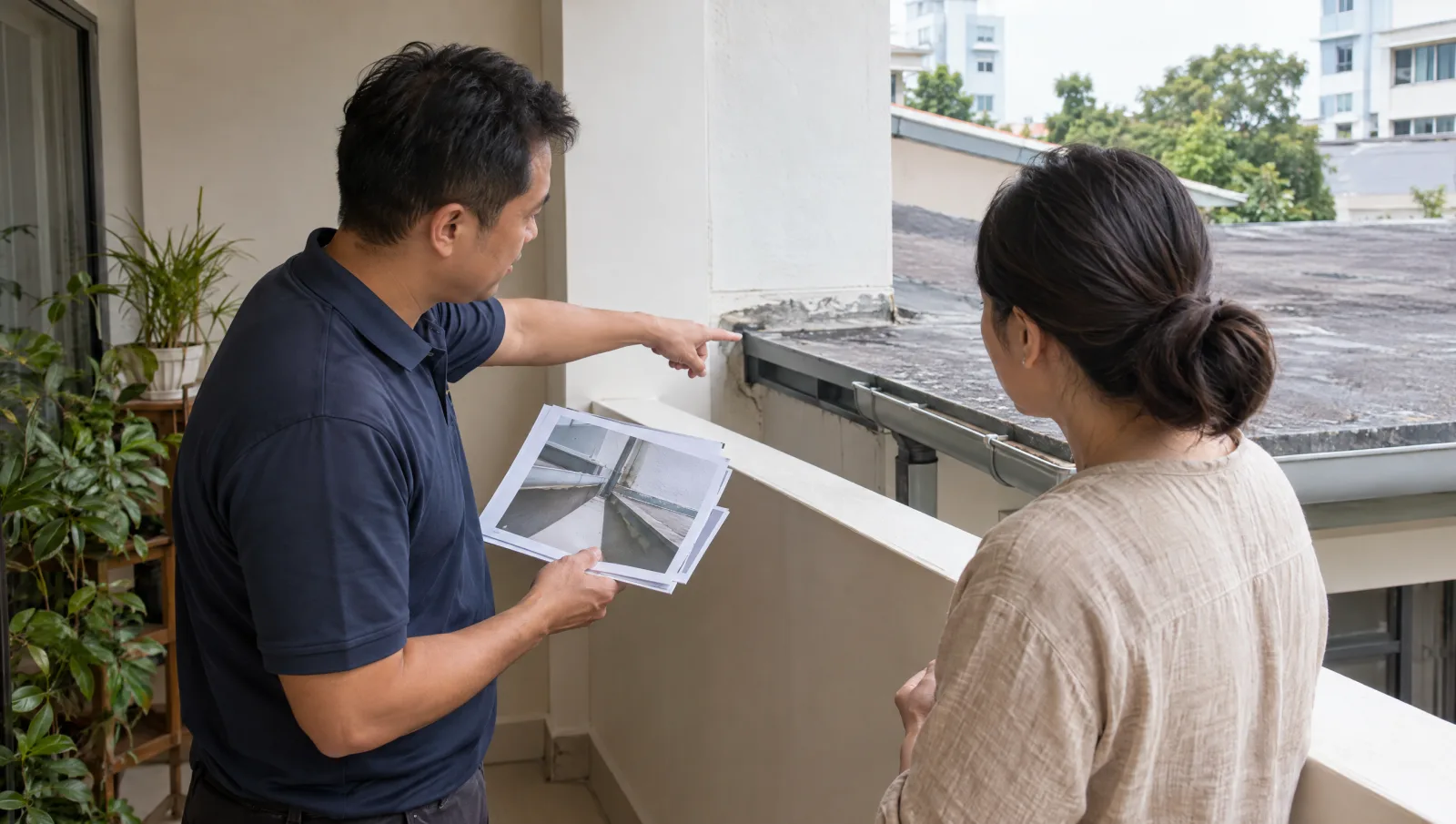
Roof Waterproofing Contractors: How to Compare Your Options
Start choosing a roof waterproofing contractor by how they explain the leak and the proposed repair. A useful quote connects the condition found on your roof to the preparation, waterproofing system and finishing work required. The warranty then needs to cover clearly identified work, with a named point of contact if a problem returns.
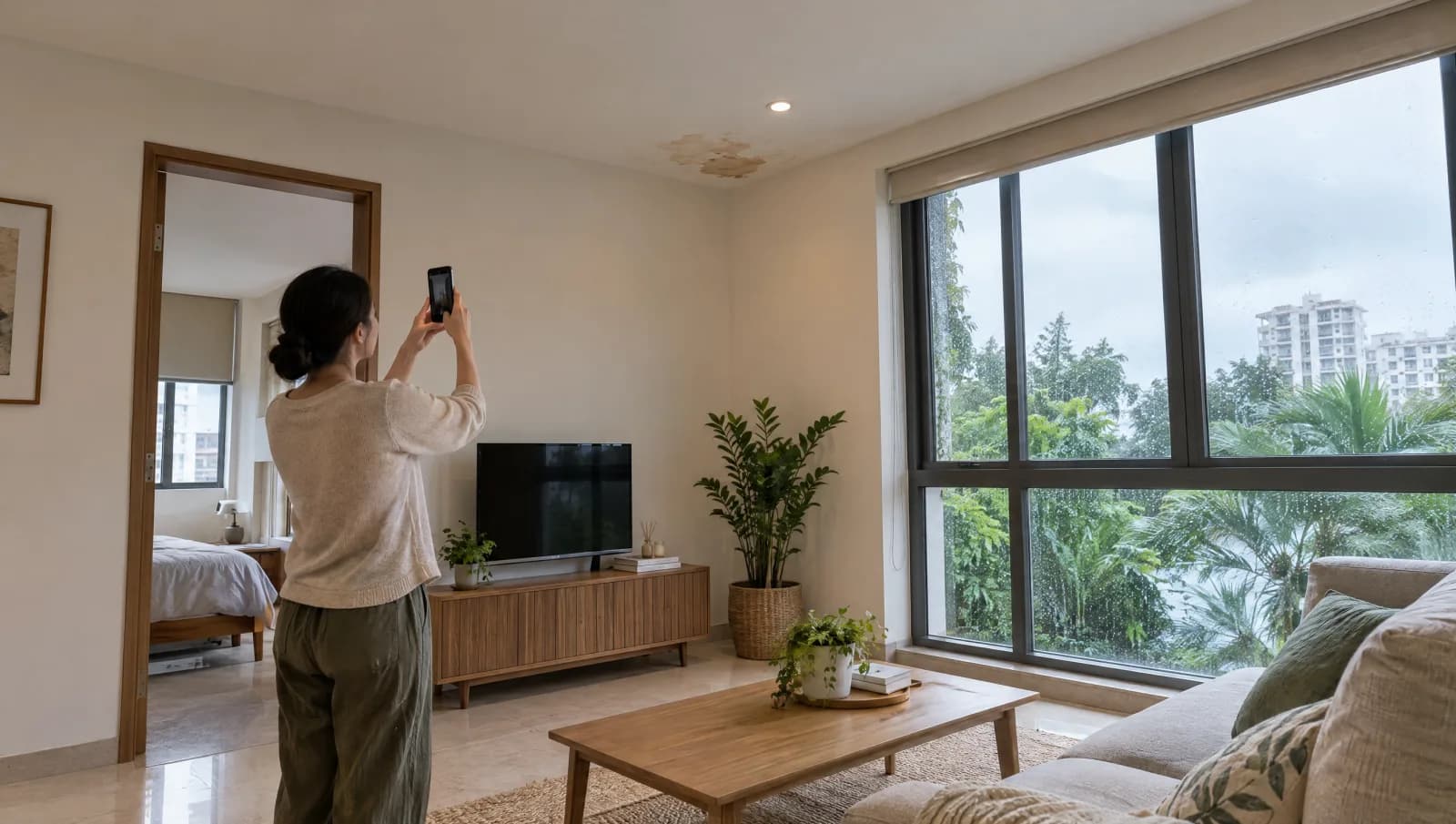
5 Signs Your Roof Needs Waterproofing Attention
Five signs deserve a roof-waterproofing assessment: ceiling stains that return after rain; cracks or splits in the exposed waterproofing; blistering or peeling membrane; gaps at roof joints and flashings; and water that repeatedly ponds or overflows. These signs point to different problems. They do not all mean the whole roof needs a new coating, and some call for drainage or junction repairs instead.