On this page
View In PDFStart choosing a roof waterproofing contractor by how they explain the leak and the proposed repair. A useful quote connects the condition found on your roof to the preparation, waterproofing system and finishing work required. The warranty then needs to cover clearly identified work, with a named point of contact if a problem returns.
Materials and Installation Need to Work Together
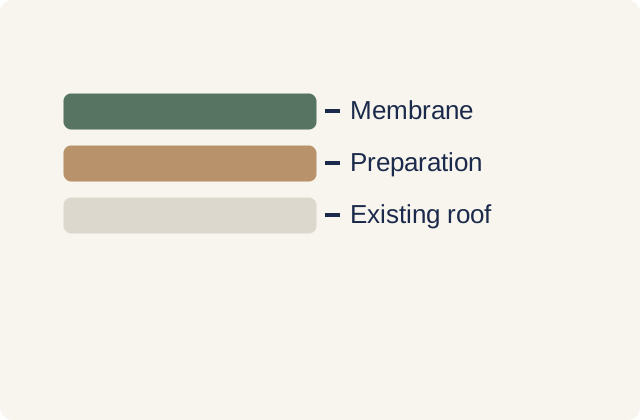
A roof waterproofing system succeeds when its materials suit the roof and the installer prepares and details the surface correctly. A coating cannot compensate for loose screed, unsuitable substrate moisture or an untreated joint that continues to move. Product choice and workmanship need to be assessed together.
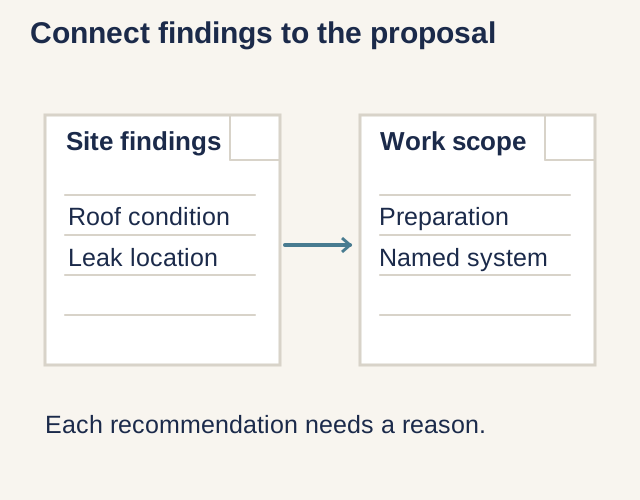
Look for a proposal that explains how the leak was diagnosed, what preparation is needed and why the selected system suits the exposure and intended use. This gives you something concrete to compare beyond a product brand or a promised warranty period.
What a Capable Waterproofing Contractor Looks Like
You can find registered firms through the waterproofing-installation directory, under workhead CR13. Use the company name and UEN to check the firm quoting for your job, then ask about experience with your roof type. The register helps with discovery and identity; it does not rank workmanship or establish that every listed company undertakes small residential repairs.
| What the inspection finds | Relevant capability to shortlist | What a useful proposal explains |
|---|---|---|
| Local failed flashing or outlet junction | Roof-detail repair and compatible waterproofing | The water-entry route, adjoining materials and repair boundary. |
| Widespread loose or failed membrane | Full-system removal/preparation and application | Which layers are retained, what is replaced and how details are formed. |
| Persistent ponding or changed roof levels | Drainage/building-work coordination as well as waterproofing | How water will reach the outlets after the work. |
| Uncertain roof-versus-wall source | Leak investigation across the roof and adjoining construction | What evidence would distinguish the routes before choosing a repair. |
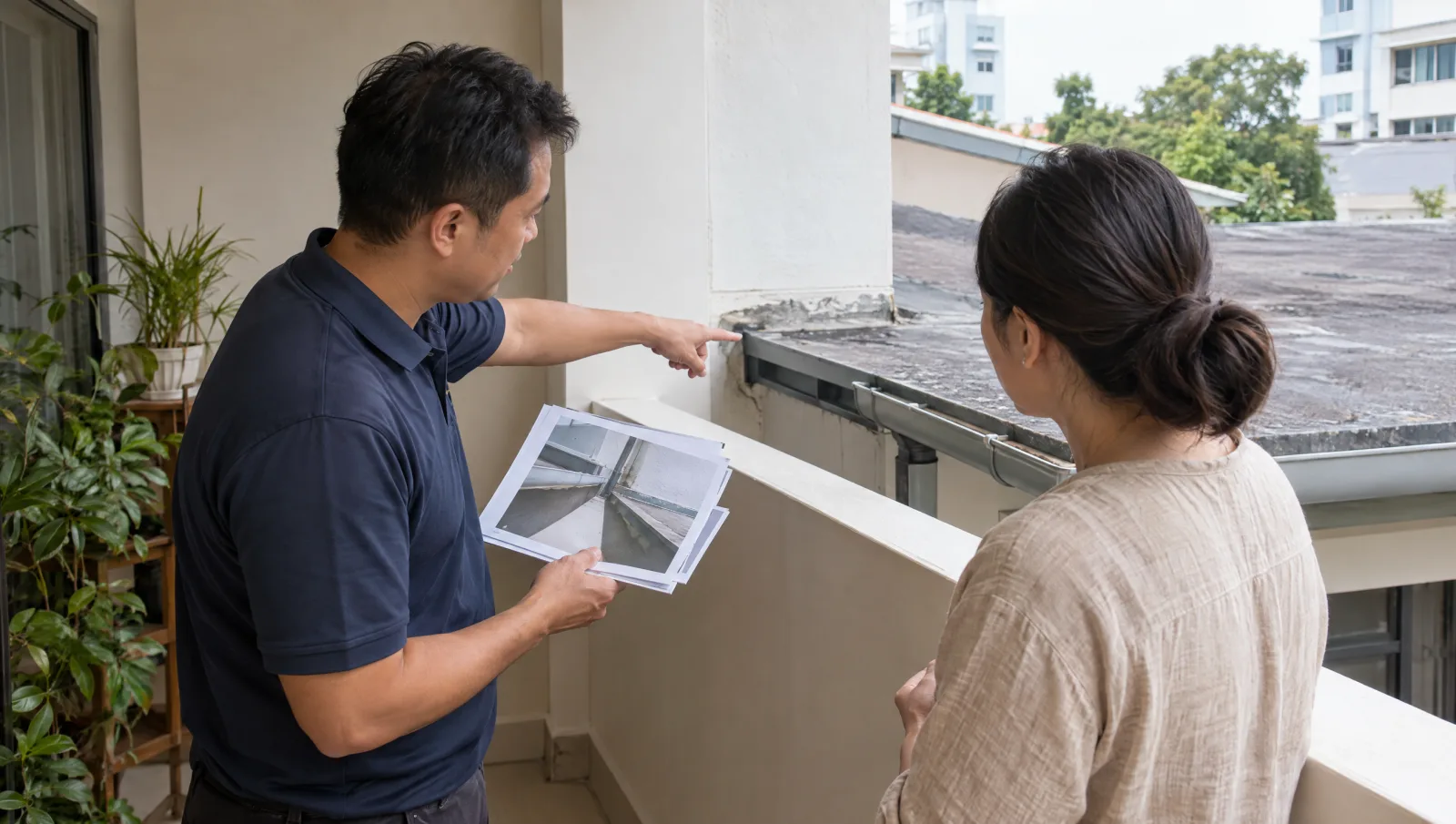
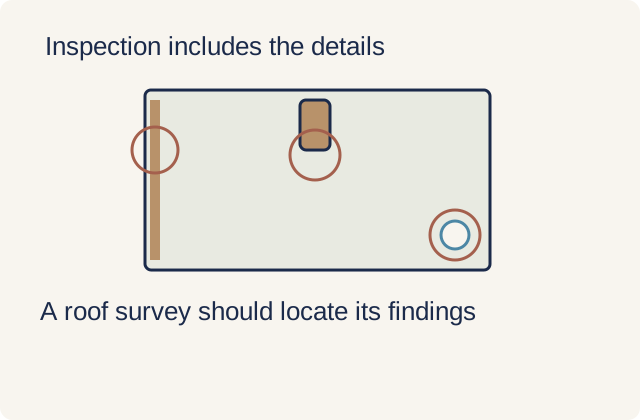
A contractor should assess the roof before finalising the repair scope. From safe access arranged by the contractor, the inspection can cover the existing membrane, screed, drains and flashings. Photos can support an initial discussion, but a preliminary allowance should identify what still needs checking on site.
The specification should identify the complete system: surface preparation, primer where required, membrane, reinforcement details and any protective finish. Coverage and curing requirements must follow the selected product documentation. A product name without these details does not establish what will actually be installed.
Water can enter at a junction and travel beneath a finish before appearing indoors. A quotation based only on the ceiling stain can therefore treat the wrong area. A useful assessment connects the timing of the leak, roof geometry and condition of details such as flashings or outlets. The contractor should be able to explain that connection in ordinary language. The resulting repair scope may be local even where the visible stain is large, or more extensive where concealed layers have failed.
Questions Worth Asking Before You Sign
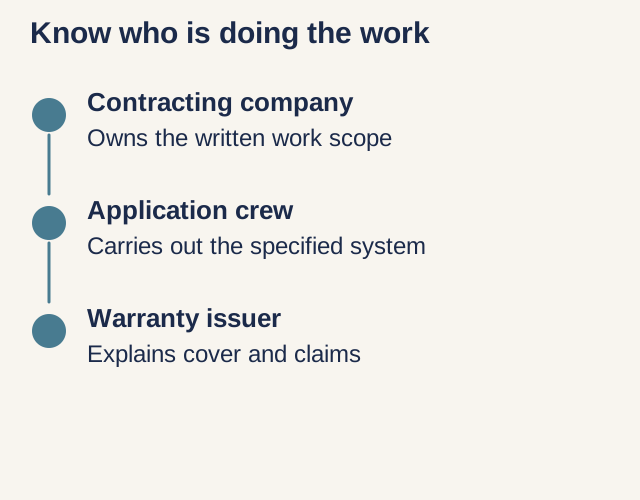
Ask for relevant completed work and whether the application team is employed directly or subcontracted. References from roofs that have been in use can help explain how defects and maintenance were handled. Confirm permission before contacting an owner or visiting a private property.
Compare the actual warranty issuer, remedy and exclusions alongside its term. A longer promise is not automatically broader cover, and company age alone does not establish future performance. Keep the written terms with the system specification and contract.
Red Flags We See in the Market
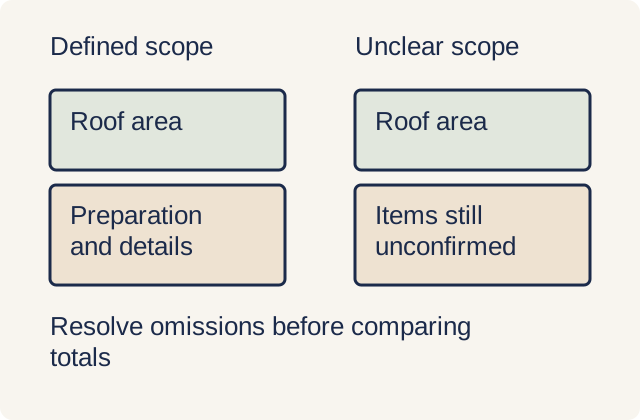
A markedly lower quote deserves a scope comparison, not an assumption of wrongdoing. Check whether each price includes safe access, removal of failed material, screed and drain repairs, reinforcement, protection and disposal. A local repair and a full roof replacement are different jobs even if both are described as waterproofing.
Other warning signs: pressure to sign on the spot, vague scope of work, no mention of surface preparation, and a refusal to put the warranty in writing. Walk away from any of those.
How DirectHome Approaches Contractor Selection
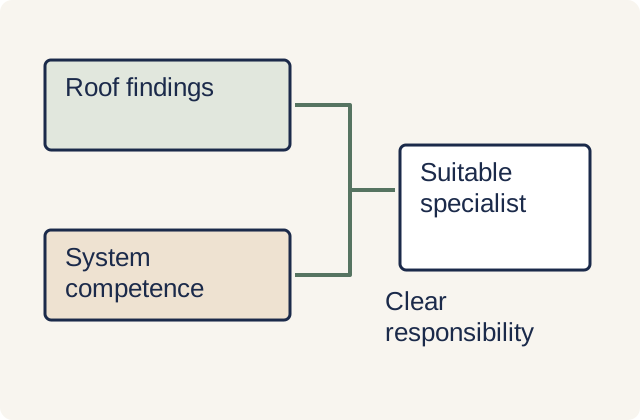
Bring DirectHome photos taken from a safe location, the leak history and any existing warranty. These help frame the roof waterproofing discussion and identify whether the problem concerns a membrane, flashing, drainage or adjoining construction.
Before appointing anyone, confirm the contracting party, who applies the system and who responds to a future defect. Put the agreed inspection, repair scope and warranty obligations in the contract; do not infer them from the way a provider describes its partners.
What to Do Next
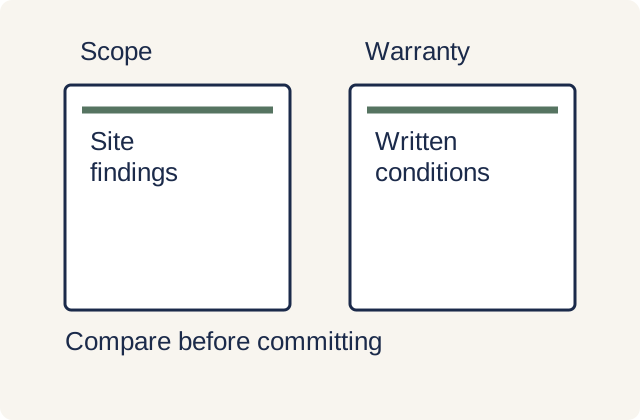
If you are sourcing contractors yourself, get at least three quotes, insist on a site visit, and compare them on scope and system rather than headline price. Read the warranty terms before you commit.
To discuss the work with DirectHome, WhatsApp photos of the affected rooms and any roof views you already have. Include when the leak occurs and when the last waterproofing was done. Confirm the assessment arrangements and any charges before booking; do not climb onto the roof to obtain photographs.
Frequently asked questions
How much does roof waterproofing cost in Singapore?
Your price moves with your roof's size and access, the state of the old layers, its drainage and GST. The roof waterproofing cost breakdown shows the prices Singapore installers advertise and what to compare in a quote.
What matters more, the waterproofing product or the contractor?
Both matter. The complete waterproofing system must suit the substrate, exposure and intended use, and the contractor must prepare and apply it correctly. Ask how the proposal deals with cracks, drains, junctions and any existing failed material.
What are the biggest red flags when choosing a waterproofing contractor?
Unexplained exclusions, pressure to sign, a vague repair scope and refusal to document warranty terms are reasons to pause. Ask what has been assessed on site and which assumptions remain in a preliminary quote. Compare low prices by scope before judging them.
What should I ask a contractor before signing?
Ask who diagnoses and applies the work, what comparable completed projects can be verified, and how defects are handled. Read the actual warranty issuer, covered area, remedy and exclusions. Contact references only with their permission.
Does DirectHome do the waterproofing itself?
Confirm the contracting party, application team and warranty issuer in the written proposal. Share the roof and leak details with DirectHome to discuss the required work; the agreed contract should identify each party's responsibility.
Roof Waterproofing across Singapore
Need help with your project?
Tell us what you need on WhatsApp and send a few photos. We'll arrange a free site assessment, then give you a fixed-price quote within 3 to 5 working days.