On this page
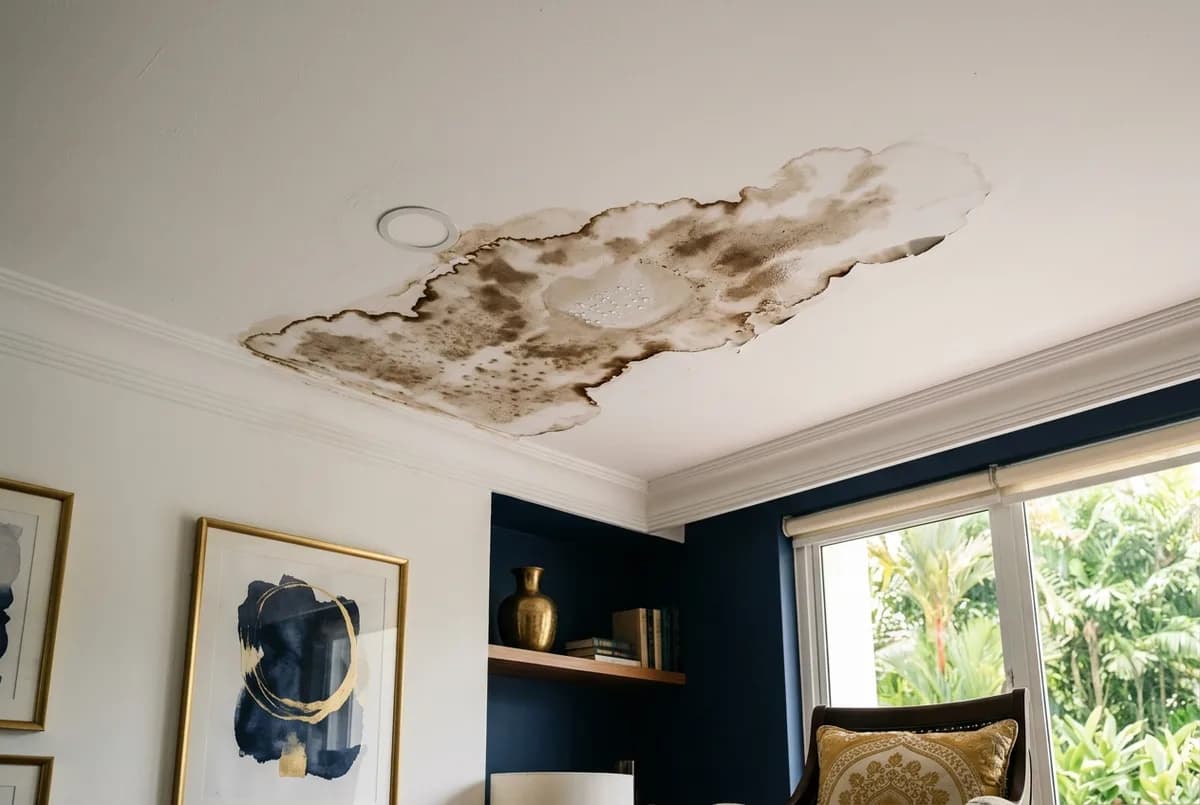
View In PDFIf the roof leaks during the warranty period, contact the party named in the warranty and ask how the claim will be assessed. Send the relevant records and safe photographs of the affected area, then keep a written record of the response. Avoid arranging changes that could obscure the cause before the responsible contractor has had the opportunity to inspect it.
Step One: Read the Warranty You Actually Have
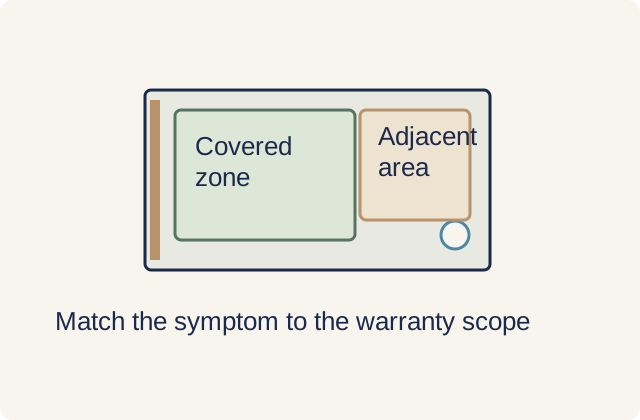
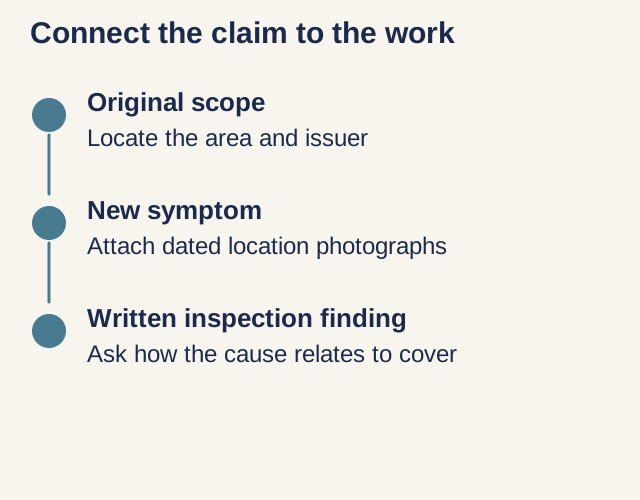
Read the original warranty, invoice and agreed scope for the stated period, covered area and exclusions, then notify the issuer promptly. You do not need to establish the cause yourself before reporting the leak. Tell them about relevant later work, such as solar panels or previous repairs, so the inspection can assess what happened and how the terms apply.
Urgent protection of people and property should not wait for a routine claim inspection. Keep clear of sagging ceilings and water near electrical fittings, and arrange prompt professional help. Notify the issuer as soon as practical and keep safe photographs, invoices and records of necessary emergency work; avoid unnecessary alterations that would obscure the cause.
If you cannot find the paperwork, check email and messaging archives and request copies from the issuer. Keep the contract, invoice, warranty and any installation photographs together. The documents help establish the agreed area and promise before the inspection.
Step Two: Notify the Contractor in Writing
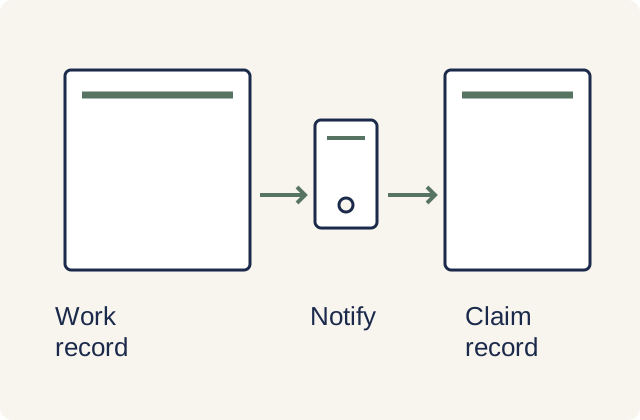
Send the notification by both WhatsApp and email if you have both. State clearly: the date of the original work, the warranty period, the date and nature of the new leak, and that you are formally requesting an inspection under the warranty.
Attach photos, including any documentation you have from when the leak appeared. Keep your tone calm and factual. You may need this written record later if the situation escalates.
Step Three: The Inspection
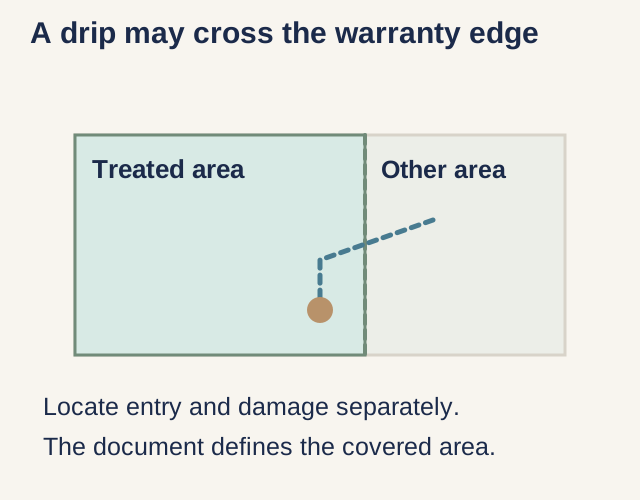
Ask the warranty issuer to confirm an inspection date and explain the claim process. The assessment should identify where water enters, whether the affected work is covered and what remedy applies. Confirm any inspection charge in advance, especially if the cause may fall outside cover.
Attend from a safe location if possible and request the inspection photographs rather than accompanying anyone onto the roof. If the issuer relies on an exclusion, ask for the findings and contractual basis in writing.
The inspection needs to answer two questions: what is causing the leak, and how that finding relates to the promised work. A photograph of a stain supports the fact that damage exists, but not necessarily the cause or contractual responsibility. Ask for the diagnosis to identify the affected detail and covered area. If fresh opening-up work is needed, agree its purpose and cost before it changes evidence that another party may need to inspect.
When the Contractor Goes Quiet
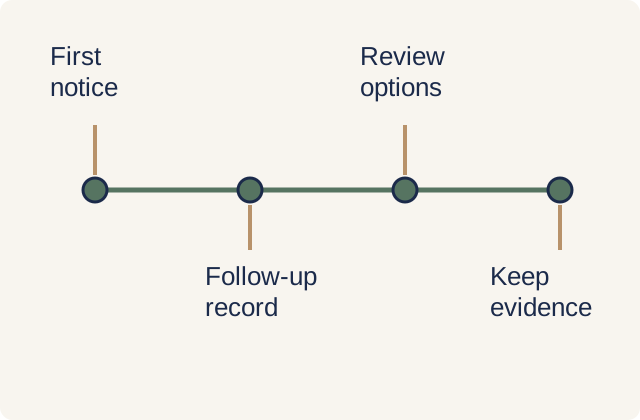
If the contractor does not respond, send a written reminder with the original notification and warranty attached. Set out the problem and request a response by a reasonable date. Keep the record factual; delay alone does not establish why the contractor has not replied.
Singapore's Small Claims Tribunals may hear qualifying renovation-service disputes up to S$20,000, or S$30,000 with both parties' consent. Claims generally must be filed within two years of the event creating the cause of action. Check eligibility and the correct respondent through the Courts' guidance; a warranty document alone does not establish jurisdiction or the outcome.
When the Company Has Closed Down
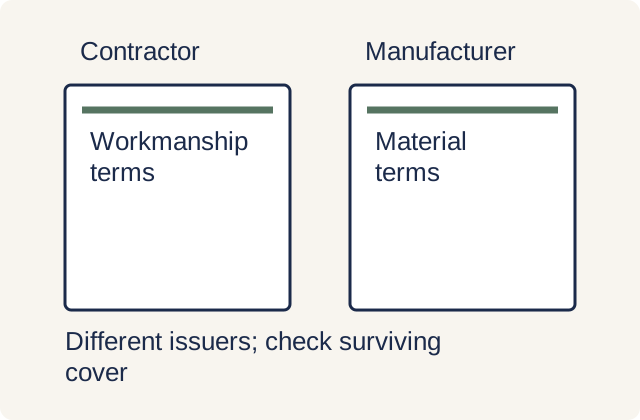
If the issuer has closed or entered insolvency, recovering under its warranty may be difficult. Confirm its legal status and seek advice on any remaining claim. Do not assume that a separate manufacturer warranty disappears automatically; check its issuer, eligibility and remedy.
Before paying for a fresh job, keep the original evidence and obtain a diagnosis. An independently priced repair may be sufficient if the defect is local. Business form alone cannot guarantee that the next contractor will remain solvent or honour a claim.
How DirectHome Helps With Existing Warranties
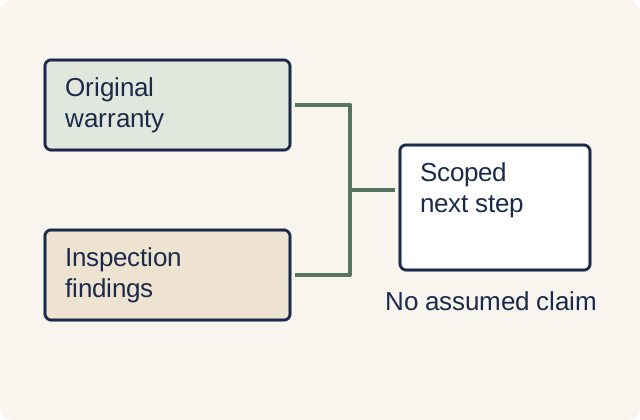
If you want to discuss the roof with DirectHome, provide the previous scope, warranty and photographs taken safely. Confirm whether the proposed assessment includes a written diagnostic report and what it costs. Technical findings and legal entitlement are separate questions.
Before another contractor alters the roof, notify the existing warranty issuer and clarify how the work may affect the claim. Where fresh work is agreed, record its scope, covered area and warranty issuer rather than assuming a new warranty covers the whole roof.
Roof Waterproofing across Singapore
Need help with your project?
Tell us what you need on WhatsApp and send a few photos. We'll arrange a free site assessment, then give you a fixed-price quote within 3 to 5 working days.