On this page
View In PDFTorch-on systems use sheet membranes, while liquid waterproofing forms a coating on the prepared surface. Choosing between them depends on the roof's condition, details, exposure and intended use. Compare the complete installation and repair plan rather than treating the material name as proof that one approach will stop every leak.
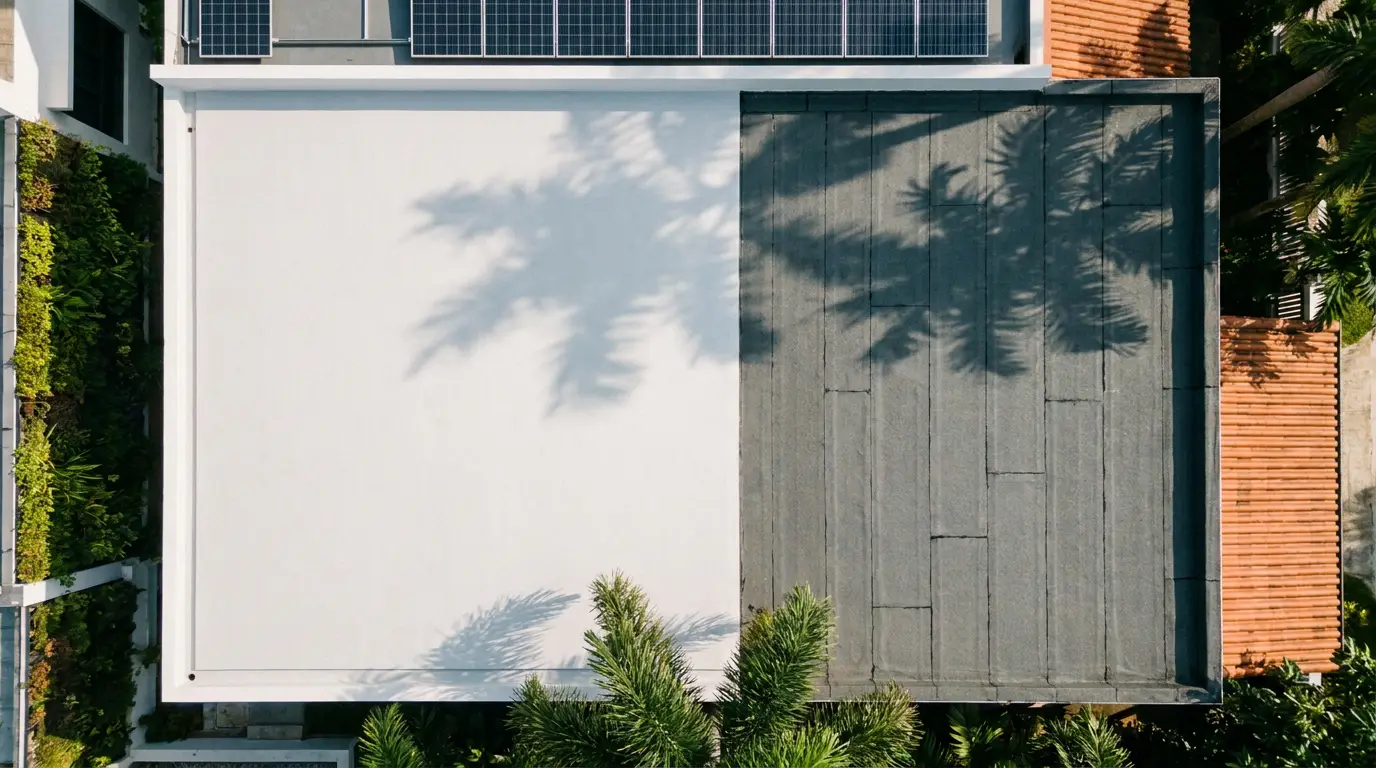
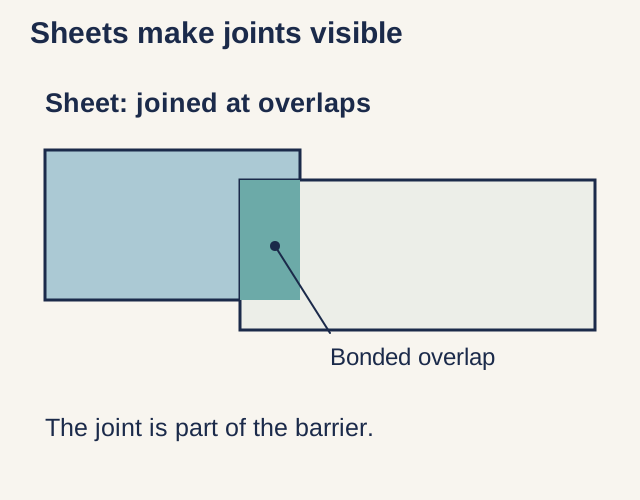
Two Fundamentally Different Approaches
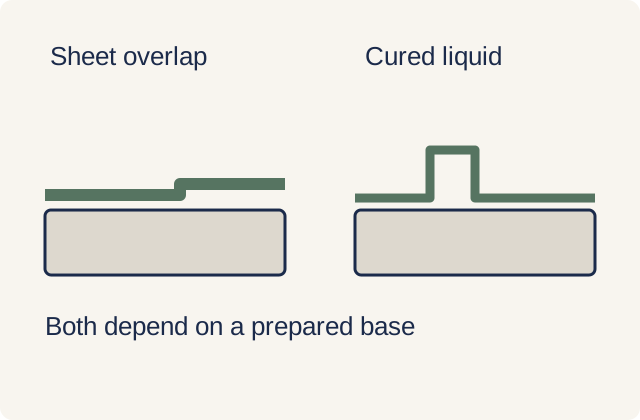
Torch-applied modified-bitumen sheets and liquid-applied membranes are two waterproofing approaches; other sheet-fixing methods also exist. The right choice depends on the substrate, exposure, details and permitted installation method. Compare complete systems rather than a universal durability ranking.
Understanding how each method works helps you ask the right questions when getting quotes, and spot when a contractor is recommending the wrong system for your situation.
How Torch-On Membrane Works
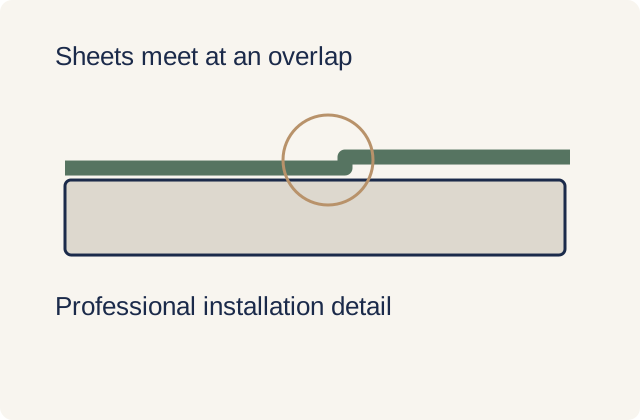
Torch-on waterproofing uses pre-manufactured sheets of modified bitumen (APP or SBS modified) that are unrolled across the surface and bonded using a gas torch. The heat melts the underside of the membrane, fusing it to the substrate and to adjacent sheets at the overlaps. The result is a continuous, fully bonded waterproof barrier.
Thickness, layers, overlaps and protective finish follow the selected sheet-system specification. Suitability for sunlight, traffic or standing water must be confirmed for the complete specified system. An overlap width or sheet thickness taken from another product is not a substitute for its instructions.
The process requires skilled applicators with experience using open flames safely. In Singapore, this means additional fire safety precautions during application, particularly on residential roofs near combustible materials.
How Liquid Waterproofing Works
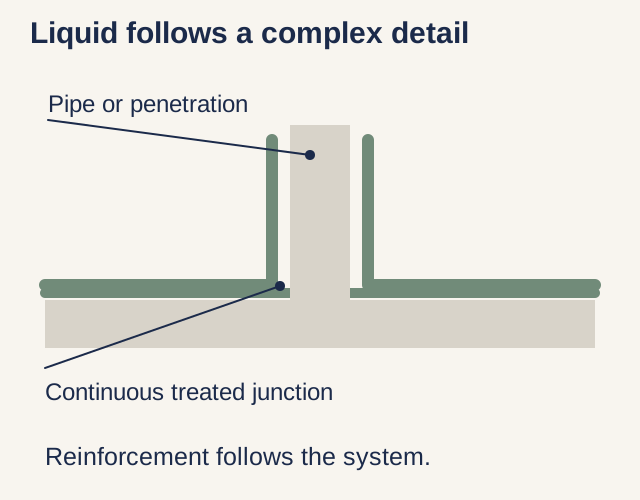
A liquid membrane is applied to a prepared substrate and cures into the specified waterproof layer. PU, acrylic and other formulations have different requirements. The installer must treat joints and details correctly rather than relying on liquid to fill every crack.
Application thickness, interval between coats and readiness for rain or use are product- and condition-specific. Cold application avoids a torch, but does not mean no hazards or preparation requirements. Agree weather protection and curing in the programme.
Reinforcement may be required at details or across the field of the membrane, depending on the system. Ask the contractor to identify the specified fabric and locations. More layers of an unspecified product do not automatically improve performance.
Durability and Performance
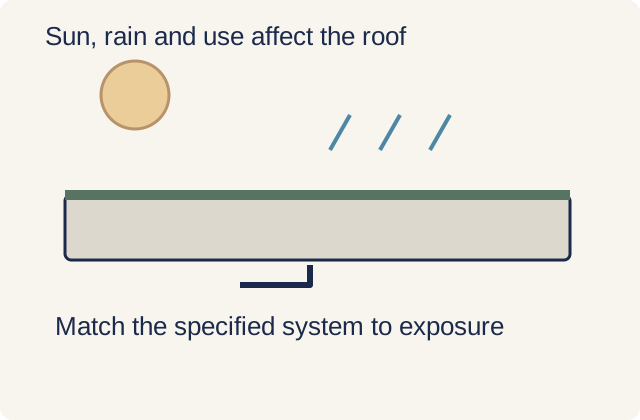
Factory sheets provide a manufactured thickness, while liquid systems depend on achieving the specified coverage and cured film. Sheet laps and liquid details each need careful workmanship. Neither method is inherently the longest-lasting choice on every roof.
Maintenance and future repair also differ. A liquid recoat may be possible on a sound compatible base, while sheet repairs need suitable materials and joint work. No membrane can be extended indefinitely without reassessing the underlying condition.
Traffic, planted areas and equipment can require protective layers and additional design. Select a system approved for those conditions rather than assuming a particular chemistry tolerates roots, loading or ponding. Correct drainage remains necessary.
Best Applications for Each Method
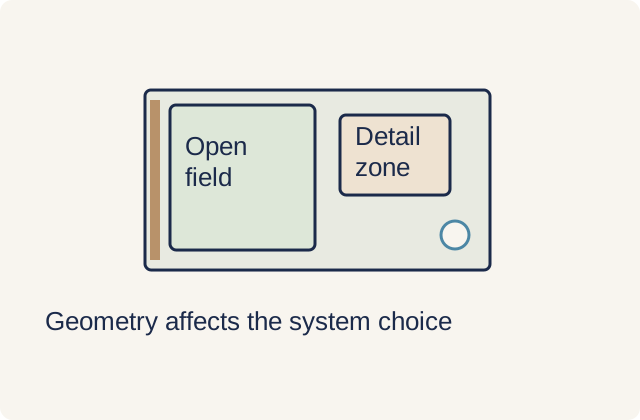
A sheet system may be practical on accessible areas where its details and installation method suit the roof. Check hot-work constraints and protection of combustible construction before specifying torch application. Area alone is not a universal selection threshold.
Liquid systems can suit complex shapes where a compatible specification deals with junctions and penetrations. Recoating depends on the condition and compatibility of the existing layers. Ease of application around details does not remove the need for a sound base.
For wet rooms and balconies, specify the complete membrane and covering system for that use. Do not transfer a roof product into another setting based solely on its waterproofing label. The responsible designer and applicator should confirm suitability.
Cost and Practical Considerations
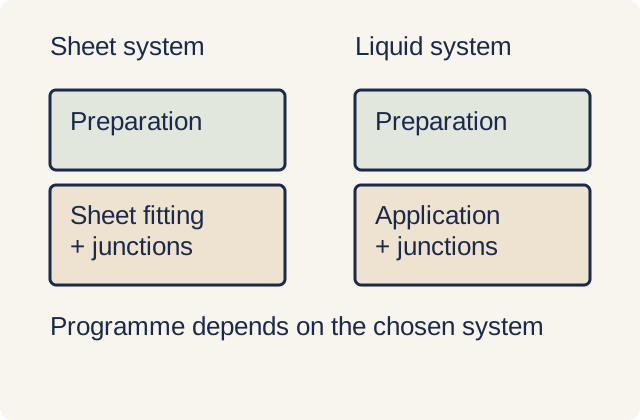
Compare quotations with equivalent preparation, access, details, protection and warranty. A sheet or liquid label does not establish a universal price premium or cost per year of life. The useful total is the one for the actual roof and maintenance scope.
Both approaches need suitable surface and weather conditions. Product instructions define acceptable substrate moisture, application conditions and curing. Do not assume a liquid coat can always be squeezed into a short gap between storms.
Have the contractor explain the selected approach against the inspection findings and intended roof use. Send DirectHome the current finish and leak history to discuss the scope, without climbing onto the roof.
Confirm professional inspection arrangements, availability and charges before booking. Retain the written diagnosis and complete system specification with the quotation.
Roof Waterproofing across Singapore
Need help with your project?
Tell us what you need on WhatsApp and send a few photos. We'll arrange a free site assessment, then give you a fixed-price quote within 3 to 5 working days.