On this page
View In PDFAn exposed waterproofing layer is easier to see and reach for maintenance, while a layer covered by screed has a different form of protection and a different repair process. The choice depends on the selected system and how the roof is used. Compare the whole roof construction, including drainage and access, rather than only the waterproof product.
Two Ways to Finish a Roof
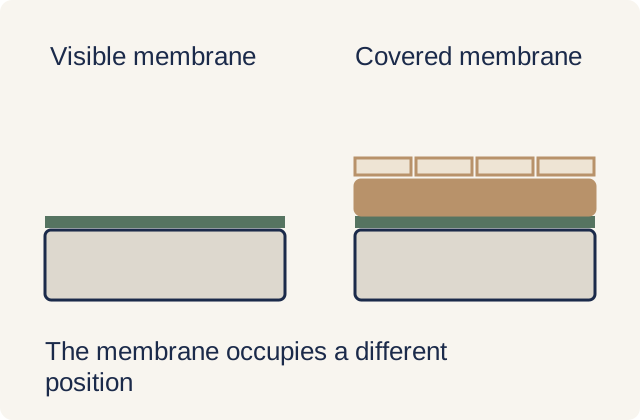
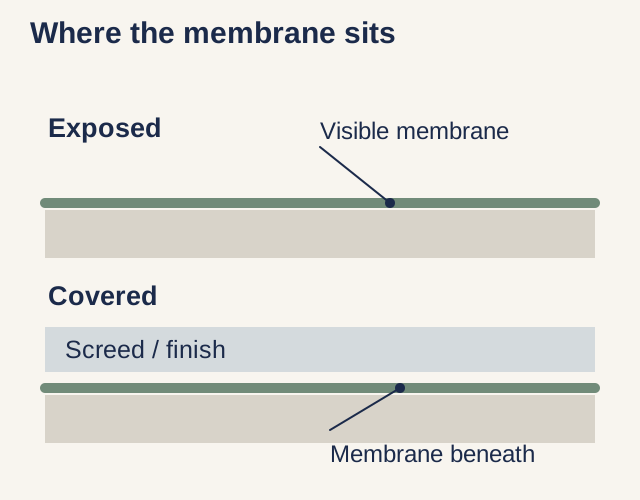
Once a waterproofing membrane is applied to a roof slab, there are two ways to finish it. Exposed means the membrane is the final surface: you can see it from the roof. Screeded (or covered) means a cement screed is laid over the membrane, often with tiles or another finish on top.
Both work. They suit different roofs, different budgets, and different intended uses. The choice has real consequences for how long the system lasts.
Exposed Waterproofing
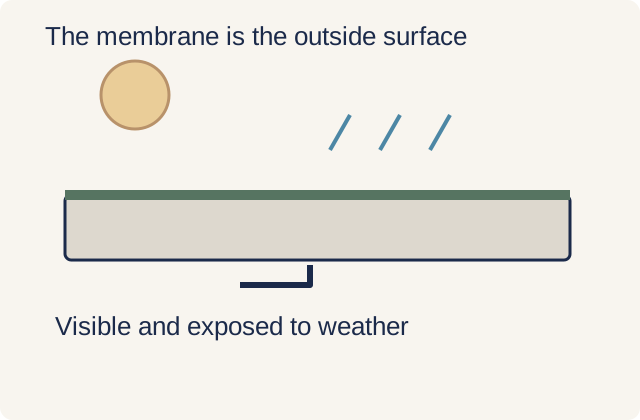
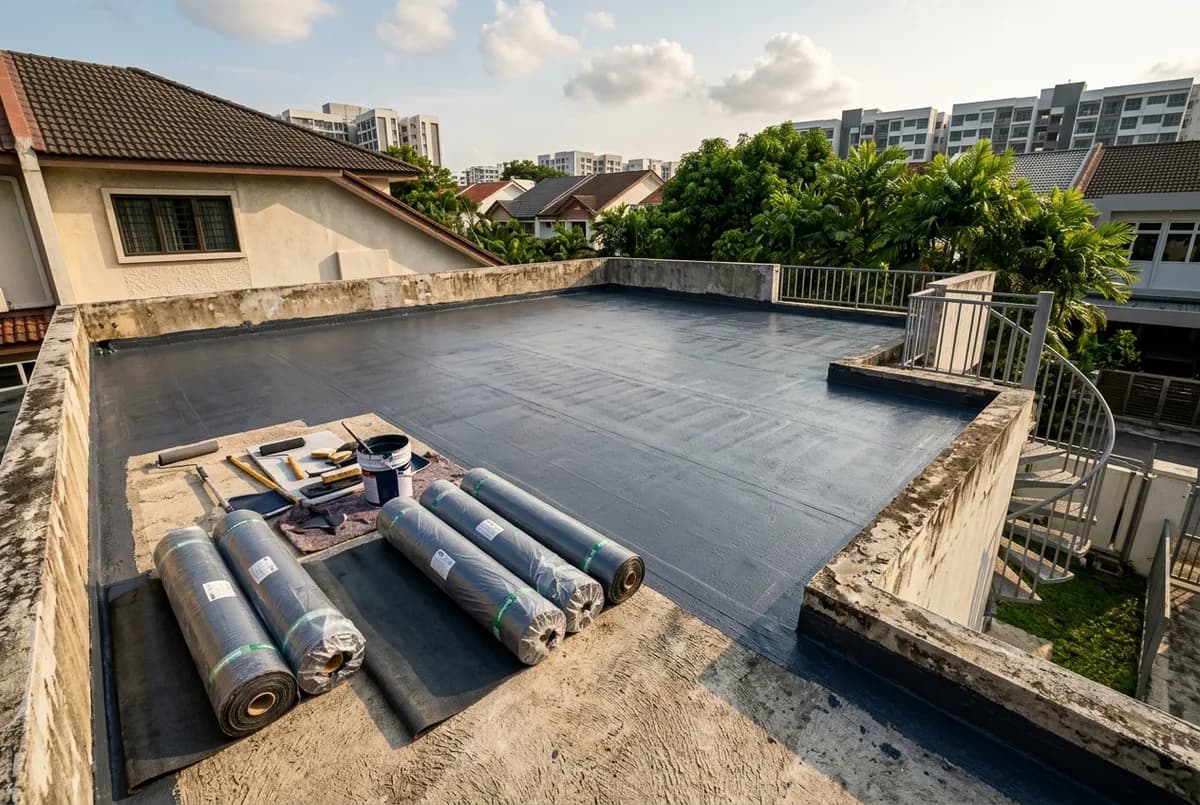
An exposed membrane is selected to withstand the conditions at the roof surface. Liquid-applied and sheet systems are available with different protective finishes. Leaving it accessible can make inspection and local repairs simpler, but maintenance traffic must stay within the system's permitted use.
Sunlight, weathering and foot traffic affect the finish over time. Recoating may be an option if the existing system remains sound and the proposed coating is compatible. An inspection should establish that before any promise of additional service life; a fixed lifespan cannot be inferred from the PU or acrylic label.
Screeded Waterproofing
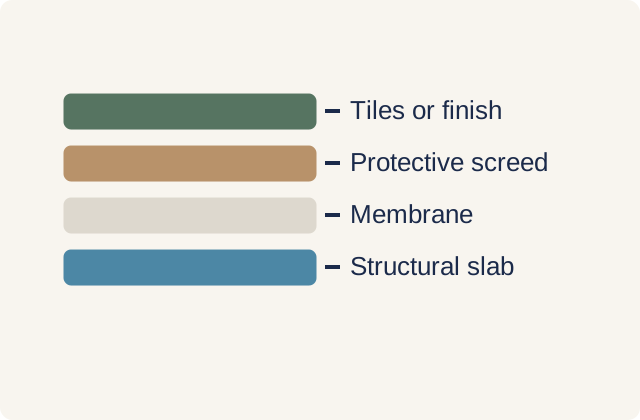
A covered system puts a protective layer above the membrane, often screed and tiles. That reduces direct sunlight and wear on the membrane but adds weight and conceals it. The structure, falls, joints and drainage need to be designed for the complete build-up.
The trade-off is upfront cost and difficulty of repair. Screeding adds significant material and labour cost. And when a leak does develop, finding the source under tiles and screed is much harder. Sometimes the repair involves lifting tiles and breaking out sections of screed to access the membrane.
The protective layer changes the repair path. On an accessible exposed membrane, a contractor can often inspect the surface directly; beneath tiles and screed, signs at the top may not reveal the membrane's condition. Reaching a suspected defect can mean removing and later reinstating finishes. Protection from wear is therefore traded against visibility and access, rather than simply buying a guaranteed longer lifespan.
Which Roofs Suit Which
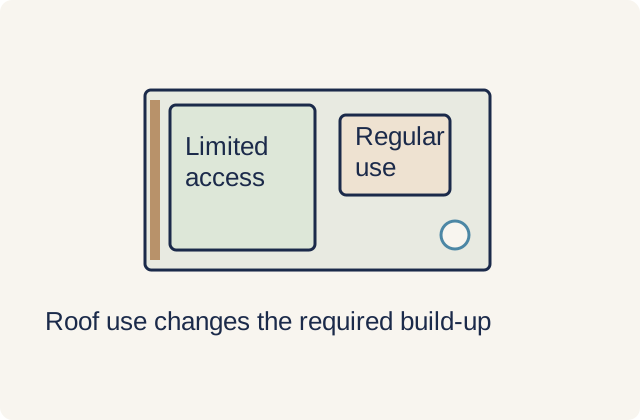
Exposed waterproofing makes sense for: flat RC roofs over attic conversions where nobody walks, rear extensions used only for the occasional aircon service visit, porch roofs, and any roof where cost matters and access for future maintenance is acceptable.
Covered systems can suit roof terraces and other regularly used spaces when the structure and protective finish are designed for that use. Roof gardens need additional consideration of roots, drainage and access. A tile or screed layer by itself does not establish suitability for planting or heavy loads.
Cost Differences
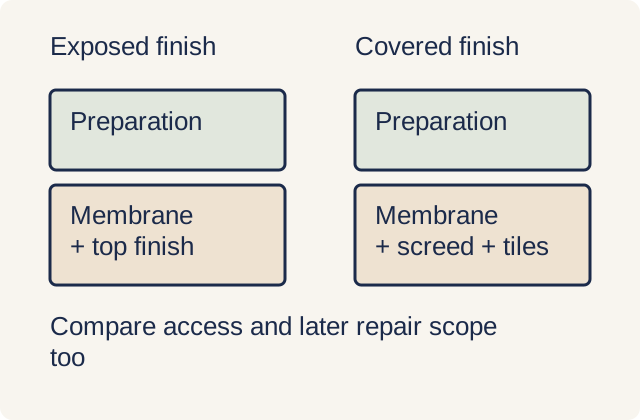
Compare the complete exposed and covered proposals for the same measured roof. In addition to membrane work, a covered finish may add structural assessment, screed, tiles, drainage details and more involved removal work. Those items explain the price difference more usefully than an assumed universal cost per square metre.
For ownership cost, ask what inspections, cleaning and future recoating each proposal requires, and how a leak would be located and reached. The covered option may protect the membrane but cost more to open up later. Neither approach has a guaranteed lower thirty-year total without project-specific assumptions.
Hybrid Options
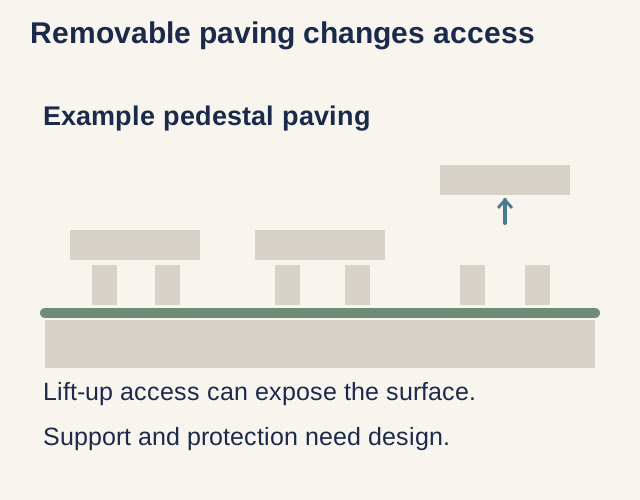
Removable pavers can provide a walking finish with access beneath, but their supports and protection layers must be compatible with the membrane. Confirm point loads, wind restraint, drainage and thresholds in the design. Placing pedestal feet directly on an unprotected membrane can damage it.
Send DirectHome the intended roof use, available plans and current finish to discuss the options. The choice should balance access, loading and repairability as well as the initial quotation. A contractor's assessment should identify which of those constraints matters on your roof.
Roof Waterproofing across Singapore
Need help with your project?
Tell us what you need on WhatsApp and send a few photos. We'll arrange a free site assessment, then give you a fixed-price quote within 3 to 5 working days.