On this page
View In PDFWhether roof work needs approval depends on what is changing. Renewing waterproofing on an existing roof is different from altering its structure, shape or use. Have the project team identify the proposed work and the requirements that apply before starting, especially when a leak repair is being combined with a larger renovation.
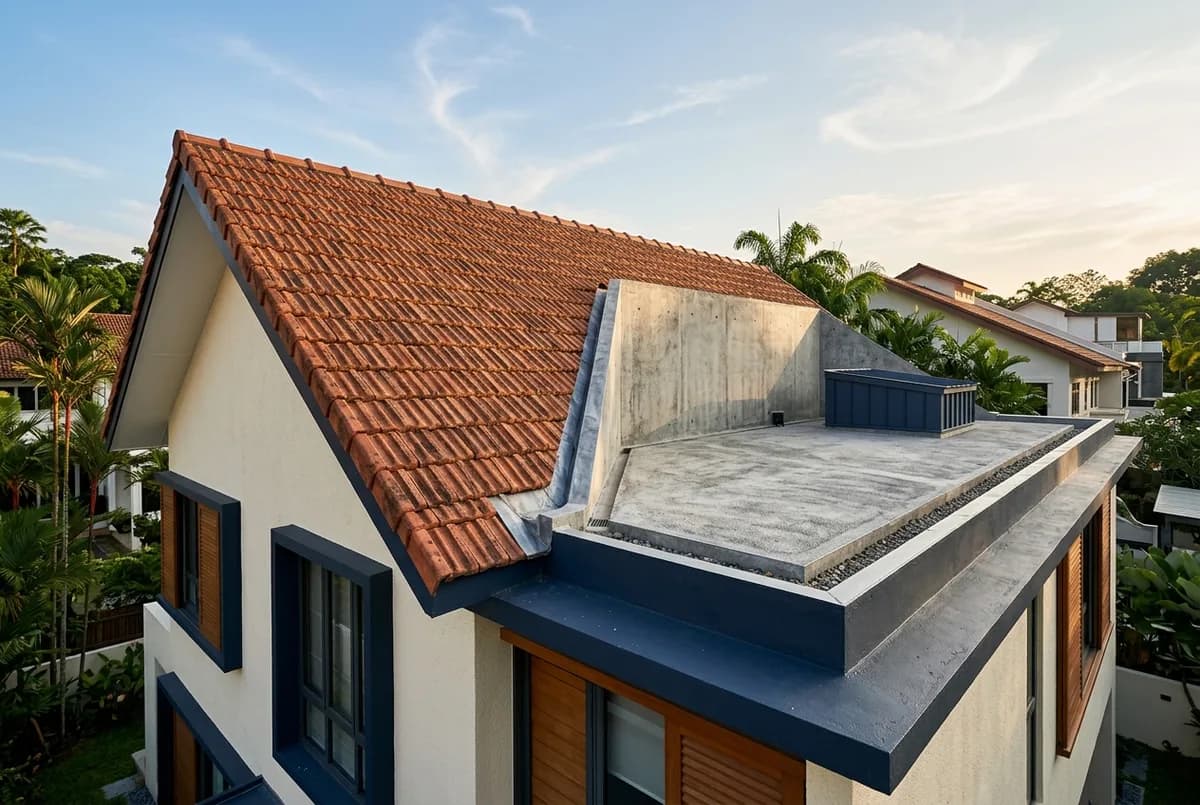
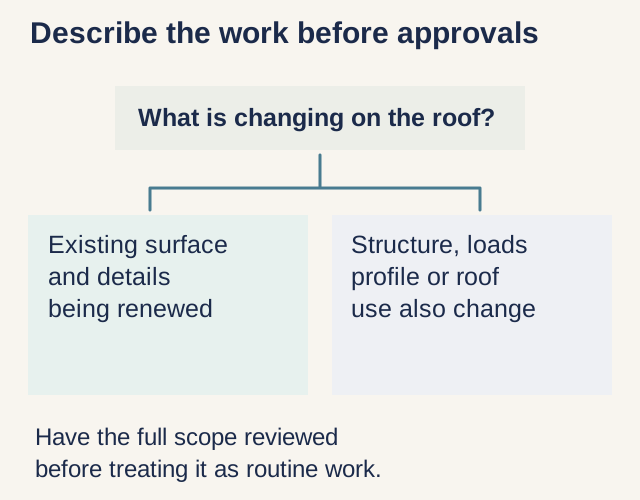
Separate Routine Repair from Associated Building Works
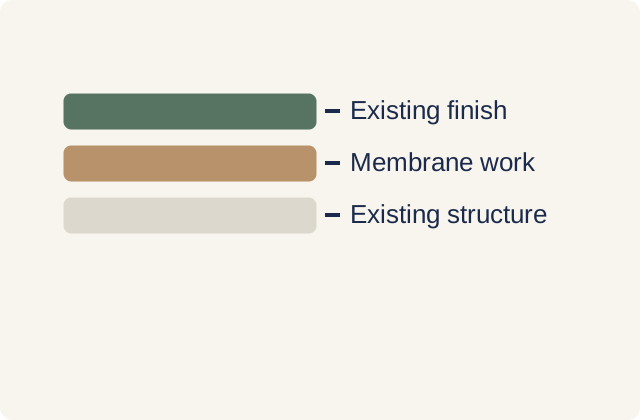
A straightforward surface repair may qualify as minor work, but 'waterproofing' does not establish an exemption for every item in a roof project. A proposal can also include screed removal, altered drainage or changes to the roof structure. Have the actual work assessed before assuming no submission is required.
Give the contractor and, where needed, the Qualified Person a written scope separating the membrane work from changes to coverings, supports, screed and access. That makes any approval question concrete and avoids discovering additional requirements after work has begun.
When BCA Approval Becomes Necessary
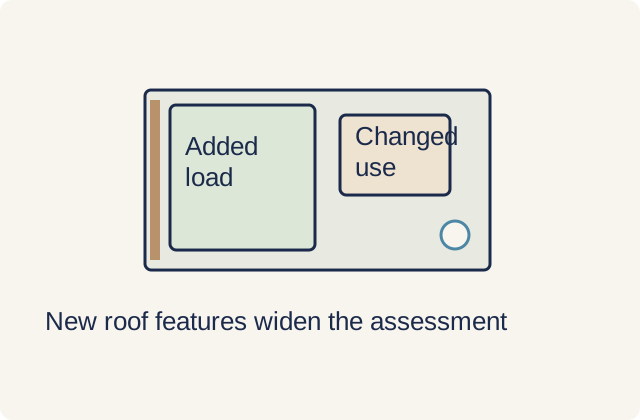
Structural alterations, changes to roof use or additional loads need assessment before ordering work. Converting a roof into a terrace, adding planters or altering a concrete slab can raise questions beyond the waterproofing itself. Ask the Qualified Person to identify the applicable building and structural requirements.
If your waterproofing job includes adding screed beyond a routine thickness, building new planters or seating walls on the roof, or any structural reinforcement, your contractor should flag the BCA implications during the quote stage.
A recoat that changes only the protective surface and a project that adds a planted roof may both be sold as waterproofing. The latter can introduce retained water, soil and other loads, as well as different drainage and access. Those additional effects are why the work description must reach beyond the product being applied. The professional assessment can then identify which parts are routine repair and which need a separate design or approval decision.
URA, Not Just BCA
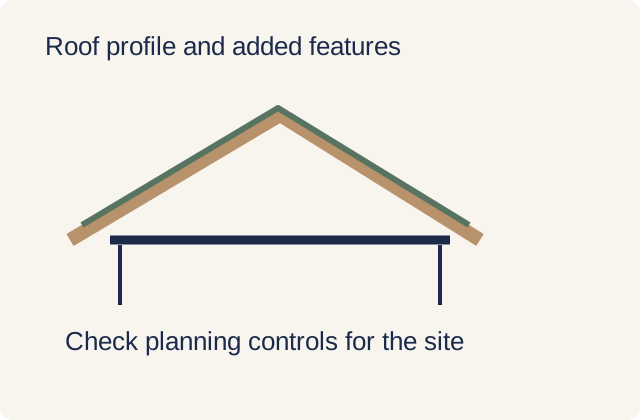
Planning permission is a separate question from BCA approval. Added roof structures or a change of use may be subject to URA controls, exemptions and site-specific conditions. Do not assume that an exemption for membrane work extends to a pergola or new roof feature.
Some conservation areas and good class bungalow zones have additional rules around roof modifications. If your home is in one of those areas, mention it to the contractor before any work starts.
Strata-Titled Properties
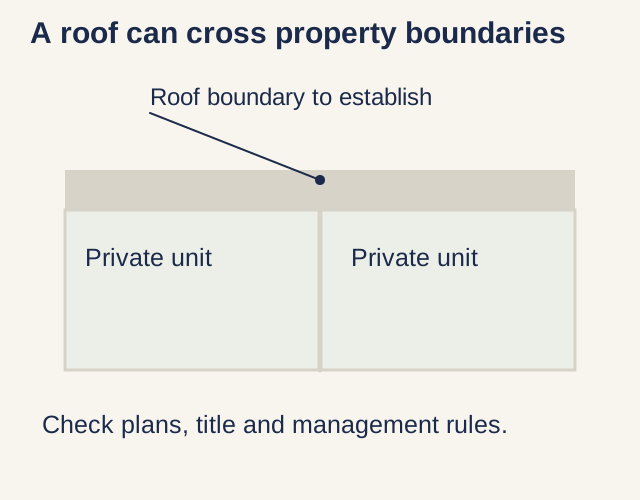
In a strata development, identify whether the roof or affected element is common property before arranging work. Where the MCST is responsible, discuss the inspection and repair through the managing agent. Responsibility and funding should follow the actual strata arrangements rather than an assumption based on where the roof sits.
Check your strata title plan and management corporation rules. If the roof is yours but the parapet or external wall is common, you will need MCST approval before any waterproofing work that affects those elements.
Working Hours and Noise Rules
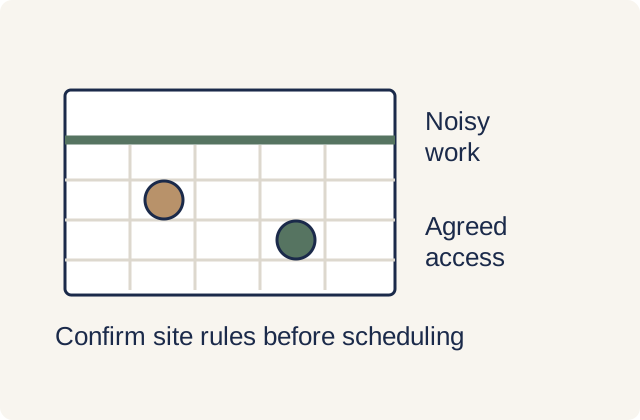
Noise restrictions depend on the work and premises. NEA regulates construction noise, while HDB and strata-management renovation conditions can involve separate rules. Ask the contractor to confirm the applicable limits and permitted schedule; a single weekday-and-Saturday timetable is not a universal rule for Singapore roofs.
Discuss grinding, hacking and drilling with adjoining households before work begins. Put the noisy-work periods and contact person in the project plan. Advance notice helps neighbours prepare but does not replace compliance with the applicable restrictions.
How DirectHome Handles Permits
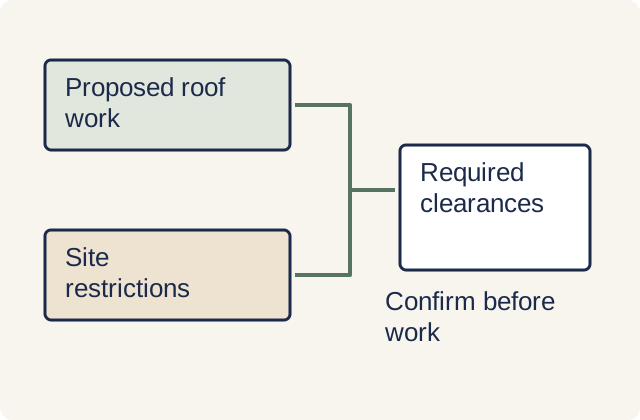
When discussing the project with DirectHome, separate routine waterproofing from any structural or planning changes. Confirm who assesses permissions and who makes any required submissions. An initial conversation cannot replace a project-specific decision by the responsible professional.
Send a description of the proposed work, the property type and available roof plans. Include planned changes in use or added equipment, because these can change the scope beyond repairing a leak. Resolve the approval route before authorising those alterations.
Roof Waterproofing across Singapore
Need help with your project?
Tell us what you need on WhatsApp and send a few photos. We'll arrange a free site assessment, then give you a fixed-price quote within 3 to 5 working days.