On this page
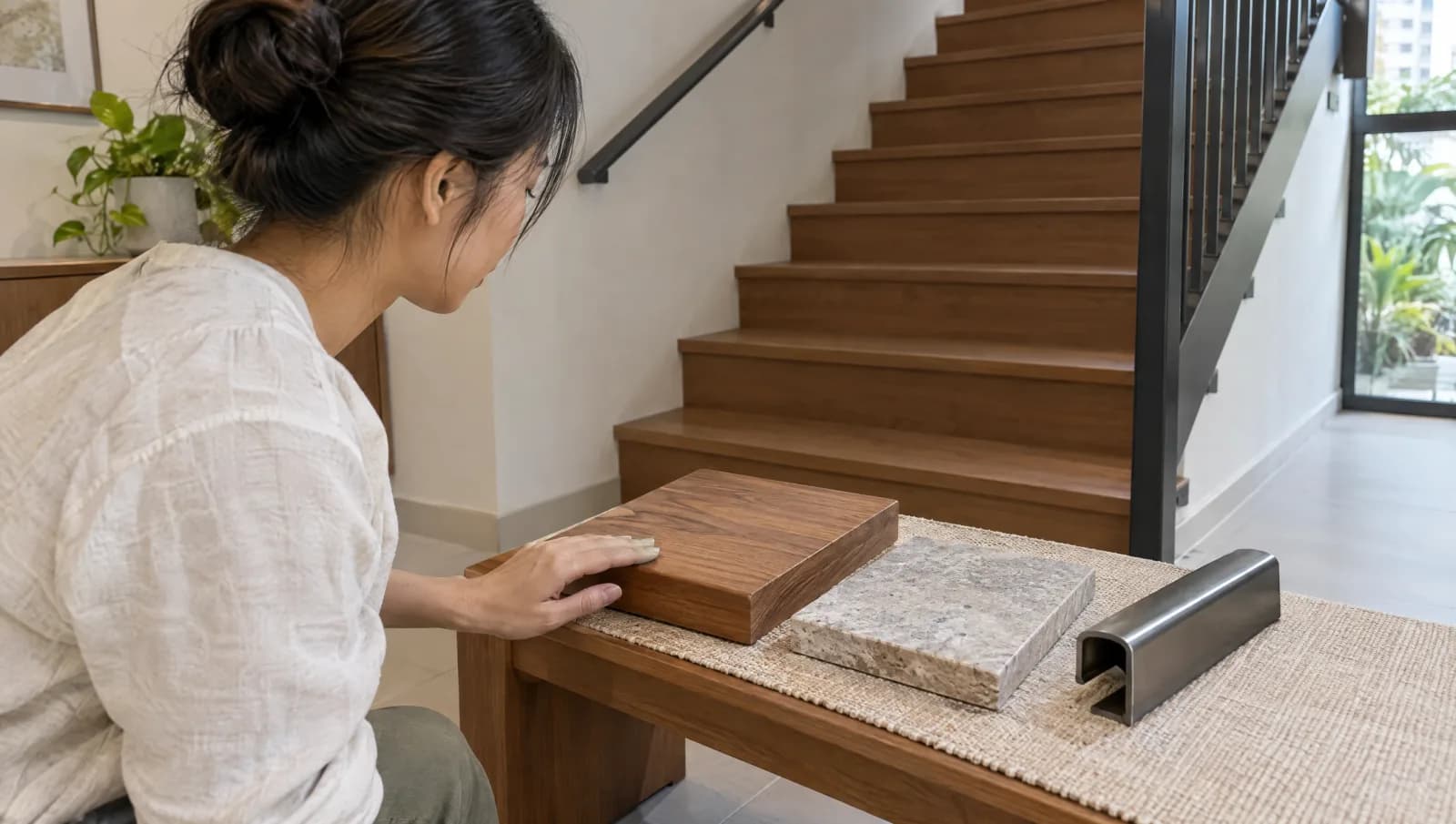
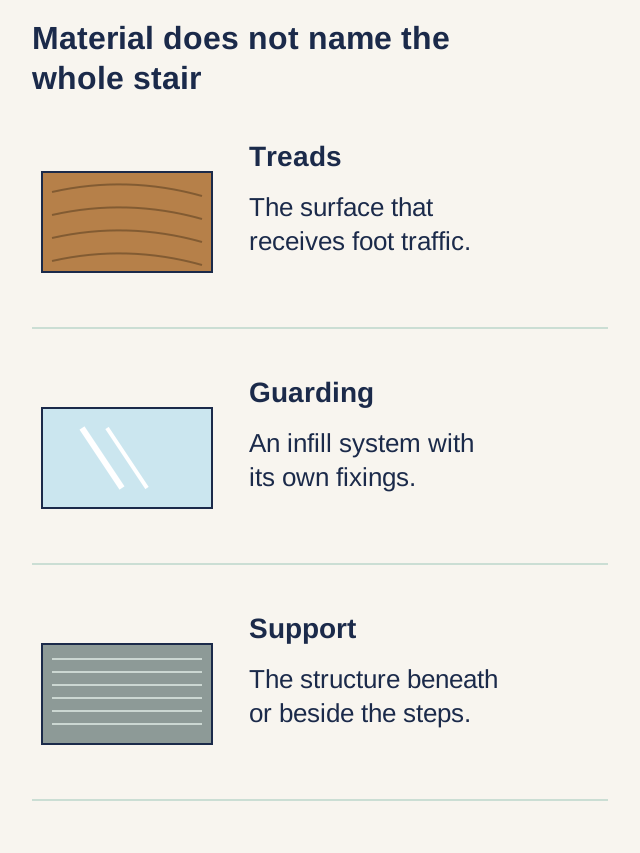
View In PDFThe best staircase material for your home depends on which part you are choosing and how the stairs are used. Treads need to suit walking and cleaning; railings affect the view and protection at the edge; the supporting structure has its own requirements. Compare timber, stone, glass and steel for the actual job each will do.
Why Material Choice Matters More in Singapore
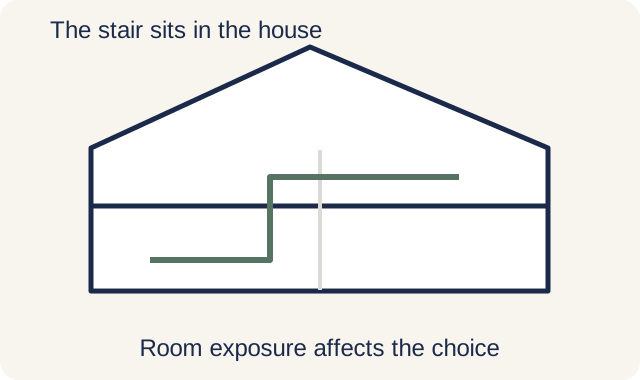
Humidity, cleaning and the home's ventilation affect how stair finishes behave. A naturally ventilated stairwell and a consistently conditioned room can expose materials differently. Choose for the actual location and maintenance routine, not just the showroom sample.
The right material needs to handle humidity fluctuations, resist mould, stay cool or comfortable underfoot, and look good for years without excessive maintenance. Here's how each option performs in real Singapore conditions.
Timber: Warm, Classic, and Climate-Dependent
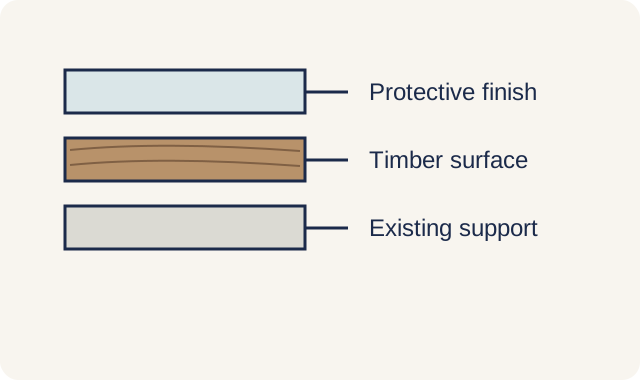
Timber offers varied grain, colour and finish, but species and construction behave differently. Compare a stair-rated product with the support, fixing and moisture requirements for the home. Its appearance is only part of the specification.
Teak, oak and walnut offer different appearance and material characteristics. Ask for verified species, origin and any claimed certification. Certification should be supported by supplier documentation; a name or plantation claim alone does not establish it.
For a darker natural timber palette, American walnut heartwood ranges from light brown to dark chocolate, with much paler sapwood. Compare several finished pieces if you want an even-looking flight, because one sample hides that variation. For teak or oak, review the actual batch and finish beside the existing floor; the species name alone will not show the final colour.
Acclimatisation and installation should follow the product's instructions and measured site conditions, not a universal two-week wait. Finish and maintenance requirements also differ. Discuss moisture movement, edge details and permitted refinishing before choosing between products.
Natural Stone: Durable and Cool
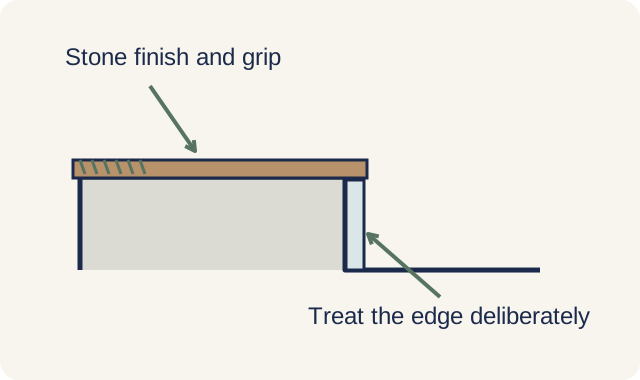
Stone can provide a durable stair finish, but weight, absorption, sealing and surface treatment vary by product. Have the support and fixing method assessed. Humidity does not remove the need to manage moisture at the substrate and joints.
Polished marble can be slippery and can mark or stain depending on the finish and use. Ask for the actual surface's slip and care information. A honed or textured description is not itself proof of suitable grip on a stair.
Marble also needs a cleaning routine that avoids acidic products which can etch its surface. A sealer can improve stain resistance, but it does not make the tread stainproof. Choose it for the appearance you want only if that care fits the household.
Granite and terrazzo also come in different finishes and compositions. Compare tested surface performance and edge details rather than assuming one stone name is always less slippery. The nosing, lighting and cleaning routine affect safe use.
Engineered and Composite Materials
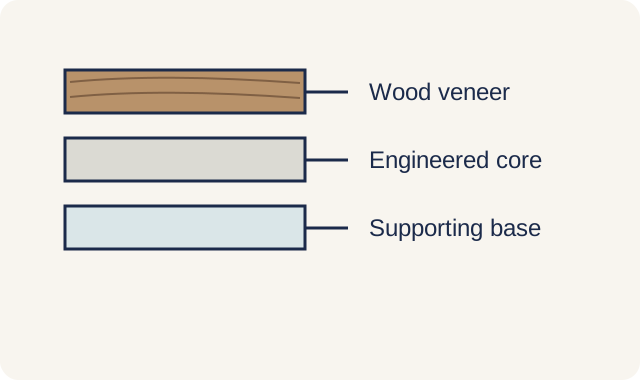
Engineered timber can offer dimensional advantages, but wear-layer thickness and construction determine refinishing options. Some products cannot be sanded as often as others. Check the stair application and manufacturer instructions instead of assuming a fixed saving or number of refinishes.
Sintered surfaces offer different appearance and performance characteristics, but are not indestructible or maintenance-free. Edge impact, support and fixing details still matter. Use a product approved for the proposed tread and have its fabrication designed appropriately.
Glass and Steel: The Contemporary Statement
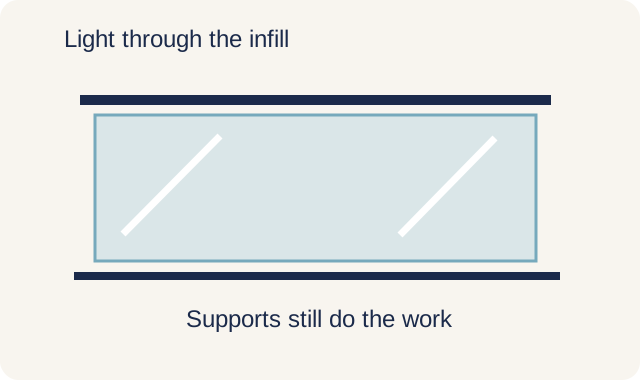
Glass barriers and any glass treads require an engineered system, with suitable glass make-up, supports and fixing details. A generic thickness does not establish adequacy. Have the responsible designer specify the glass, supports and fixings together, including access for maintenance.
Steel can form stringers, handrails and barriers, with protection appropriate to indoor or outdoor exposure. Stainless steel still needs a suitable grade, finish and cleaning. Compare the actual structural and finish specification with the complete installation quote.
A combination of timber treads, metal supports and transparent barriers can create an open appearance. Choose it where the layout, maintenance needs and people using the stairs suit that combination.
Making the Right Choice
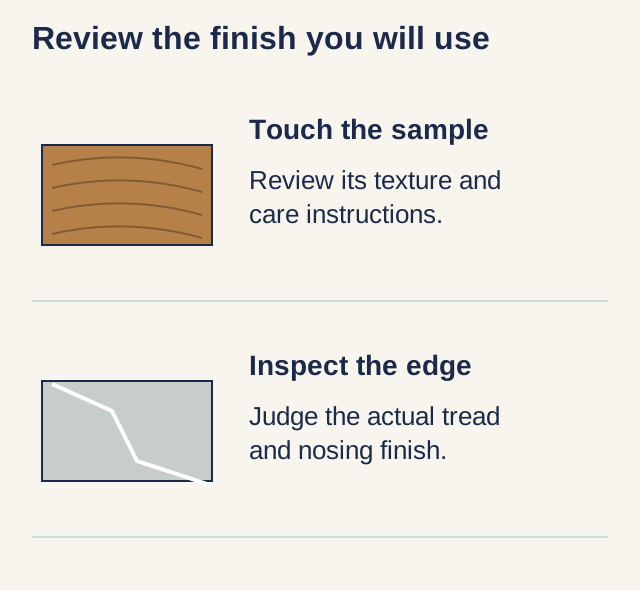
Compare suitable products for the actual staircase, including support, finish, slip performance and maintenance. Compare the cost of the finished staircase, including its supports and installation, against how well it meets your household's needs. No species or material combination is universally best for Singapore homes.
If budget is constrained, first identify which existing components can safely be retained. Then compare current quotations for the required scope. A material-only price can omit preparation, edge fabrication and barrier work.
Compare the Whole Tread-Finish Budget
| Hypothetical 16-tread comparison | Finish A | Finish B |
|---|---|---|
| Fabricated treads and nosings, fitted | S$4,800 | S$4,000 |
| Preparation and minor base repairs | S$600 | S$1,400 |
| Risers and landing transitions | S$400 | S$700 |
| Known total, before any tax | S$5,800 | S$6,100 |
Finish B appears S$800 cheaper at the tread-package line, but its extra preparation and transition work makes the complete example S$300 dearer. Replace these amounts with two quotations for your preferred timber, stone or engineered product. Keep any strengthening, new guarding, electrical work and tax treatment visible separately; this example assumes those parts are retained or outside both proposals.
If warm grain and the option of future sanding matter most, start with suitable timber and confirm how much material can be refinished. An engineered timber finish may suit the desired appearance, but the wear layer sets its sanding options. If you prefer the stone appearance, choose the actual surface and care requirements before committing to it. For a limited budget, retaining a suitable support and barrier usually deserves examination before paying to change the entire visual style.
Keep the final specification clear on moisture conditions, fixings, nosings and care. These details help the installer and owner maintain the chosen finish. Ask DirectHome about the project scope rather than assuming a particular sourcing arrangement.
Send the available plans and safe photographs with your preferred finishes to discuss a staircase assessment. Confirm its scope, availability and charges before booking.
Staircase Renovation across Singapore
Need help with your project?
Tell us what you need on WhatsApp and send a few photos. We'll arrange a free site assessment, then give you a fixed-price quote within 3 to 5 working days.