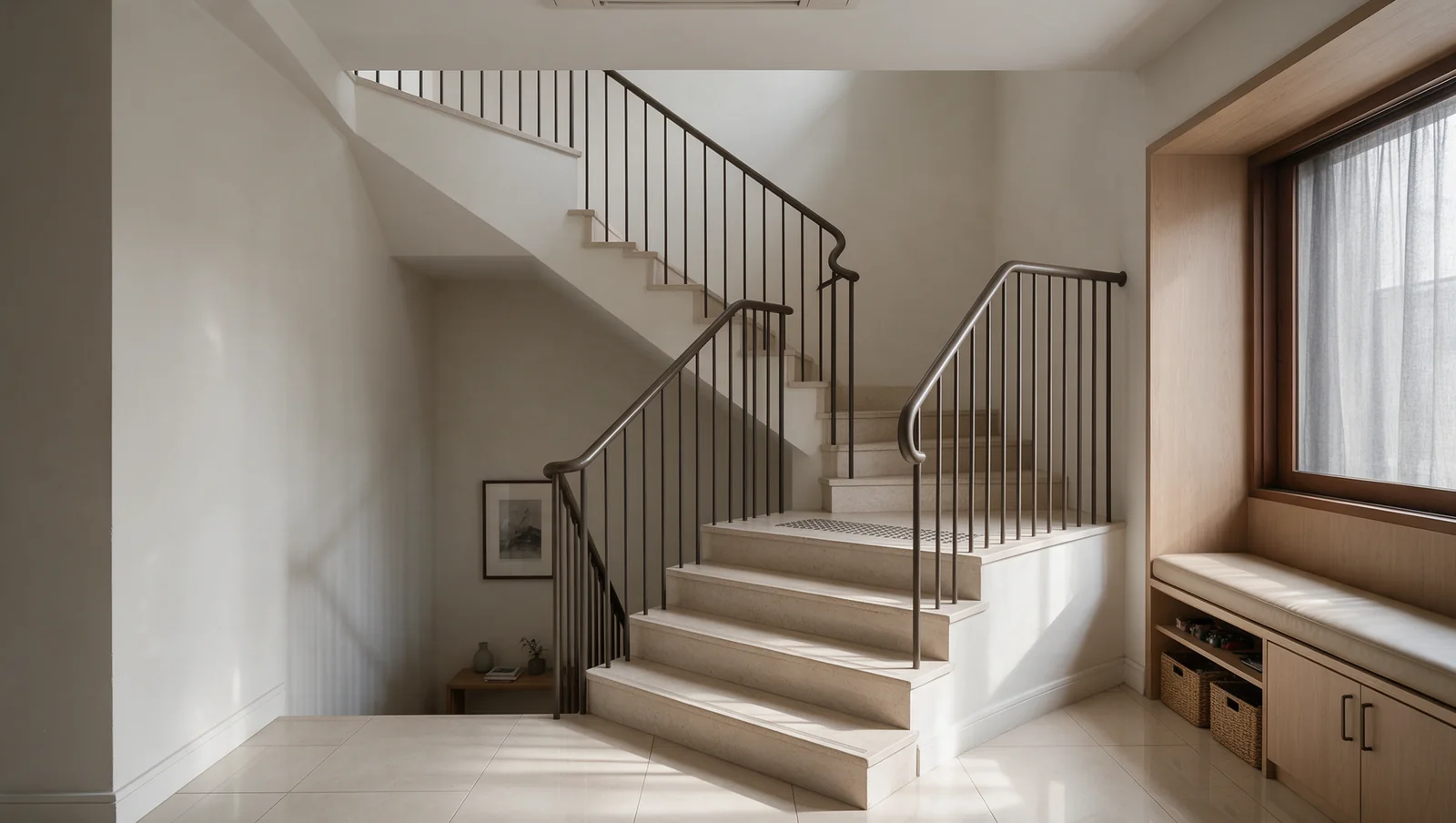
Staircase renovation begins with the extent of change: finishes, barriers and handrails; replacement of the stair structure; or a new position and geometry. These are different projects even when the finished photographs look similar. Establish what stays before choosing timber, stone or glass.
The staircase connects floors that the household still needs to use. Its design must coordinate finished floor levels, headroom, doors, landings, lighting and the people using it. The construction plan must separately explain when that connection is unavailable and how the household will manage.
This guide keeps cosmetic refresh, rebuild and repositioning as useful scope categories, without treating them as automatic permit exemptions or fixed-price packages. Structural work and the applicable Singapore requirements need project-specific professional assessment.
Define what is retained and what changes
Start with a survey and mark the retained structure, existing finishes, handrail, barrier, walls and adjoining floors. A request to replace treads can also affect the first and last step, door clearances and barrier fixings. Make those interfaces visible in the scope.
A rebuild on the same footprint is still a change to structural components when the stair structure is replaced. The fact that it looks the same or stays in the same location does not establish an exemption from professional review or approval requirements.
For relocation, review the wider floor plan: openings, load paths, usable rooms, circulation and any lift proposal. Decide whether the underlying problem is appearance, deterioration, cramped access or mobility. Each points to a different level of intervention.
| Scope | What must be established |
|---|---|
| Finish refresh | Retained substrate, finish build-up, step levels and junctions |
| Handrail or barrier replacement | Fixing design, support condition and user needs |
| Stair structure replacement | Structural design, supports, temporary works and applicable submissions |
| Repositioning | New openings, load paths, headroom and whole-house circulation |
Draw the finished staircase, including the first and last step
Coordinate the new stair finish with flooring at the bottom, intermediate landings and upper floor. An overlay adds thickness somewhere; its effect on the first or last step can differ from the middle of the flight. The contractor should provide a finished-level schedule before ordering the material.
Check transitions at landings, nosing profiles, doors and any junction with retained flooring. Evaluate headroom after ceiling and lighting work, not just before it. Ask the designer to resolve inconsistencies on drawings rather than leaving them to the installer on site.
BCA’s guidance explains stair geometry and barriers, but particular provisions have scope and exemptions, including provisions concerning houses built for an owner’s own use. Consistent, comfortable finished steps remain a practical design objective; obtain the applicable criteria for this house from the responsible professional instead of copying a generic online dimension.
Select a complete finish assembly
Timber can give a warm surface and can be repaired or refinished in some constructions. Specify whether the proposal is solid timber, engineered material or a thin finish over another substrate, together with fixing, edge treatment and care instructions. Moisture conditions and installation details matter as well as species.
For stone or tile, assess the actual tread finish, edge profile, joints and substrate. Material names such as marble or porcelain do not, by themselves, establish slip performance or suitability. Review the supplier’s evidence for the selected surface and the conditions in which the household will use it.
Glass is usually part of the barrier design rather than a direct alternative to tread material. The glass specification, support and fixing arrangement, edge details and handrail must be considered together. Steel-and-timber proposals likewise need a structural and acoustic design as well as a visual one.
| Choice | Useful sample or document |
|---|---|
| Timber tread | Actual finish, edge, joint and fixing proposal |
| Stone or tile tread | Surface evidence, nosing and substrate detail |
| Glass barrier | Specified glass assembly and support/fixing design |
| Steel structure | Connection, coating, tread junction and movement detail |
Review grip, visibility, barriers and lighting together
Assess open risers, barrier openings and graspable handrails against the household, including children, older users and visiting relatives. A visually light design still needs an appropriate barrier and support arrangement. A top edge that looks like a handrail may not provide the grip the user needs.
Review step visibility under the lighting that will actually be installed. Dark finishes can work with a considered lighting scheme; pale finishes do not automatically make a stair easy to read. Avoid relying on a bright rendering as evidence of evening usability.
Use a representative sample or mock-up at the stair location where practical. Include a tread, riser, nosing, joint and adjacent finish rather than approving a small colour chip alone. Agree acceptable natural variation and how the installed finish will be cleaned.
Have structural scope assessed before demolition
BCA’s structural-plan guidance describes the role of the Qualified Person, plan submission and permit requirements, subject to applicable exceptions. The right process follows the actual work. “Same footprint” and “minor renovation” are not sufficient evidence that replacement of structural stairs needs no assessment.
Ask the responsible professional to identify the stair’s supports, the effect of any wall removal, new openings and the temporary condition during demolition. A wall beside a staircase is not necessarily load-bearing, but its role should be established before removal.
When the design changes during construction, have the responsible professional determine how the change is handled. BCA distinguishes changes that require approval from those documented through the applicable record process. Keep drawings and site instructions aligned.
Compare defined scope and interfaces
Request a quotation tied to drawings and a finish schedule. Separate demolition, disposal, protection, structural work, treads and risers, barriers, handrails, lighting, adjacent flooring and making good. Record which existing components are being retained and the assumptions about their condition.
For uncertain concealed conditions, agree an investigation stage or a clearly described allowance. Ask how findings will be documented and priced before additional work proceeds. A vague contingency does not explain what the homeowner is approving.
Compare fabrication and installation responsibilities. If several trades meet at the staircase, name the party coordinating finished levels and the sequence. Distinguish product, finish and workmanship warranties, including who investigates a defect at a shared interface.
| Interface | Question for the quotation |
|---|---|
| Stair to adjoining floor | Who owns the finished-level schedule? |
| Barrier to stair or slab | Who designs and installs the fixing? |
| Lighting to finish | When are cables, fittings and access resolved? |
| Retained structure | What inspection is included before covering? |
| Additional work | What evidence and written approval are required? |
Plan safe access before the stairs are taken out
Ask for a programme showing survey, design, approvals where required, fabrication, demolition, installation, curing or finish protection, inspection and handover. Identify the periods when the staircase is completely unavailable separately from periods of limited or supervised access.
If upper floors will be inaccessible, resolve sleeping, bathing, medication and essential belongings before work starts. A temporary access proposal must be professionally planned and appropriate to the site. An improvised ladder is not a household circulation plan.
Agree barriers, dust containment, work-zone separation and the point at which the stairs can safely return to use. Keep children and visitors away from incomplete treads, temporary edges and unfinished barriers. Obtain explicit release for use rather than assuming that fitted treads mean the stair is ready.
Investigate noise and movement before covering it
For an existing timber stair, record where a squeak occurs, whether movement is visible and whether the pattern has changed. Moisture-related movement and movement at timber connections can contribute to stair noise; a sound alone does not identify one universal defect.
Have loose, damaged or changing components inspected. Avoid treating a new overlay as a repair for an unexplained structural or fixing problem. Where parts are retained, document their condition and agreed remedial work before the new finish conceals them.
Inspect concealed work before it disappears
Agree inspection points for supports, connections, barrier fixings and service routes before they are concealed. Record photographs with enough context to identify the location and link them to the current drawing revision. Photographs supplement professional inspection; they do not replace it.
At handover, walk every flight and landing with the contractor. Check the finished transitions, visible defects, handrail continuity, barrier condition and lighting operation. Obtain the approved or completed records appropriate to the work, finish-care instructions and a written snag list with responsibilities.
Keep the material names and spare-stock information for future repairs. A record of concealed fixings is especially useful if a stairlift, lighting change or later refurbishment is proposed.
Match the intervention to the problem
If the staircase is sound and the concern is appearance, compare a defined finish refresh with a full replacement before committing to demolition. If the concern is mobility, compare handrails, lighting, a stairlift, a home lift or a different daily living arrangement with appropriate advice.
Consider coordinating major stair work with a wider renovation when it affects the same floors, walls and services. That can reduce duplicated work, but timing must still respect current access needs. Do not assume a staircase project will recover its cost through a promised resale premium.
Regulatory compliance
Check which requirements apply to your proposed scope. Agree the responsible qualified professionals, submissions and inspections before work begins.
BCA (Building and Construction Authority)
A Qualified Person should establish the structural design and applicable plan, permit and change-documentation requirements.
Primary source: www1.bca.gov.sg/safety-and-standards/applications-and-licenses/structural-plan-submissionGlossary
- Tread
- The horizontal surface of a step.
- Riser
- The vertical distance or face between adjacent steps.
- Going
- The horizontal distance used to describe stair-step geometry.
- Nosing
- The leading edge of a tread.
- Balustrade
- The barrier along an open stair or landing edge.
- Finished-level schedule
- A coordinated record of the final heights of floors, landings and steps.
Frequently asked questions
Is replacing stairs on the same footprint permit-free?
Not automatically. Replacing structural components can require professional assessment and applicable submissions even when the location is unchanged. Have the actual scope classified before work starts.
Can I overlay new treads on old ones?
Possibly, after checking the retained substrate, finish build-up, first and last step levels, landings and fixings. An overlay should not conceal unresolved damage or movement.
Is glass the safest barrier material?
Safety depends on the specified assembly, supports, fixings, geometry and applicable requirements. Material alone does not establish barrier performance.
Can I live at home during the renovation?
It depends on the periods of lost access and whether essential activities can be managed safely. Obtain a written access and work-zone plan before demolition.
If you read nothing else
Talk through the options for your home
Tell us what you want to change, how your household uses the space and when you hope to start. Share photos or plans on WhatsApp if you have them.
Browse all staircase renovation articles →
Go deeper: staircase renovation articles
In-depth pieces that expand on the sections above: real costs, brand and system comparisons, the installation process, and the edge cases most homeowners hit.
staircase-renovation · 8 min read
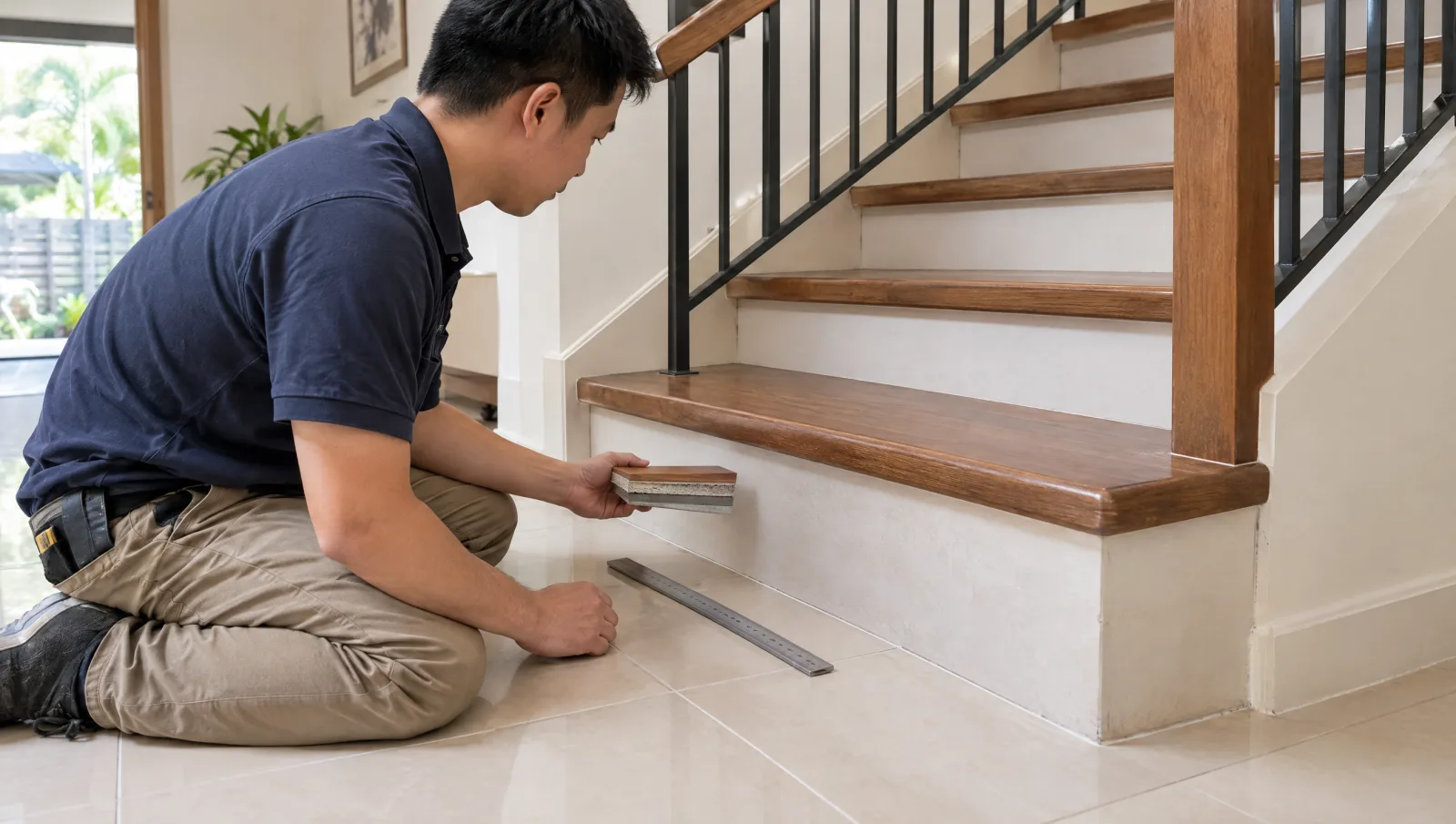
Staircase Overlays: Don't Overlook the First and Last Steps
staircase-renovation · 8 min read
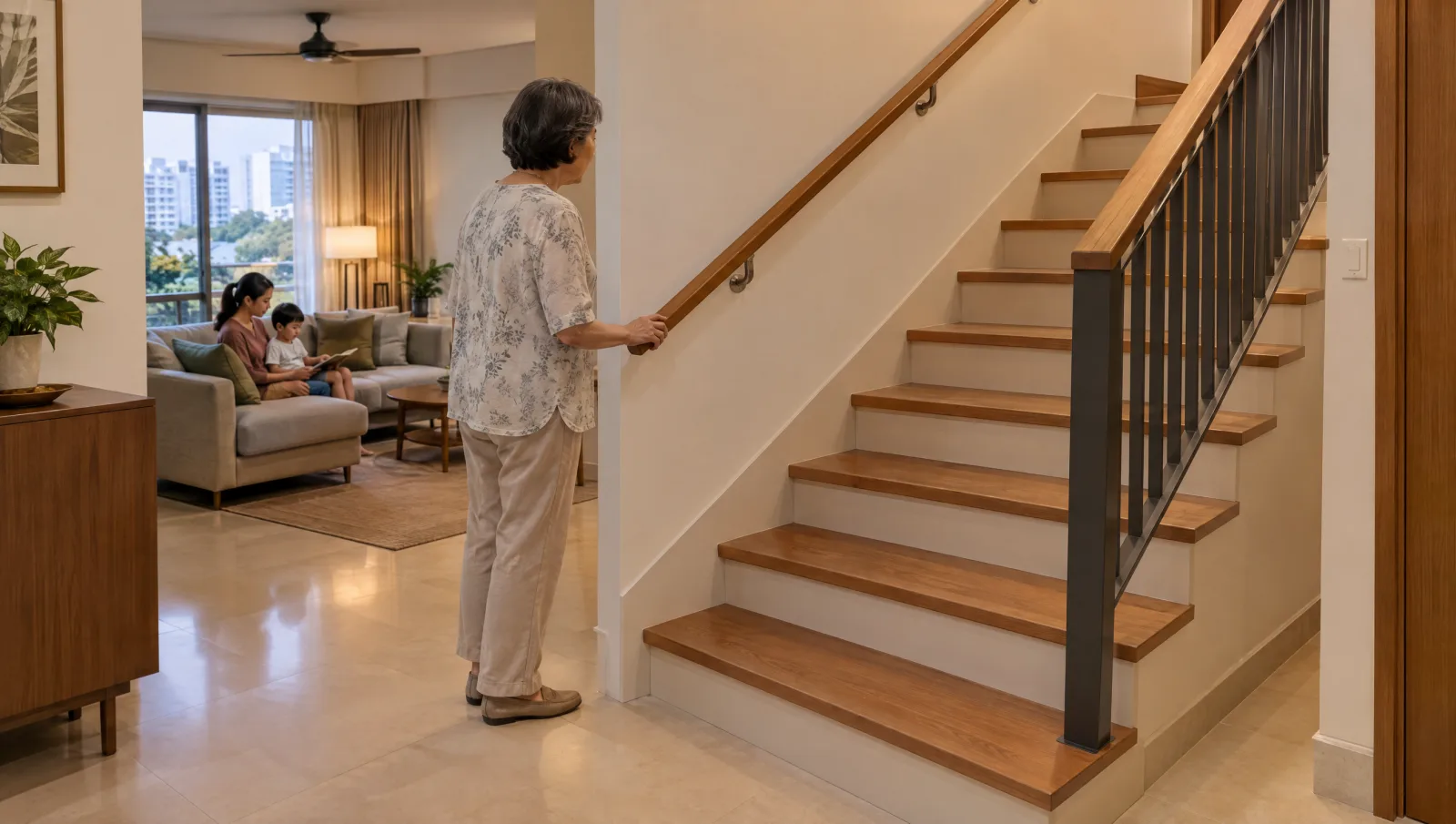
Safer Stairs for Children and Older Parents: A Practical Guide
staircase-renovation · 6 min read
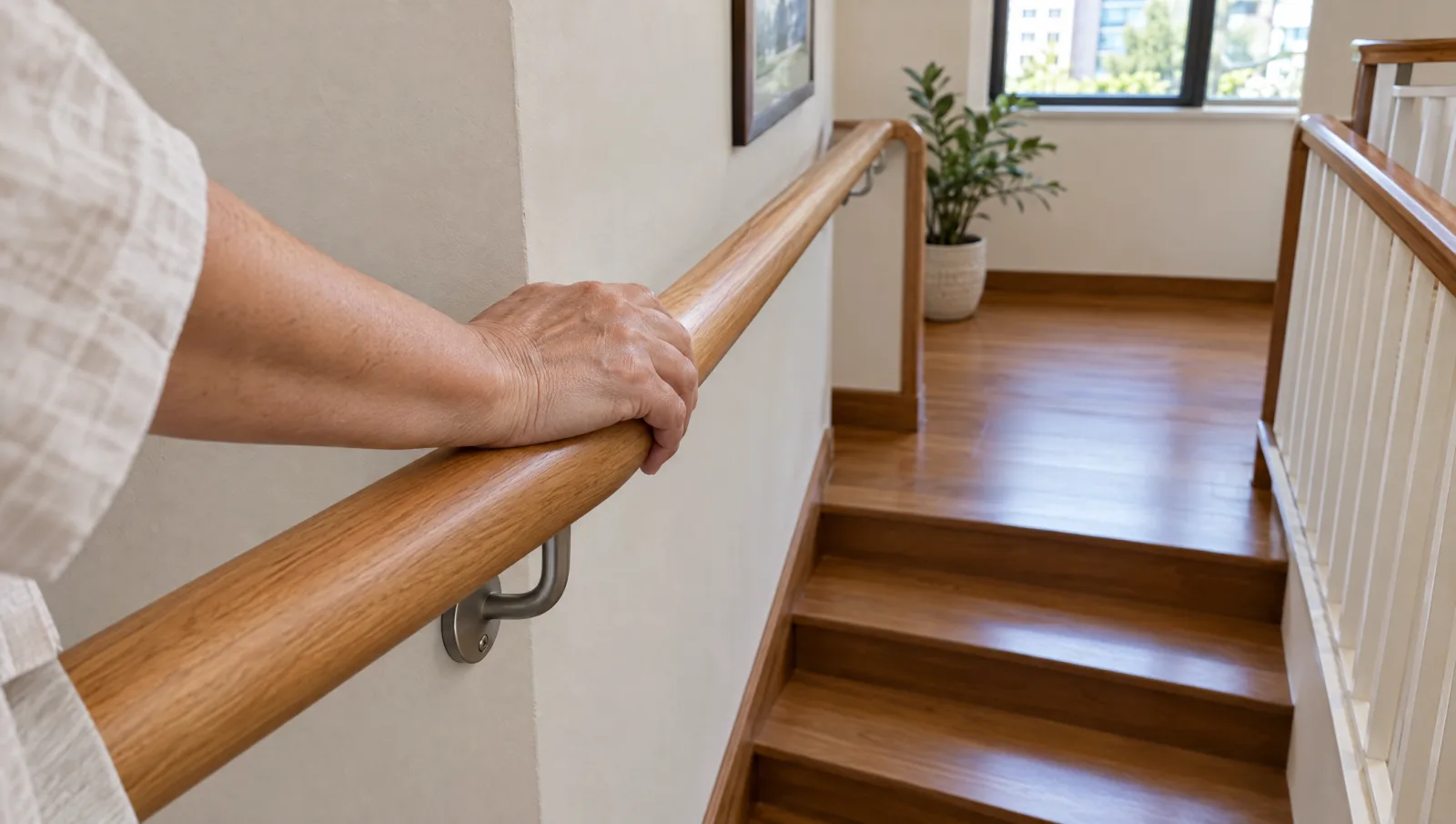
Staircase Handrails: How to Choose a Comfortable Grip
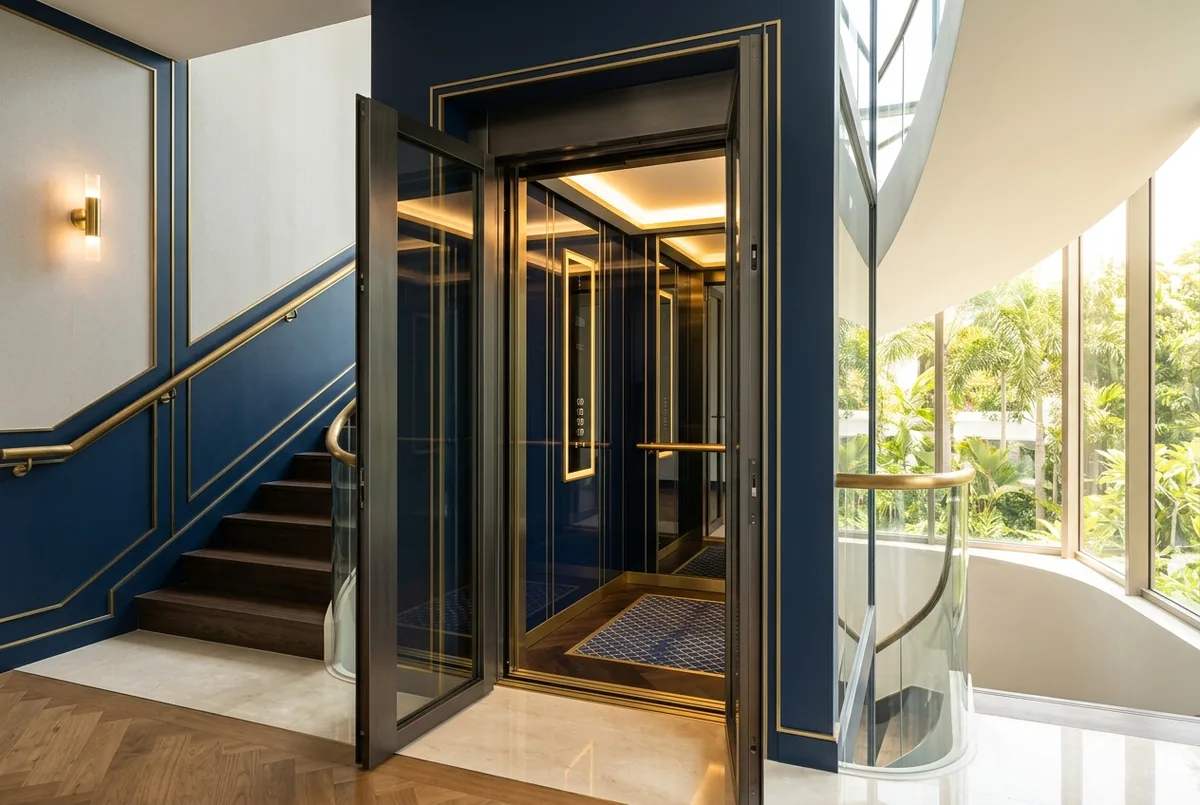
home-lifts · 7 min read
Can a Home Lift Fit Inside Your Existing Staircase?
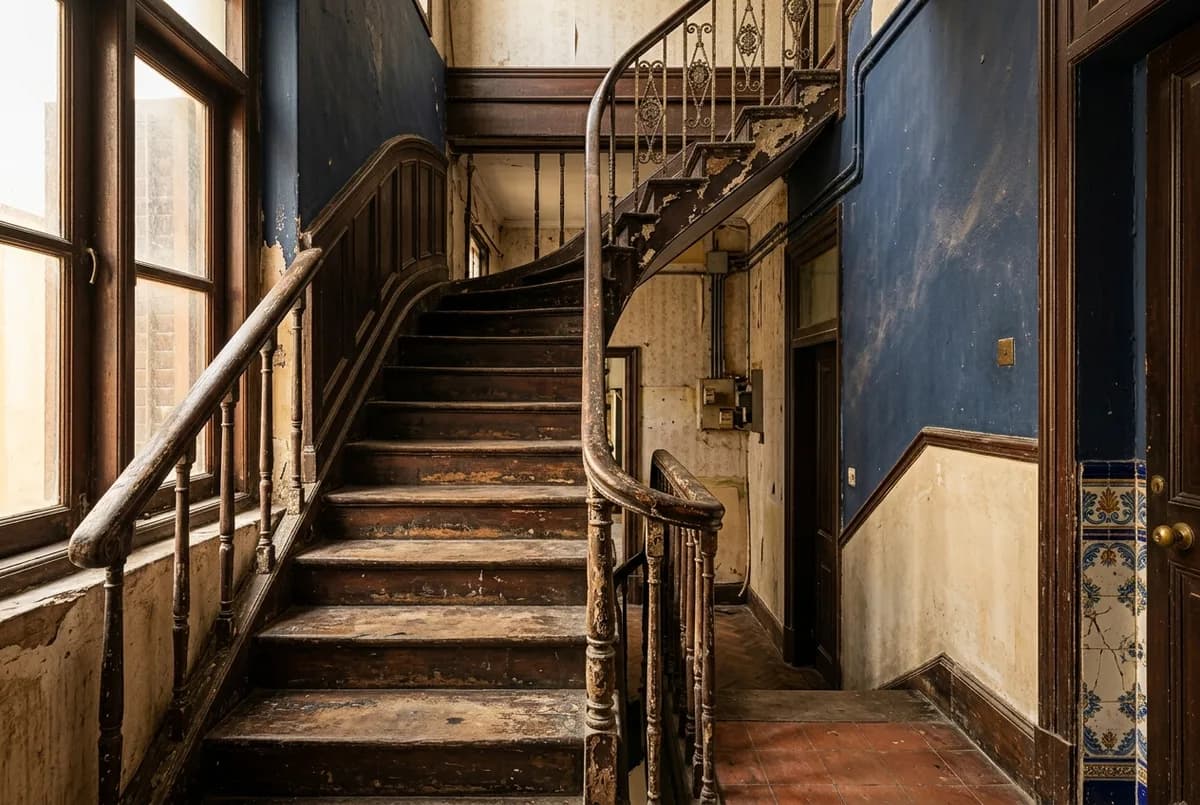
staircase-renovation · 8 min read
Restore or Replace Your Staircase? How to Decide
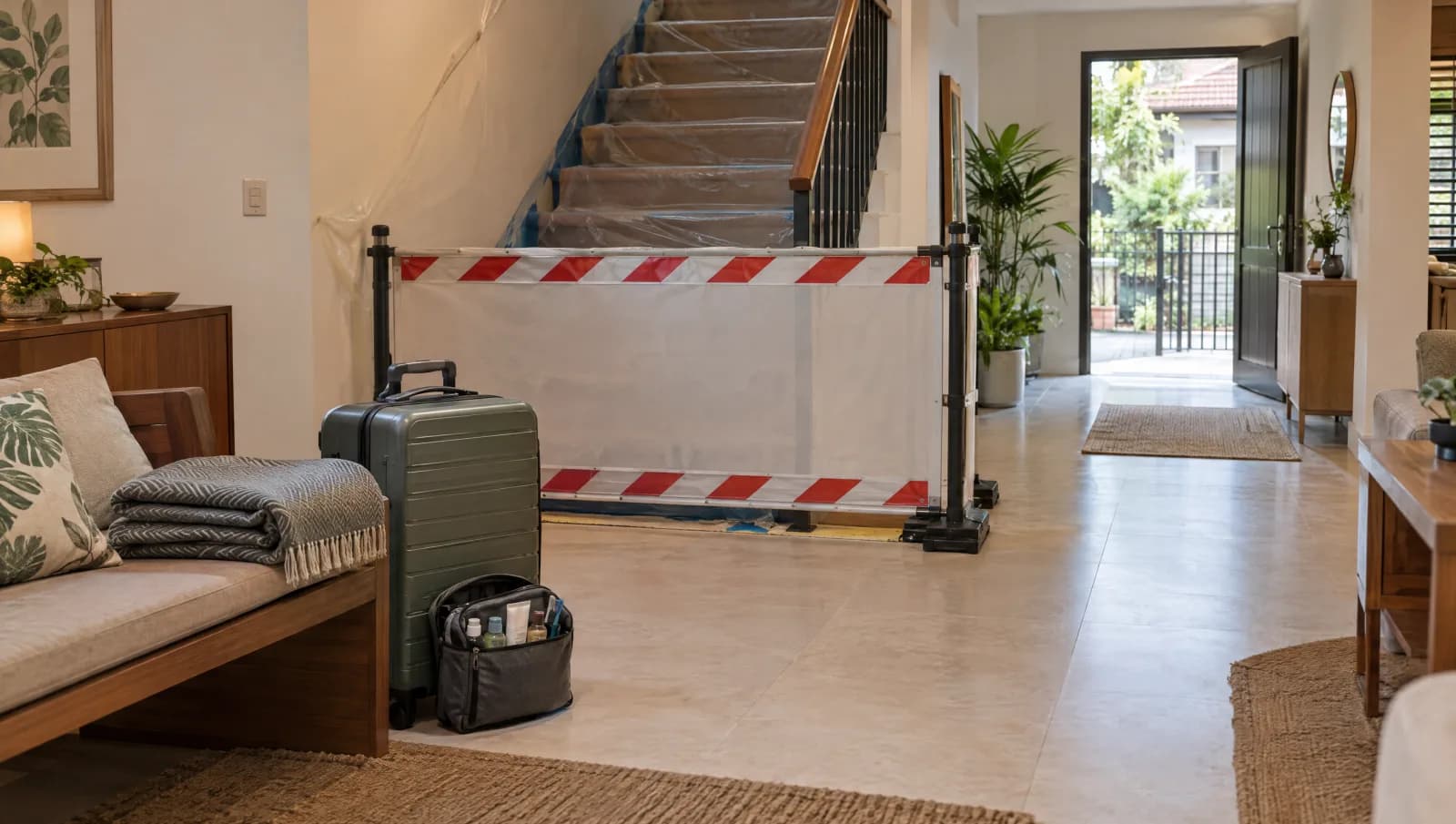
staircase-renovation · 8 min read
Staircase Renovation Timeline: How Will You Get Upstairs?
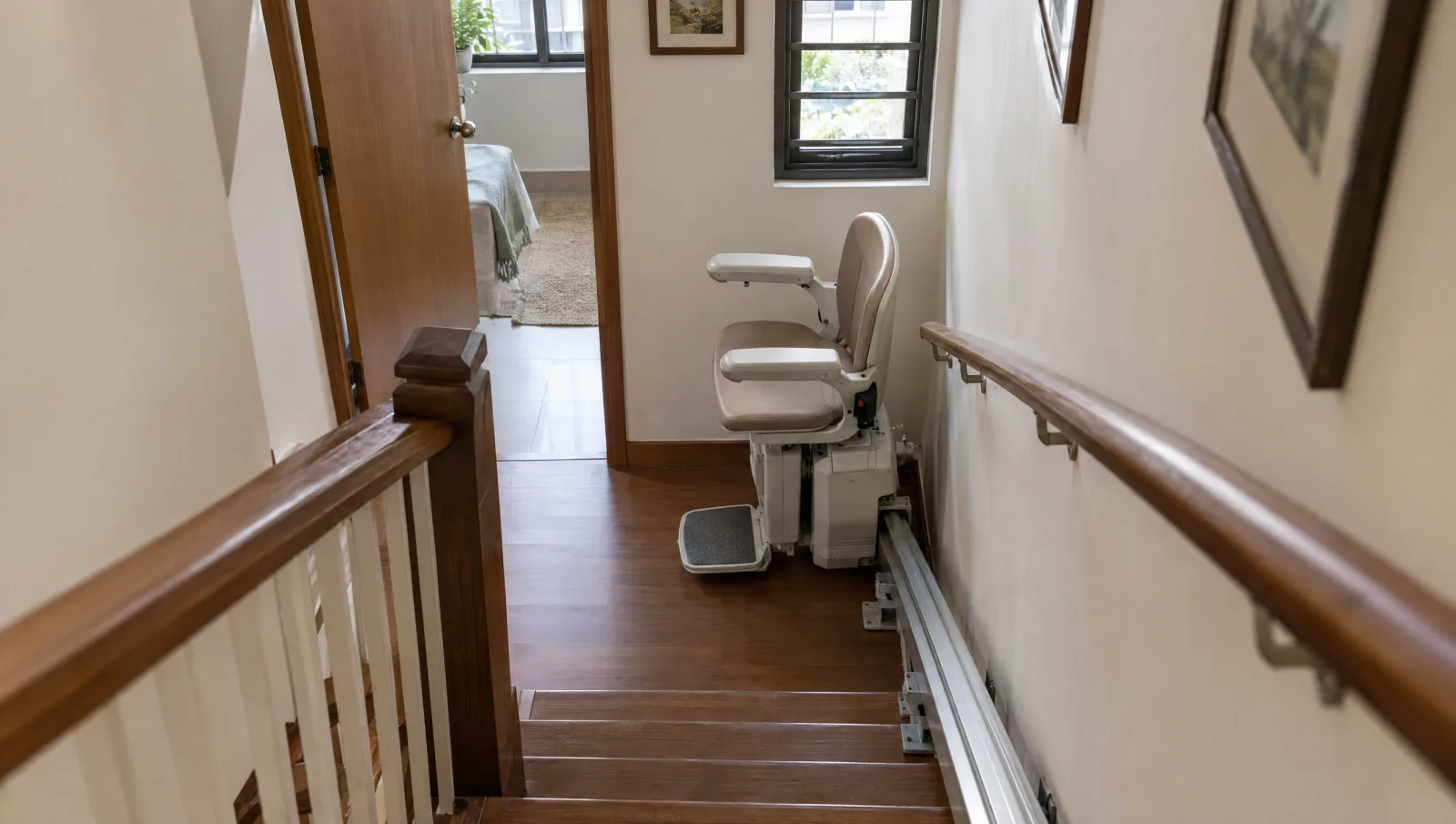
stairlifts · 8 min read
Is Your Staircase Too Narrow for a Stairlift?

staircase-renovation · 5 min read
4 Under-Stair Storage Ideas That Put the Space to Work
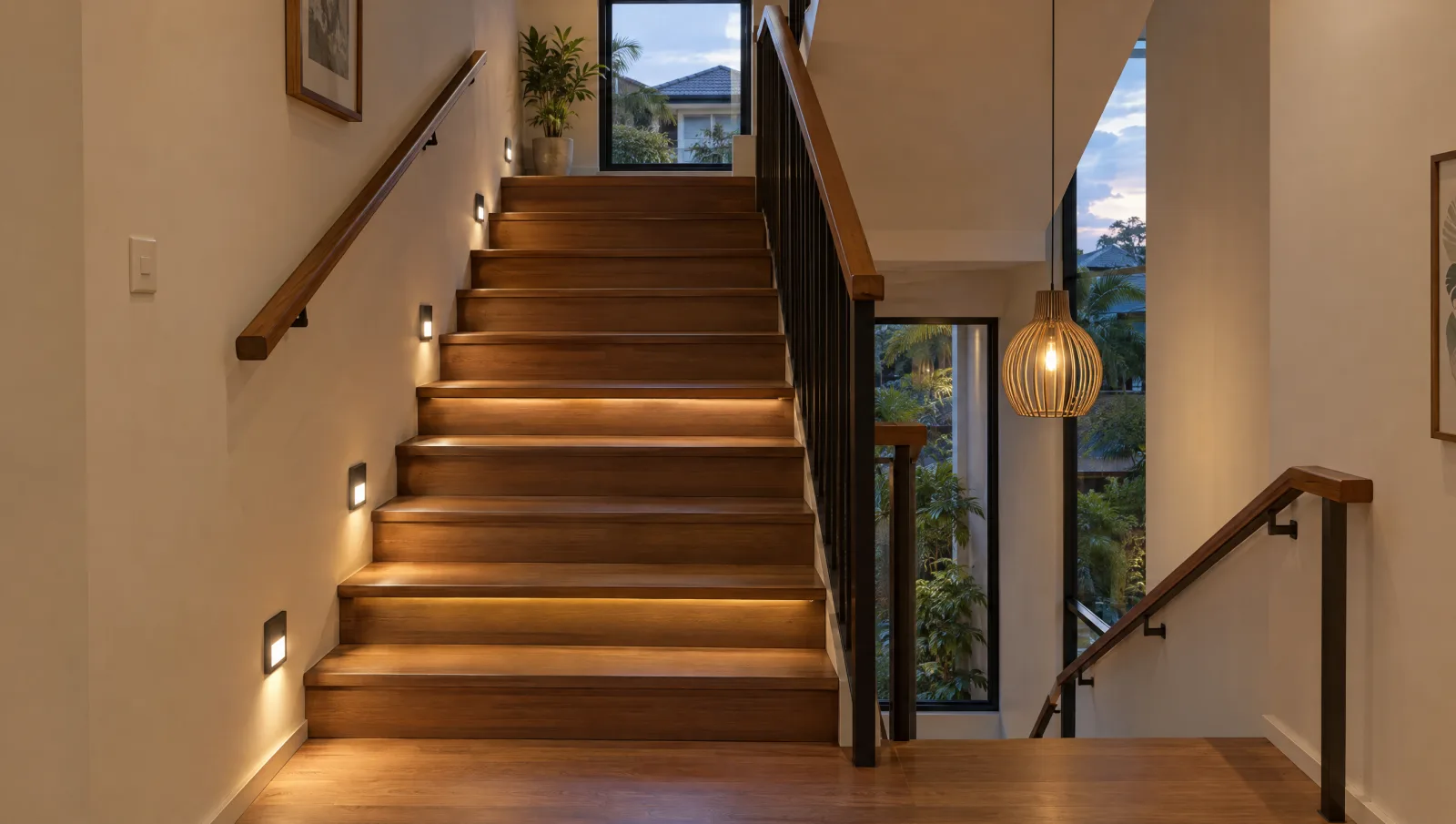
staircase-renovation · 5 min read
4 Staircase Lighting Ideas: Steps, Walls and Pendants

staircase-renovation · 4 min read
5 Staircase Railing Ideas: Glass, Timber, Metal and More

staircase-renovation · 11 min read
Does your staircase renovation need BCA approval?
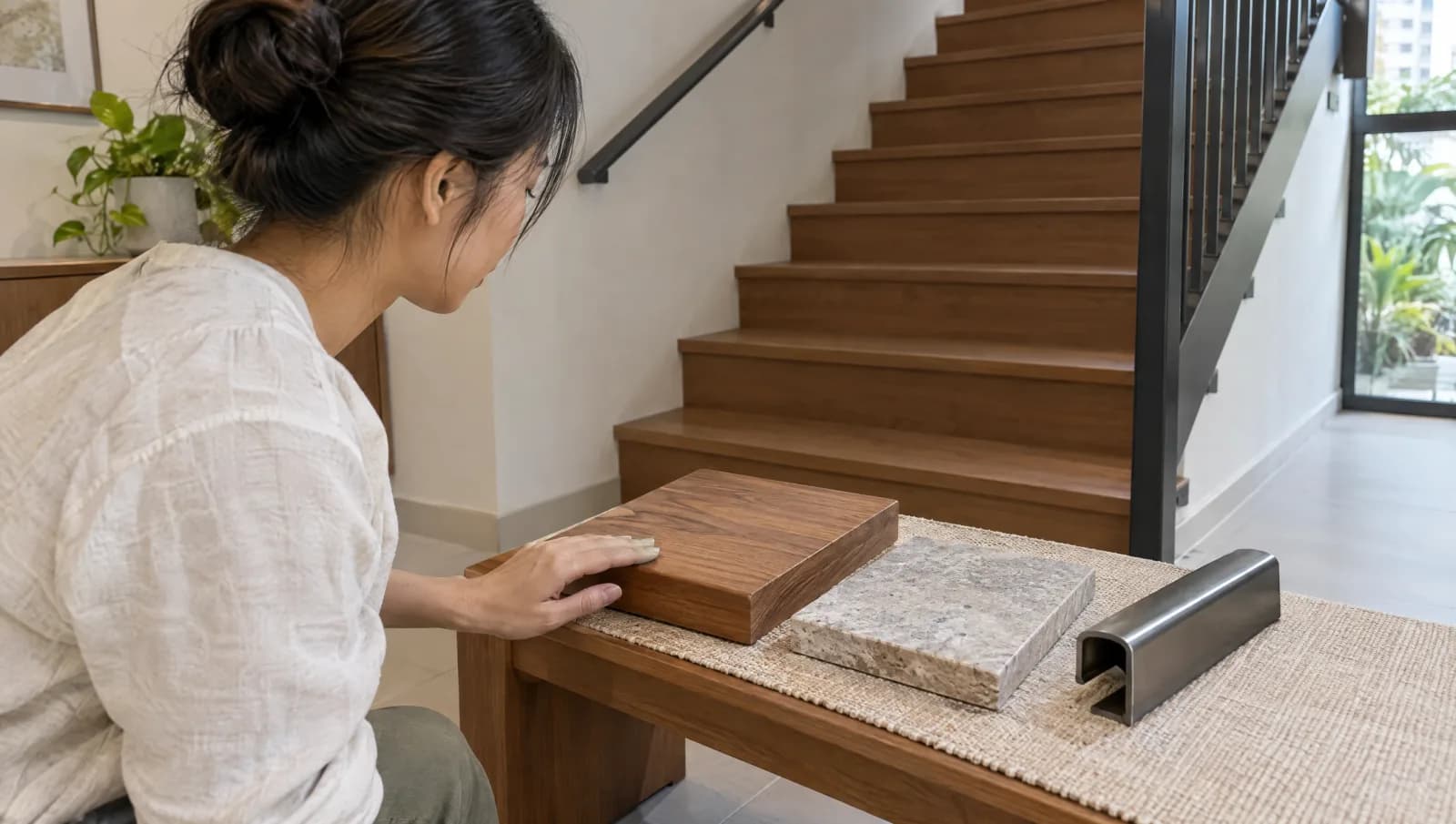
staircase-renovation · 6 min read
Staircase Materials Compared: Look, Feel and Maintenance
Still deciding? Compare options & estimate cost
Side-by-side comparisons and an instant cost estimate for your Singapore home.
Related guides
Buying Guide
Home Lifts in Singapore: A Landed Home Buying Guide
Compare home-lift suitability, landing space, building works, quotations, BCA owner duties and ongoing care before choosing a system.
Buying Guide
Stairlifts in Singapore: A Practical Buying Guide
Choose a stairlift around the user, stair geometry, landing access and local aftercare. Compare rail layouts, quotations, safety and handover.