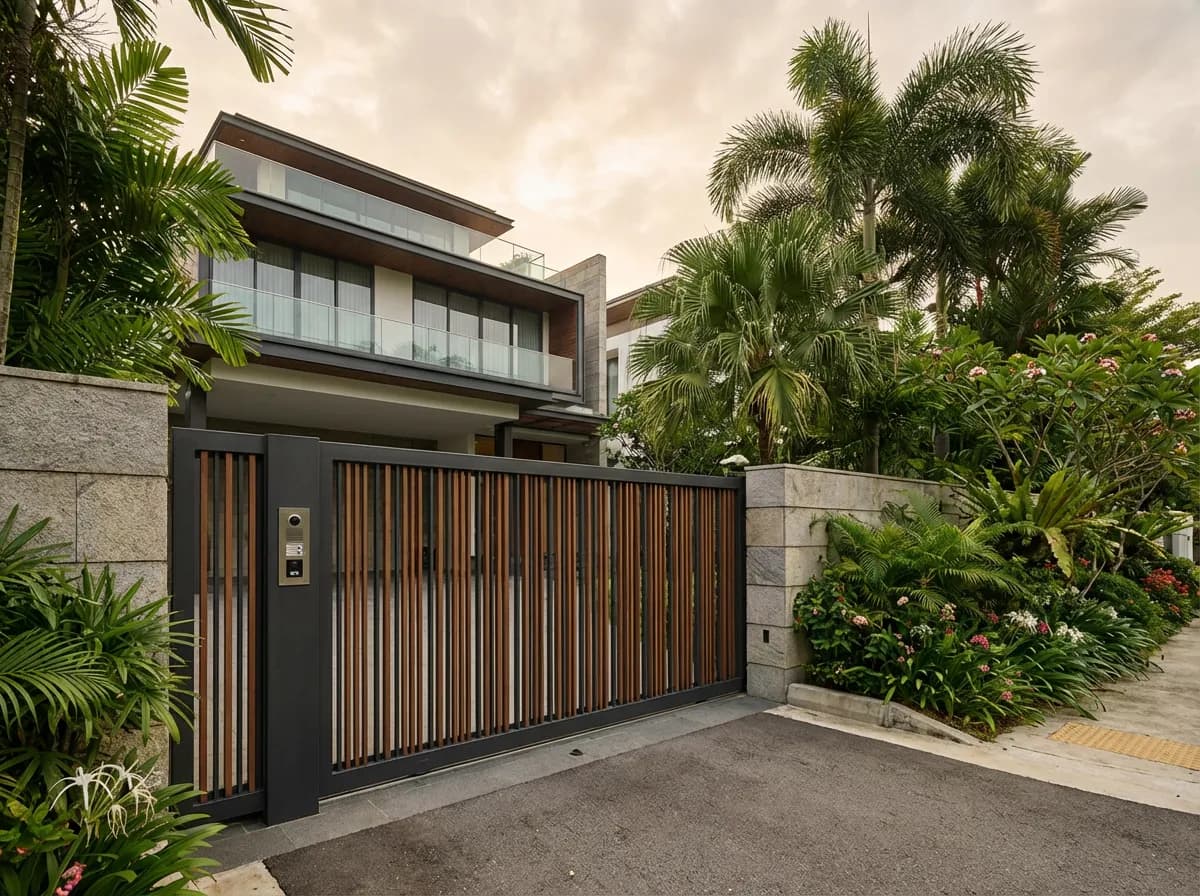
For a Singapore landed home, choose a swing auto gate if it has room to open beside your parked car, or a sliding gate if it can move along the boundary. Before buying, check that the motor suits the gate, the remote control does what you need and you can get in during a power cut.
An autogate is a gate that opens and closes using a motor instead of being moved by hand. The complete automated gate system includes the gate, its supports, the motor, controls and protective devices. For an auto-gate installation or replacement, start with a drawing that shows where the gate moves, where the car parks and how someone on foot reaches the house.
That drawing helps separate the essential work from optional features. A motor-only quotation, a new gate with automation and a rebuilt entrance buy different things; read about auto gate prices in Singapore when comparing their scope. Keep the same gate design and access requirements in every quotation.
Choose swing or sliding from the driveway plan
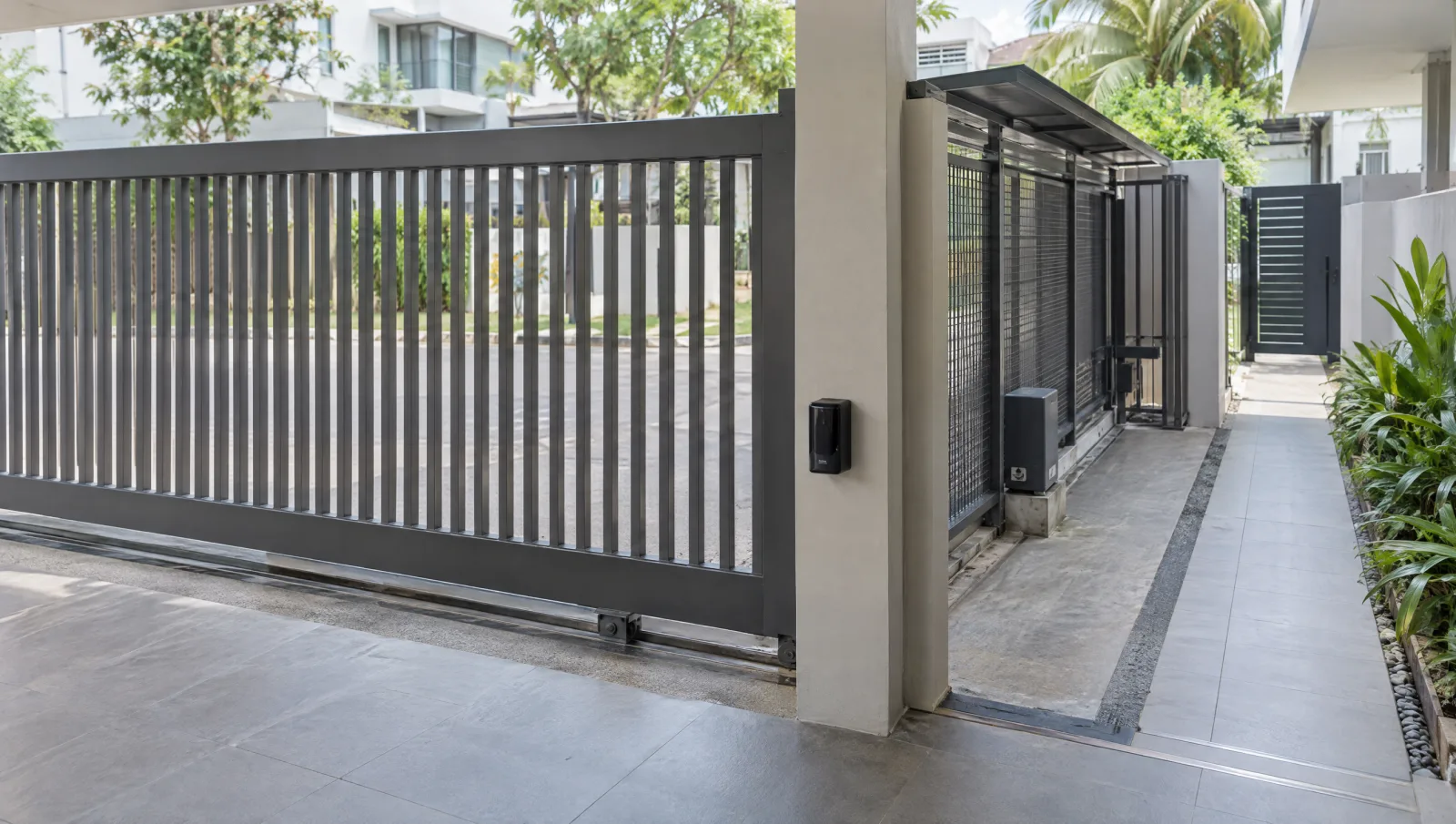
Swing, sliding, folding and telescopic gates are the types to compare for a landed home. A swing gate pivots into an arc, so it needs clear space in front of the parked car as it opens. A sliding gate moves sideways along the boundary into a run-back area. It avoids that inward arc, but the full leaf still needs somewhere to go; a short driveway alone does not establish that sliding will fit.
We recommend comparing swing first where the full opening arc stays clear of parked cars and the walking route. Where parking uses that space, compare sliding if the boundary has sufficient clear run-back. If neither fits, have a folding or telescopic proposal drawn in its intermediate positions as well as fully open and closed, so its claimed space saving can be checked.
For landed houses, LTA’s pedestrian-gate guidance recommends a dedicated entrance that swings inward to avoid obstructing pedestrians and cyclists on the footpath. That footpath concern is also a reason to have the designer confirm the driveway gate’s swing direction for your actual access proposal. Give them the footpath, roadside drain, gate-post and vehicle-turning positions as well as the opening width, and have changes to the entrance or road connection checked against current requirements.
Put the intercom waiting position and parcel handover point on the drawing too. Then consider an ordinary arrival: a car waiting to enter while someone comes home on foot. The swing versus sliding gate comparison develops the space tradeoff; the site plan must resolve how both people use this particular entrance.
Compare metalwork, finish and repairability
For your landed gate design, start with how much of the entrance you want people to see through. Open bars leave a view through the gate, while closer slats or solid panels give more privacy. Take the pattern you like into the landed gate design and installation plan, so the drawing shows it on a gate that fits your driveway.
Aluminium, coated steel and stainless steel describe the material, but leave the construction and finish undecided. Ask for the relevant grade, section sizes, fabrication details and finish system alongside a sample of the appearance you want. This gives you something specific to compare in the aluminium versus mild-steel gate guide.
For a home exposed to coastal air, irrigation or frequent wetting, ask the fabricator to explain the proposed finish, care instructions and repair method for that exposure. Include joints, water traps and contact between different metals in that discussion. Ask how damaged panels and finishes can be repaired; a maintenance-free label without supporting terms gives you nothing to hold the fabricator to.
Privacy infill belongs in the final gate specification before motor selection because wind on close-boarded swing gates can affect the motor’s operation. The HSE guidance used here is UK safety guidance on how gates behave physically, not Singapore law. Have later infill changes assessed with the motor and supports.
| Metalwork decision | Specification to request |
|---|---|
| Material | Type, relevant grade and section details |
| Finish | Preparation, coating or surface finish, care and repair method |
| Drainage and joints | Details that avoid trapped water and allow inspection |
| Privacy infill | Finished weight and exposure considered in drive selection |
| Future repair | How hinges, rollers, panels and finishes can be serviced |
Size the drive for the finished gate and its use
An opening command tells the controller to run the motor that swings or slides the gate. The controller also responds to the connected protective devices, so its settings and connections affect how the gate stops or reverses when protection is triggered. Have the installer explain the response for the system being offered.
Request the exact motor and controller models and the manufacturer's selection limits for the finished gate. For example, one swing-gate motor’s installation manual requires checks of the gate structure, hinges and friction before installation. That is a model-specific example of why a weight rating alone cannot settle suitability; the installer should show the corresponding checks and limits for the proposed equipment.
A useful selection explanation connects the equipment to your drawing: the dimensions and weight of each leaf, the mounting positions and how often the household expects to open it. Give the installer the busiest expected sequence of arrivals and departures as well as the daily total, then ask how it fits the proposed model’s operating limits. This is more useful than choosing the largest advertised motor.
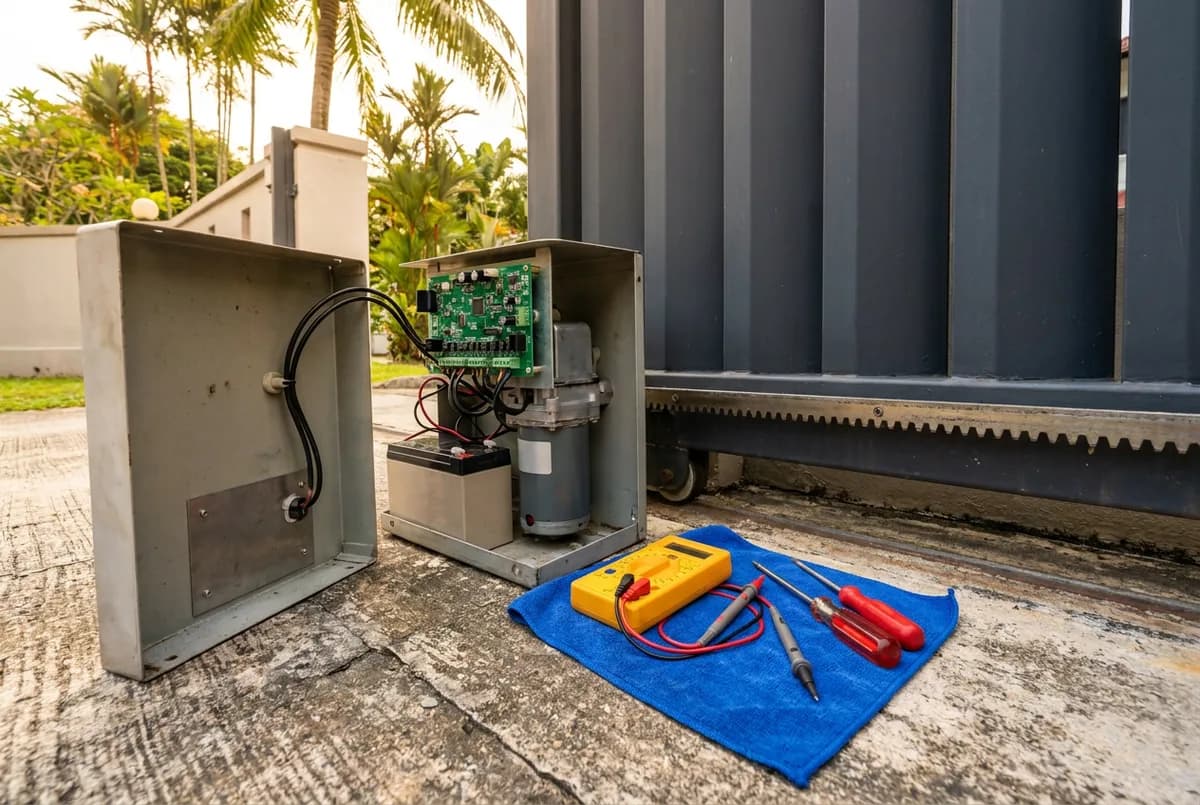
For an existing manual gate, ask whether its supports, hinges or rollers and movement are suitable before agreeing to automation. If there is stiffness or damage, have the cause and repair scope established first; a new drive is not a diagnosis. For an already automated gate with a fault, start with the auto gate repair guide.
Agree accessible positions for the controller, cabling and enclosures, with protection appropriate to the installation. Once the layout and equipment requirements are known, the auto gate motor-brand guide helps organise a shortlist. Ask who can support the exact model locally and obtain its manuals and replacement parts.
Specify access roles and offline operation
An opening command can come from a remote control, a wired button or a compatible connected device, depending on what is installed. A radio remote sends its command wirelessly; wired controls use a cable connection. For example, a connected control platform can provide phone commands and gate-status monitoring through a compatible gateway, so confirm the controller and accessories needed for any phone features you want.
Opening and closing without leaving the car is the basic capability; phone control, visitor access and checking whether the gate is closed depend on the chosen equipment. Keep each requested feature on the quotation, with its controller, receiver, gateway and account requirements. The auto gate intercom and CCTV guide helps separate visitor communication from the command that actually moves the gate.
Connected access can involve several people with different permissions. One connected-control platform distinguishes installer, owner or building manager, and end-user profiles. Keep household administration under your control so you can manage who has access, and agree installer access and temporary guest permissions separately where the chosen platform supports them.
Before accepting phone control, ask for a demonstration with the internet connection unavailable, followed separately by the power-cut procedure at handover. Record which remotes, buttons and intercom functions remain usable in each case. Confirm any gateway, data or subscription charges, and how a lost remote, former user or property transfer is handled.
For a connected device, Singapore’s Cybersecurity Labelling Scheme rates cybersecurity provisions. Check whether the exact proposed product is labelled and what ongoing app or firmware support is offered. Use that information for the digital-access decision; it does not answer the separate physical gate-safety questions below.
Coordinate supports, wiring and driveway works
The gate quotation should identify demolition, fabrication, pillars or supports, tracks, drainage, power, intercom cabling and reinstatement of disturbed finishes. Ask who assesses existing supports and any proposed structural changes. A gate replacement and alterations to the entrance should have their responsibilities made clear before either starts.
Under URA’s landed-property guidance, gates and other enclosures not higher than 1.8 metres do not require planning permission. That exemption addresses the enclosure, not every associated job: the same guidance separately requires planning permission for proposed earthcut or earthfill. Have the designer check the whole project, including any changed road access, rather than treating the gate-height rule as approval for all works.
Where the project installs, repairs or modifies electrical wiring, EMA says the work should be carried out or supervised by a Licensed Electrical Worker. Name that responsibility in the proposal and check the worker's licence before work begins. Do not assume that a gate-equipment quotation has included a new power supply or the work needed to provide it.
Agree when vehicle or pedestrian access will be unavailable and how the entrance will be secured between stages. Ask for the temporary walking route and work-area separation to be shown before trenches or support works begin, so the household can get in and out without crossing the work area. Use the auto gate installation planning guide to connect fabrication, preparatory work, installation, commissioning and making good without relying on a standard completion promise.
Evaluate hazards across the full travel
The hazards change as the gate moves: a closing edge can strike someone, a hinge gap can trap them, and a sliding leaf can create shear points beside a fixed fence. HSE guidance explains these hazards and the need for a site-specific combination of protective measures.
Many photocell beams are designed mainly to stop a gate closing on a vehicle and can be stepped over. A clear beam therefore does not establish that a person is clear of a hinge gap or the area behind a sliding gate. Ask how the installer protects those other positions; a sensor listed in the quote does not cover every hazard.
Sensing edges react to contact at the edge; force control limits the force exerted by moving parts. The controller’s response and the way the protective components work together also matter. Ask the installer to explain each protective measure on the drawing and provide the relevant commissioning results, including force-test records where force limitation is used, so you can see what was checked at your gate.
Have the installer demonstrate the protective functions without using a child, pet or body part to test an obstruction response. One swing-gate motor’s safety instructions say to stay out of its operating area while it is moving. Wait until the gate has stopped moving before walking or driving through, and teach that rule alongside the remote controls.
| Area | What to discuss at the survey |
|---|---|
| Closing edge | Where impact or crushing could occur and how the response is tested |
| Hinges or folding joints | Whether closing gaps can be reached and how access is prevented |
| Sliding run-back | Where the leaf passes fixed fencing and how that area is guarded |
| Pedestrian route | Where people enter and wait, clear of the moving gate |
| Remote operation | How the protective system responds to a command sent without a view of the entrance |
Compare the complete installation and ongoing costs
An auto gate price depends on what is being retained and what is being built. Establish whether the proposal covers automation of a suitable existing gate, replacement metalwork and automation, or changes to the entrance and supports. There is no defensible single figure for those different scopes; the guide to auto gate prices in Singapore takes the budgeting question further.
For each proposal, put gate fabrication, motors and controls, protective devices, civil work, electrical supply, old-gate removal and reinstatement on separate lines. Mark each line included, excluded or awaiting a price. If one total covers only equipment and another includes the driveway work, resolve those differences before deciding which is lower; count a bundled item once.
Compare ongoing commitments separately: the proposed maintenance schedule, covered tasks, chargeable attendance, replacement parts and any connected-access subscription. Keep an unpriced item visible instead of inserting an assumed allowance. This makes the immediate contract price and future service commitments understandable without pretending that every possible repair can be forecast.
Warranty length is only useful with coverage details. Separate metalwork, finish, drive, controller, accessories and workmanship; identify the issuer, start date, labour cover, attendance charges, wear exclusions and maintenance conditions. Agree who handles a claim when the motor supplier, fabricator and installer are different organisations, and what support remains after the warranty ends.
Demonstrate normal access and a power-cut plan
At handover, have the installer demonstrate normal vehicle and pedestrian access, the relevant protective functions and the installed model’s manual release. Include the adults who will need to use it. Agree where authorised people can find the release key and instructions without leaving them available to someone outside the property.
A manual release lets the gate be opened and closed by hand during a power cut, using the installed model’s procedure. For one swing-gate motor, the release instructions require the main power to be cut off and warn that a gate with mechanical faults or poor balance can move unexpectedly when released. Have the installer demonstrate the procedure and how to secure the gate afterwards; do not experiment during an outage.
If your gate stays locked and the normal control does not open it, use another authorised way in and contact the installer for help. Without the release key or the installed model’s instructions, do not force the gate or try to bypass its lock. The power-cut demonstration above is the time to learn the release procedure, before you need it.
Walk through three separate situations: the internet connection is lost but power remains; mains power is lost; and the gate has a mechanical fault. For each, record the agreed access route, what can still be used and whom to contact. If backup power is included, ask exactly which equipment it supplies and how its condition is checked; a battery on a quotation does not describe the whole access arrangement.
Collect model and serial records, manuals, electrical and control information, commissioning results, keys, remotes, owner account details and the maintenance contact. Keep outstanding items on a written list with the person responsible for resolving each one. The handover should leave the household able to describe its normal access and its agreed fallback arrangements.
Keep fault observations safe and useful
Use the installed system's maintenance instructions to agree the service schedule and the work covered. UK safety guidance calls for regular gate checks and maintenance, and for a dangerous gate to be taken out of use until addressed; it sets no Singapore servicing interval. A warranty headline does not set a universal lifespan or visit frequency.
Keep the gate’s path clear of stored items and its photocells free of overgrown plants, following the installed system’s care instructions. From a safe position, record dragging, unusual noise, inconsistent stopping or visible damage, together with when the change began. If the fault follows rain, note that timing and visible water exposure for the provider; it does not by itself identify the failed component.
Water ingress or damaged cabling and control boxes can affect electrical and operating safety. Keep away from a faulty gate and avoid repeated attempts to make it move. Do not open electrical enclosures or bypass sensors; leave inspection and adjustments to the appropriate professional.
Use the auto gate repair guide to prepare the fault history and equipment details for diagnosis. Keep service reports with outstanding recommendations, the warranty and the equipment records. Review access credentials when household arrangements change or ownership transfers, so the next person looking after the gate has its service history and control of digital access.
Pause a quote with unresolved movement or support issues
We recommend pausing a quotation if the drawing does not resolve pedestrian access, the supports have not been assessed, or the protective measures are listed without showing where they act. Ask for the missing design or assessment before choosing a more elaborate finish or app package. Those additions cannot answer an unresolved layout or equipment-suitability question.
Consider repair, manual operation and alternative drives
The tradeoff with an electric gate is ongoing servicing and repair costs, plus a plan for getting in if power or equipment fails. Regular checks and maintenance remain part of owning a powered gate, and the manual-release arrangement needs to suit the household. Include those commitments when deciding whether remote-controlled access is worth it to you.
A sound existing gate may be worth retaining, subject to the proposed automation’s checks. If a fault has prompted the purchase, compare the diagnosed repair with replacement before assuming the whole gate must go. A manual gate also remains an option where the household can use it comfortably and accepts opening and securing it by hand.
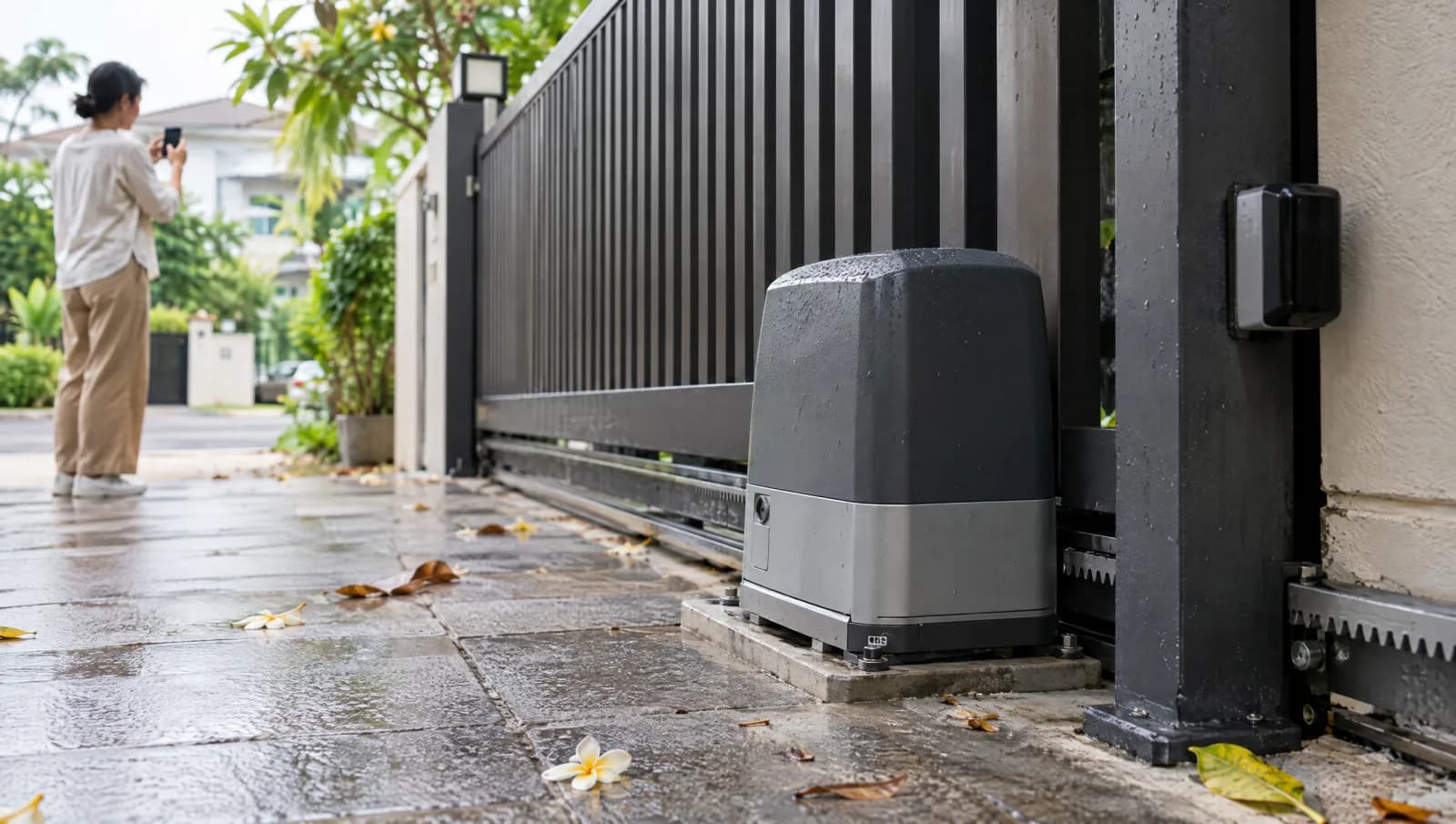
For an underground drive proposal, ask to see the housing, drainage provision and future service access on the drawing. For an exposed arm or sliding drive, ask where the equipment sits and how it can be reached for maintenance. Settle those questions before choosing a concealed drive, so you know how it will be reached for repairs.
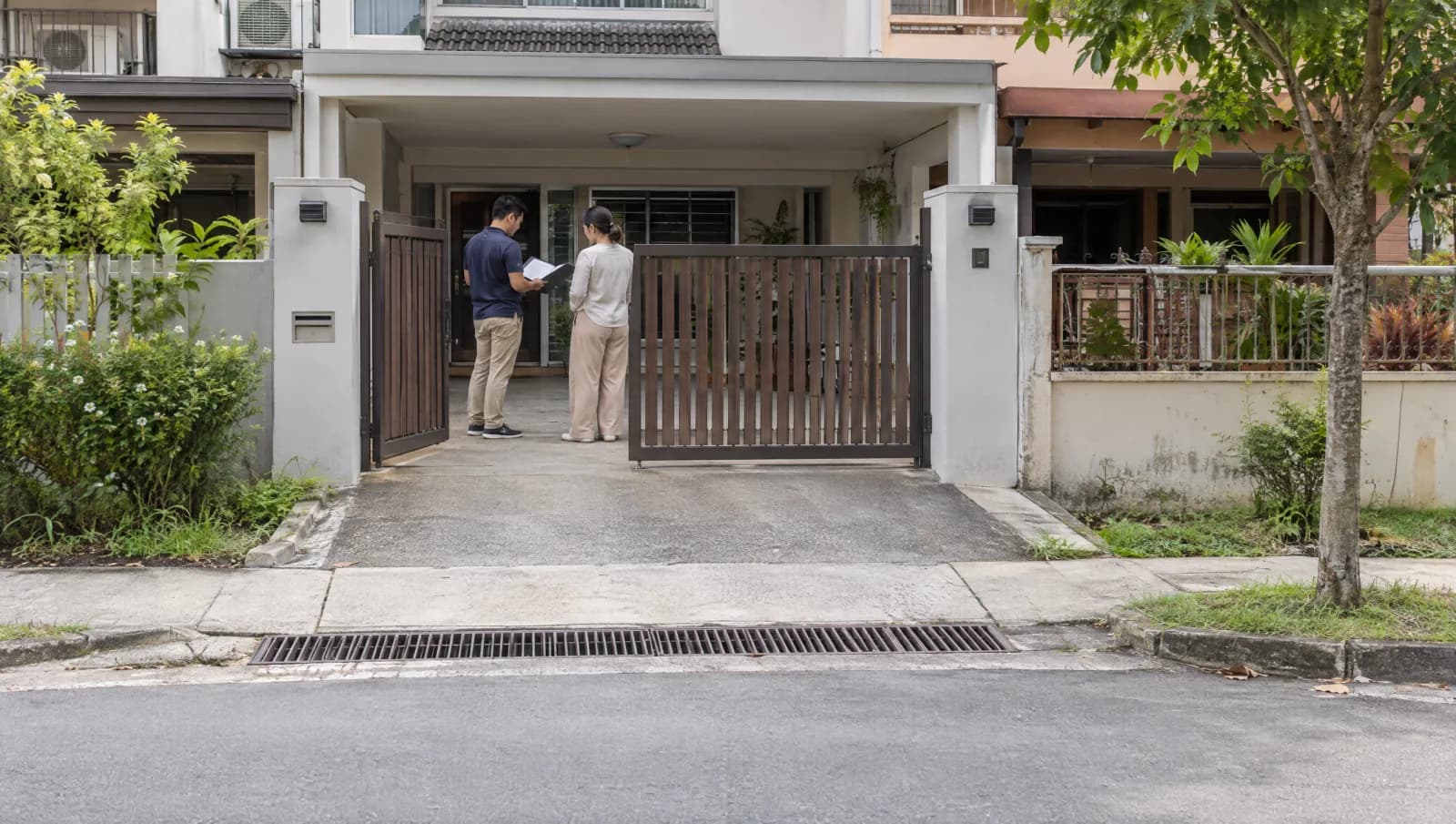
For your auto-gate project enquiry, bring photographs from both sides of the entrance, the opening dimensions, the usual parking position and any existing equipment model or quotation. Include how people enter on foot and the access problem you want to solve. These give the project discussion a concrete starting point before the final design and installation scope are agreed.
Regulatory compliance
Check which requirements apply to your proposed scope. Agree the responsible qualified professionals, submissions and inspections before work begins.
LTA (Land Transport Authority)
LTA’s landed-house pedestrian-gate element recommends a dedicated entrance and inward swing to avoid obstructing footpath users. Have the designer confirm the driveway gate’s swing direction for the actual access proposal.
Primary source: www.lta.gov.sg/content/dam/ltagov/who_we_are/statistics_and_publications/quick_guide_for_development_proposals/quick_guide_3.pdfURA (Urban Redevelopment Authority)
Distinguish the enclosure-height planning exemption from associated earthworks and the rest of the proposed project.
Primary source: www.ura.gov.sg/guidelines/property-and-business-owners/property/renovating-private-residential-property/land-titled-residentialGlossary
- Movement envelope
- The space occupied by every part of the gate while opening and closing.
- Run-back
- The area into which a sliding gate moves when opening.
- Manual release
- A model-specific means of disengaging the powered drive, used according to the instructions.
- Photocell
- A sensing device with a defined detection arrangement; it does not protect every gate hazard.
Frequently asked questions
Is a larger motor always better?
No. Match the proposed drive to the finished gate and its installation limits. One swing-gate motor’s manual requires checks of the structure, hinges and friction; ask for the equivalent selection and installation checks for your proposed model rather than buying by its advertised weight rating alone.
Can a manual gate be automated?
Potentially, if the gate and supports are suitable and the automation is designed for them. Model-specific installation checks cover the structure and how the gate moves. Have existing damage or stiffness assessed before accepting a motor-only proposal, and include the protective measures for the completed installation.
Does a photocell protect every part of the gate?
No. Many photocell beams are intended mainly to prevent a gate closing on a vehicle and can be stepped over. They do not establish that every hinge gap or area behind a sliding gate is clear, so ask how those places are protected. Wait until the gate stops moving before passing through, consistent with one swing-gate motor’s instruction to stay out of its operating area while it moves.
Do I need planning permission for a gate?
URA’s general landed-property guidance exempts gates and other enclosures not higher than 1.8 metres from planning permission. That does not establish approval for all associated work. Check proposed earthcut or earthfill and changes to the driveway’s road connection separately with the designer.
If you read nothing else
Talk through the options for your home
Tell us what you want to change, how your household uses the space and when you hope to start. Share photos or plans on WhatsApp if you have them.
Browse all auto gates articles →
Go deeper: auto gates articles
In-depth pieces that expand on the sections above: real costs, brand and system comparisons, the installation process, and the edge cases most homeowners hit.
auto-gates · 8 min read
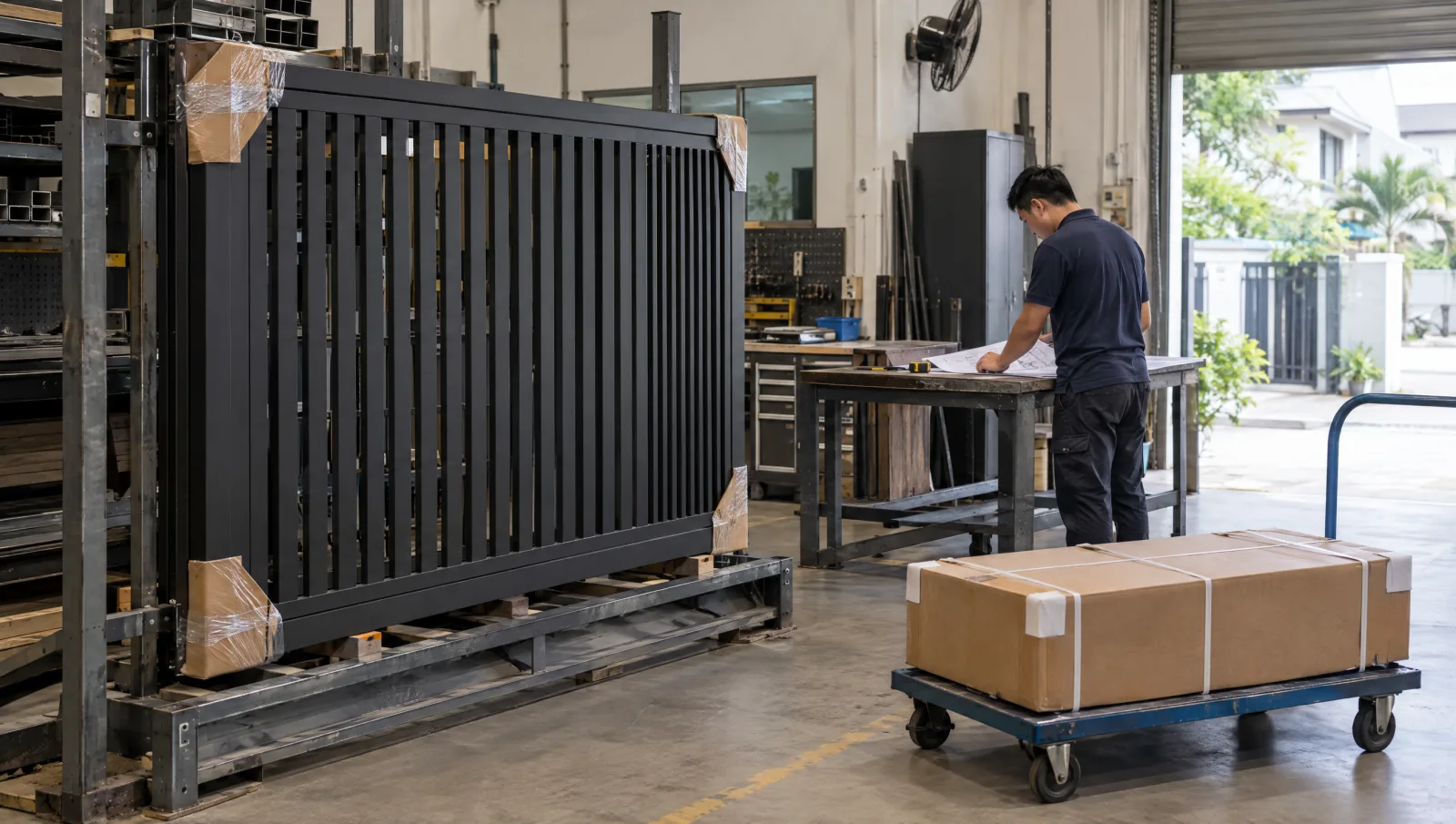
Auto Gate Installation Timeline: From Measuring to Fitting

auto-gates · 6 min read
304 vs 316 Stainless Steel Gates: Is 316 Worth More?
auto-gates · 6 min read
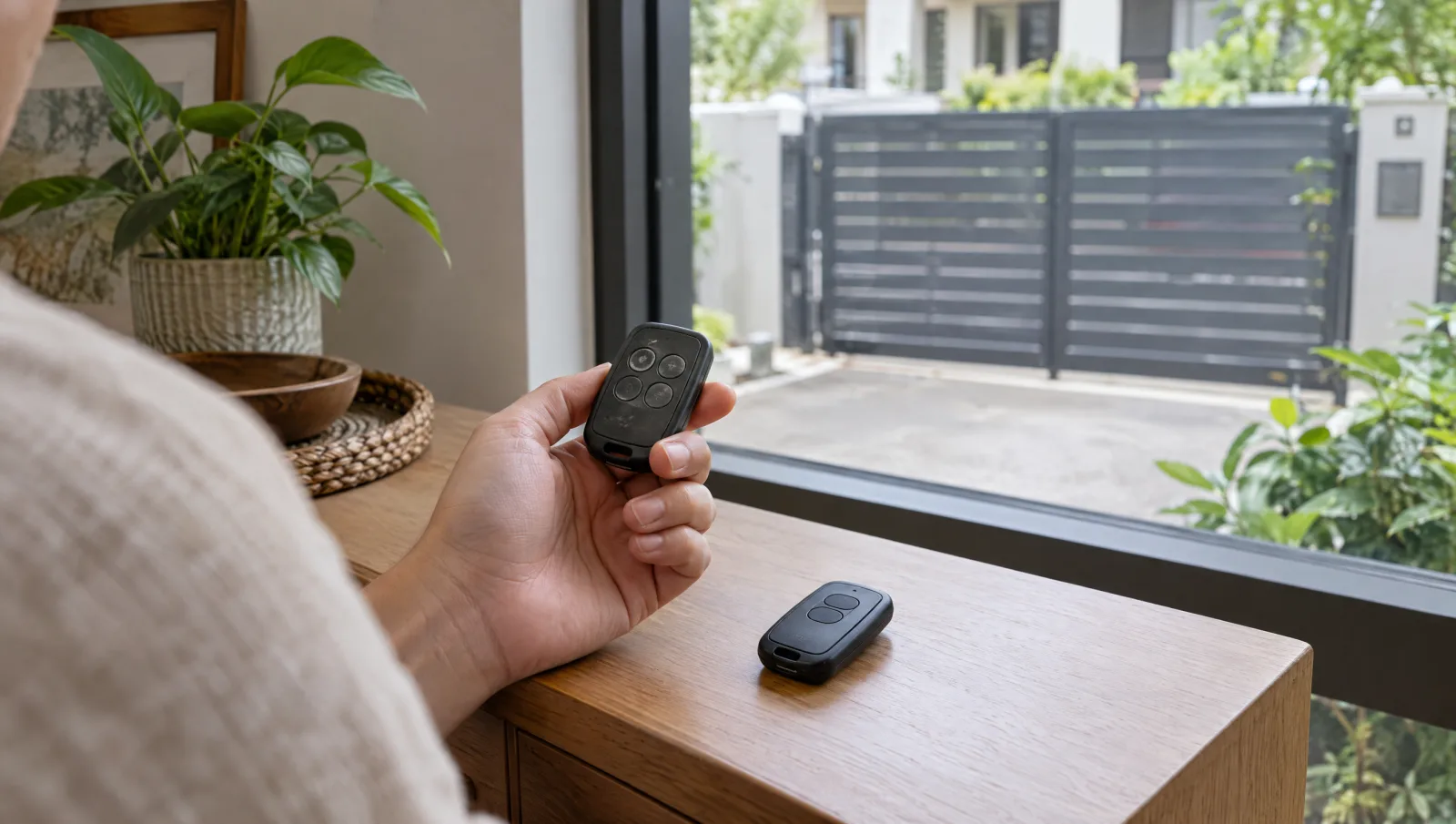
Auto Gate Remote Not Working? Causes and Replacement Options
auto-gates · 8 min read
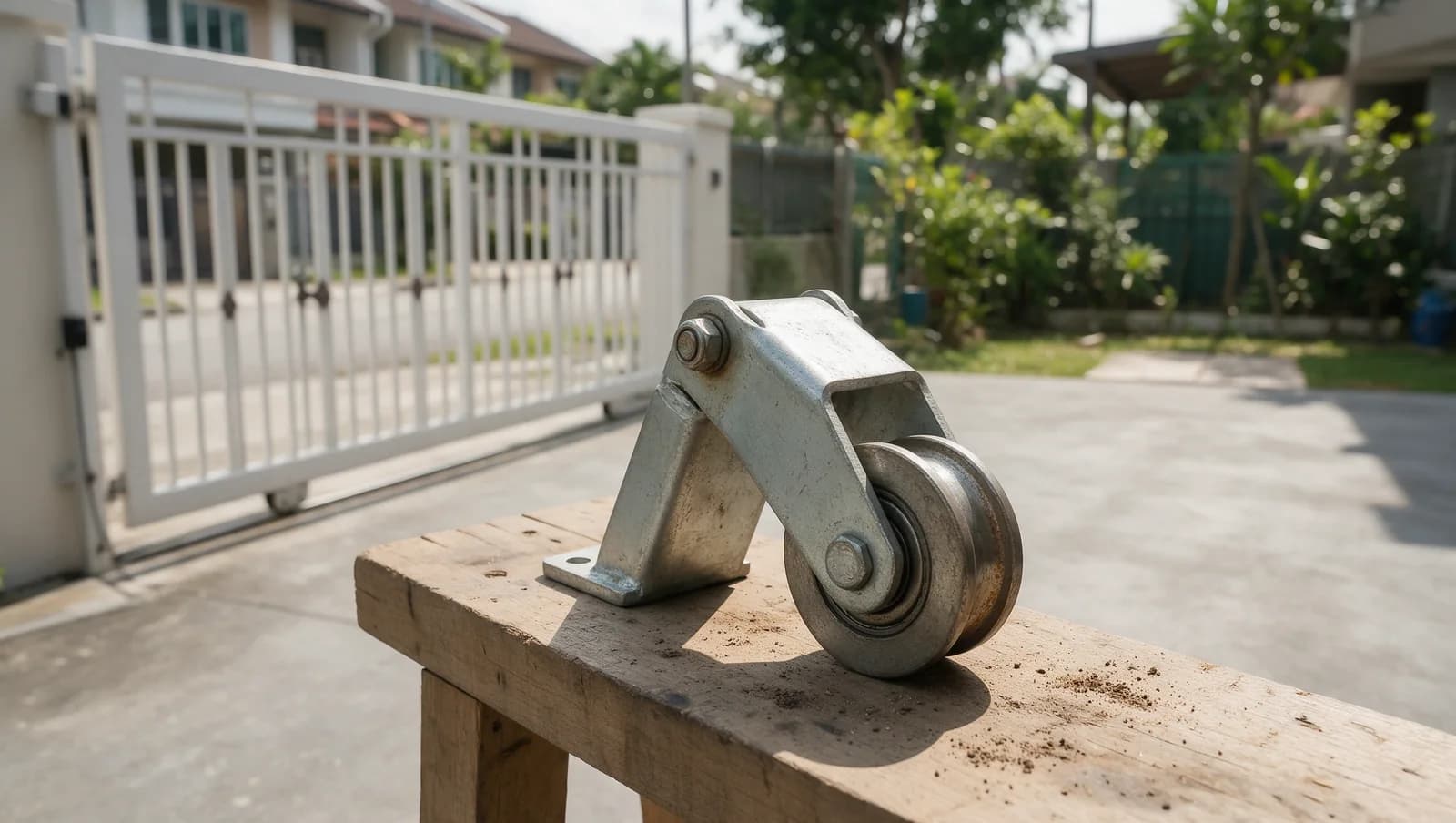
How to keep auto gate repair costs down
auto-gates · 8 min read
Auto Gate Trouble: Repair, New Motor or Full Replacement?
auto-gates · 7 min read
Auto Gate Sensors: 3 Safety Assumptions to Avoid
auto-gates · 4 min read
Auto Gate Maintenance Checklist: What to Check and When
auto-gates · 7 min read
Auto Gate Installation in Singapore: Do You Need Approval?
auto-gates · 4 min read
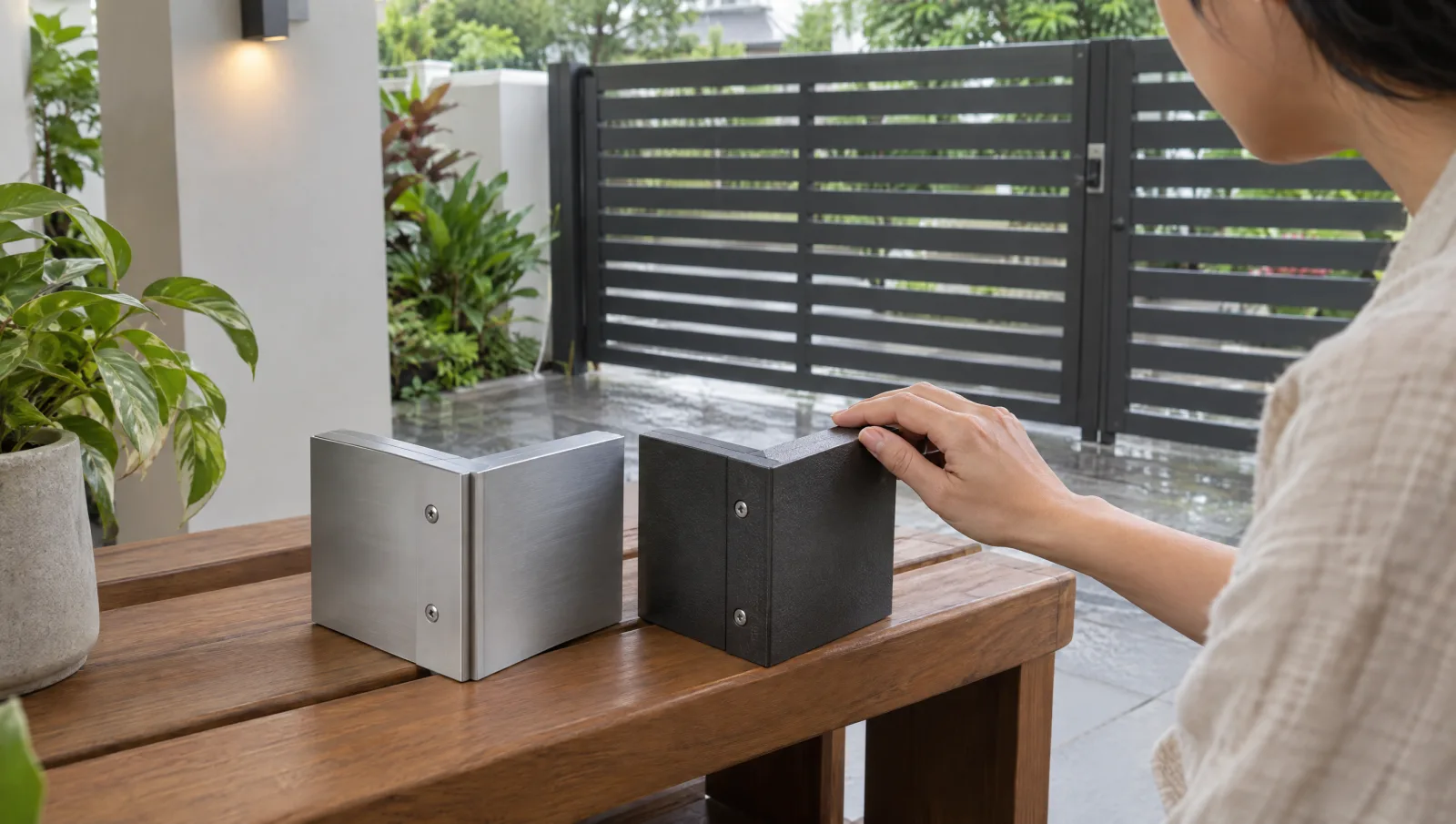
Aluminium vs Mild Steel Gates: Which Is Easier to Maintain?
auto-gates · 7 min read
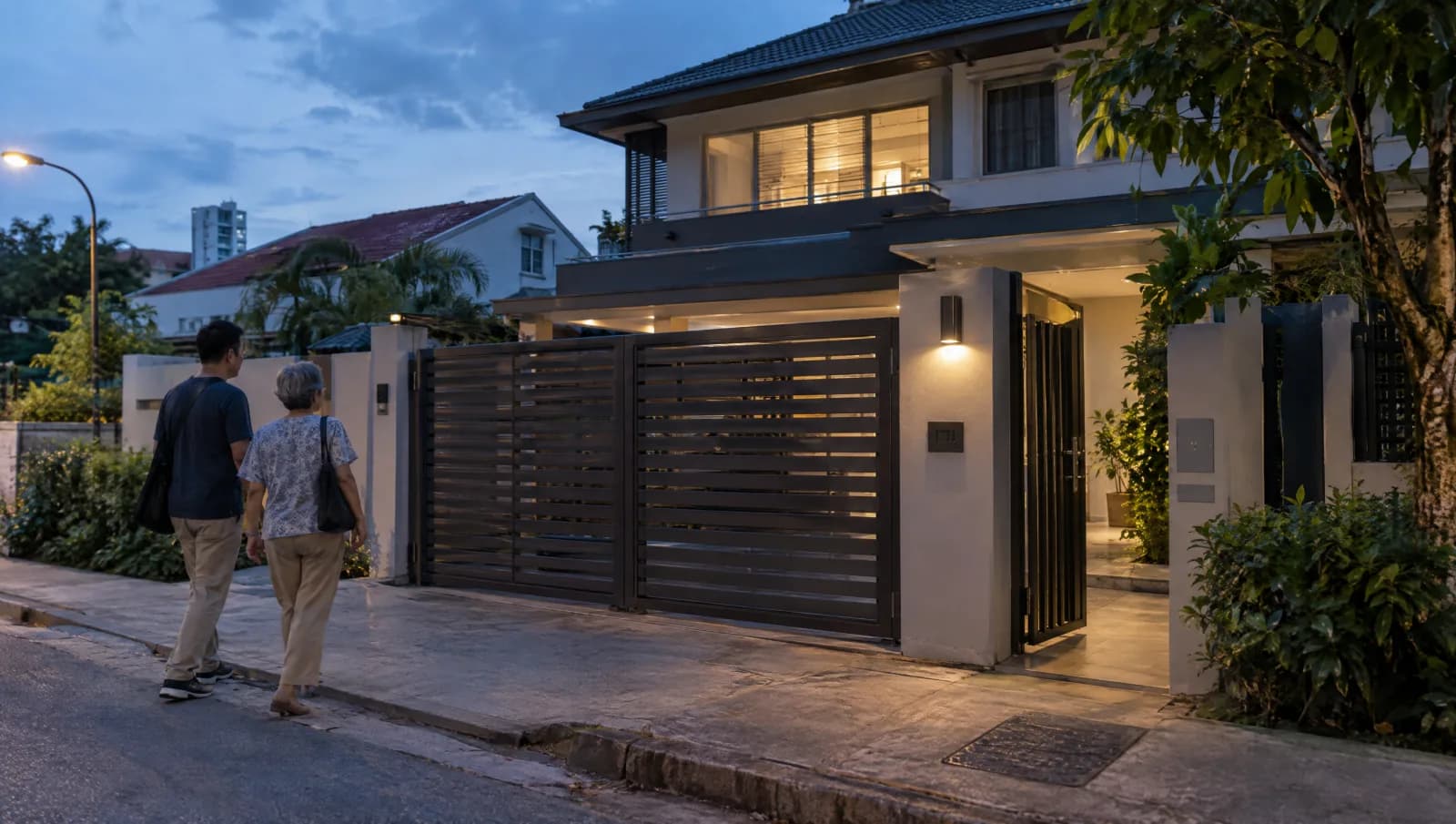
Auto Gates During a Power Cut: Can You Still Get In?
auto-gates · 8 min read
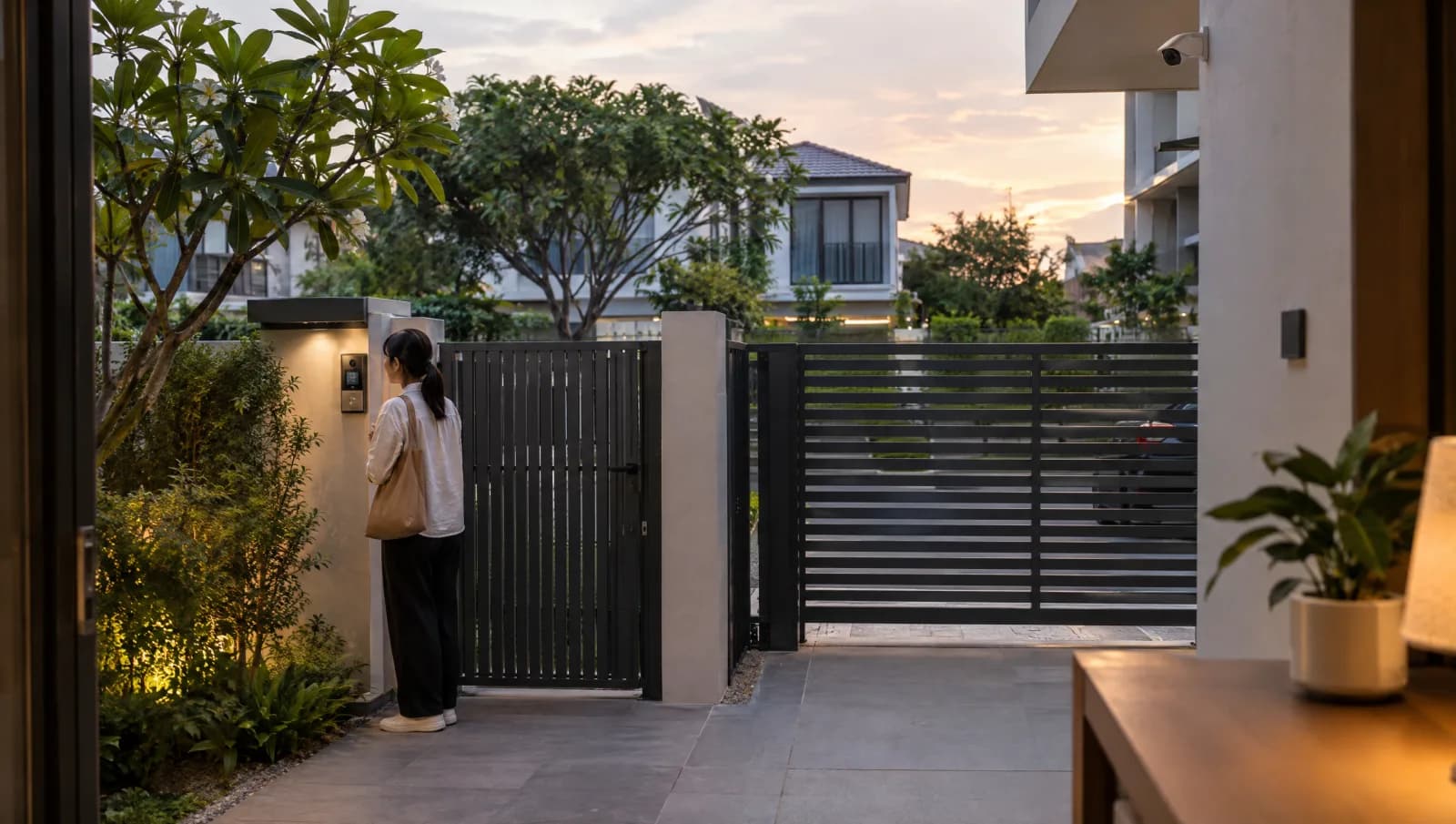
Can you add an intercom and CCTV to your auto gate?
auto-gates · 7 min read
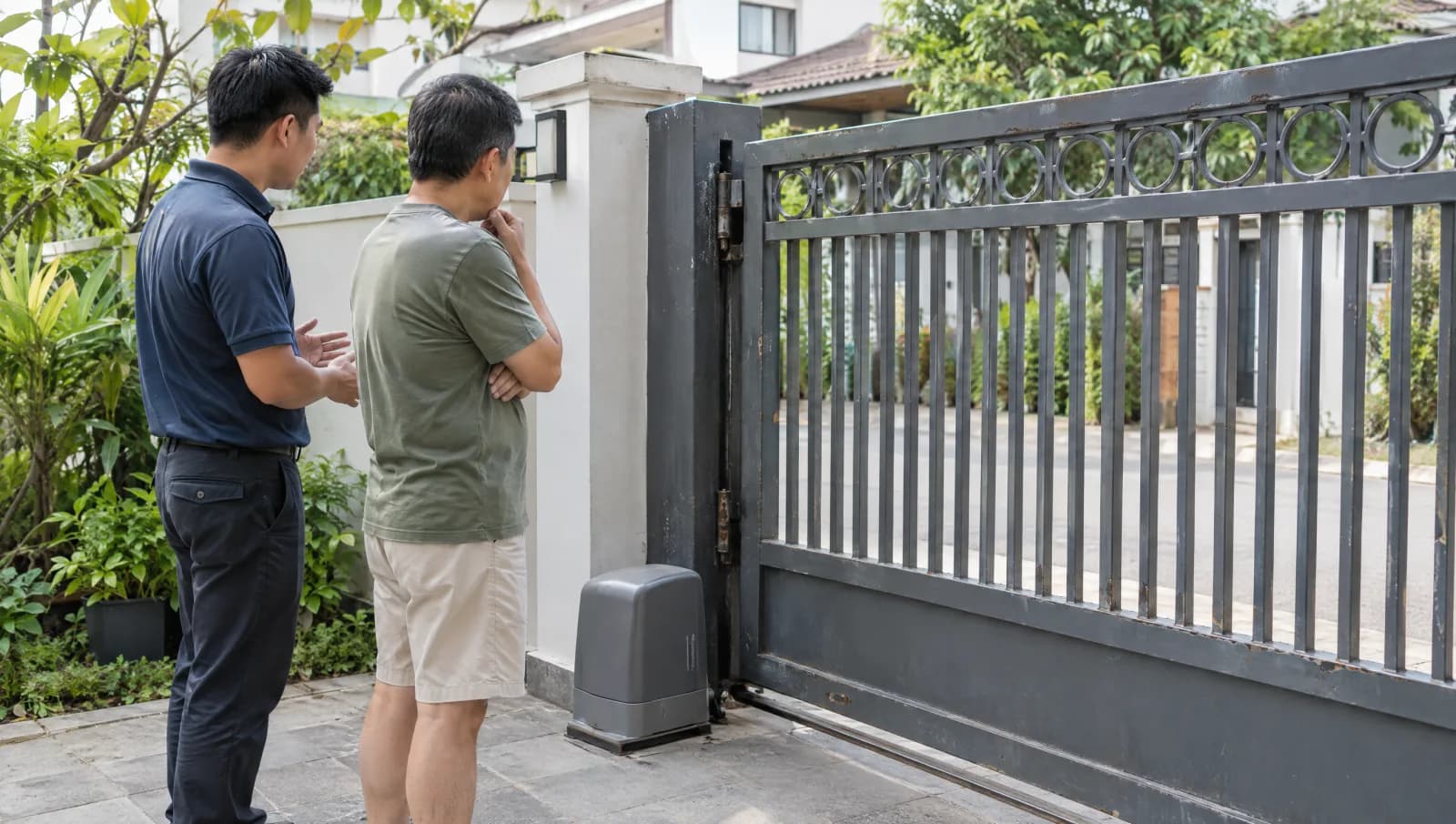
Auto Gate Cost in Singapore: New Gate vs Motor Upgrade
Still deciding? Compare options & estimate cost
Side-by-side comparisons and an instant cost estimate for your Singapore home.