On this page
View In PDFAuto gate maintenance starts with noticing changes during ordinary use: a new sound, uneven movement or a control that no longer works reliably. Record those changes and arrange the appropriate servicing. The checklist below separates safe external observations from the mechanical, electrical and protective-system work that belongs to a technician.
Why Maintenance Is Cheaper Than Repair
Maintenance can identify wear, misalignment and damage before they interrupt operation. It also checks that the gate's protective functions still work as intended. A smooth opening cycle alone does not establish that the installation is safe.
Use the manufacturer's schedule and the technician's assessment of the actual gate. Owner observations and professional servicing are different tasks. There is no single fifteen-minute routine or annual price that covers every installation.
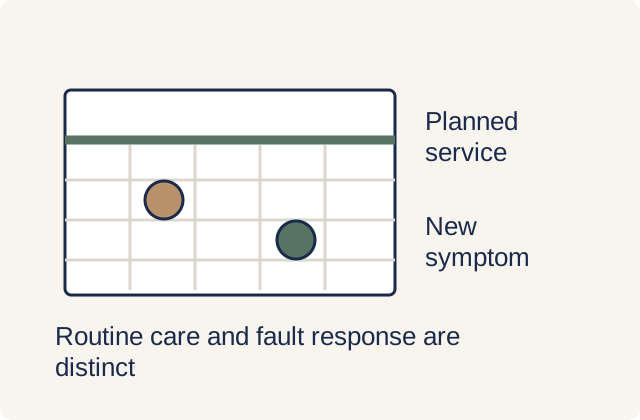
For a gate covered by the ROBUS owner manual, professional maintenance checks are recommended every six months under normal domestic use. The interval can change with intensity of use, so a busy shared entrance may need earlier attention. Have the technician match the schedule to the installed operator and accessories, then shorten it where the observed wear or site conditions warrant it.
During ordinary use, notice changes each time you operate the gate; accessible cleaning follows the owner instructions. A new fault, impact or sign of water damage needs a separate call instead of waiting for the next six-month visit. Record the next service date after every professional visit.
A gate can continue moving while a hinge loosens, a guide wears or a protective device becomes unreliable. The motor's ability to open the gate is therefore only one observation. Servicing checks the support and movement as well as the controls, and distinguishes cosmetic deterioration from faults that could affect stability or trapping protection. The owner contributes useful history by reporting when a sound, speed or behaviour changed, while the technician establishes the cause.
Safe Owner Observations
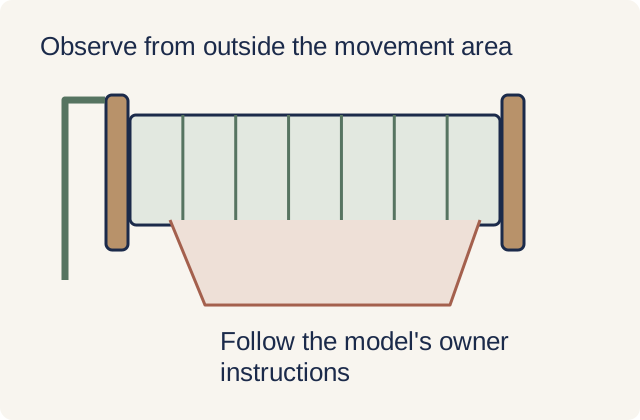
Keep clear of the movement area and look for visible damage, loose fittings or blocked sensors while the gate is stationary and secured according to its instructions. Follow the manufacturer’s owner guidance for accessible external cleaning and remote-battery replacement. Leave obstruction, force and safety-device testing to a competent technician; never use your hand or body to test a moving gate.
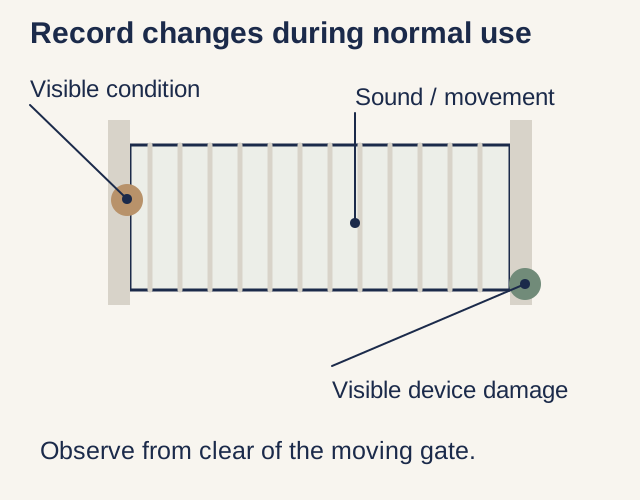
Record changes in sound or movement from a safe position and tell the technician when they began. Do not continue cycling a gate that behaves abnormally just to obtain a clearer video. Keep people and vehicles away until the fault has been assessed.
Cleaning and Lubrication Depend on the Model
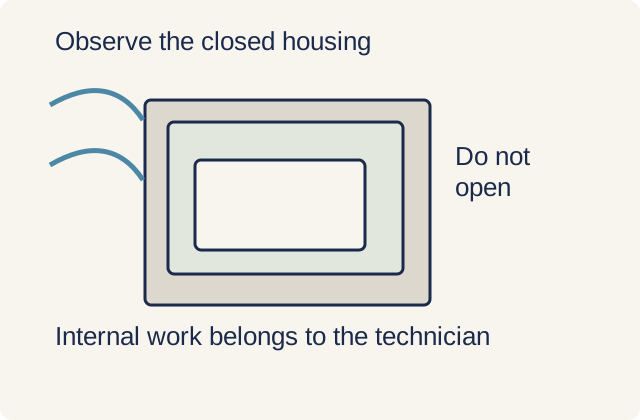
Lubrication and adjustment depend on the gate and operator model. Follow its maintenance instructions rather than applying a general-purpose spray to every moving part. Have the technician identify which tasks the owner can safely perform and which require isolation, tools or access to the mechanism.
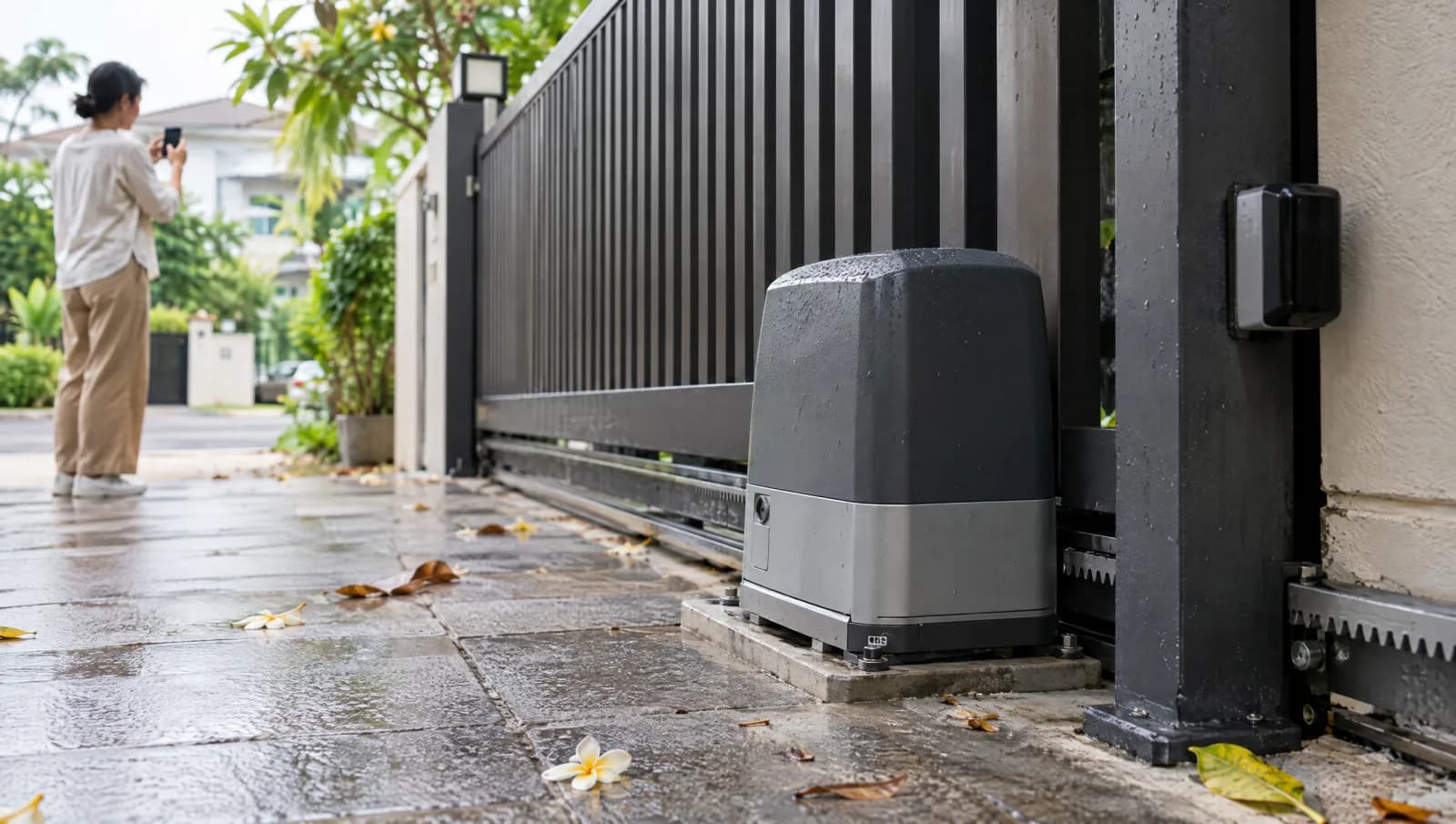
Inspect the outside of the housing from a safe position for damage or signs of water ingress. Do not open the housing or touch wiring. If it is damaged, wet inside or behaving abnormally, keep people clear and contact the maintenance technician.
What Professional Servicing Should Cover
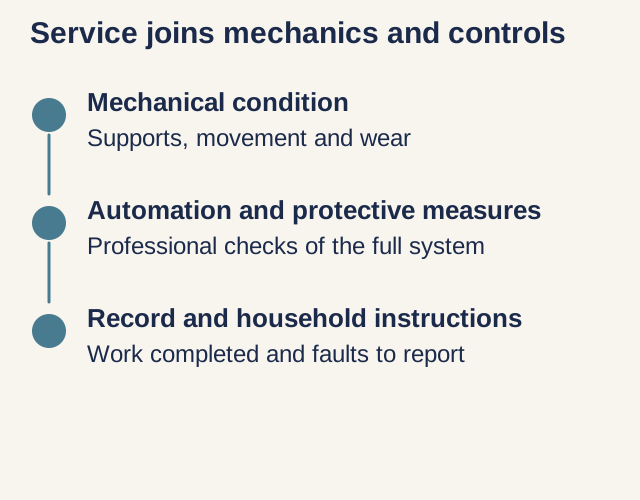
Have a competent technician service the gate at the intervals appropriate to its model, use and conditions. The scope should cover mechanical condition, controls and installed protective devices, with electrical work handled by suitably licensed personnel where required.
Ask for a record of findings, work completed and any outstanding safety issue. Confirm charges for routine servicing and excluded repairs in advance. If the technician identifies a dangerous condition, agree how the gate will be kept out of use until repaired.
Warning Signs To Act On Immediately
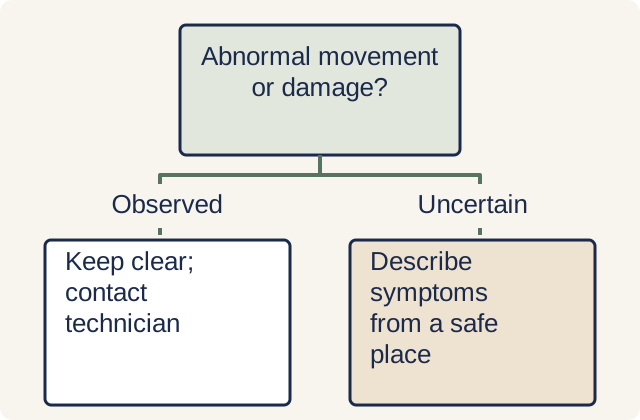
Unexpected movement, hesitation, failure to stop as intended, loose supports or signs of electrical damage need assessment. Similar symptoms can have different causes, so do not adjust sensors or open the control housing to diagnose them yourself.
For burning smells, smoke or apparent electrical danger, keep clear. Isolate power only from a dry, safely accessible control if it is safe to do so, and seek urgent professional help. Stop ordinary use of a faulty gate until the technician has made it safe.
Booking Service Through DirectHome
Send DirectHome the gate details and description of the fault to discuss the work required. Confirm whether a maintenance or diagnostic visit is available and what it includes before booking. A generic service allowance does not establish the price for your model.
Keep the owner's manual and existing maintenance records available for the responsible technician. The agreed service contract should identify the provider, visit scope, exclusions and emergency arrangements so the household knows whom to call.
Auto Gates across Singapore
Need help with your project?
Tell us what you need on WhatsApp and send a few photos. We'll arrange a free site assessment, then give you a fixed-price quote within 3 to 5 working days.