On this page
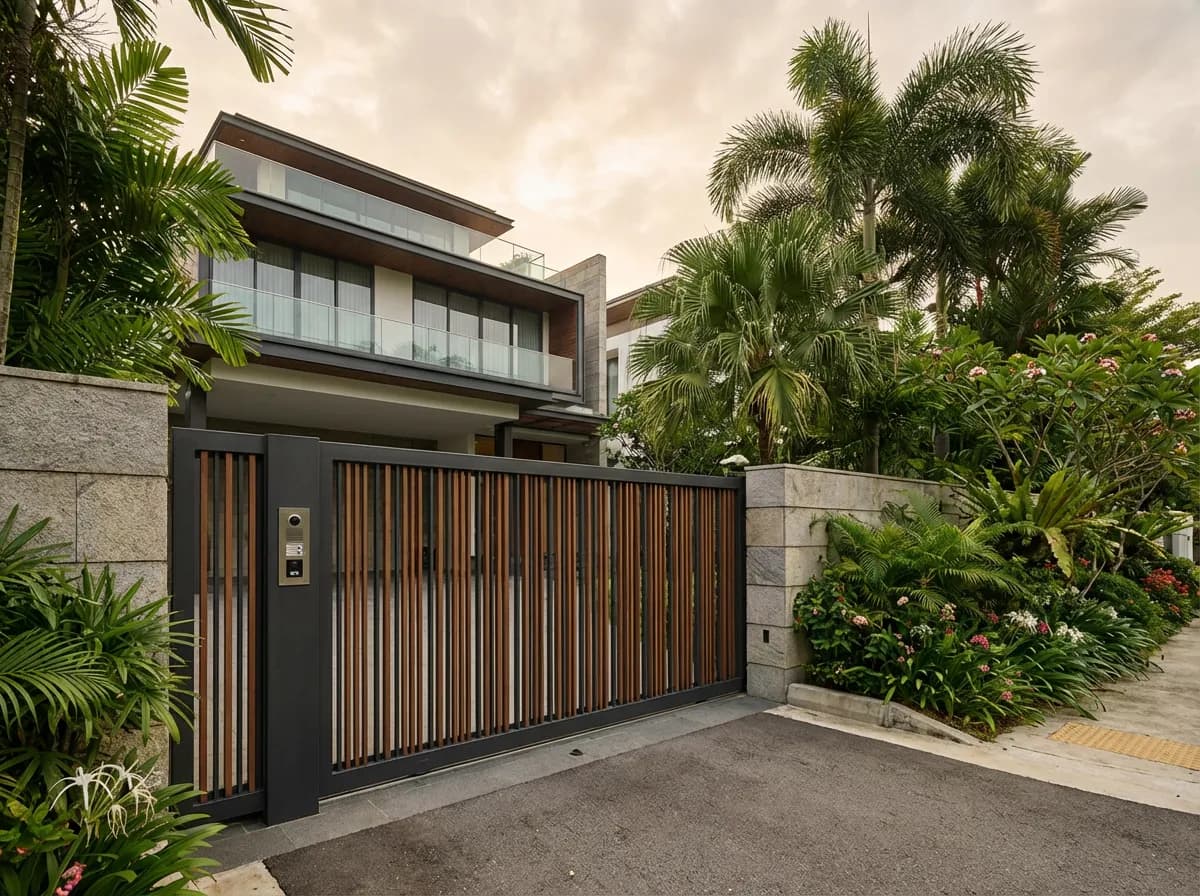
View In PDFAn auto gate needs to work with the space where you park, the way vehicles enter and the people walking past it. Decide how it will open before choosing its appearance. Materials, motor, controls and electrical work then need to suit that layout, so the finished gate is practical to use as well as good to look at.
Why Install an Auto Gate?
An automatic gate provides controlled vehicle access without manually moving the gate for every trip. Its usefulness depends on the driveway layout, reliable operation and a safe installation. Treat any property-value benefit as uncertain rather than part of the purchase calculation.
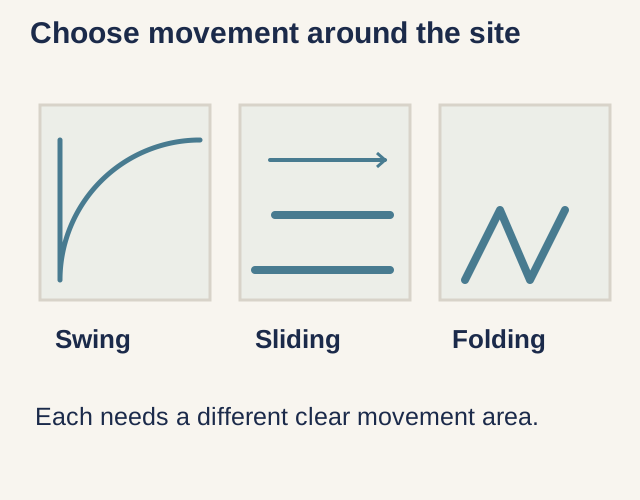
Decide which access functions you need, such as an intercom, remotes or a compatible app. Then have the installer assess the gate's movement area and controls together. Convenience features do not replace mechanical and electrical safety.
Types of Auto Gates
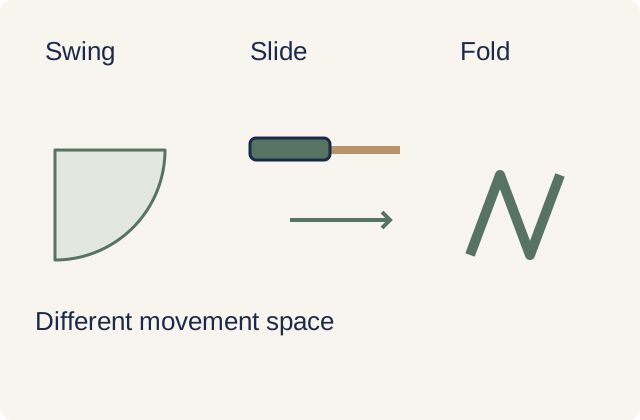
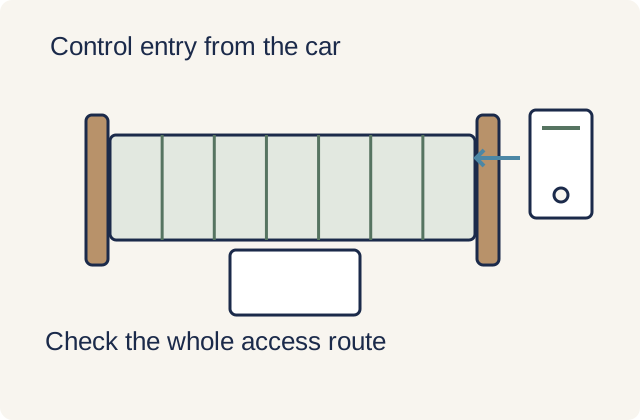
Swing gates turn on hinges and need a clear arc within the permitted property area. Check the slope, parked-car positions and approach before deciding the direction of swing. The apparent opening width does not show every clearance needed.
Sliding gates move laterally beside the opening, on a track or another designed support arrangement. They can suit limited driveway depth where enough side space is available. A sloping travel path creates additional retention and control questions; sliding does not automatically make a sloped driveway suitable.
Folding gates reduce the sweep of individual leaves but introduce additional hinges and trapping points. They may suit constrained layouts after assessment. Compare the full movement envelope and guarding rather than assuming minimal clearance in every direction.
Materials and Design
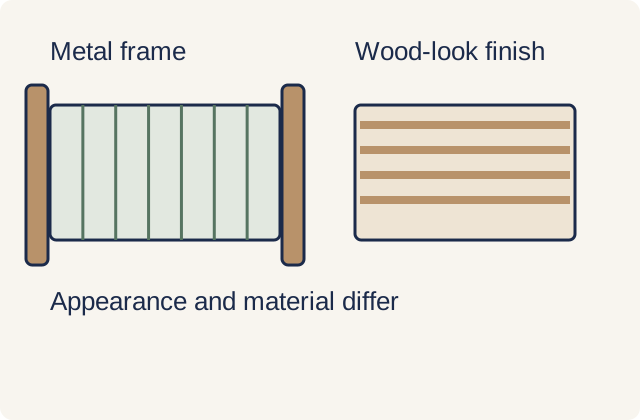
Aluminium offers low density and useful corrosion resistance, with different finishes available. The design still needs suitable sections, joints and compatible fixings. Confirm the proposed coating and cleaning requirements instead of treating it as maintenance-free.
Mild steel needs effective corrosion protection and ongoing care. Stainless steel also requires a grade and finish suited to the exposure and regular cleaning. Compare the complete fabrication specification and maintenance plan.
Timber gates provide a different appearance and need species, finish and joint details suited to the exposure. Timber-look aluminium is another option, with its own coating-care requirements. Compare actual fabrication and maintenance rather than assuming the appearance determines upkeep.
Cost Breakdown
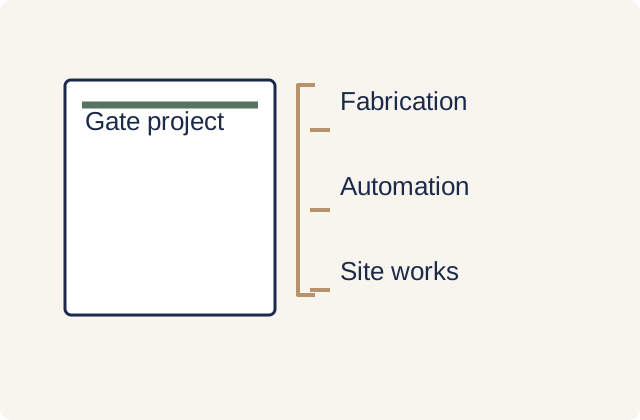
Separate fabrication from the operator, controller, installed protective devices, electrical supply and groundwork. Identify whether supports and accessories are being retained. A motor retrofit and a new fabricated gate cannot be compared as the same cost scope.
The programme depends on fabrication, access, electrical work and any new supports. Allow the specified curing and strength before loading masonry or concrete. Confirm the period without a working gate and any temporary access or security arrangements.
Safety and Compliance
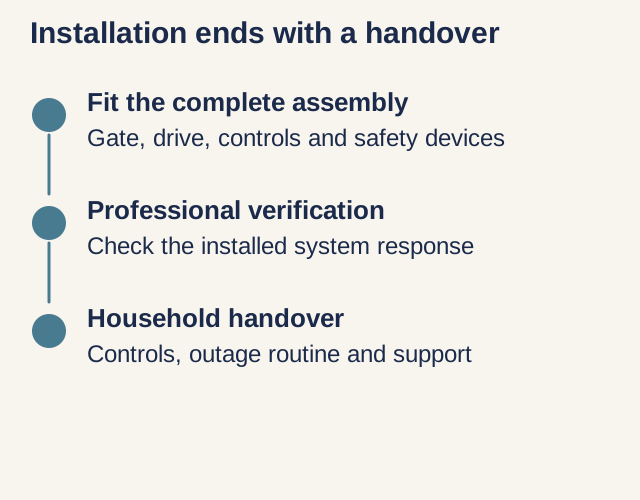
Have a competent installer assess the complete moving gate and select the necessary mechanical and electrical protection. Photocells, force control and safety edges have different functions and limits. Obtain commissioning records, operating instructions and maintenance arrangements.
Check the actual proposal's BCA, URA and road-access requirements, including any works to posts, walls or the entrance. Keep the gate's movement within an approved arrangement; an outward swing must not be assumed acceptable merely because it can be held open.
Send DirectHome safe photographs and the planned access changes to discuss the installation scope. Confirm assessment availability and charges before booking.
Auto Gates across Singapore
Need help with your project?
Message us on WhatsApp and we typically reply within 2 hours, then arrange a free site assessment and a no-obligation quote.