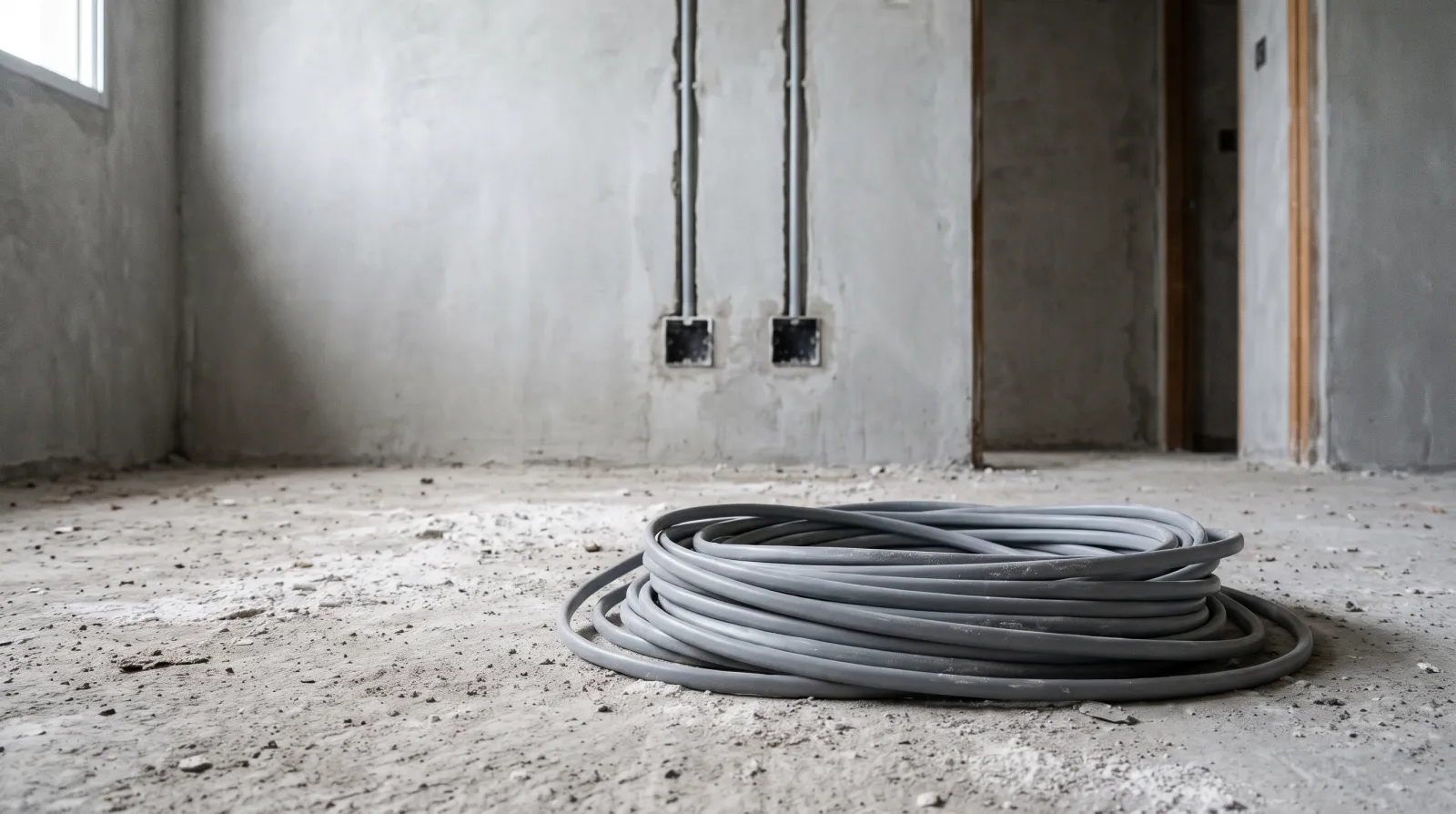
Under Singapore's Electricity Act, only a licensed electrical worker (LEW), or someone they supervise, may carry out electrical work, with a few exceptions. That takes in rewiring, work on your distribution board (DB box), new power points and a circuit for a new hob. The price follows how many points and circuits change and how the cables run.
So before anyone quotes, work out what you want each room to do and which appliances need their own circuit. If you'd rather one firm arranged and supervised the whole job, that's what our electrical works service is for.
Housing and Development Board (HDB) flats have their own rules for electrical works, which this guide doesn't cover.
Who may do electrical work in your home or office
A licensed electrical worker, or someone acting under one's supervision. Section 82 of the Electricity Act says an individual must not carry out electrical work otherwise, and that as an owner or occupier you must not knowingly engage anyone who isn't permitted to do it.
The Act's idea of electrical work includes installing or repairing an installation, altering its structure, and replacing or adding any part. Its exceptions, subject to any other written law, include replacing a lamp connected in your own electrical installation, or any fuse in your own electrical installation similar to that of a household.
Our article on whether you need a licensed electrical worker for home wiring takes that question further.
Three classes of licence, each with its own limits
A licensed electrician is one of three classes of LEW, alongside the licensed electrical technician and the licensed electrical engineer. Regulation 5 of the Electricity (Electrical Workers) Regulations sets what each class may do, by voltage and approved load, subject to any conditions the Energy Market Authority (EMA) attaches to the licence. The approved load is the total electrical load that an electrical installation is designed to handle. Approved loads are given in kVA (kilovolt-amperes) and voltages in V (volts).
The table below sets out what each class may do under regulation 5.
How to check who is doing the work
The Consumer Product Safety Office advises that you always engage a licensed electrical worker to perform all electrical installation, maintenance and repair work, and check the worker's credentials.
If a contractor is running your job, ask who the LEW is. Under section 82(3) of the Electricity Act, a person who provides electrical work in the course of business must ensure it's carried out by LEWs, or by people acting under their supervision.
What each class of licensed electrical worker may do under regulation 5 of the Electricity (Electrical Workers) Regulations, subject to any conditions EMA attaches to the licence. Not shown: an electrician's work above 45kVA and up to 500kVA under a technician's supervision, and the exception to the 1,000V limit for electric discharge lighting circuits.
Scroll across to compare all columns →
| Class | Approved load | Voltage level |
|---|---|---|
| Licensed electrician | Up to 45kVA to design, install, repair, maintain, operate, inspect and test | Up to 1,000V |
| Licensed electrical technician | Up to 500kVA to install, repair, maintain, operate, inspect and test, and up to 150kVA to design and submit plans | Up to 1,000V |
| Licensed electrical engineer | Any electrical installation, including taking full charge and responsibility for it | Any electrical installation |
What the common electrical jobs involve
This guide covers five kinds of job: rewiring, DB box work, new power points, a circuit for an appliance, and lighting points. The Electricity Act's meaning of electrical work includes installing or repairing an installation, altering its structure, and replacing or adding any part, which takes in all five.
Rewiring an older home
Rewiring replaces the cables between the DB box and the points, in some rooms or all of them. How much needs replacing is for the LEW to judge on site.
Replacing or upgrading the DB box
The DB box is the board your circuits run from, and it holds the residual current circuit breaker (RCCB). EMA's RCCB poster tells you to look in your electrical distribution board box for the switch with a test button: that's the RCCB.
Work on it ranges from adding breakers for new circuits to replacing the whole board. Don't replace parts of it yourself: under the Electricity Act, replacing any part of an installation is electrical work, which, apart from the Act's exceptions, needs an LEW or someone under one's supervision. Whether your supply itself needs to be bigger is a load question for the LEW.
Adding power points and circuits
The Consumer Product Safety Office says overloading wall socket outlets can cause fire hazards and suggests installing additional ones if needed.
Plan new points room by room, around the appliances you'll actually use there.
Circuits for a hob, oven, water heater or aircon
A water heater shouldn't go on an ordinary socket. The Consumer Product Safety Office says a water heater should not be connected to a 3-pin socket outlet, because it typically draws more current than such a socket is rated for, and that the heater should be wired directly to the mains through a double pole switch. The office also advises hiring an LEW so the heater is properly wired during installation.
Installing a new point or circuit for an induction hob, an oven or an aircon is electrical work under the Act, so it needs an LEW or someone under one's supervision. Bring each appliance's model to the site visit so its circuit is planned for it, and see our article on settling the kitchen appliance schedule before cabinetry. Our aircon service covers the units themselves.
Lighting points
A new lighting point is LEW work. Where the lights go, and whether you need a false ceiling for them, is a design question our ceiling and lighting service covers.
When your wiring needs a licensed check
Have an LEW look when the RCCB fails its test or keeps tripping. EMA and HDB say that if you suspect your RCCB to be faulty, you should engage an LEW to conduct further checks and have it replaced.
What the RCCB does
The RCCB is the safety device that cuts off electricity supply immediately upon the detection of current leakages that may lead to an electric shock, EMA and HDB explain. It's the switch with a test button in your electrical distribution board box.
EMA and HDB announced in 2023 that from 1 July 2023, all residential premises will be required to have an RCCB installed, with a two-year grace period.
Test it once a month
The Consumer Product Safety Office says consumers should conduct monthly inspections of the home RCCB to ensure that it's functioning properly. EMA's three-step RCCB test goes like this:
- Press the Test button. The switch should flip down and cut off all the electricity in your home. If it doesn't, the Consumer Product Safety Office says to contact an LEW immediately.
- Try every light and socket. With the switch down, none should work. If any light or socket still works, your home isn't fully protected, and that's another call to an LEW.
- Restore the power. If it passed both steps, flip the switch back up and switch on the lights and appliances you need.
If the RCCB keeps tripping
A trip means the RCCB has detected current leaking, and EMA and HDB name ageing or exposed wires, faulty electrical appliances and damaged insulation as the causes of current leakage. Repairing the wiring or replacing a part is electrical work, which, apart from the Act's exceptions, needs an LEW or someone under one's supervision.
Watch out
Your part is to press the RCCB's Test button. Leave any repair, and replacing a breaker, to an LEW.
What the work does to your walls and ceilings
New cables run either inside the wall or along it. That one choice decides how much of your home gets cut, patched and repainted.
Concealed wiring runs in a chase, a groove cut into the wall that holds the cable or its conduit. Once the cable is in, the chase is filled and plastered and the wall is painted. You get a clean wall, but the cutting is noisy and dusty, and the wall needs making good afterwards.
Surface wiring runs in trunking or conduit fixed to the wall or ceiling. The wall stays whole and the cables are easier to reach later, but the casing stays in view.
Ask your quote to show, room by room, which runs are concealed, and so cut and patched, and which are on the surface. If you have a false ceiling, ask whether the new runs go through the space above it, whether any boards come down, and who puts them back.
Check whether the quote repaints only the patch or the whole wall; our painting service covers a full repaint.
What your condo or landlord sets, and when a business needs a licence
On top of the licensed-worker rules, your estate or landlord sets rules for working in the building, and some business premises need an electrical installation licence from EMA.
In a condo
Your estate's management corporation (MCST) may make by-laws requiring its approval before you carry out works in your unit, and the Building and Construction Authority (BCA) says you should check with the developer or the MCST and the Sale and Purchase Agreement about renovation restrictions before carrying out any work.
Ask the management office for its renovation guidelines: whether electrical work needs an application, the hours for noisy work such as cutting chases, and how the lift and corridor are protected. Any approval the estate requires is yours to apply for, and we give you the details of the work the estate's form asks about.
In a rented office, shop or factory unit
Check your lease, and any fitting-out guide your landlord issues, for what needs the landlord's approval and when work can run.
When a business needs an electrical installation licence
Section 67 of the Electricity Act bars using or operating an electrical installation except under an electrical installation licence from EMA, and section 71 lets EMA exempt installations, such as those used exclusively for domestic purposes, by notification in the Gazette. For non-domestic premises, the Minister for Trade and Industry said in a 2022 written reply to Parliament that the owners or users are required to appoint an LEW to take charge of the electrical installations, which entails seeking a licence for installations above 45kVA.
If your installation needs a licence
The Minister's 2022 reply says appointing an LEW to take charge entails regular inspections, and that the frequency of inspection is at least once a year, with installations in higher-risk settings inspected more often; those in public areas and HDB estates' common areas, for example, at least once every six months.
Tell your appointed LEW about any changes to the installation, such as fit-out wiring.
Where electrical work fits in a renovation
The wiring goes in early and the fittings go on late. This is the order we recommend when electrical work is part of a renovation.
From plan to fittings
- 1. Plan the points. Room by room, which points are new, moved or removed, and which appliances get their own circuit, agreed before anything is cut.
- 2. Approvals in hand. Any approval your estate or landlord requires, before work starts.
- 3. Hacking and removal. Walls and old finishes out first, so the new cables follow the final layout. Our hacking and demolition service does this part.
- 4. Cables and boxes. Chases cut, conduit and cables run, and the empty switch and socket boxes set, before plastering, tiling, the false ceiling and built-in carpentry cover them.
- 5. Making good. Chases filled and plastered.
- 6. Ceilings, carpentry and painting. In that order, once the cables behind and above them are in.
- 7. Switches, sockets and fittings. Faceplates and light fittings go on after the dusty work and the painting.
Living with the power off
Each circuit is off while it's worked on. If you're living in, agree which circuits are off on which days, and ask whether the fridge and a few lights can stay on overnight.
What drives the cost, and how to compare two quotes
Electrical work is priced on what changes: how many points and circuits, how the cables run and what happens at the DB box.
To compare two quotes, lay them side by side, line by line, using the table below. If you're buying fittings yourself, our article on who's responsible for fittings you supply explains what to agree first.
What each line of an electrical quote should tell you, and why it moves the price, drawn from the jobs, walls and order-of-works sections above.
Scroll across to compare all columns →
| Line on the quote | What it should tell you | Why it moves the price |
|---|---|---|
| Points | Each socket, switch and lighting point, room by room, and whether it's new, moved or replaced | Each point is more work |
| Circuits | Each new circuit and the appliance it serves, such as a hob, oven, water heater or aircon | A new circuit runs back to the DB box |
| Cable runs | Which runs are concealed in the wall and which are in surface trunking or conduit | Concealed runs need chases cut, filled and plastered |
| DB box | New breakers in the board you have, or a replacement board | Replacing the board is a bigger job than adding to it |
| Making good | Filling and plastering chases, and whether repainting is included | Repainting adds another trade |
| Fittings | Who supplies the switches, sockets and light fittings | Contractor-supplied fittings are in the price |
How to choose and brief the job
Choose on who does the licensed work and how clearly the job is written down, then compare the price.
What to give every firm
Give each firm the same brief, so the quotes compare:
- A room-by-room list. The points you want added, moved or removed.
- Your appliance list. Each appliance that needs its own circuit, with its model.
- The building's rules. Your estate's renovation guidelines, or your landlord's fitting-out guide and your lease.
- Any fault you've noticed. A breaker that keeps tripping, and what was switched on when it tripped.
- Fittings you'll buy yourself. So the quote doesn't price them twice.
Questions to ask
- Who is the LEW for this job? The licensed electrical worker doing the work, or supervising the people who do it.
- What happens if the old wiring is worse than expected? How it's shown to you, priced and agreed before it's done.
Start with a site assessment
We start with a free site assessment, where we look at your DB box and the points you have and go through what you want changed, room by room. You get a fixed-price quote within 3 to 5 working days of that visit, never from a photo. Our specialist does the electrical work, and we arrange and supervise it through to handover, along with any patching and repainting the job needs. Tell us about your home or unit through our electrical works service.
Regulatory compliance
Check which requirements apply to your proposed scope. Agree the responsible qualified professionals, submissions and inspections before work begins.
EMA (Energy Market Authority)
Under the Electricity Act, an individual must not carry out electrical work unless they're a licensed electrical worker or acting under one's supervision, with exceptions such as replacing a lamp in your own installation, subject to any other written law. The Electricity (Electrical Workers) Regulations set what each of the three licence classes may do, subject to EMA's licence conditions. From 1 July 2023, all residential premises will be required to have an RCCB installed, EMA and HDB announced in 2023.
Primary source: sso.agc.gov.sg/Act/EA2001?ViewType=PdfCPSO (Consumer Product Safety Office)
A water heater should not be connected to a 3-pin socket outlet; it should be wired directly to the mains through a double pole switch, and the office advises hiring a licensed electrical worker so it's properly wired during installation.
Primary source: www.consumerproductsafety.gov.sg/consumers/product-safety-tips/home-appliances-furniture-and-indoor-product-safety/safety-tips-on-water-heatersBCA (Building and Construction Authority)
Before carrying out any work in a condo, you should check with the developer or the MCST and your Sale and Purchase Agreement about renovation restrictions. BCA's strata guide adds that an MCST may make by-laws requiring its approval before works in a unit.
Primary source: www1.bca.gov.sg/home-and-building-owners/condo-strata/condo-living-be-condo-savvy/what-to-know-as-a-condo-ownerGlossary
- Licensed electrical worker (LEW)
- A person licensed by EMA to design, install, repair, maintain, operate, inspect and test electrical installations according to their licence class: electrician, electrical technician or electrical engineer.
- Distribution board (DB box)
- The board your home's circuits run from, holding the circuit breakers and the RCCB.
- Residual current circuit breaker (RCCB)
- A safety device that cuts off the supply when it detects current leaking.
- Approved load
- The total electrical load an installation is designed to handle, given in kVA. Regulation 5 of the Electrical Workers Regulations sets each licence class's limits by approved load and voltage.
- Chase
- A groove cut into a wall to hold a concealed cable or its conduit, filled and plastered once the cable is in.
- Trunking
- A casing fixed along a wall or ceiling that carries cables on the surface instead of inside the wall.
- Electrical installation licence
- EMA's licence to use or operate an electrical installation, under section 67 of the Electricity Act. For non-domestic premises it's needed for installations above 45kVA, the Minister for Trade and Industry said in 2022.
Frequently asked questions
If you read nothing else
Talk through the options for your home or unit
Tell us what you want to change, how you use the space and when you hope to start. Share photos or plans on WhatsApp if you have them.
Browse all electrical works articles →
Go deeper: electrical works articles
In-depth pieces that expand on the sections above: real costs, brand and system comparisons, the installation process, and the edge cases most homeowners hit.
Still deciding? Compare options & estimate cost
Side-by-side comparisons and an instant cost estimate for your Singapore home.
Related guides
Buying Guide
How to plan a condo renovation in Singapore
What's yours to change in a condo unit, what to get from your estate, who approves each kind of work and how to brief a contractor.
Buying Guide
How to plan a commercial renovation in Singapore
What to settle with your landlord before you sign, who approves which works, how each trade works in an office, shop or factory unit, and how to compare fit-out quotes.
Buying Guide
Which type of false ceiling is best for your home?
Before a false ceiling goes up, settle whether a ceiling fan can hang from it, which LED lights work with your dimmer, and where the access panels for the aircon and drivers will go.