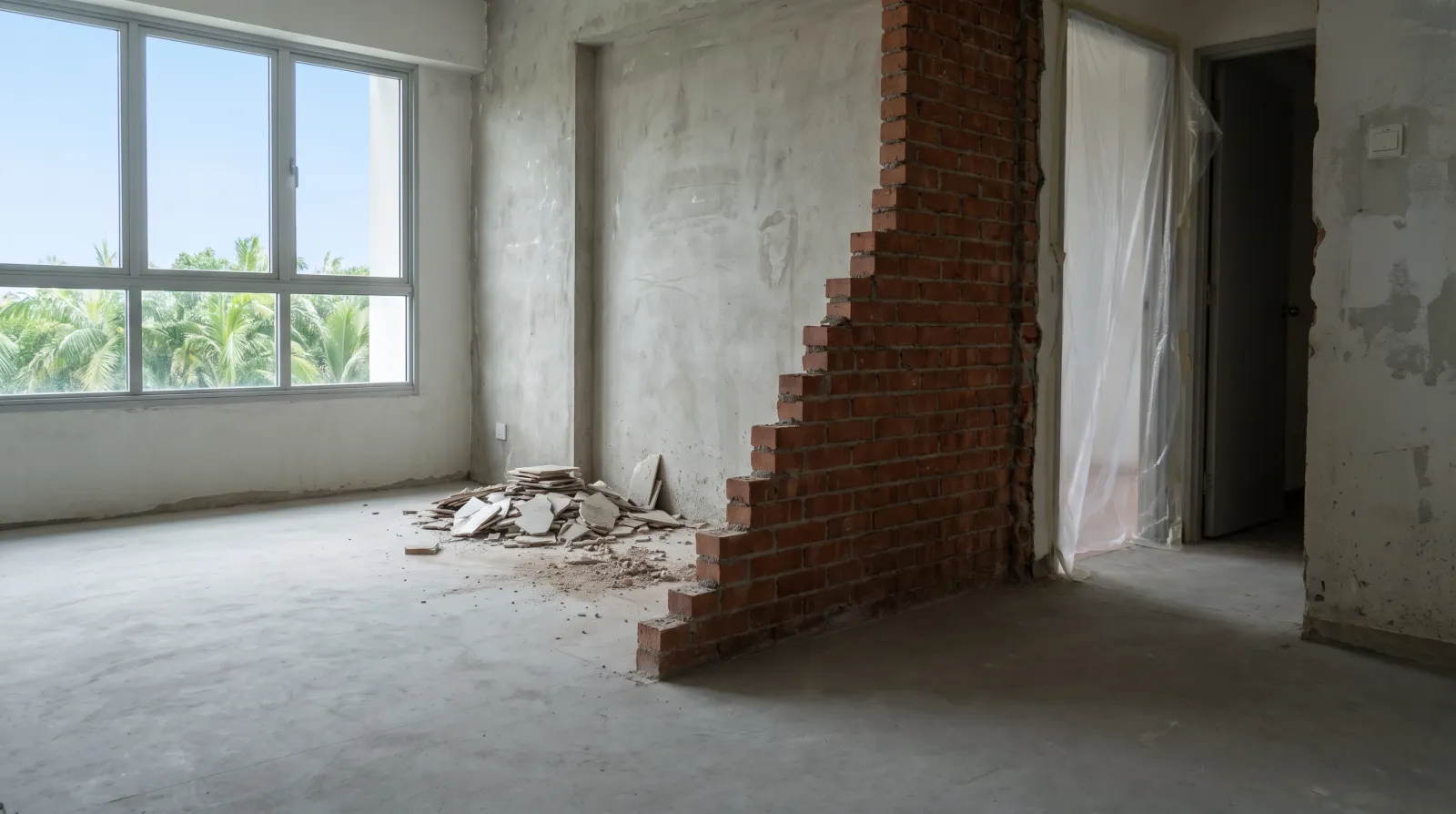
Walls, tiles, kitchens, toilets and built-ins taken out of your home or unit
Hacking and Demolition
Get walls, tiles, a kitchen, a toilet or built-ins hacked out of your condo, house, office or shop by our specialist, with one contractor arranging and supervising the job. After a free site assessment, we send a fixed-price quote within 3 to 5 working days, never from a photo, and arrange an engineer where a wall may be structural.
Why Choose Us
What You Get
A fixed price after a free site assessment
We visit, measure and go through exactly what you want taken out, then send a fixed-price quote within 3 to 5 working days, never from a photo. The quote states how the debris is cleared. Have your estate's renovation guidelines or your landlord's rules ready, so the quote allows for what they ask for, such as how the lift and corridors are protected.
One contractor arranging and supervising the job
Our specialist does the hacking, and we arrange and supervise the job from the site visit to handover. If new tiles, flooring or painting follow, we arrange those specialists too, so you aren't lining up several firms around your building's working hours.
An engineer arranged where a wall may be structural
Structural works need an approved structural plan and a permit before they start, the Building and Construction Authority (BCA) says, and only a Professional Engineer in the civil or structural discipline can apply for that approval. Where a wall may be structural, or your estate asks for an engineer's endorsement, we arrange the Professional Engineer. The assessment and the structural plan application are the engineer's.
A walk-through before handover
We walk the space with you before handover, checking what was taken out against the quote and that any shared corridor and lift are left clean. The work comes with our warranty and after-care.
Landed, condo or commercial
For your kind of property
Landed homes
Get tiles, a kitchen, toilets or built-ins taken out of your landed house, and if you want a wall removed that may be structural, we arrange a Professional Engineer to assess it first. Singapore's planning and building authorities advise, in their guide for landed homes, that generally there should be no hacking of a shared party wall to create a recess for new walls, columns or beams.
Condos
In a condo, building works might need your management corporation's (MCST) approval, and its renovation guidelines can set the hours and how the lift is protected. BCA has advised estates to ask for an engineer's endorsement before demolition other than floor tiles, so yours may ask for one, and we arrange the engineer. The approval is yours to apply for, and we give you the details the estate's form asks about.
Shops, offices and factories
In a rented unit, your lease and your landlord's rules say what can come out, when the work can be done and what goes back at the end of the lease. If you lease from JTC, the government agency that leases industrial land and space, you're required to reinstate the premises before returning them on the lease expiry date. Send us the lease clause and your landlord's list, and we quote for taking out what has to go.
How It Works
Our Process
Free site assessment
We visit, measure and go through what you want taken out, such as walls, floor or wall tiles, a kitchen, a toilet, built-ins or a false ceiling. We note any wall that may be structural and anything your estate's or landlord's rules ask for. Have those rules, your floor plan and, in a rented unit, your lease ready if you can.
Get a fixed-price quote
We send a fixed-price quote within 3 to 5 working days of the site assessment, never from a photo, and it states how the debris is cleared. Check that it also covers what comes out and to what depth, the protection for floors, lifts and corridors, the making good afterwards and any engineer the job needs, so none of them turns up later as an extra.
Approvals before work starts
Your estate's or landlord's approval is yours to apply for, and we give you the scope and the details of the work their forms ask about. Where a wall may be structural or your estate asks for an engineer's endorsement, we arrange the Professional Engineer, and the structural plan application is the engineer's. Work starts once the approvals your job needs are in.
Our specialist does the hacking, and we supervise
Our specialist covers what stays, then takes out what the quote lists, inside the working hours your estate or landlord sets. We supervise throughout. If pipes, cables or anything else outside the quote turns up, it's shown to you and agreed before anything changes.
Clear the debris and hand over
The debris is cleared the way the quote states. We walk the space with you, checking what was taken out against the quote and that any shared corridor and lift are left clean, and the work comes with our warranty and after-care.
From assessment to handover
Plan each stage around your home or unit

Start with the existing conditions, measurements and access the work will need.

Agree which surfaces and belongings need protection before work begins.

Use the handover to record outstanding items and collect the care and service information.
Common Questions
Hacking and Demolition FAQ
What decides the cost of a hacking job?
Which walls can be hacked, and who decides?
Do I need approval or a permit before hacking?
Should I overlay my floor tiles or hack them out?
What should a hacking quote include?
When can hacking be done, and who sets the rules on noise, neighbours and debris?
Do I have to hack everything out when my office or shop lease ends?
Have a different question? See all FAQs or WhatsApp us
Get Started
Discuss your project
Send photos and tell us what you want to change for your Hacking and Demolition project. We can discuss what needs checking on site before a firm scope and quote.
Your Contact Details
Resources
Hacking and Demolition Guides
Related Services
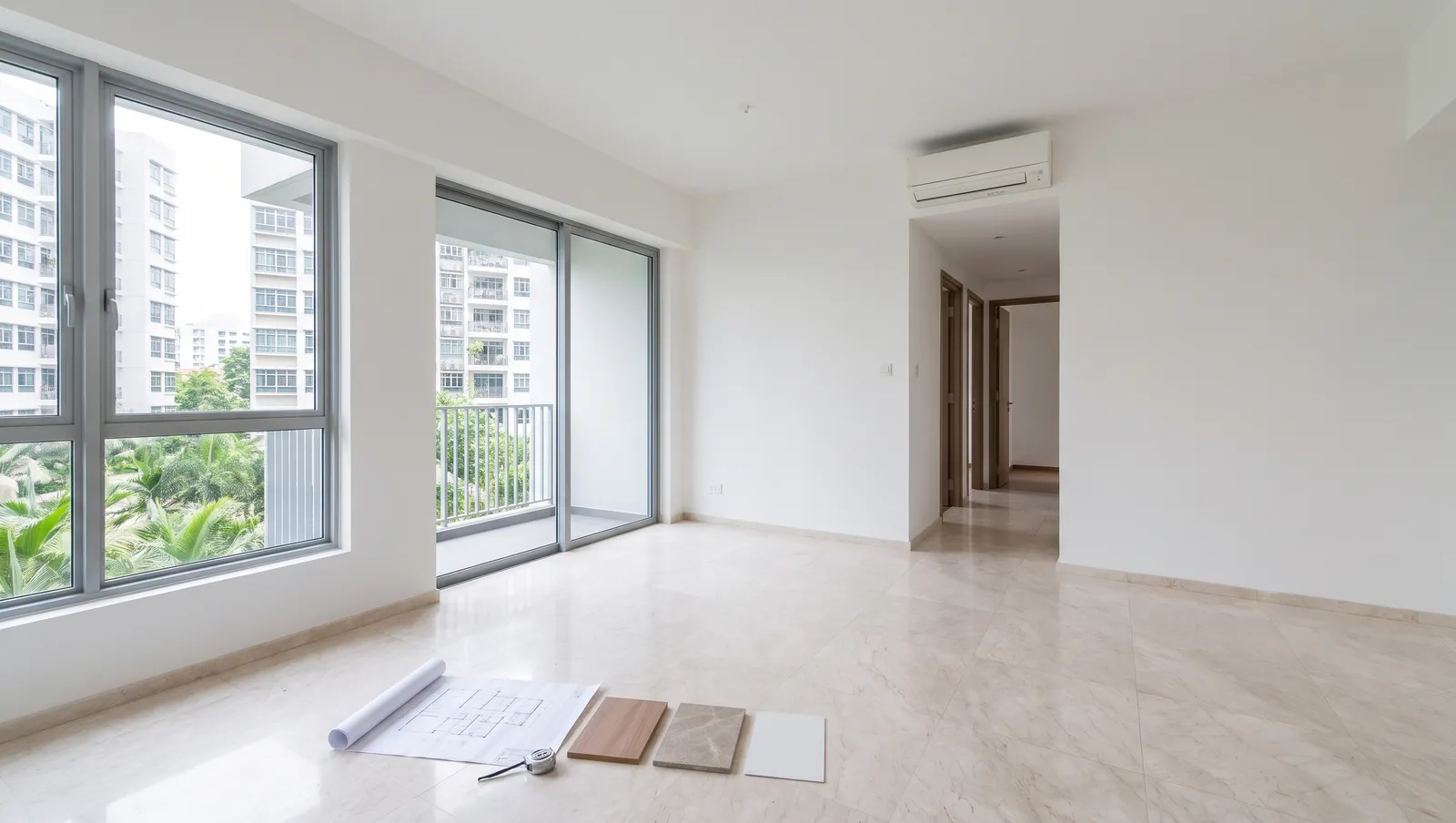
Condo Renovation
Flooring, painting, wiring, windows and a toilet upgrade for your condo unit, planned around your estate's approvals, working hours and the protection it asks for.

Commercial Renovation
Office renovation and reinstatement, shop, cafe and restaurant fit-outs and works in your factory unit, planned around your landlord's fitting-out rules and the approvals your works need.
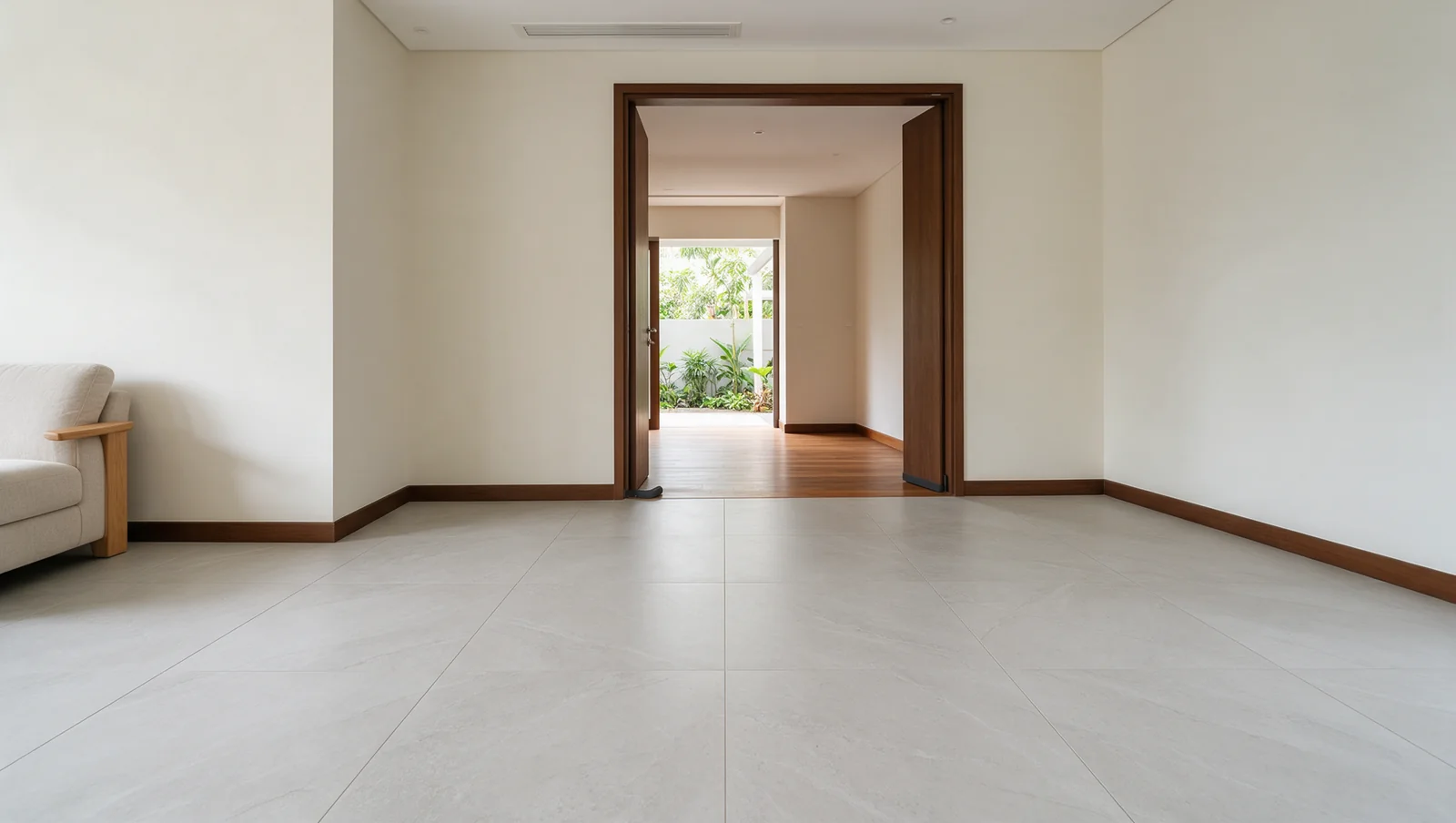
Flooring
Marble, timber, tiles or vinyl, laid on a base we prepare properly. That is what decides how it looks in ten years.
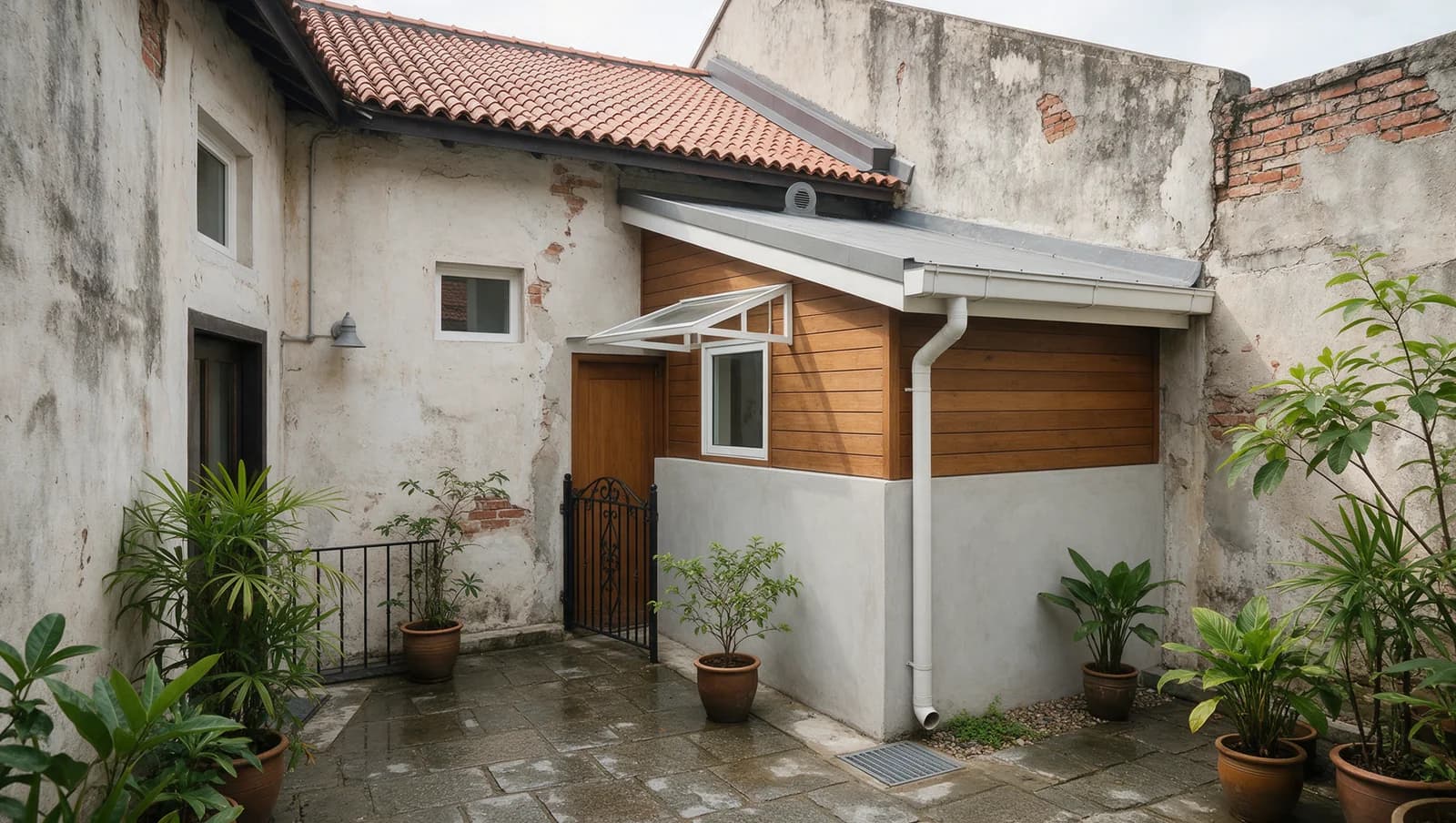
A&A Works
Add a room, a storey or an attic, or rework the whole layout. We bring the architect and engineer and handle the approvals.