On this page
View In PDFBuying your own fittings can give you more choice, but the renovation team needs the exact product details before preparing the space. A basin, light or appliance may need specific dimensions, connections and mounting support. Confirm who checks compatibility, receives the delivery and handles a fault so a late arrival or unsuitable fitting does not leave work unfinished.

For landed interior design and fit-out, owner purchases can range from decorative lights to built-in appliances and bathroom fittings. They affect the work in different ways. A loose chair can often arrive late without changing a cabinet; a replacement sink selected after a worktop is cut can affect several finished components.
Check which parts and installation work the price includes
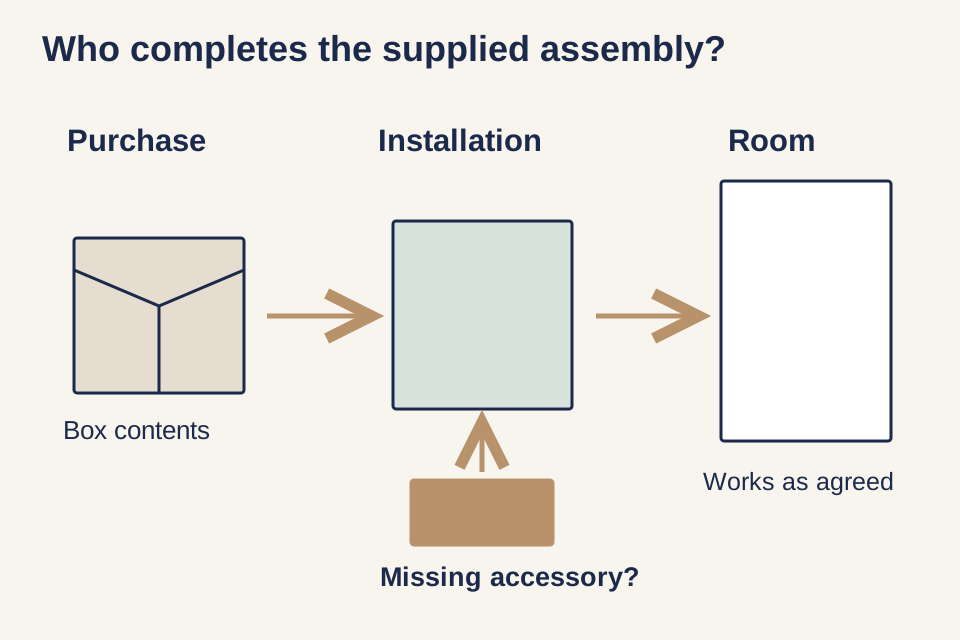
Start by sending the full product reference and installation documents to the team responsible for fitting it. A shopping-page photograph is useful for appearance, but it may omit the mounting parts, connection arrangement or space the installer needs. Obtain a clear response on compatibility before ordering an item whose dimensions control other work.
For a built-in appliance, model-specific installation space and ventilation matter beyond the visible front size. For a tap, the equivalent discussion includes the selected sink or basin and the available connection space. These examples show why ‘standard size’ is an inadequate purchasing instruction when cabinets or countertops are being made around a specific fitting.
Ask what is actually included in the box. A fitting and its trim, mounting kit, driver, waste or other required accessory may be separate order lines. Do not assume the contractor has priced every accessory merely because the quotation includes installation. List the supplied components and identify the party buying anything still missing.
Agree what the installer will check before you order
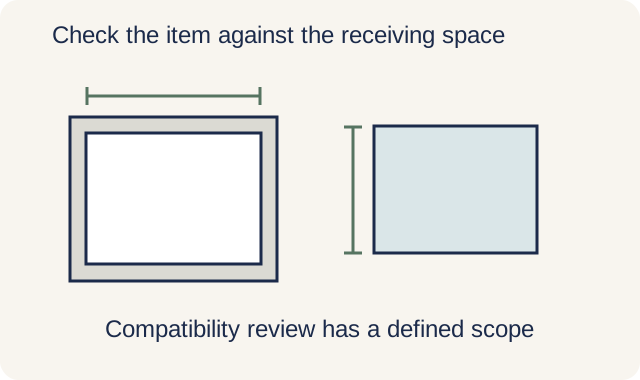
A compatibility review and a product warranty are different commitments. If the installer checks the proposed dimensions against the drawing, that does not automatically make the installer responsible for a fault inside a sealed product. Equally, a supplier’s product warranty may not include removing and reinstating surrounding finishes. Ask each party to describe its own scope.
Use specific questions when evaluating a proposal. Who confirms the installation requirements? Who measures the receiving space? Who authorises a drawing change if the chosen item does not fit? A helpful answer identifies the work and the person doing it, rather than relying on the phrase ‘owner supply at own risk’ to cover every possible situation.
If a term remains unclear, resolve it in writing before purchase or contract acceptance. The renovation fair-trading guidance calls for clear descriptions, pricing and remedies, with agreed changes. The schedule below is a practical way to expose missing decisions; it does not determine legal liability by itself.
| Handoff | What to agree | Why the household should care |
|---|---|---|
| Product selection | Exact reference and who checks compatibility | The ordered item must match the receiving work |
| Delivery | Address, receiving person and allowed delivery stage | A courier arrival is not the same as a ready installation |
| Unpacking | Who checks visible condition and missing contents | Damage or shortages need an identified reporting route |
| Installation | Labour, accessories, connections and tests included | The fitting-only purchase must join the project scope |
| Defect | Who investigates, contacts the supplier and reinstates | A replacement item may still leave labour and access unresolved |
Arrange delivery around what the site can receive
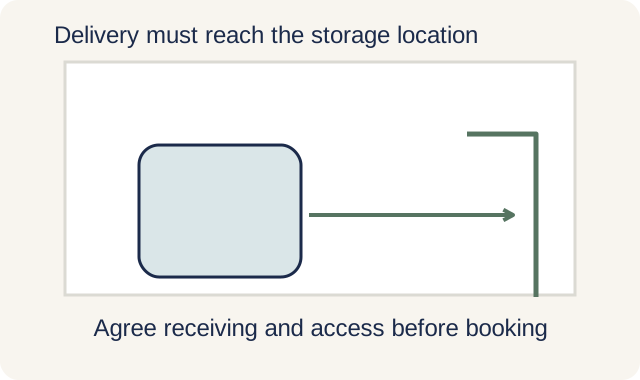
Ask the contractor when the site can safely receive and store the item, and ask the supplier what the delivery service includes. A large appliance arriving at the gate does not establish that it will be carried to an upper floor. Confirm unloading, access, lifting or transport requirements and the intended storage location before booking.
The timing should follow the work that depends on the item. A fabricator may need the actual sink for its measurement process, while a fragile decorative fitting may be better delivered close to installation. Let the relevant trade state the requirement. Buying everything at the beginning can create a storage problem without moving the construction forward.
Record when the order can be changed or returned under the supplier’s terms, and how damage or missing parts must be reported. Have the receiving person know that process before the delivery occurs. Photograph the packaging and condition where appropriate, while retaining identifying labels and the supplied documents. Do not discard parts because their purpose is unclear before the installer checks the complete package.
A delayed item needs a decision, not a hopeful date
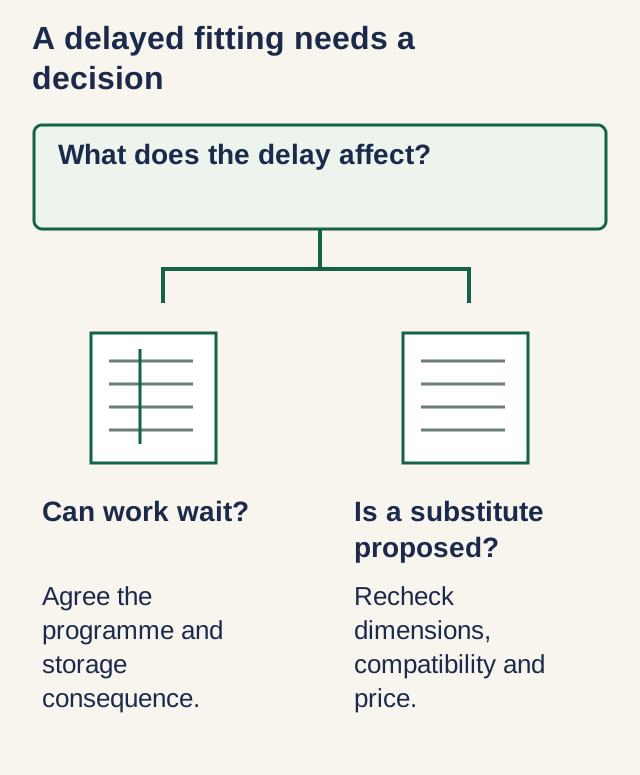
When a delivery slips, identify what work actually depends on it. Can the team proceed with an agreed opening, or does fabrication require the item itself? Does the missing fitting prevent safe use of a room, or can it be installed later without disturbing completed work? Those consequences should guide the response.
Ask for the cost and programme effect of the available options: wait, choose an approved substitute or defer that item with a defined return visit. Review the substitute against the same compatibility checks as the original. Availability alone is not a reason to assume its connection or dimensions will work.
Do not leave a deferred item as a vague promise after the rest of the project is handed over. Identify what remains unfinished, who returns, what is needed before the return and how payment or additional attendance is handled under the agreement. The household should know which part of the room is ready to use.
Agree who investigates a fault with the fitting
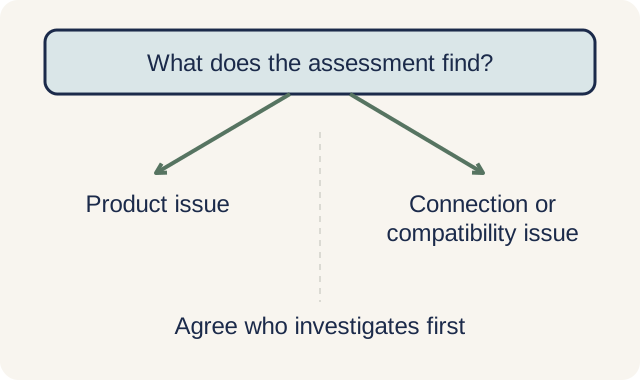
A fitting that does not work after installation may have a product fault, a connection problem or a compatibility issue. Start with an agreed assessment route rather than deciding responsibility from the symptom alone. Ask what the installer demonstrates at commissioning and what record identifies the model and the result.
For a confirmed product replacement, establish the practical work around it. Who disconnects the item, who collects it, who installs the replacement and who makes good any opening required for access? Keep these questions separate from whether the supplier will replace the product itself. They explain why warranty cover and a complete remedy can differ in scope.
A proposal is stronger when the supplier and installer make these boundaries understandable before the project begins. This does not require one company to accept every possible cost. It requires the household to see the remaining exposure and decide whether the purchase is still worthwhile.
Bring the purchase list into the project brief
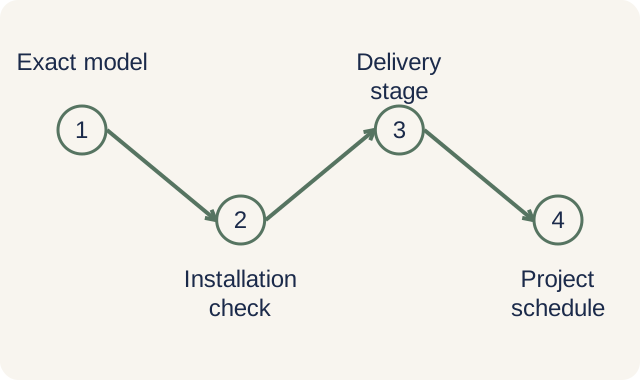
Keep owner-supplied items in the same room schedule as contractor-supplied work. Mark the selection status, required stage and unresolved dependency for each item so the list remains useful when the project changes. The landed interior design buying guide explains how that procurement schedule fits into the wider appointment and renovation scope.
Before placing the next order, send the exact model and installation documents to the contractor who will fit it. Confirm any extra parts, when it can be delivered and who will investigate if it is faulty or does not fit. You can then compare the purchase price with a clear view of the work and costs needed to use it in the finished room.
Need help with your project?
Tell us what you need on WhatsApp and send a few photos. We'll arrange a free site assessment, then give you a fixed-price quote within 3 to 5 working days.