On this page
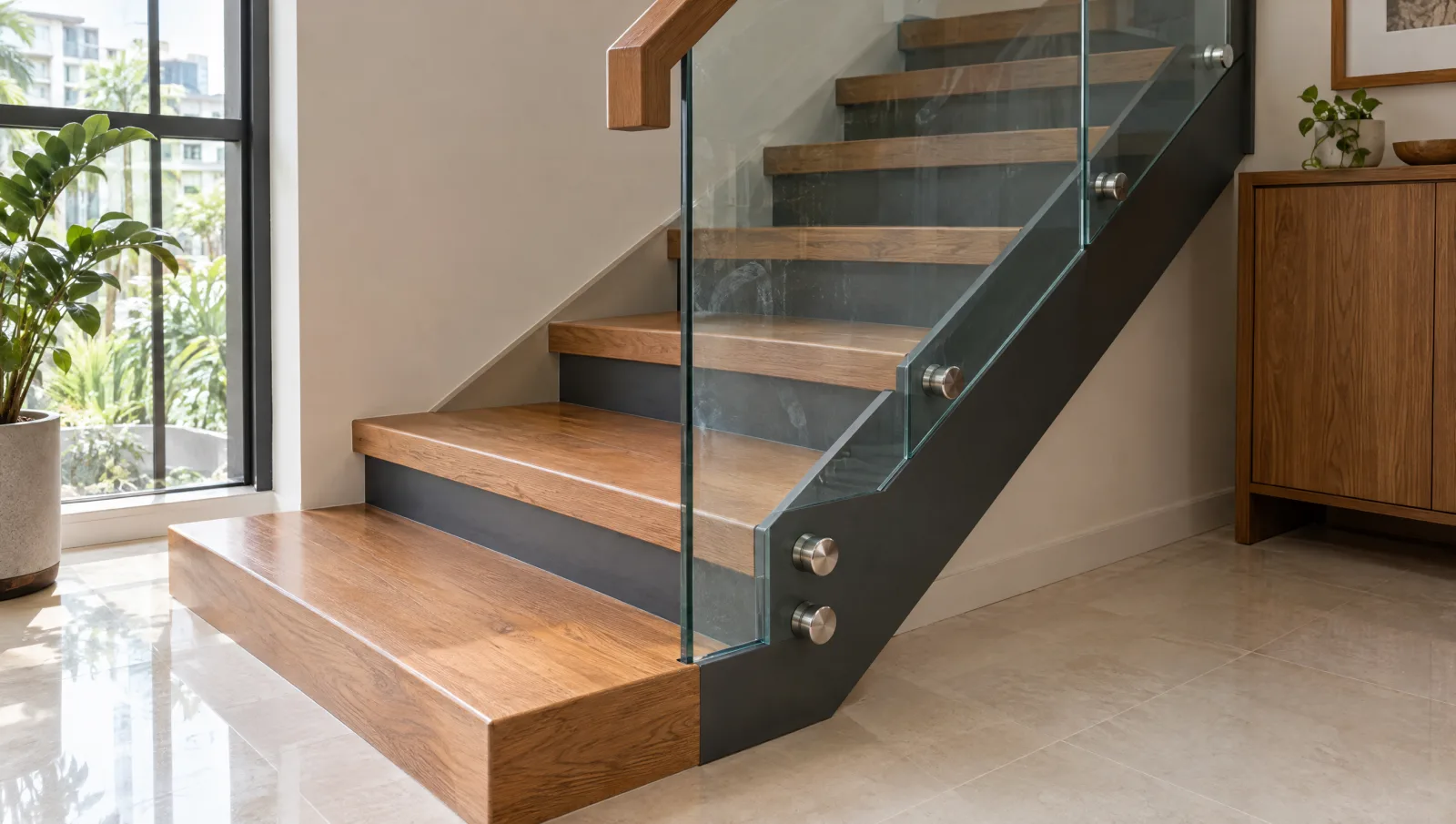
View In PDFGlass, timber and metal can play different roles in a staircase, so the choice is not always one material for the whole structure. You might prefer timber underfoot with glass railings, or a metal structure with another finish. Compare supports, treads and barriers separately, then judge how the combination will look, feel and be maintained.
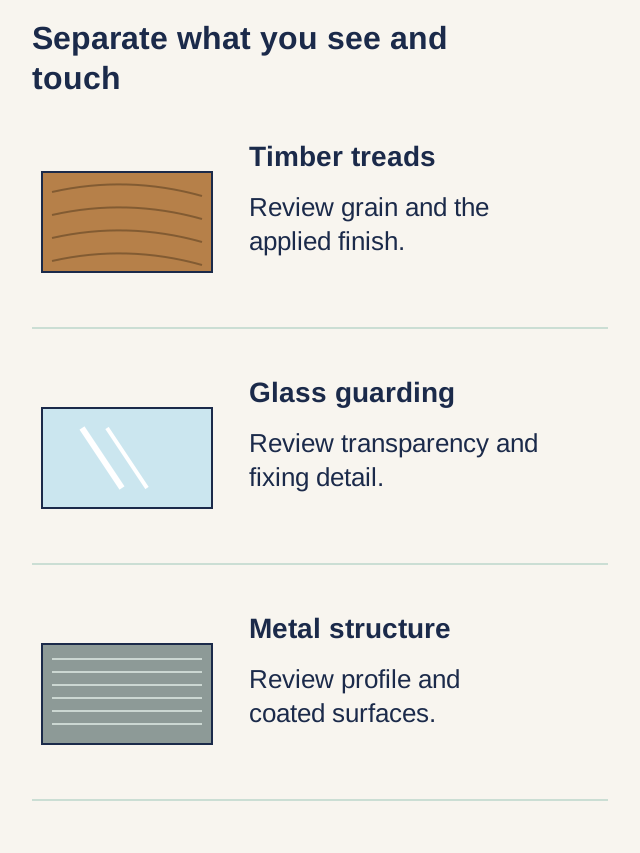
Separate Supports, Treads and Balustrades
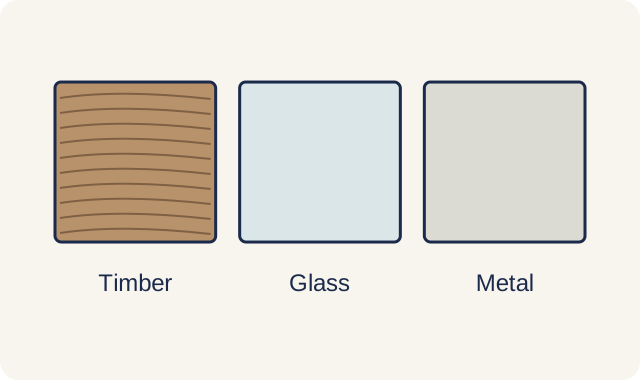
Separate the supporting structure, treads and balustrade when comparing materials. A staircase described as glass may have timber treads on steel supports with glass guarding. Comparing those three components avoids treating very different installations as interchangeable material packages.
Each has trade-offs. Timber is warm but moves with humidity. Glass is dramatic but shows every fingerprint. Metal is durable but conducts heat and can feel cold underfoot. The right answer depends on the house, the household, and how much maintenance you are willing to do.
Solid Timber Staircases
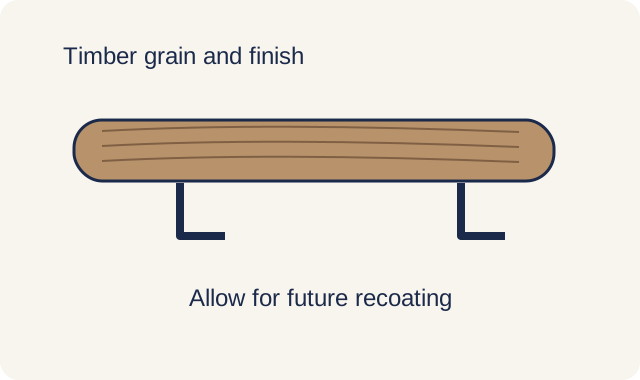
Timber treads and handrails bring warmth to traditional or contemporary interiors. Species, moisture condition, board construction and protective finish all affect performance. Compare a physical sample and the proposed tread build-up rather than assuming a hardwood name guarantees stability in a humid home.
A timber quotation should distinguish new treads over retained supports from replacement of the whole staircase. Include edge details, risers and the finish system. Maintenance follows wear: dull or damaged finish may need renewal, while the amount of timber available for sanding determines whether refinishing remains practical.
Glass-and-Metal Staircases
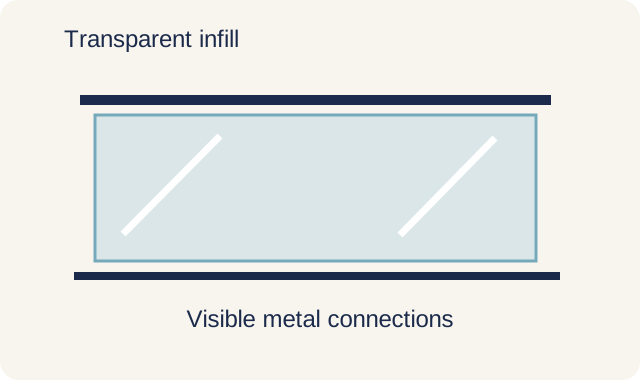
Glass balustrades paired with steel supports can open up views through a stairwell. Glass used as a safety barrier needs the appropriate laminated construction and designed fixings; BCA’s barrier guidance also applies the laminated-glass requirement to houses built for the owner’s own use. Tread material is a separate decision.
Price the glass panel sizes, build-up, edge treatment and fixing system separately from the supporting metalwork. Cleaning is part of the choice: glass reveals fingerprints and water marks, while metal finishes need compatible cleaners. Allow access to both sides of the panels without leaning over an unprotected edge.
Full Metal Staircases
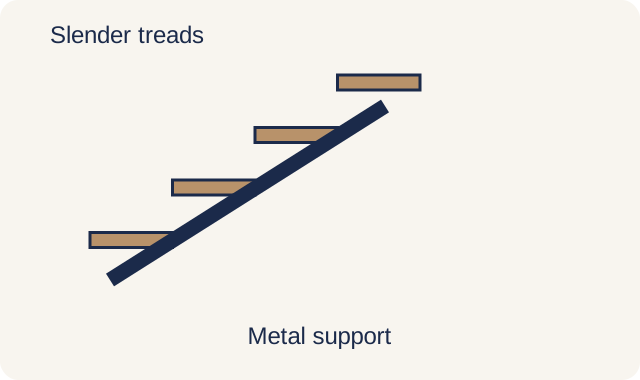
Steel staircases can produce slender-looking supports in contemporary interiors, but span and profile depend on engineering rather than material alone. Tread stiffness, vibration, connections and the support beneath the stair all influence how solid it feels in use.
Complex welds, curved components, polishing and restricted installation access can make metalwork expensive. Compare fabrication and finishing separately. Coated steel needs damaged coating repaired, while stainless can still scratch or stain; specify the grade and finish for the actual exposure.
Which Material Suits Which House
For a conservation shophouse, the applicable conservation area and building-specific conditions come first. URA’s historic-district staircase guidance allows lightweight timber or metal replacements where the building has timber floors; original railings and the proposed layout also matter. A blanket timber-only rule would miss those distinctions.
Terraces and semi-Ds with modern interiors are the sweet spot for glass-and-metal. The hybrid look adds the visual lightness that compensates for narrower floor plates. Bungalows with double-volume voids handle full metal mono-stringers well because the staircase becomes a sculptural element.
How to Decide
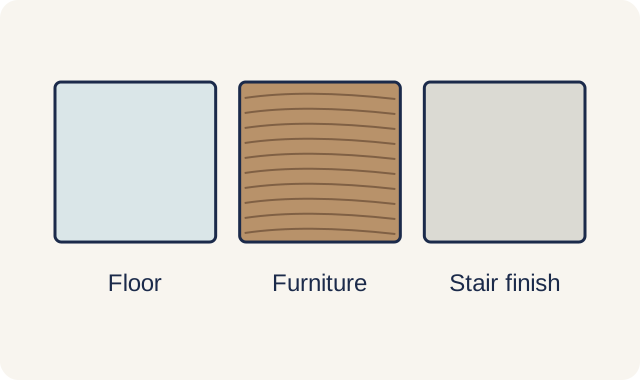
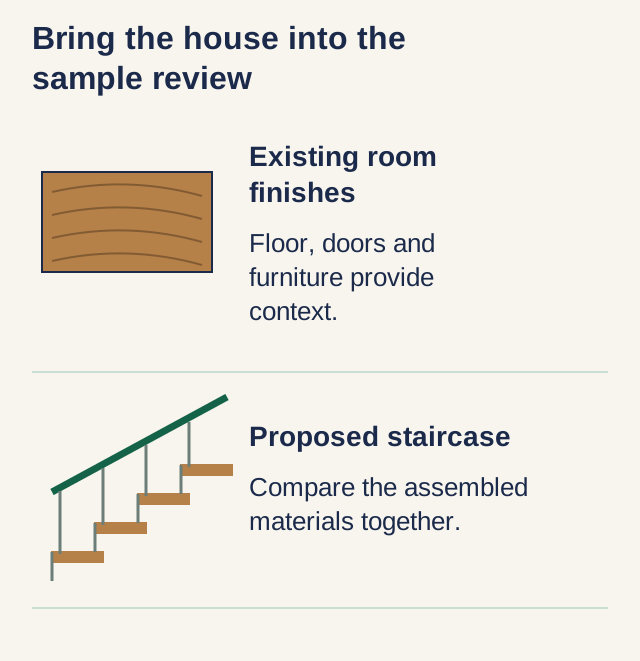
Walk through your house and look at the materials already in use. If you have a lot of warm timber in floors and furniture, a timber staircase will integrate without effort. If your flooring is large-format porcelain and your kitchen is matte black, glass-and-metal or full metal will sit more naturally.
When you brief a contractor, bring photos of the rest of your home, not just staircase images from Pinterest. The right material is the one that looks like it belongs in your house, not the one that won the prettiest render in someone else's.
Compare Equivalent Staircase Costs
| Hypothetical replacement of the same flight | Timber treads and timber guarding | Same timber treads with glass guarding |
|---|---|---|
| New steel support and installation | S$12,000 | S$12,000 |
| Same timber treads and risers, fitted | S$6,000 | S$6,000 |
| Complete guarding and handrail | S$4,000 | S$6,000 |
| Engineering, removal and making good | S$5,000 | S$5,000 |
| Example subtotal before tax | S$27,000 | S$29,000 |
Here the glass option adds S$2,000 because the two examples keep the supports, treads and surrounding work the same. A real comparison may run the other way, depending on panel geometry, timber detailing and fabrication. A full-metal proposal changes the treads too, so obtain that additional difference separately. Both example totals assume no extra structural strengthening or service relocation; keep those costs outside the subtotal until they are resolved.
Frequently asked questions
How much does a timber staircase cost in Singapore?
For the hypothetical replacement flight above, timber treads and timber guarding on a new steel support total S$27,000 before tax: S$12,000 supports/installation, S$6,000 treads and risers, S$4,000 guarding/handrail and S$5,000 engineering, removal and making good. These are invented comparison amounts, not a Singapore timber-staircase rate. Keeping the existing support and renewing its finish is a different scope and needs its own quotation.
What does a glass-and-metal staircase cost?
The same hypothetical flight with glass guarding totals S$29,000 before tax, versus S$27,000 with timber guarding. The S$2,000 difference changes only the complete barrier; both retain identical new steel supports and timber treads. These figures teach quotation comparison, not market pricing. Price strengthening, service relocation and any other excluded work separately, and specify the panel build-up, edges and fixing system before treating quotes as equivalent.
Which staircase material suits a conservation shophouse?
Match the applicable conservation guidelines and building-specific conditions. Timber and metal can both be relevant lightweight options; retention of original elements and the permitted layout need consideration before choosing a finish.
How much maintenance does a timber staircase need?
Inspect the finish for wear rather than assuming a fixed recoating interval. Clean with products suitable for the specified finish, avoid leaving water on treads and repair damage promptly. Refinishing options depend on whether the tread is solid timber or a thinner wear layer.
Staircase Renovation across Singapore
Need help with your project?
Tell us what you need on WhatsApp and send a few photos. We'll arrange a free site assessment, then give you a fixed-price quote within 3 to 5 working days.