On this page
View In PDFA wardrobe's per-foot price usually describes its width along the wall, not everything you will receive. Height, depth, drawers, boards, hinges and installation can vary even when two wardrobes have the same frontage. Compare the inside and the complete fitting work before deciding which quotation gives you the storage you need.
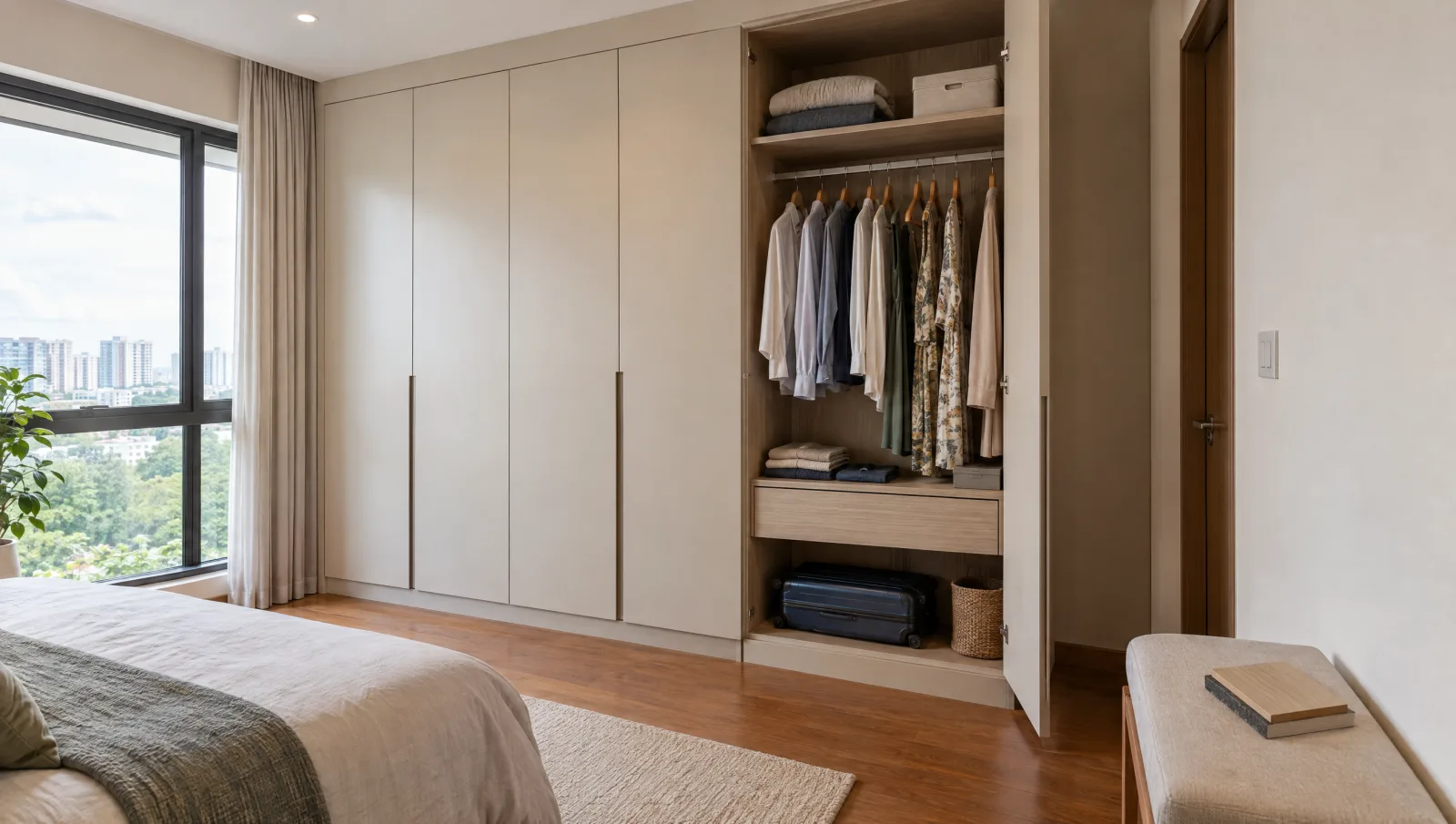
For custom carpentry and built-ins, start with the storage the household needs and a common drawing. Ask each quotation to price that drawing with its stated inclusions. This creates a useful cost comparison without pretending that an advertised frontage rate is a complete price for your bedroom.
The same front can hide different cabinets
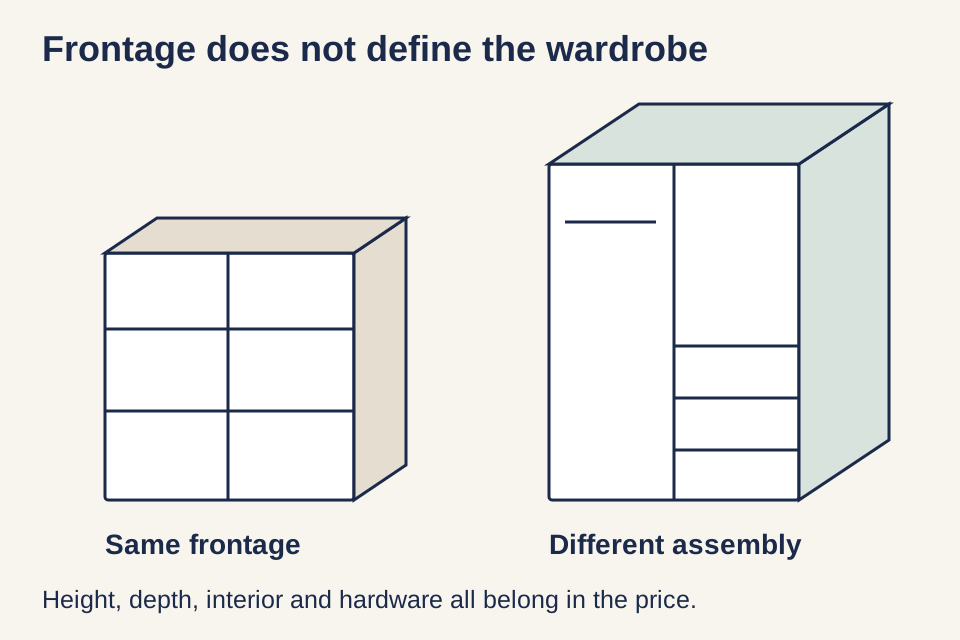
Picture two proposed wardrobes against the same wall. One has a lower top, shallow shelves and a simple interior; another reaches the ceiling, provides deeper hanging space and includes several drawers. Their front widths can match while their material quantities, mechanisms and installation details differ.
Ask the supplier to state how the frontage is measured and what height and depth the rate assumes. Check whether corners, returns, fillers and exposed end panels are included or measured separately. If a quote rounds or applies a minimum quantity, have that basis explained before comparing its multiplication with another offer.
Then check the room measurement. A drawing should distinguish the usable storage from the space needed to fit against the actual walls and ceiling. Scribing, fillers and closing panels may be necessary parts of a neat installation, but they should not become an unexplained difference between the promised storage and the finished result.
Price the inside with the clothes in mind
| Scope line | Make the quotations state | Reason it changes the comparison |
|---|---|---|
| Geometry | Frontage, height, depth and affected room measurements | Equal width can conceal different storage and construction |
| Interior | Drawer, shelf and hanging layout | The number and type of components differ |
| Board assembly | Substrate, thicknesses, surface and edge treatment | A decorative finish does not identify the complete panel |
| Hardware | Product references, opening action and required accessories | The cabinet must work as one compatible assembly |
| Installation | Delivery, fitting, junction work and making good | Workshop fabrication is not the whole installed scope |
| Extras and changes | Priced options, exclusions and variation basis | A headline rate can leave material decisions outside it |
Count the drawers, shelves, hanging sections and other internal fittings shown on the approved layout. A rate that includes a basic interior cannot be compared directly with a proposal containing a different number of mechanisms and compartments. Make the layout the reference instead of assuming that ‘complete wardrobe’ means the same thing to both suppliers.
Test that layout against the clothes and belongings that need to fit. Long hanging items, folded clothing and luggage ask different things of a cabinet. More small compartments can look organised on a drawing while reducing the space for larger items the household uses. Pay for the arrangement that solves the storage problem, rather than the most elaborate elevation.
A manufacturer’s cabinet planning process links geometry, front weight and fittings. This is why a hardware brand alone is incomplete: the proposed hinge or runner must be appropriate to the actual cabinet and load. Ask for the fitting reference and intended application, not an unsupported claim that every model in a brand performs identically.
Separate the decorative face from the panel beneath it
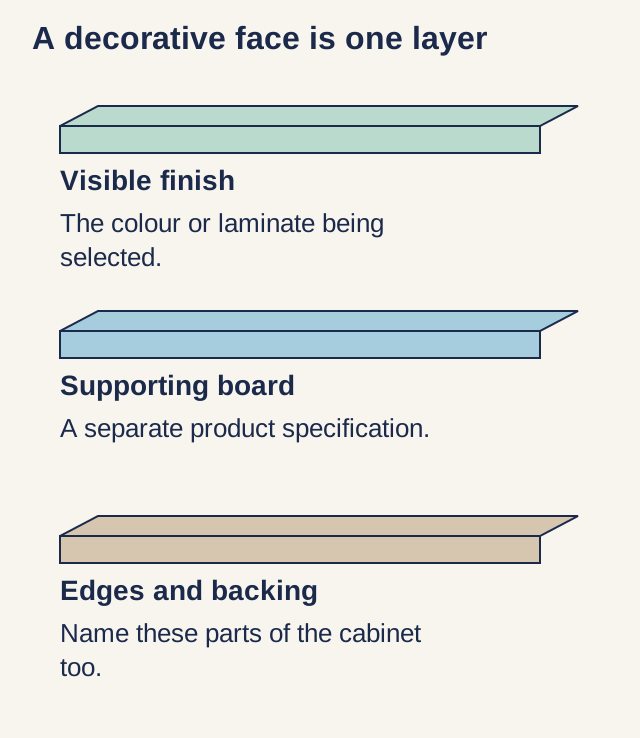
A laminate name or colour describes the visible surface, but the cabinet also has a supporting board, edges, backing and joints. Ask the quotation to identify the boards, backing, edging and joints being supplied. The substrate is a separate specification from the decorative surfacing, with the intended application influencing the choice.
Do not turn that distinction into a blanket ranking of every board category. Ask why the proposed boards and finishes suit the room and the way the cabinet will be used, and request the relevant product information. If the wardrobe is being fitted against an area with unresolved dampness, the wall condition needs attention; a more expensive decorative surface does not establish that the building problem is solved.
Review visible ends and internal finishes on a sample or clearly identified detail. A quotation may price a premium door face while using a different finish inside. That can be a reasonable choice, provided it is visible in the specification and suits the household’s expectations.
Follow the price from delivery to handover
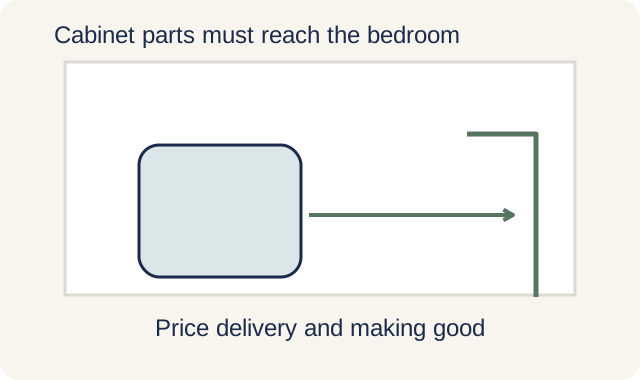
Clarify how the finished components reach the bedroom, whether assembly happens on site and what protection is included along the route. A difficult delivery or access arrangement should be considered while the scope is being established. It should not appear for the first time when the cabinetry is already on a lorry.
Ask which surrounding work is included: removal of the old wardrobe, disposal, adjustment at the ceiling, skirting junctions and making good affected surfaces. Where another trade is needed, identify that interface and who coordinates it. The wardrobe can be well made while the room remains incomplete if each quotation assumes someone else finishes the edges.
Cabinet lighting adds fittings and electrical work to the price. Identify the fittings, controls, drivers, wiring and future access if lighting is proposed. Keep that option separately visible so it can be accepted, changed or removed without confusing the basic storage cost.
Identify the fittings and finishes that still need a price
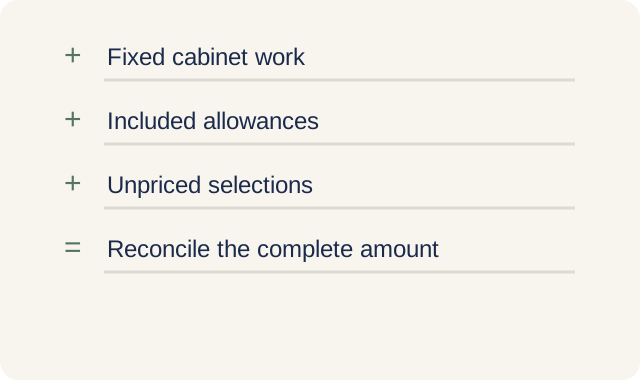
An allowance can be useful when a specific item remains undecided, but its meaning must be clear. Ask which product or scope it assumes, how the final amount is calculated and when the household approves a difference. An empty amount is information about an unresolved choice; it should not silently become zero.
The renovation pricing guidance supports transparent, itemised scope and agreed changes. Use that principle to keep the fixed work, optional upgrades and unresolved items distinguishable. Do not add an allowance again if the supplier has already included it in the quoted sum.
Once the scope matches, the lower complete quotation may be a sensible choice. Price alone does not establish poor quality, just as a high price does not establish better cabinetry. Assess the specification, demonstrated operation, installation responsibilities and written remedy alongside the amount.
Decide what you are willing to pay more for
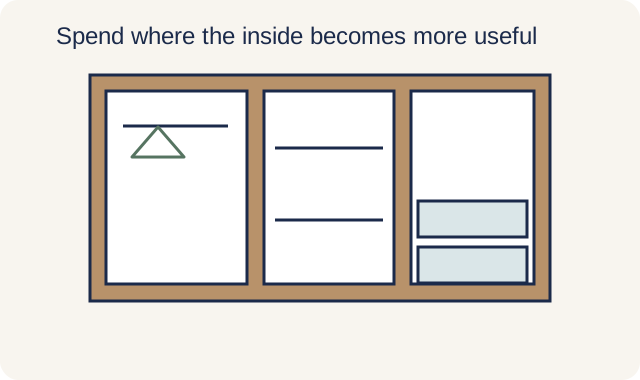
Spend more where the change improves something the household will use: accessible hanging space, a useful drawer arrangement, a finish you have approved in the room or a mechanism suited to its task. Ask for the cost of each meaningful alternative against the same base drawing, so the decision remains understandable.
The carpentry buying guide places the quote within the wider design and handover process. Bring the room measurements, storage inventory and current offers to a built-in carpentry discussion. The useful number is the price for a defined wardrobe that fits the room and its contents.
Need help with your project?
Tell us what you need on WhatsApp and send a few photos. We'll arrange a free site assessment, then give you a fixed-price quote within 3 to 5 working days.