On this page
View In PDFUnder-stair space can become pull-out storage, a shoe cabinet, a display area or a small study nook. These four ideas suit different shapes and routines. Measure the usable height and depth, decide what will go there and check access to any services before committing to a fitted design.
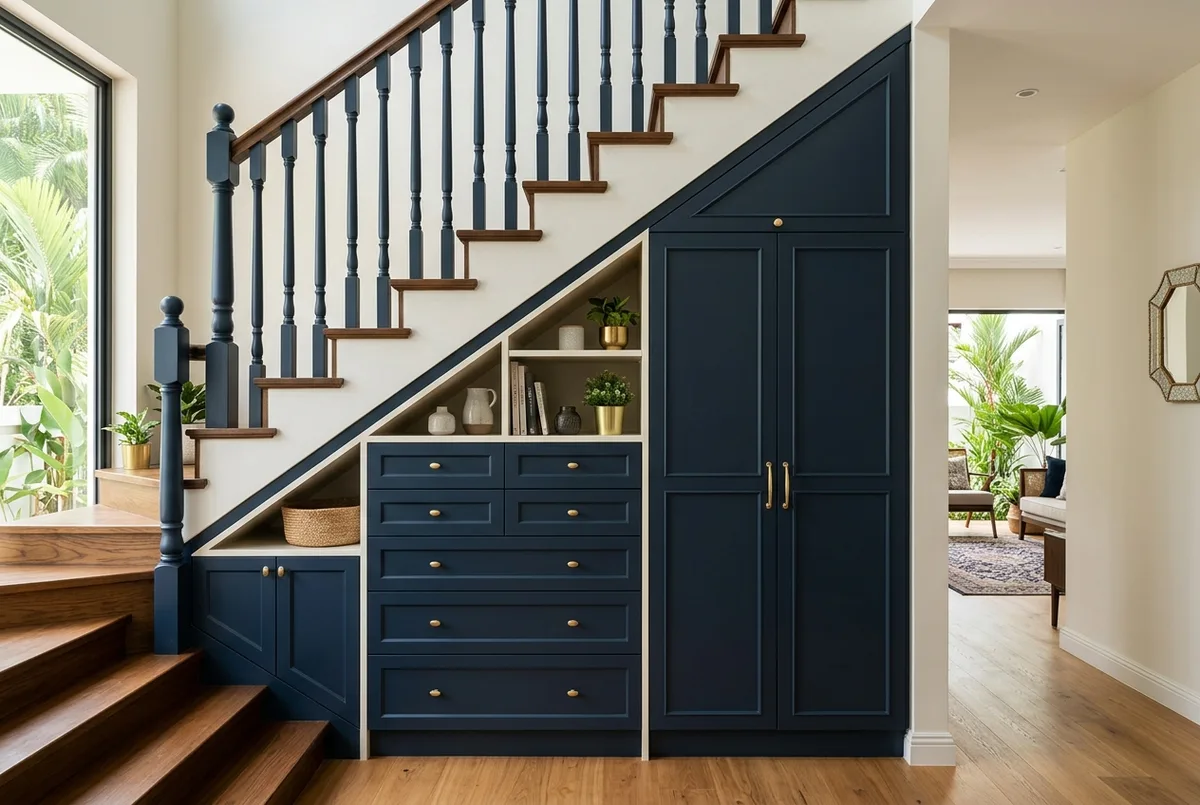
Why Under-Stair Storage Is So Valuable
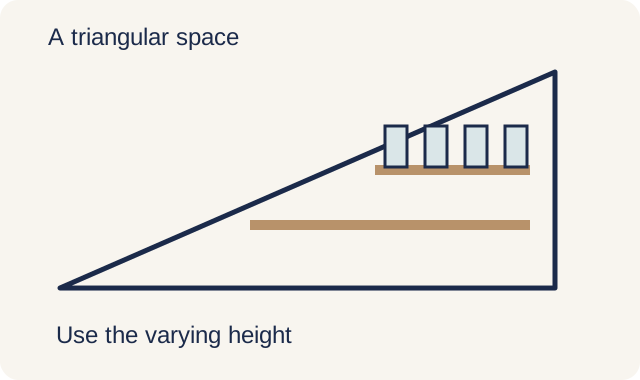
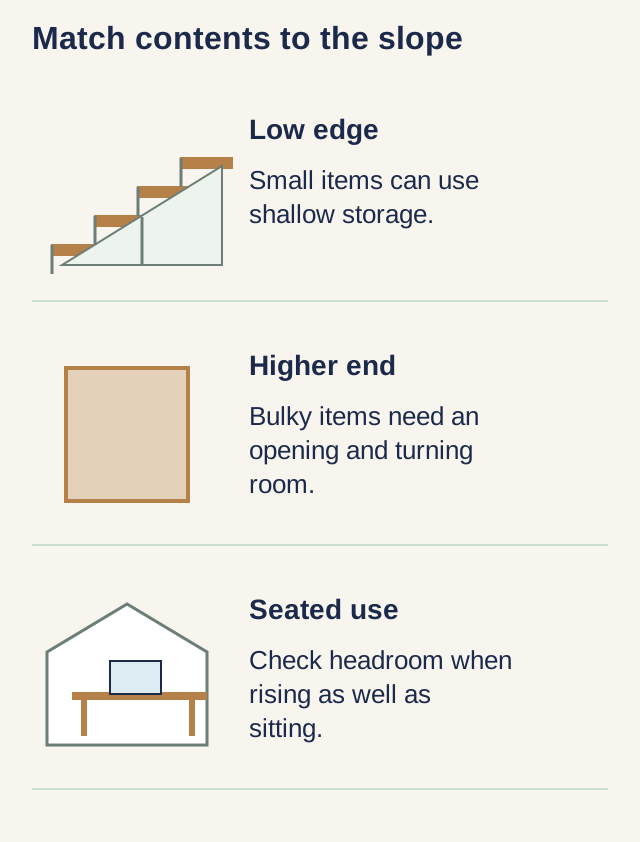
The void under a staircase can hold useful storage, but its capacity depends on the stair’s width, slope and supports. Measure usable depth and height at several points rather than estimating from the outer triangular shape. Keep services and inspection points accessible within the proposed cabinets.
Done well, under-stair storage handles the high-traffic items that have no obvious home: shoes, schoolbags, vacuum cleaners, sports equipment, suitcases. It also keeps the rest of the ground floor visually clean, because the clutter is hidden behind a single set of doors.
Pull-Out Drawers and Cabinets
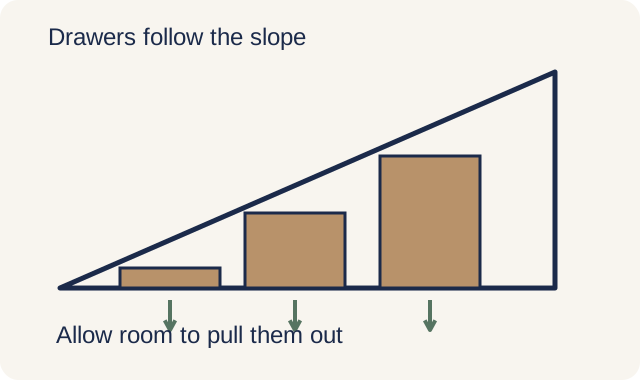
Pull-out drawers can bring items forward from a deep triangular void. Size each drawer for its available height, contents and the space needed to open it. Runner load rating and cabinet stability matter more than whether soft-close hardware is included.
A useful carpentry quotation separates cabinet length and depth, board construction, finish, runners and internal fittings. Veneer, laminate and solid timber have different detailing and repair options. Compare usable storage and access with freestanding furniture; built-in joinery is not automatically the cheaper solution.
Shoe Cabinets
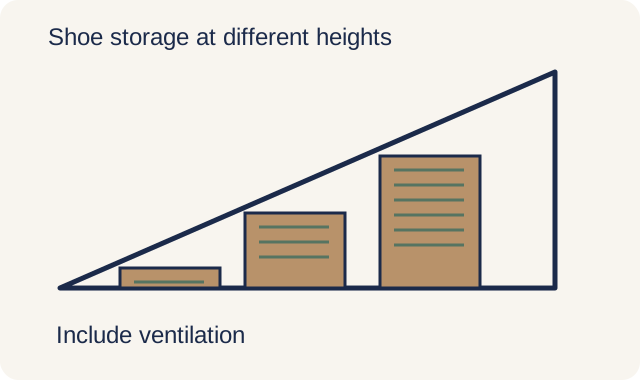
For families with school-age children, a dedicated under-stair shoe cabinet handles the biggest source of front-door clutter. The deeper end of the void can hold full boot racks; the shallower end works for slippers and indoor shoes.
Airflow helps a shoe cabinet dry after use, but grilles alone cannot prevent mould if wet footwear is stored inside. Dry shoes before putting them away and provide a ventilation route that is not blocked by the contents. Any powered drying accessory needs appropriate clearances and electrical provision.
Wine Racks and Display
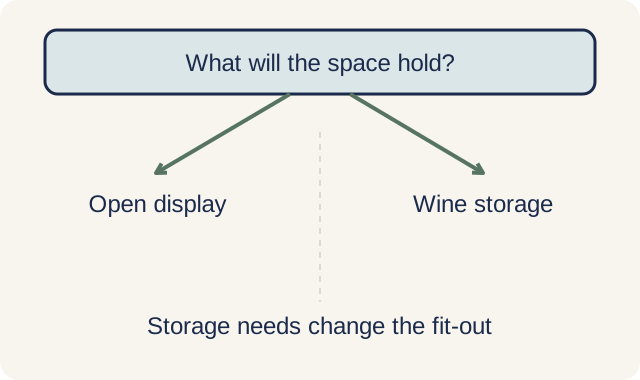
For wine storage, separate an open display rack from a conditioned cabinet. Heat, light and temperature variation affect storage suitability; there is no single one-year cutoff for every bottle. A wine fridge needs the manufacturer’s ventilation clearances and a route for servicing, so it cannot simply be enclosed in tight joinery.
Display-only under-stair builds, with open shelving for books, ceramics, or art, also work well in homes where storage is not the priority. The visual lightness of open shelves can balance a heavy staircase above.
Study Nooks and Reading Corners
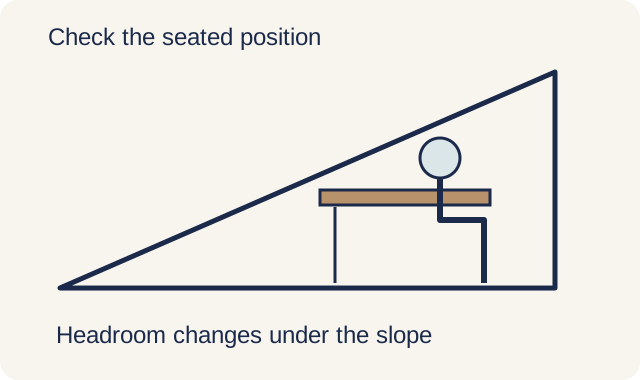
In larger landed homes with deeper staircases, the under-stair void can accommodate a small desk and chair. It is a popular work-from-home solution for households where the spare bedroom is already taken.
Headroom changes along the slope. Test the chair position, sitting down and standing up, as well as knee space and the route out of the nook. A desk that fits on plan can still place your head beneath the low part of the staircase.
Practical Issues to Plan For
Power and data routes should be resolved before closing the joinery. A wine fridge or desk also needs accessible sockets and room around cables. Where new wiring or points are needed, use an EMA-licensed electrical worker rather than hiding extension leads in inaccessible cabinets.
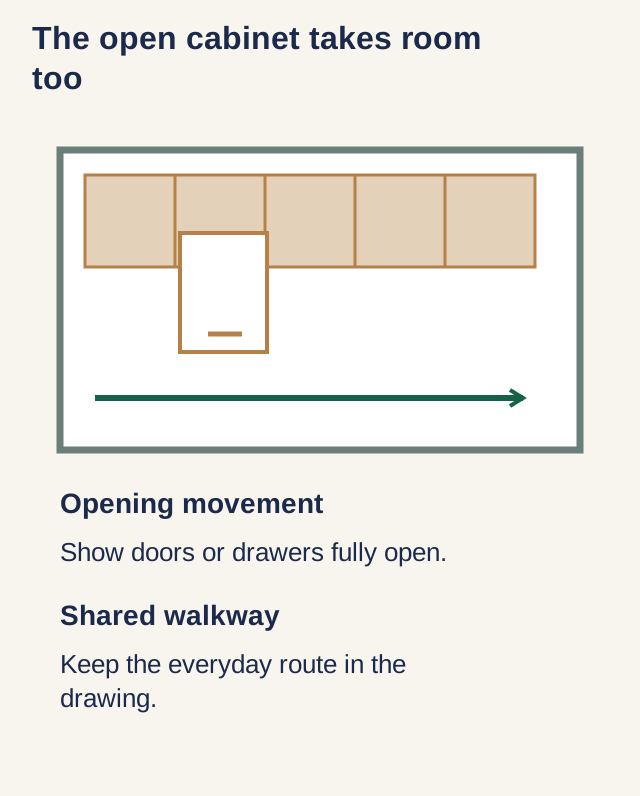
Show doors and drawers fully open on the plan. Sliding doors reduce swing space but hide part of the opening; pull-outs bring contents forward but need a clear aisle. Avoid a layout that blocks the staircase approach or household escape route when opened.
Lighting can make the deeper compartments easier to use. Position sensors where doors and stored items will not block them, and keep drivers accessible. A small sample installation helps show whether the shelf fronts cast shadows over the contents.
Getting It Built
Under-stair carpentry involves irregular angles, changing heights and junctions with the staircase above. Confirm who takes final measurements after stair finishes are set and who makes good the surrounding surfaces. That coordination matters whether you appoint a carpenter directly or through a renovation contractor.
For a complex run, request drawings showing drawer clearances, hardware loads, lighting access and service panels. For simple shelves, a lighter scope may be enough. Compare the finished construction and responsibility for fit rather than assuming one contracting route always gives better quality or price.
Staircase Renovation across Singapore
Need help with your project?
Tell us what you need on WhatsApp and send a few photos. We'll arrange a free site assessment, then give you a fixed-price quote within 3 to 5 working days.