On this page
View In PDFA leak on the ceiling below a bathroom does not always mean the tiled floor must be removed. Water may come from a supply pipe, waste connection or damaged waterproofing, and it can travel before the mark appears. Identify the source before agreeing to hacking and retiling, so the repair addresses the leak rather than only its visible damage.
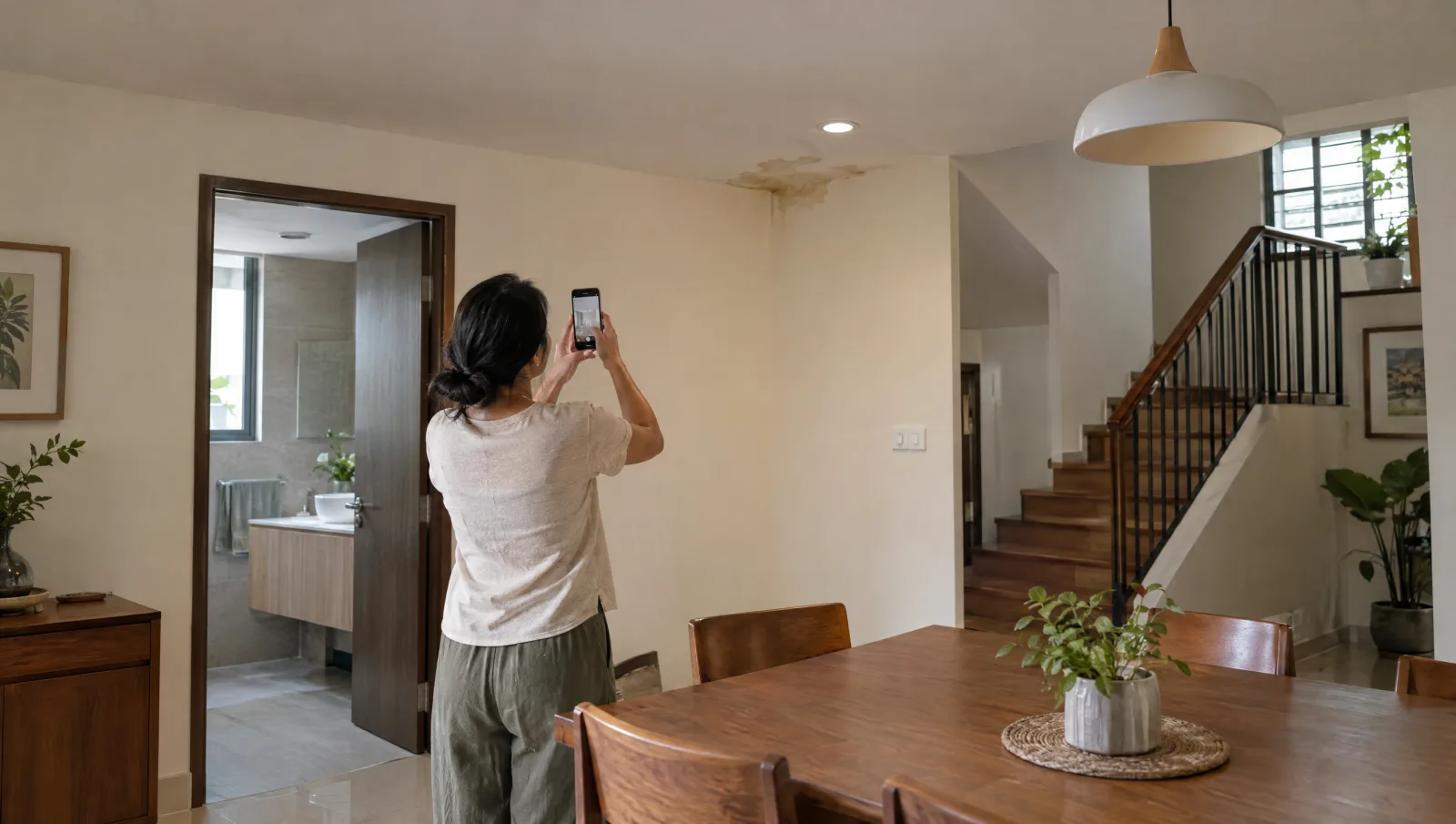
If the bathroom is already due for a landed bathroom renovation, use that investigation to define what the renovation must address. Replacing the tiles or repainting the ceiling may improve the appearance while leaving the source unresolved. A useful proposal connects the finding to the work that stops water reaching the affected area.
Start with the timing you already observe
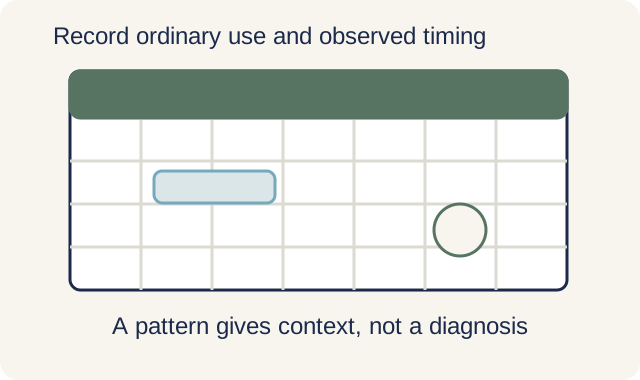
Record when you first noticed the mark, whether it is growing and whether there is dripping. Add the ordinary events around it: shower use, flushing, basin use, rainfall or nearby air-conditioning operation. These are clues to give the investigator, not a request to repeatedly run water and reproduce the leak yourself.
A pattern after showering can be useful without identifying the failed component. Shower use involves incoming water, discharge and wet surfaces, so several systems may be active at once. A leak that continues when the bathroom has not been used also needs interpretation; it should not be assigned to a particular pipe from the diary alone.
Photograph the same area from a similar position and keep a wider image that locates it in the room. Note the date and the conditions beside the photographs. A close-up with no reference to the bathroom above is less helpful than a simple plan showing both the stain and the fixtures it may relate to.
Compare plumbing leaks, waterproofing and nearby water sources
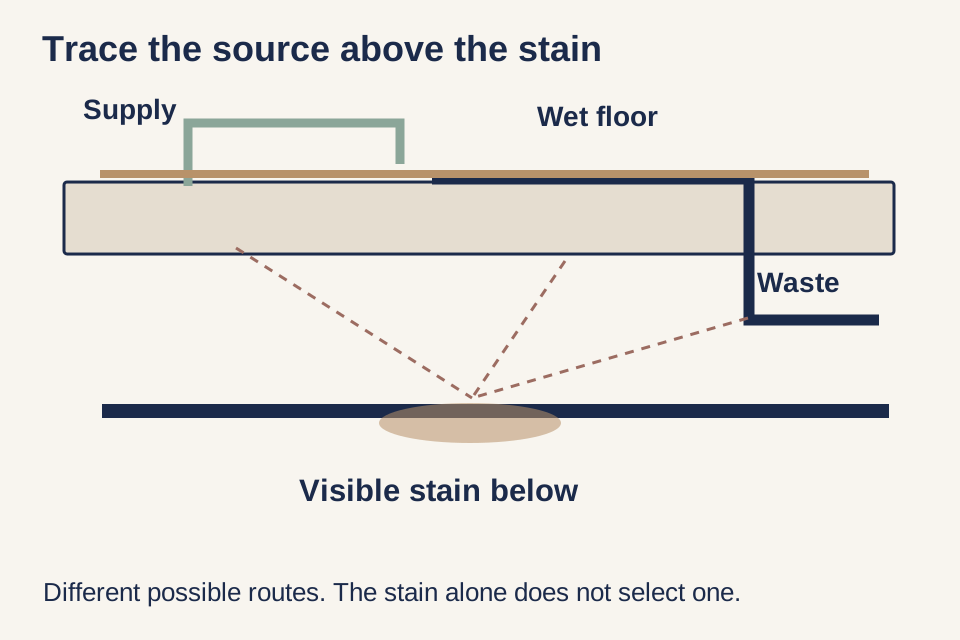
The water-supply and sanitary systems have different jobs: one delivers water to fixtures and the other carries used water away. A professional investigation may need to distinguish them before deciding whether access is needed to a pipe, a waste connection or the waterproofing beneath the tiles.
The floor's waterproof layer is another possible source of the problem, separate from the plumbing. A liquid wet-area membrane, for example, has preparation, application and protection requirements separate from the visible tile finish. The investigation should establish what system exists and where it has failed instead of assuming that every water complaint requires the same coating treatment.
Also tell the investigator about an adjoining external wall, balcony, roof junction or air-conditioning route. Water may be noticed near the bathroom without originating from its shower floor. A drawing of the surrounding spaces helps keep the diagnosis open until the evidence narrows it.
| Observation to record | Useful context | Conclusion it does not prove |
|---|---|---|
| A mark grows after shower use | Which shower, approximate time and change observed | That the membrane is the only possible source |
| Dripping occurs without recent bathroom use | Other water use and whether the condition continues | Which concealed supply pipe is responsible |
| The stain changes after rain | Nearby external walls, roof or balcony | That bathroom plumbing is sound |
| A previous repair seemed to help briefly | Work completed, location and dates | That the same repair should simply be repeated |
Ask what the investigation found and why it supports the repair
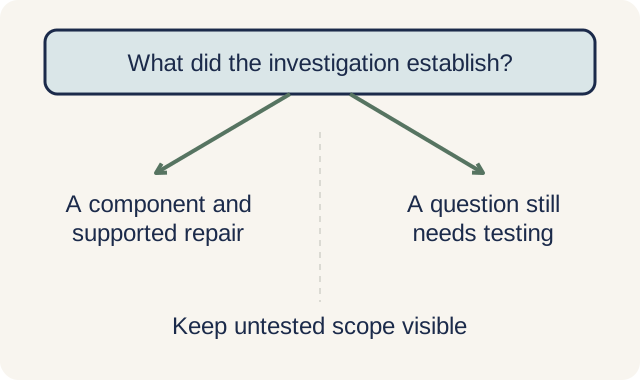
A useful investigation proposal identifies the systems being considered, what observations or tests will distinguish them and what access is required. The method belongs with the competent trades. Ask how the team will protect occupied rooms and make good any agreed opening; avoid a vague instruction to hack until the source appears.
Where regulated plumbing is involved, the work requires a Licensed Plumber. Other findings may call for a waterproofing or building specialist. If the first investigation cannot establish the source, request the result and the next question rather than allowing uncertainty to disappear into a broad replacement quotation.
Ask for the evidence in language you can understand. Which component was found defective, how does it explain the observed water and what remains untested? Photographs, inspection notes and an explanation of the relevant test can be more useful than a single statement that the bathroom is old. Age may inform condition, but it does not identify the route.
Repair the part causing the leak and identify the surrounding work
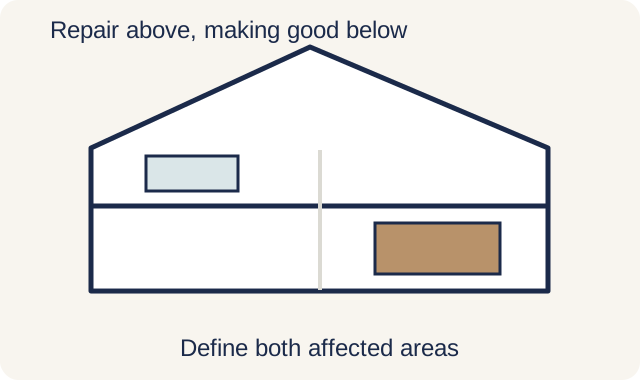
A local connection defect may support a local repair if the surrounding work remains serviceable and the access is practical. A wider wet-area problem may require a larger reinstatement scope. The important distinction is why the proposed boundary addresses the identified route and how the repaired area joins the work being retained.
Ask what finishes will be disturbed on both sides: the bathroom above and the room below. If a local opening is proposed, establish what can be retained, what matching materials are available and what visual difference may remain. If the whole bathroom is to be rebuilt, ask which parts of that decision address the leak and which are elective improvements.
This separation makes the quotation easier to judge. The household may choose a broader renovation while access is already being created, but it should understand that choice as additional scope rather than proof that every retained fitting caused the leak. Keep any unconfirmed conditions visible until the opening or assessment resolves them.
Address the moisture before repairing the ceiling finish
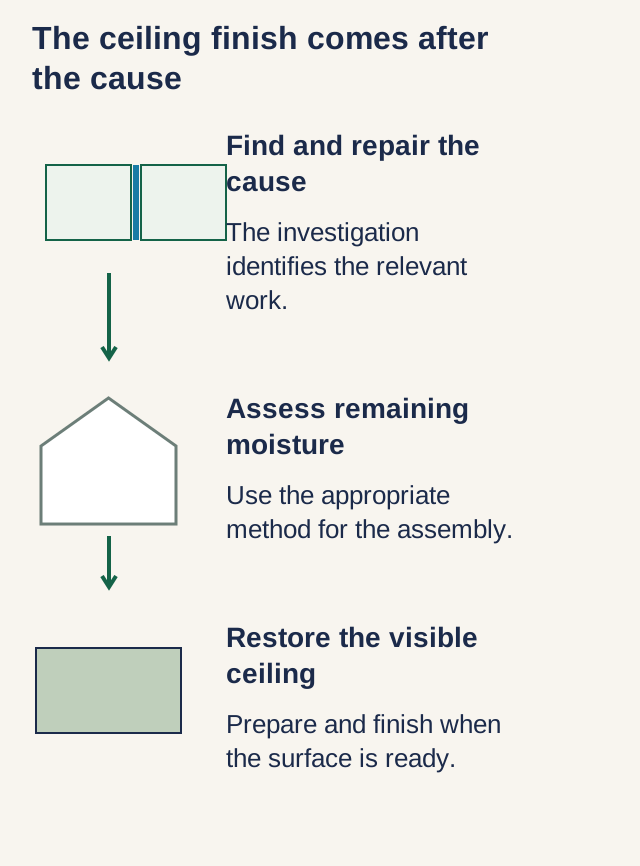
The repair plan should include how the result will be checked and when affected finishes can be reinstated. Agree the relevant test or observation period with the responsible specialist, including any limitations. Ask what drying or curing conditions need to be met before making good, and how the team will check them on site.
The moisture source must be addressed before making good a damp or mould-affected area. Ask the team to assess affected material and drying needs instead of immediately hiding the mark with paint. Record the repair and subsequent observations so a later recurrence can be compared with what was actually done.
The landed bathroom buying guide helps if the findings lead to a renovation. Bring photographs of the bathroom and room below, the times you noticed changes and any earlier repair details. Ask the team to explain where the water is coming from, what needs repair and how the result will be checked.
Need help with your project?
Tell us what you need on WhatsApp and send a few photos. We'll arrange a free site assessment, then give you a fixed-price quote within 3 to 5 working days.