On this page
View In PDFPhone control can be added through different types of gate access system, but the right option depends on the existing operator and the connection available at the entrance. Compare three approaches by who needs access, what happens when the connection fails and how permissions are managed. Confirm compatibility before buying a device to attach to the motor.
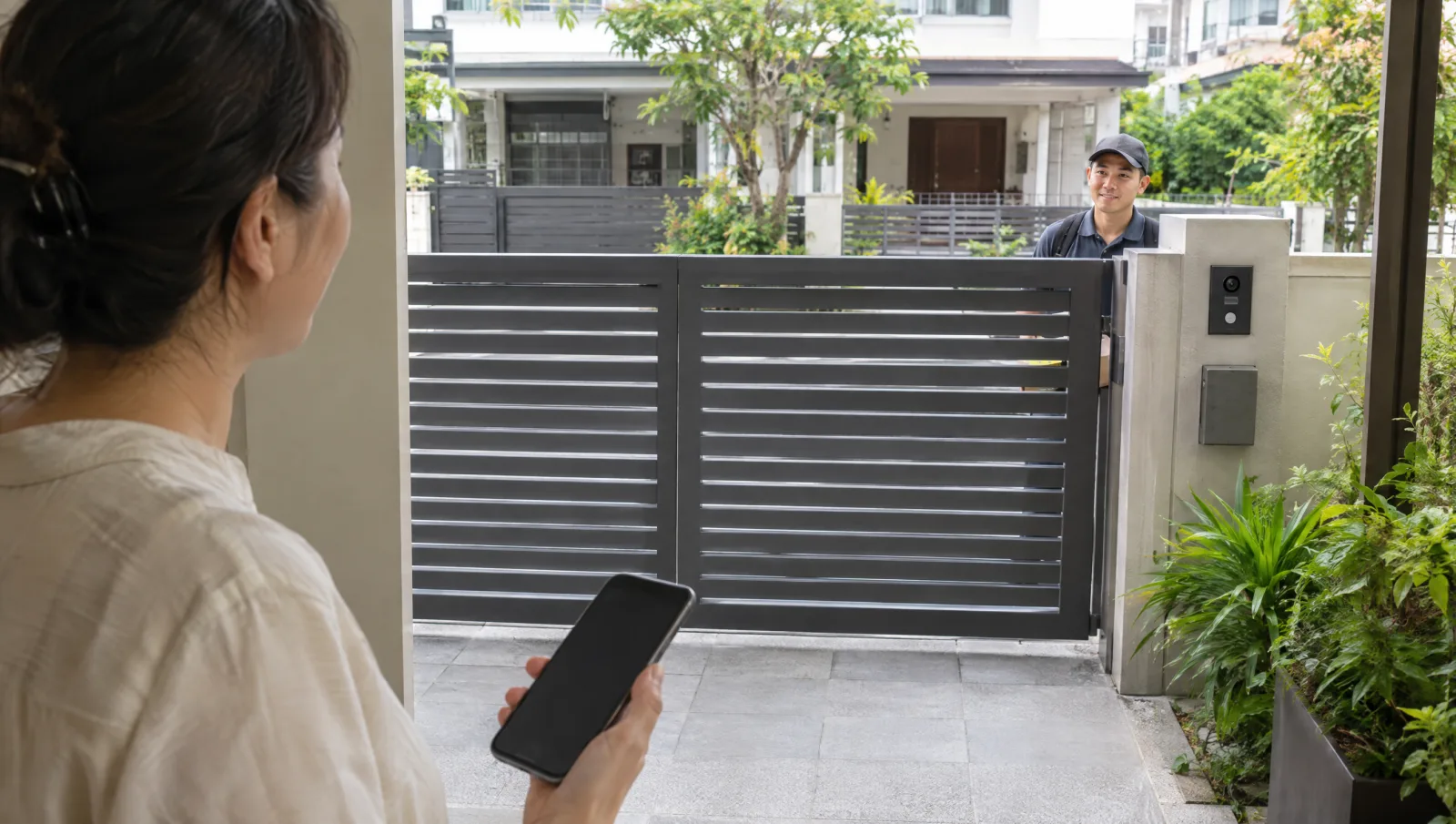
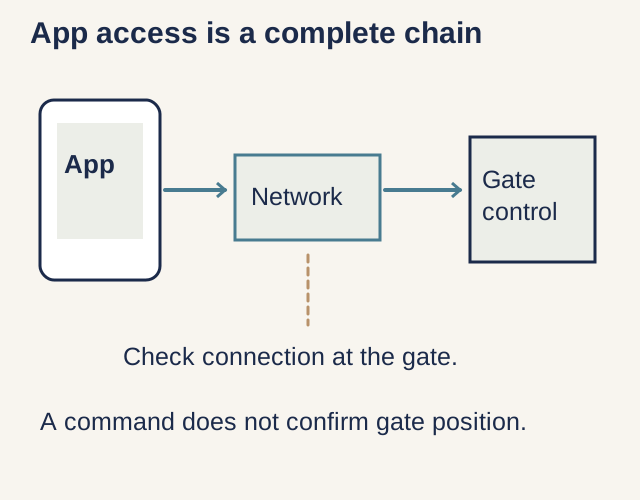
What "Smart" Auto Gate Actually Means
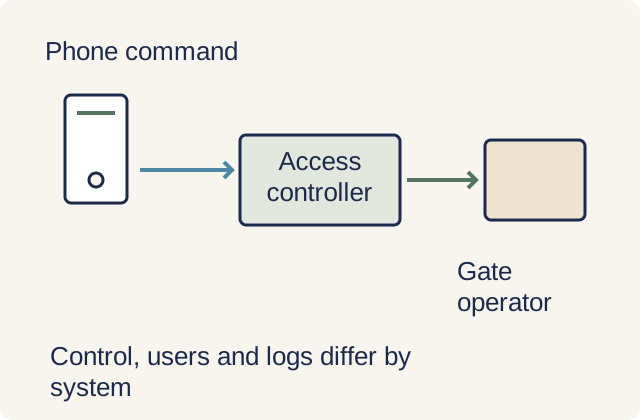
Smart gate control can mean a simple app-triggered opening or a system with position feedback, visitor permissions and event records. These are different capabilities and may require different hardware. Start with the functions the household will actually use.
Separate the functions you need: issuing a command from a phone, giving another person access and receiving confirmed status or an event record. These can require different controls and permissions. That distinction makes it easier to assess a proposed package and avoid paying for features that will not be used.
Option 1: Manufacturer Smart Modules
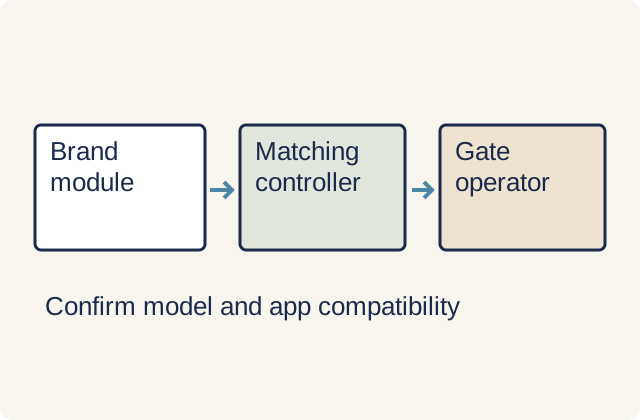
A manufacturer's connected-control module may be an option for a compatible operator and control board. Have the installer identify the exact module, supported app and required network connection. The brand alone does not establish that an older board can accept the current accessory.
Ask which functions are included: an opening command, confirmed gate position, multiple users or access history. Check account ownership, subscriptions and what stops working if the cloud service or home internet is unavailable. Keep conventional access and recovery arrangements clear.
Option 2: Universal Wi-Fi Relays
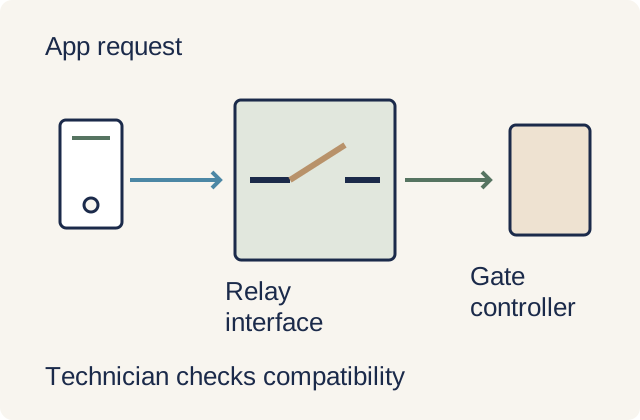
A compatible relay can provide an opening command to some gate controllers, but it is not universal. The installer must check the permitted input, electrical ratings and the controller's response. Wiring belongs to a competent installer, with licensed electrical work where required; homeowners should not open the control box.
An opening command does not prove the gate's position or that its movement area is clear. Avoid automatic opening based only on a phone's location or a schedule. Any remote operation must be included in the gate's safety assessment and preserve its protective devices.
Many simple controllers accept a momentary command rather than a continuously reported position. Depending on the configuration, another command might open, stop or close the gate. A relay can send that command without knowing what happened afterwards. Position feedback needs its own compatible sensing and control arrangement. This distinction matters when someone is away from home: a button labelled 'open' in an app is not necessarily evidence that the gate is now open or that it moved safely.
Option 3: Intercom + Phone-App Combos
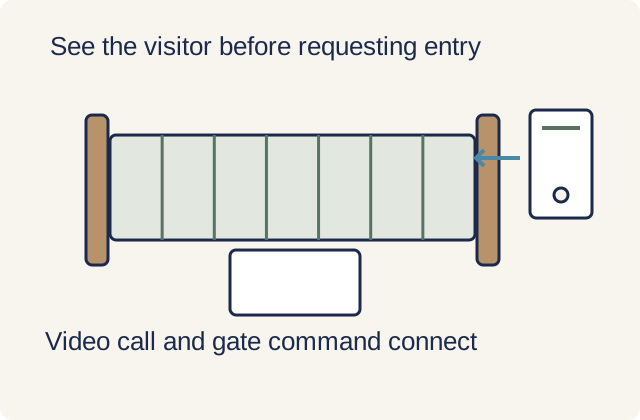
A video intercom can combine visitor calls with a compatible gate-opening control. Compare the actual camera view, audio, account permissions and gate integration in a demonstration. A doorbell app does not automatically provide those functions for an existing gate.
If the intercom also needs replacing, quote the two tasks together so cabling and power can be coordinated. Check whether an existing camera or indoor screen can be reused and who supports the combined system. Age alone does not establish that replacement is necessary.
Real-World Reliability in Singapore
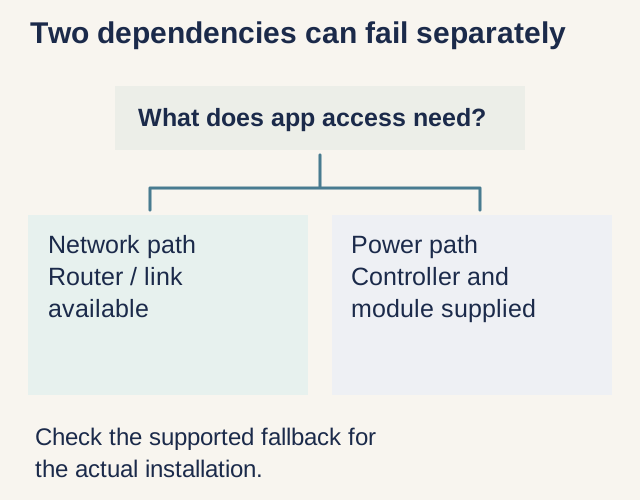
Check network coverage at the gate before choosing connected features. Distance, walls and outdoor placement can affect the link. The installer should confirm the proposed wired or wireless connection and demonstrate normal operation at the actual site.
Power and internet failures can affect different parts of the system separately. A backed-up gate operator does not necessarily keep the router, intercom or cloud connection working. Ask what remains usable and rehearse the approved recovery procedure at handover.
Getting It Set Up
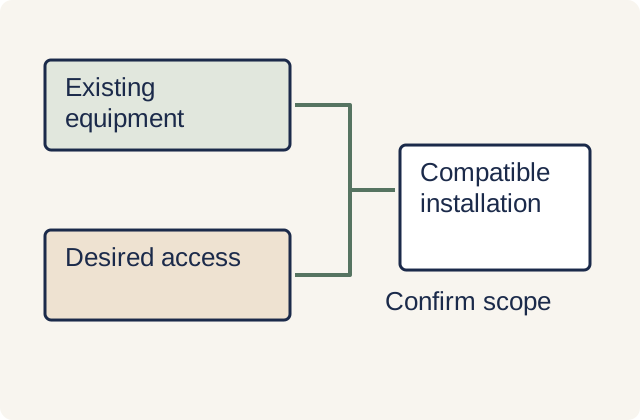
For a new or existing gate, price the complete connected-control scope with cabling, power, compatible hardware and commissioning. Include access permissions and safe operation in the assessment. The cheapest relay alone is not the total installed system.
Send DirectHome the operator and intercom details you already have, plus the functions you need. Confirm compatibility and the contractor's responsibilities before buying equipment. Keep passwords and access permissions under the household's control.
Auto Gates across Singapore
Need help with your project?
Tell us what you need on WhatsApp and send a few photos. We'll arrange a free site assessment, then give you a fixed-price quote within 3 to 5 working days.