On this page
View In PDFStep lights, under-tread strips, wall lights and pendants illuminate a staircase in different ways. The aim is to make the steps and changes in level easy to see without uncomfortable glare. Compare these four approaches around the actual staircase, then combine them where one type cannot provide the light the route needs.
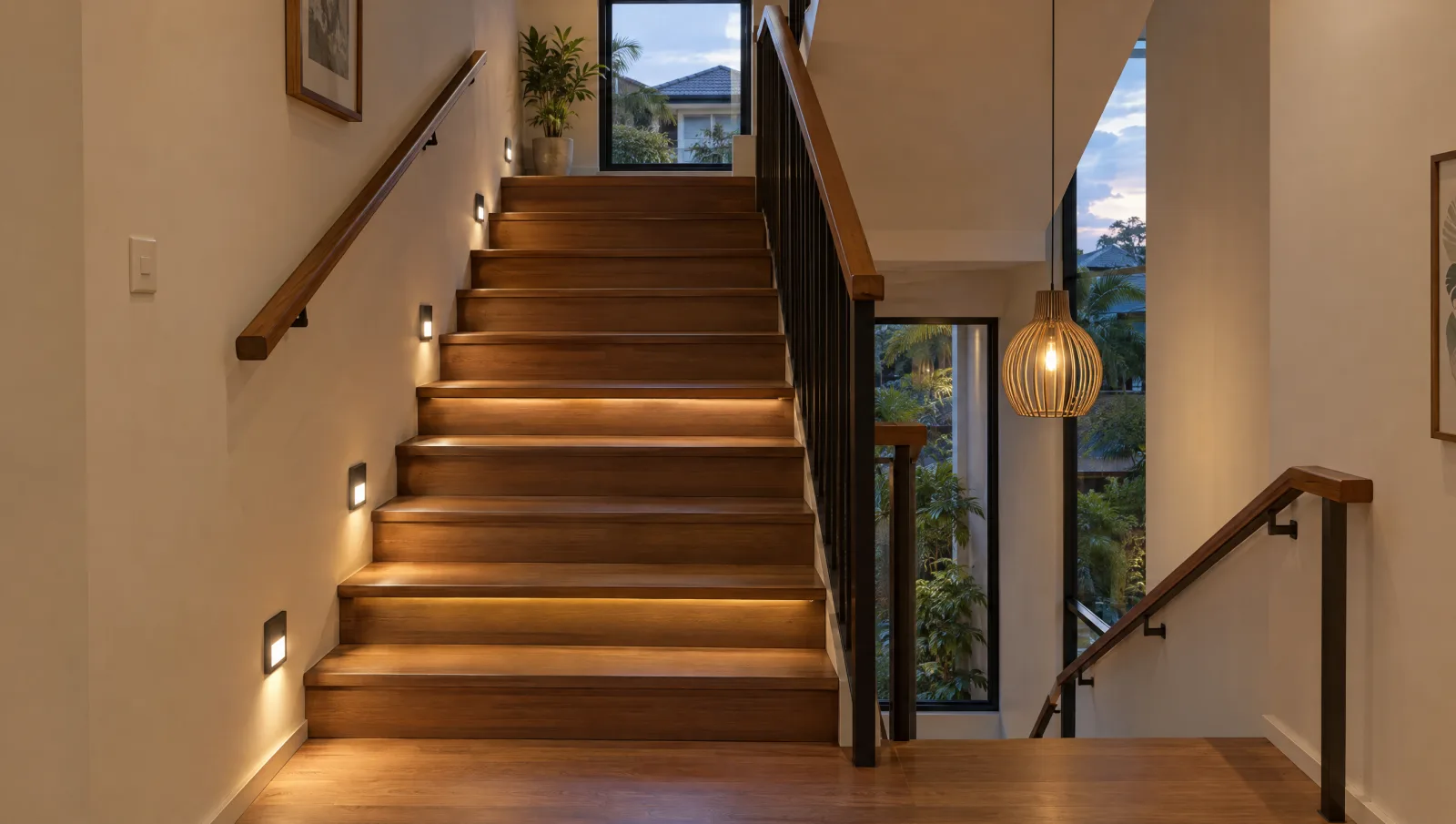
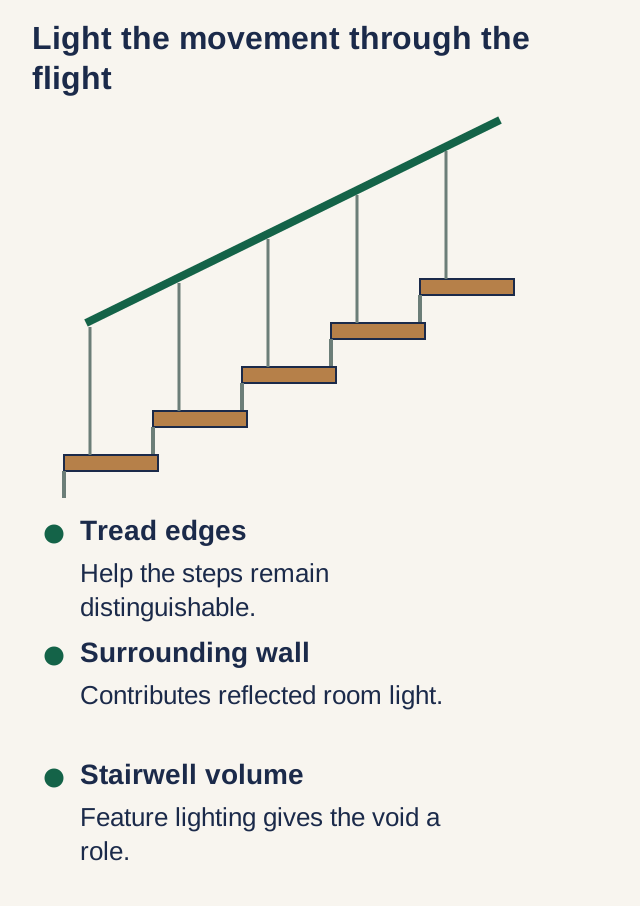
Lighting Can Change How a Staircase Feels
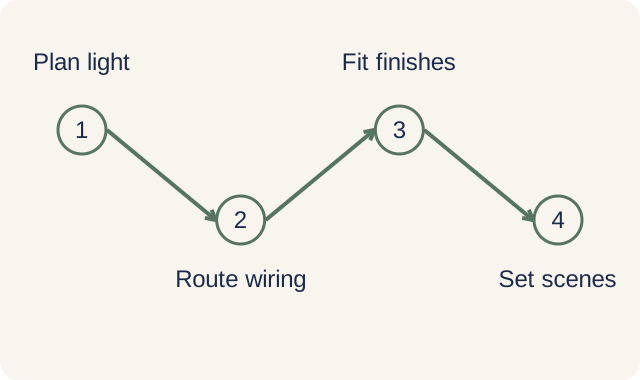
For most homeowners, the staircase is one of the last places they think about lighting. A single ceiling pendant, maybe a wall sconce halfway down, and that is the lot. The result is a flat, functional space with no character.
Treat lighting as a deliberate layer and it can reveal the treads, materials and surrounding space. The cost depends on the wiring route and access as much as on the fittings. Resolve those routes while the walls, treads and ceilings are still being detailed.
Recessed Wall Step Lights
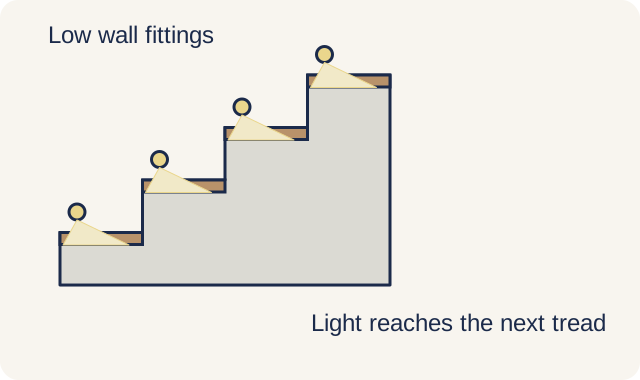
Small recessed wall fittings cast light across the steps without a large visible fixture. Position and spacing depend on the beam, mounting height and tread geometry. Test illumination across the whole flight so attractive pools of light do not leave dark tread edges between them.
Compare the fitting, cable route, wall work and making good as one installation scope. Warm light around 2700K to 3000K is an aesthetic option, with beam control to limit glare. New or modified wiring should be carried out or supervised by an EMA-licensed electrical worker.
Under-Tread LED Strips
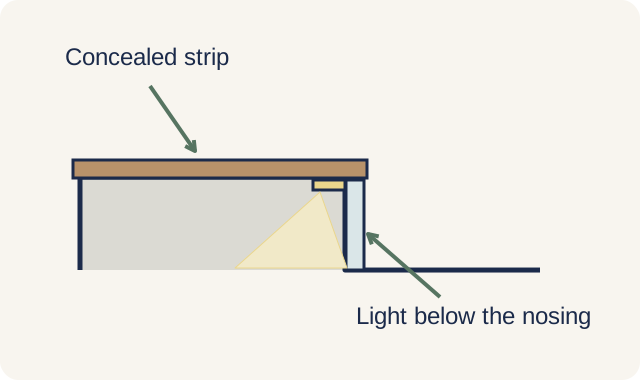
Under-tread LED strips can emphasise each tread when the source is shielded from normal viewing angles. A strip at the foot of a closed staircase creates a different accent and will not light every step. Keep tread visibility separate from the decorative effect.
Include the strip, suitable channel and diffuser, drivers, wiring and controls in the quotation. Drivers need ventilation and future access, and the channel must suit the installation conditions. A dimming proposal should name compatible equipment rather than assume every LED strip works with every controller.
Pendant Lighting Over the Void
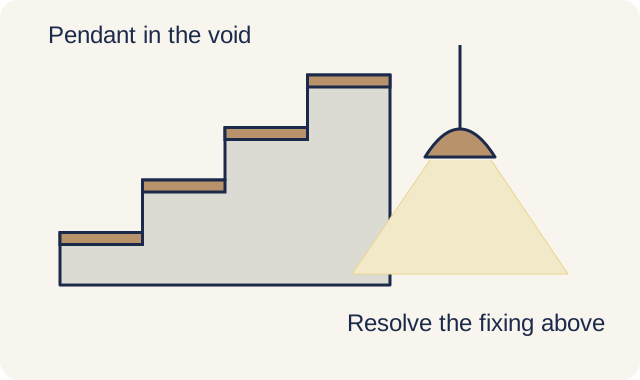
If your staircase opens into a double-volume void, a pendant light hung in the centre of the void is the single most dramatic move you can make. A cascade of small pendants, a sculptural single fixture, or a custom installation: the void becomes the focal point of the house.
The quotation needs to cover the fixture, support, cable route and access for installation and future cleaning. A heavy pendant requires a suitable designed fixing rather than reliance on ceiling lining. Maintain headroom and access around the staircase when setting the hanging height.
Wall Washers and Picture Lighting
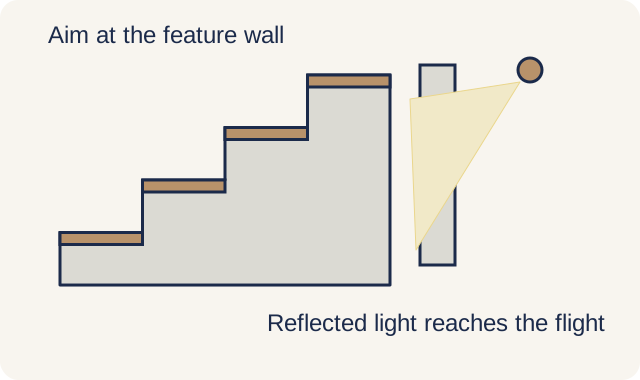
Wall washers can reveal brick, stone or a run of artwork beside the staircase. Reflected light contributes to the overall scene, but its usefulness on treads depends on wall colour and beam position. Keep dedicated tread illumination where reflected light leaves shadows or unclear edges.
Recessed adjustable fittings and surface-mounted linear washers produce different beam patterns and installation work. Compare a sample on the actual surface before fixing positions. A high colour-rendering index can help artwork colours, but distribution and glare still determine whether the scheme works.
Common Mistakes to Avoid
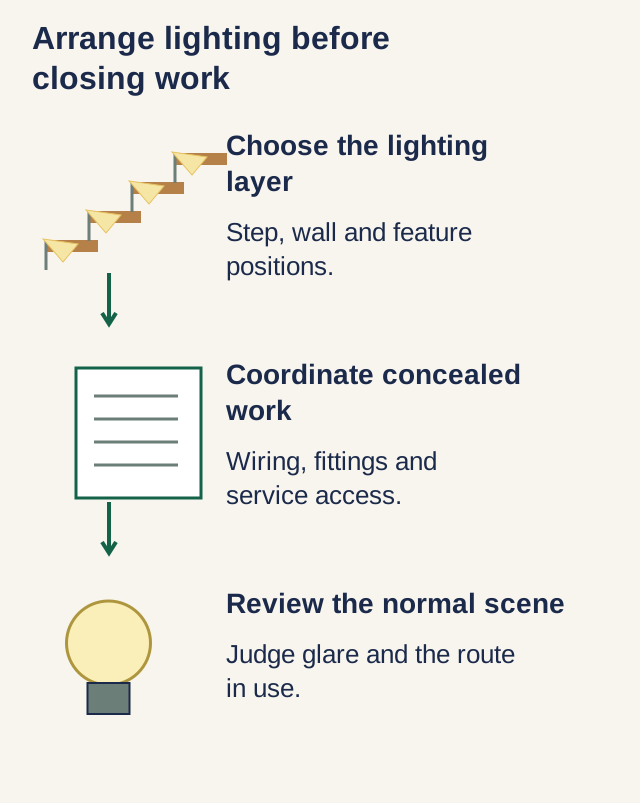
Too many overlapping fittings can create glare and an uneven rhythm. Start with the light needed to see the steps and landings, then add accent lighting only where it has a clear purpose.
Compare colour temperatures beside the selected timber or stone. Warm white may suit the room, while a different temperature can fit an existing lighting scheme. Consistency and comfortable visibility matter more than treating one temperature as a universal rule.
Late lighting decisions can force new cable routes or reopening of finishes. Resolve step-light positions, LED driver access and pendant supports alongside the staircase drawings. Surface routes may make a retrofit possible, but include their appearance and making good in the design.
Putting the Layers Together
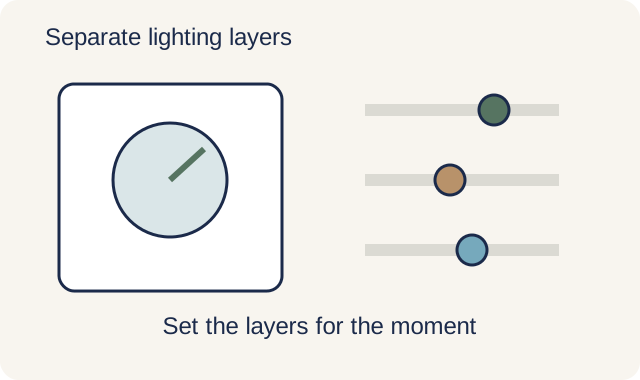
A layered staircase scheme can combine overall illumination, light directed at the treads and decorative accents. Each should have a clear job: a feature pendant may look attractive while leaving the lower steps in shadow. Review the scene from both landings, including the lighting available at night.
Wire each layer on a separate switch or scene. The result is a staircase that can be a bright functional space during the day and a soft, almost cinematic feature in the evening, all from the same fittings.
Staircase Renovation across Singapore
Need help with your project?
Tell us what you need on WhatsApp and send a few photos. We'll arrange a free site assessment, then give you a fixed-price quote within 3 to 5 working days.