On this page
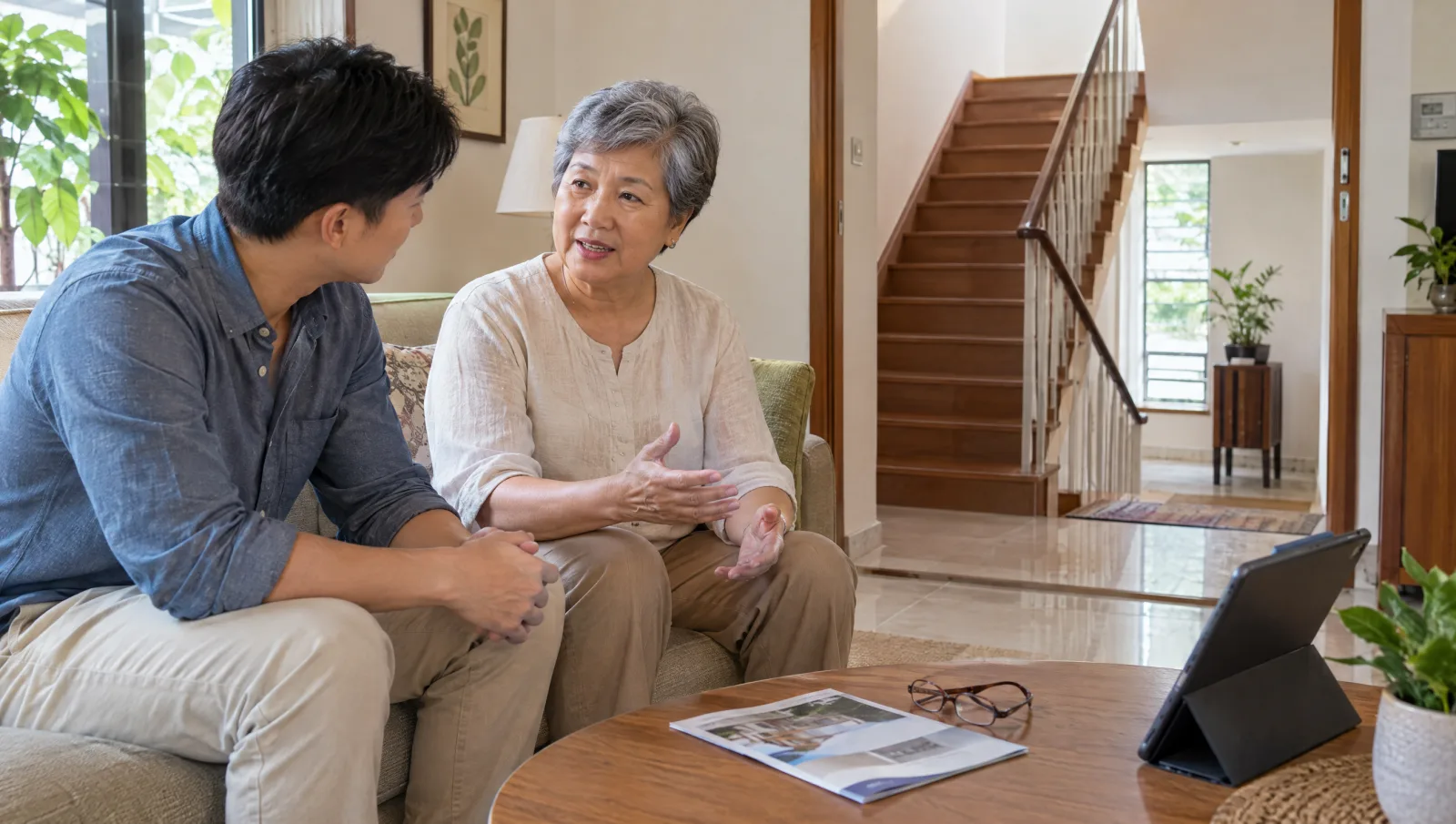
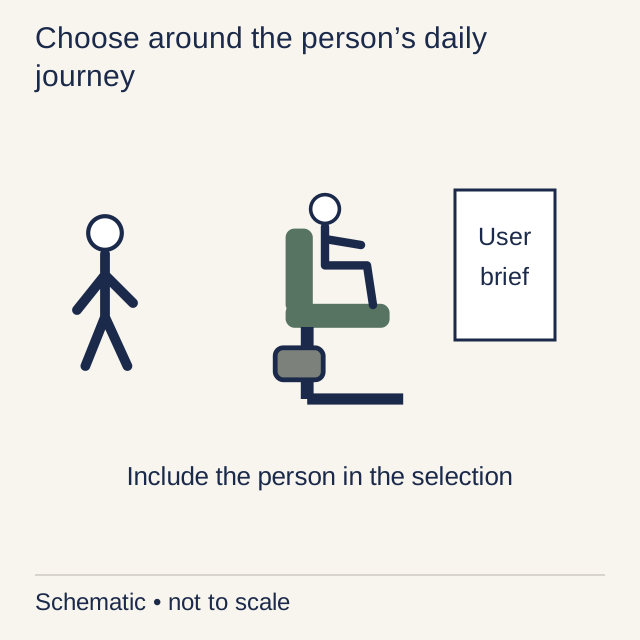
View In PDFIf stairs are becoming difficult for your parents, involve them in choosing how to make upstairs easier to reach. A stairlift needs to feel comfortable and manageable to the person using it, not just fit the staircase. Begin with their routines, preferences and any help they need, then arrange an assessment and a suitable demonstration.
When Is It Time to Get a Stairlift?
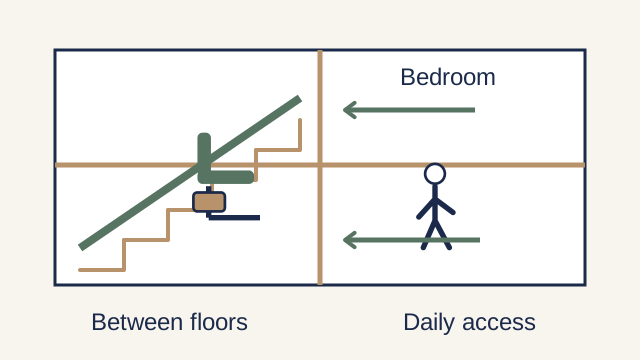
If a parent avoids the stairs, struggles with transfers or has fallen, discuss the change with them and an appropriate healthcare professional. A stairlift may help with movement between floors, but it must suit their balance, seating, transfers and ability to use the controls.
Changes such as gripping both rails, avoiding an upstairs room or moving a bedroom downstairs are reasons to assess the household's access needs. They do not by themselves diagnose a condition or establish that a stairlift is the right solution.
Assess options before access becomes an emergency where possible. Include the parent's preferences and any likely change in support needs. A useful demonstration should cover getting on, travelling and getting off, not simply watching the chair move.
Essential Safety Features
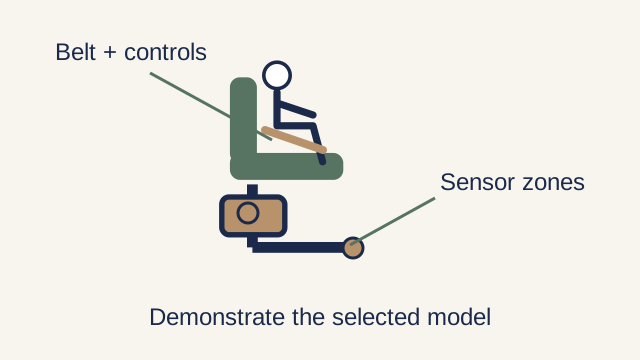
Safety features vary by model. Have the user try the belt and controls, and ask the installer to explain obstruction protection and its limits. Never test a moving stairlift with a person's body or bypass a safety feature.
At the landing, a suitable swivel and locking arrangement can help the user transfer away from the stair edge. Whether a powered or manual swivel is usable depends on the person and model. Confirm clear space for the actual movement and a safe transfer.
Ask about access controls where children may interact with the equipment, and ensure emergency instructions are understandable from the seat. The installer should demonstrate normal operation and what to do if the lift stops. Do not assume every model includes identical controls.
Weight Capacity and Seat Comfort
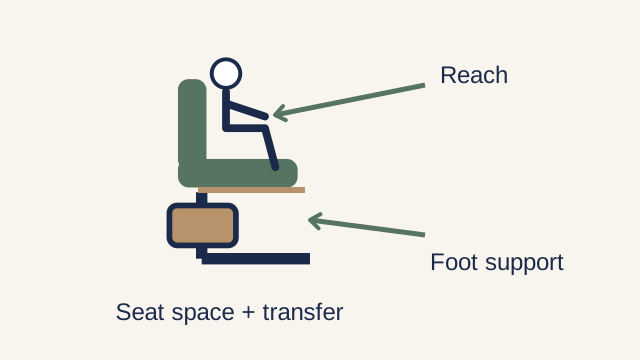
Check the selected model's rated capacity and configuration against the actual user and any permitted items. Never exceed the rating. Body size, seat dimensions and safe transfer matter alongside weight; a higher capacity alone does not guarantee a good fit.
Have the user try the seat, armrests and footrest, including any difficulty bending knees. Check the clearance during travel and at turns. A quoted folded width is not the space the seated person needs while moving.
A perch arrangement is a specialist option requiring a suitability assessment; it is not automatically appropriate for someone with knee pain or poor balance. Involve the relevant healthcare professional where transfers or standing stability are uncertain.
Battery vs Direct Power
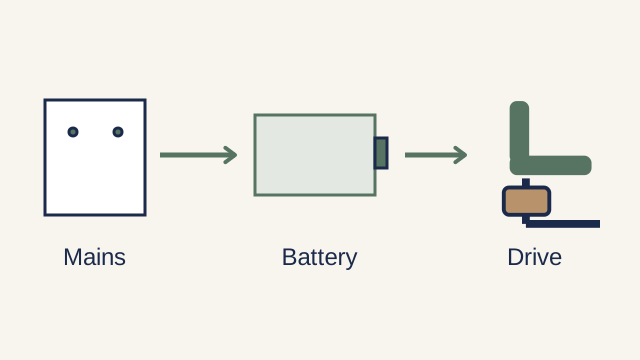
Many stairlifts use rechargeable batteries and need to be left in the correct charging position or on the charging rail as specified. Backup travel depends on the model and battery condition. Keep the charger arrangement maintained and follow the owner's instructions.
Ask how the proposed model behaves during a power cut and what happens if it stops mid-flight. The household needs a safe recovery and assistance plan. Do not assume unlimited outage travel or try to get off in an unsafe position.
Installation Considerations for Singapore Homes
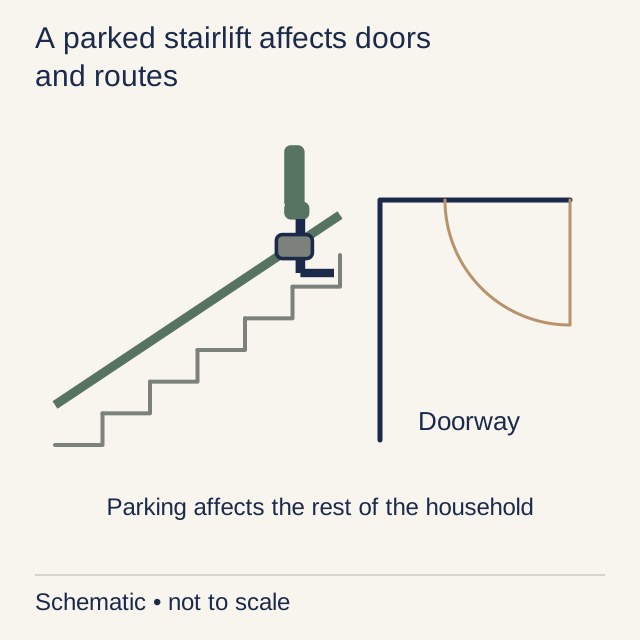
Measure the occupied travel envelope, folded and parked positions, and remaining stair access. A generic stair width or folded-chair dimension cannot establish adequate passing or escape space. Have the installer and responsible professional assess the actual layout.
Rail fixings often connect to the steps, but their substrate and condition still need assessment. Landings, windows and tight turns can limit a viable route. A custom rail cannot solve every geometry without other work.
Consider where the stairlift parks when not in use. At the bottom of the stairs, a folded stairlift shouldn't block a doorway or passage. At the top, it shouldn't create a trip hazard on the landing. A hinged rail section at the bottom can lift the lower portion of the track out of a doorway's path.
Talking to Your Parents About Mobility
Discuss the rooms and activities the parent wants to reach and what currently makes the stairs difficult. Avoid promising risk-free carrying of laundry or other items on a stairlift; follow the model's rules for use. The priority is safe access that the person is willing and able to use.
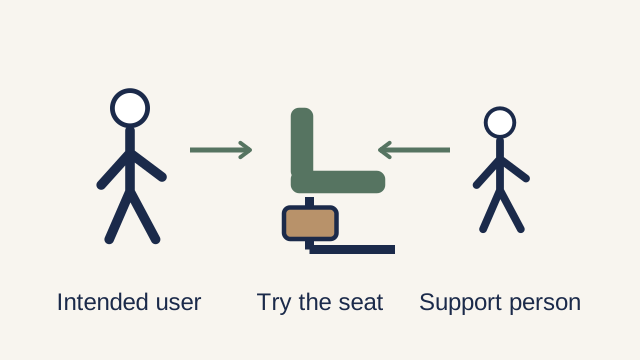
If possible, arrange a suitable demonstration before committing so your parent can judge the seat, controls and transfers for themselves. Let them explain what feels comfortable and what concerns them. The trial may help identify a workable arrangement, or show that this model or approach does not suit their needs.
Let your parent try the seat and controls, explain what feels comfortable, and decide which options suit them. Once installed, give them time to learn and adjust at their own pace, with the support they want.
Send DirectHome the staircase route and user's access requirements to discuss a survey. Confirm availability, scope and any charges, including whether a trial or clinical suitability assessment is needed.
Stairlifts across Singapore
Need help with your project?
Tell us what you need on WhatsApp and send a few photos. We'll arrange a free site assessment, then give you a fixed-price quote within 3 to 5 working days.